
The Florida Panhandle is a distinctive region of the Sunshine State, often overlooked in favor of its more famous peninsular counterparts. Stretching across the northwestern part of Florida along the Gulf of Mexico, this crescent-shaped strip of land is characterized by its breathtaking white-sand beaches, vibrant coastal communities, and a unique blend of Southern charm and laid-back beach culture. Far more than just a geographical appendage, the Panhandle offers a diverse range of experiences for travelers, from bustling family-friendly resorts to tranquil, untouched natural havens.
Unlike the tropical allure of South Florida or the theme park magic of Central Florida, the Panhandle presents a distinct identity. Its climate leans more humid subtropical, experiencing four distinct seasons, though winters remain mild compared to much of the United States. This region is a melting pot of influences, from its Native American heritage and Spanish colonial history to its deep Southern roots, evident in its architecture, cuisine, and friendly demeanor. Understanding the Panhandle is to appreciate its nuanced beauty, its rich ecological diversity, and the compelling reasons it has become a cherished destination for those seeking pristine beaches, outdoor adventure, and a taste of authentic Florida.

Defining the Emerald Coast: A Geographic and Cultural Overview
The Florida Panhandle is primarily synonymous with the Emerald Coast, a moniker earned from the dazzling, jewel-toned waters of the Gulf of Mexico that lap against its shores. This region is a study in contrasts, offering both lively tourist hubs and serene, undeveloped stretches. Its geographical position and historical trajectory have sculpted a unique cultural landscape that sets it apart from the rest of the state.
Geographical Boundaries and Distinctive Features
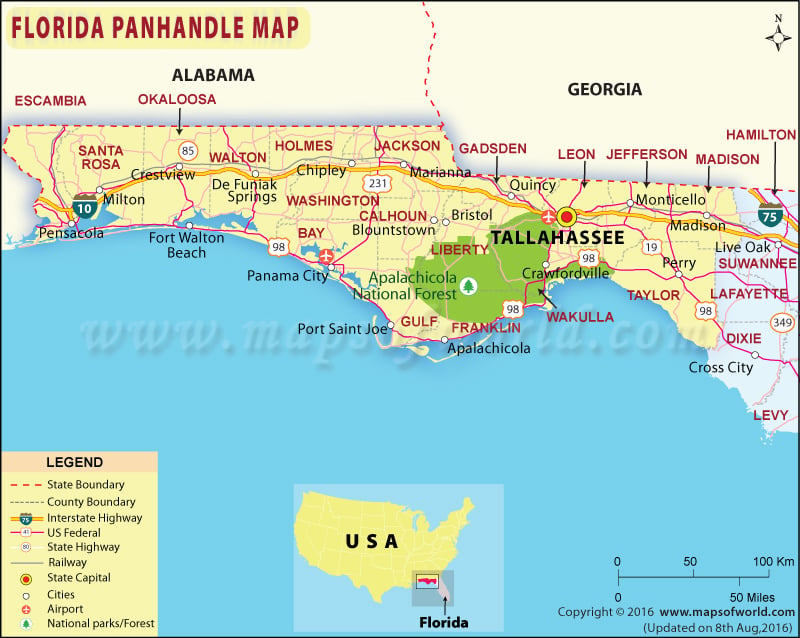
Geographically, the Florida Panhandle spans from the Perdido River on the western border with Alabama to the Apalachicola River to the east, effectively encompassing the northwestern “handle” of Florida. Inland, its northern boundary roughly follows the state line with Alabama and Georgia. The coastline is arguably its most striking feature: an uninterrupted expanse of quartz crystal sand, sourced from the Appalachian Mountains and carried down rivers to the Gulf. This fine, sugar-white sand remains cool even on the hottest days, creating an inviting contrast with the brilliant turquoise and emerald hues of the shallow Gulf waters.
Beyond the immediate coastline, the Panhandle boasts diverse ecosystems. Pine forests, cypress swamps, and pristine rivers like the Blackwater River characterize the interior, offering a stark contrast to the beach environment. The topography is generally flat, though rolling hills can be found in certain inland areas, particularly near the state capital, Tallahassee. The extensive network of bays and bayous, such as Choctawhatchee Bay, also plays a significant role in the region’s ecology and recreational offerings.
A Rich Tapestry of History and Heritage
The Panhandle’s history is as deep and layered as its geography. It was the site of some of the earliest European settlements in what would become the United States, with Pensacola laying claim to being the first permanent European settlement in North America in 1559, though its early attempts were short-lived. This area has been under Spanish, French, British, and American rule, each leaving an indelible mark on its culture, architecture, and place names. The influence of the Deep South is palpable here, more so than in other parts of Florida. Antebellum homes, historic downtowns, and a slower pace of life in many of the inland towns speak to this heritage.
During the Civil War, Pensacola was strategically important, and its military history continues today with major installations like Naval Air Station Pensacola. The maritime history, particularly the fishing and oyster industries along the Forgotten Coast, also contributes significantly to the region’s identity. This blend of indigenous roots, colonial struggles, antebellum traditions, and a strong connection to the Gulf defines the unique cultural tapestry that travelers encounter throughout the Florida Panhandle.
Unveiling the Panhandle’s Alluring Destinations
The Florida Panhandle is a mosaic of captivating destinations, each offering its own distinct charm and array of attractions. From lively resort towns buzzing with activity to serene coastal villages where time seems to slow down, there’s a place to suit every traveler’s preference.
Pristine Beaches and Coastal Cities
The iconic sugar-white sands and emerald waters are the main draw, fronting a collection of popular cities and towns. Destin, often dubbed the “World’s Luckiest Fishing Village,” has evolved into a premier Emerald Coast destination, renowned for its deep-sea fishing charters, vibrant harborwalk, and family-friendly attractions. Its pristine beaches, such as those within Henderson Beach State Park, offer endless opportunities for sunbathing, swimming, and shell collecting.
Further east, Panama City Beach is famous for its lively atmosphere, extensive stretch of beaches, and an abundance of entertainment options. Beyond the spring break reputation, Panama City Beach offers attractions like Pier Park for shopping and dining, and St. Andrews State Park, consistently ranked among the nation’s best beaches for its natural beauty and diverse wildlife. Pensacola, at the western end of the Panhandle, blends historic charm with stunning coastal beauty, exemplified by the expansive Gulf Islands National Seashore. Other notable coastal communities include Fort Walton Beach, Miramar Beach, and Mexico Beach, each contributing to the diverse coastal experience.
State Parks, Forests, and Natural Wonders
Beyond the popular beaches, the Panhandle is a sanctuary for nature lovers, boasting numerous state parks and vast national forests. St. Andrews State Park, already mentioned, provides protected habitats for wildlife, walking trails, and excellent snorkeling opportunities. Topsail Hill Preserve State Park near Santa Rosa Beach features towering dunes, rare coastal dune lakes, and miles of untouched beaches.
Inland, the Blackwater River State Forest offers a different kind of natural beauty, with its pristine dark-water river, perfect for kayaking and canoeing, and extensive hiking and equestrian trails. Torreya State Park, located on bluffs overlooking the Apalachicola River, is one of Florida’s most scenic and rugged parks, known for its rare Torreya tree and stunning vistas. These natural areas provide vital ecological diversity and offer quiet retreats from the bustling beach towns.
Quaint Towns and Historic Charm
Sprinkled throughout the Panhandle are towns that exude historic charm and a slower pace of life. Apalachicola, situated on the Forgotten Coast, is a historic port town famous for its oysters and charming Victorian architecture. Its unhurried atmosphere and strong ties to its maritime past make it a delightful escape. Further west, the planned community of Seaside is an architectural marvel, known for its pastel-colored cottages and New Urbanism design principles, which inspired the film “The Truman Show.”
Tallahassee, the state capital, while not a coastal city, anchors the eastern part of the Panhandle with its rich history, significant universities, and vibrant cultural scene. Its old-growth canopies and rolling hills offer a different perspective of Florida entirely. These towns offer a glimpse into the region’s heritage and provide a contrast to the beach-centric experience, allowing travelers to explore local culture, art, and history.
Experiencing the Panhandle: Activities and Attractions for Every Traveler
The Florida Panhandle is a playground for all ages and interests, offering a vast array of activities that extend far beyond simply lounging on the beach. Whether seeking thrilling outdoor adventures, immersive cultural experiences, or family-friendly entertainment, the region delivers a memorable vacation.

Water Sports and Outdoor Adventures
With miles of Gulf coastline, tranquil bays, and winding rivers, water-based activities dominate the Panhandle experience. Fishing, particularly deep-sea fishing in Destin, is a major draw, with charters available for anglers hoping to catch snapper, grouper, or king mackerel. Snorkeling and SCUBA diving are popular ways to explore the abundant marine life, artificial reefs, and even shipwrecks, especially around Panama City Beach and Pensacola.
Kayaking and paddleboarding are excellent for exploring the calm waters of the coastal dune lakes, bayous, and rivers. Enthusiasts can paddle through mangrove tunnels or along the scenic Blackwater River, taking in the serene natural beauty. For thrill-seekers, jet-skiing, parasailing, and even surfing on rare Gulf swells are readily available. On land, hiking and biking trails weave through state parks and forests, offering opportunities to spot local wildlife and enjoy the subtropical environment.
Cultural Immersion and Local Delights
The Panhandle’s cultural offerings are as rich as its natural ones. Pensacola’s historic downtown and Seville Square district boast beautifully preserved architecture, museums, and art galleries. The National Naval Aviation Museum in Pensacola is a world-class attraction, offering an extensive collection of aircraft and interactive exhibits, complete with Blue Angels practice shows on select days.
Food is a cornerstone of the Panhandle experience. Fresh seafood, particularly oysters from Apalachicola Bay, is a must-try. The region’s cuisine is heavily influenced by Southern cooking, featuring dishes like Gulf shrimp and grits, fried green tomatoes, and fresh-caught fish prepared in myriad ways. Local farmers’ markets, craft breweries, and seafood festivals throughout the year provide opportunities to savor regional flavors and engage with the community.
Family-Friendly Fun and Entertainment
The Panhandle is exceptionally family-friendly, with attractions designed to entertain children of all ages. Water parks, miniature golf courses, and go-kart tracks are prevalent in Destin and Panama City Beach. ZooWorld Zoological Park in Panama City Beach offers up-close encounters with exotic animals, while dolphin cruises are a popular activity for families hoping to spot marine mammals in their natural habitat.
Interactive science museums and educational centers provide engaging learning experiences. Beyond organized attractions, the sheer joy of building sandcastles, searching for seashells, and playing in the gentle waves of the Gulf provides endless, free entertainment for families. Many resorts and rental properties offer kid-centric amenities, ensuring a comfortable and entertaining stay for families traveling with children.
Planning Your Panhandle Escape: Practical Travel Tips
A successful trip to the Florida Panhandle involves strategic planning, considering the best times to visit, where to stay, and how to navigate the region. With a little foresight, travelers can maximize their enjoyment of this distinctive Florida gem.
Best Time to Visit and Accommodation Options
The shoulder seasons—spring (April-May) and fall (September-October)—are often considered the best times to visit the Florida Panhandle. During these months, the weather is pleasantly warm, humidity is lower, and the crowds are thinner than during the peak summer months or spring break period. Summer (June-August) is popular for families, but temperatures are high, and afternoon thunderstorms are common. Hurricane season runs from June to November, with the peak months typically August and September, so travelers should purchase travel insurance and monitor weather forecasts if planning a trip during this time. Winter (November-March) is mild and peaceful, ideal for snowbirds and those seeking cooler temperatures and solitude.
Accommodation options are extensive and varied. Travelers can choose from luxurious beachfront resorts and hotels in Destin, Panama City Beach, and Pensacola Beach. Vacation rentals, including condominiums, townhouses, and private homes, are highly popular, especially for families and larger groups, offering more space and amenities. Boutique hotels and charming inns can be found in historic towns like Apalachicola and Seaside. For budget-conscious travelers, there are also numerous motels and campgrounds, particularly in state parks. Booking well in advance, especially for peak seasons, is highly recommended to secure the best rates and desired locations.
Getting Around and Regional Highlights
Most visitors arrive by car, as driving is the primary mode of transportation for exploring the Panhandle. US Route 98 is the main coastal artery, connecting many of the popular beach towns. Interstate 10 runs east-west through the northern part of the Panhandle, providing access to inland cities like Tallahassee and linking to other parts of Florida and neighboring states. Regional airports in Pensacola, Destin-Fort Walton Beach, and Panama City offer direct flights from various cities, making air travel convenient.
For those flying in, renting a car upon arrival is almost essential for freedom of movement and exploring beyond immediate resort areas. Biking is a popular option in many towns, with dedicated paths along scenic routes, especially in areas like South Walton and Seaside. Public transportation is limited outside of major cities, though ride-sharing services are available in tourist hotspots. Prioritizing destinations based on interest—whether it’s the lively energy of Panama City Beach, the fishing opportunities of Destin, the history of Pensacola, or the tranquility of the Forgotten Coast—will help shape an efficient and enjoyable itinerary.
The Panhandle’s Unique Charm: Beyond the Beaches
While the beaches are undeniably the crown jewel, the Florida Panhandle offers a depth of character and diverse experiences that extend far beyond its glistening coastline. Delving into its lesser-known facets reveals a region rich in ecological wonders, quiet retreats, and genuine Southern hospitality.
The Forgotten Coast: A Quieter Retreat
East of Panama City, the character of the Panhandle shifts dramatically. This stretch, affectionately known as the Forgotten Coast, is a haven for those seeking tranquility and an authentic Florida experience without the commercial bustle. Towns like Port St. Joe, Mexico Beach, Apalachicola, and St. George Island define this region. Here, high-rise condominiums give way to quaint fishing villages, historic downtowns, and unspoiled state parks.
The Forgotten Coast is renowned for its natural beauty and exceptional seafood, particularly its oysters. It offers a slower pace of life, where the focus is on pristine beaches, abundant fishing, kayaking through bayous, and exploring historic sites. St. George Island State Park, for example, offers miles of undeveloped beaches, perfect for birdwatching, shelling, and stargazing. This area is ideal for travelers who appreciate nature, local culture, and a genuine escape from the everyday hustle.
Exploring Inland Florida: Rivers and Forests
Moving away from the immediate coast, the Panhandle’s interior unveils a landscape dominated by vast forests, blackwater rivers, and rolling hills. This region offers a stark contrast to the beach scene and provides a different set of outdoor adventures. Blackwater River State Forest, one of Florida’s oldest state forests, is a prime example. Its name comes from the tannin-stained waters of the Blackwater River, which is perfect for tubing, canoeing, and kayaking. The forest itself is a sanctuary for hiking, camping, and spotting diverse wildlife.
Near Tallahassee, you’ll find numerous state parks, including Alfred B. Maclay Gardens State Park with its stunning gardens, and the aforementioned Torreya State Park, offering challenging hiking trails and panoramic views of the Apalachicola River bluffs. These inland areas provide opportunities for a more rugged, nature-focused experience, connecting visitors with a different side of Florida’s ecology and history. From freshwater springs to extensive trail networks, the interior Panhandle serves as a testament to the region’s overall ecological diversity, inviting exploration beyond its famous shores.
LifeOutOfTheBox is a participant in the Amazon Services LLC Associates Program, an affiliate advertising program designed to provide a means for sites to earn advertising fees by advertising and linking to Amazon.com. Amazon, the Amazon logo, AmazonSupply, and the AmazonSupply logo are trademarks of Amazon.com, Inc. or its affiliates. As an Amazon Associate we earn affiliate commissions from qualifying purchases.