
Planning a trip to the sun-drenched capital of Arizona, Phoenix, often brings up a curious question: what time is it there? Unlike much of the United States, Phoenix and the rest of Arizona have a unique relationship with time, particularly concerning Daylight Saving Time. This singular approach to timekeeping not only sets Arizona apart but also influences everything from travel planning and business coordination to daily lifestyle, making it a fascinating aspect for visitors and residents alike.
Understanding Phoenix’s time zone is essential for a seamless travel experience, whether you’re arriving from across the country or just planning your itinerary for local attractions. Beyond the clock, Phoenix offers a vibrant tapestry of travel experiences, luxurious accommodations, rich cultural tourism, and an active lifestyle, all framed by its stunning desert landscape. This article will delve into the intricacies of Arizona’s time zone, provide insights into planning your visit, highlight key attractions, and guide you through the best accommodation and lifestyle options that make Phoenix an unforgettable destination.

Understanding Arizona’s Unique Time Zone: MST All Year Round
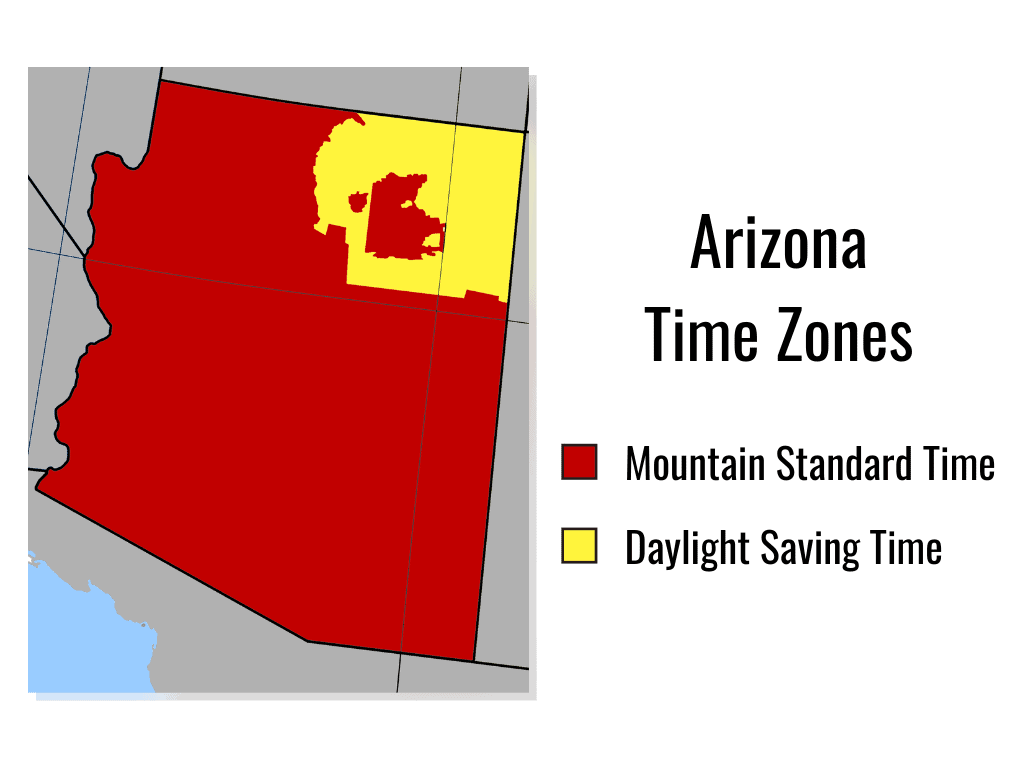
The fundamental answer to “What time is it in Phoenix?” is simple: Phoenix observes Mountain Standard Time (MST) year-round. This means that unlike the majority of states in the United States, Arizona (with the notable exception of the Navajo Nation, which does observe Daylight Saving Time) does not switch to Daylight Saving Time in the spring and fall. This constant time zone simplifies scheduling for many, but it can also be a source of confusion for those unfamiliar with the practice.
Why Arizona Stands Apart: No Daylight Saving Time
Arizona’s decision to opt out of Daylight Saving Time dates back to 1968. The primary rationale behind this choice is rooted in the state’s extreme summer heat. During the summer months, daylight extends well into the evening. If Arizona were to advance its clocks by an hour for Daylight Saving Time, sunset would occur even later, pushing the hottest part of the day further into the evening and increasing demand for air conditioning during peak hours. By sticking to Mountain Standard Time year-round, Arizona effectively keeps the clock “earlier” during the summer, aligning daylight hours more closely with cooler morning temperatures and allowing residents to enjoy outdoor activities before the intense midday heat sets in.
This historical decision has significant implications for how Phoenix operates. Businesses, schools, and government offices maintain consistent operating hours relative to solar time, which many find to be a more natural rhythm, especially in a desert environment where early mornings are prized for activity. The lack of an annual time change avoids the disruption to sleep schedules and the minor economic impacts often associated with springing forward or falling back.

Practical Implications for Travelers and Residents
For travelers, Arizona’s consistent observance of Mountain Standard Time means that the time difference with other regions fluctuates throughout the year.
- During Standard Time (Winter): From roughly November to March, Phoenix is in the same time zone as Mountain Time states like Colorado and Utah, one hour behind Central Standard Time (CST), and two hours behind Eastern Standard Time (EST). It is also one hour ahead of Pacific Standard Time (PST) states like California and Nevada.
- During Daylight Saving Time (Summer): From roughly March to November, when other states spring forward, Phoenix essentially aligns with Pacific Daylight Time (PDT). This means it’s the same time as California and Nevada. It’s still one hour behind Mountain Daylight Time (MDT) states and two hours behind Central Daylight Time (CDT), and three hours behind Eastern Daylight Time (EDT).
This time-shifting relationship requires visitors to be mindful when booking flights, scheduling meetings, or making reservations, especially if crossing state lines or communicating with people in other time zones. Always double-check the local time in Phoenix relative to your departure point or destination. Many online tools and smartphone apps automatically adjust for these differences, but a quick confirmation can prevent missed appointments or early arrivals.
Planning Your Phoenix Getaway: Timing Your Visit for Optimal Experiences
Beyond the simple time on the clock, choosing the right time of year to visit Phoenix can significantly impact your travel experience, dictating everything from weather comfort to event availability and accommodation pricing.
Best Times to Visit Phoenix: Seasons and Events
Phoenix truly shines during its cooler months.
- Fall (October – November): This is arguably the sweet spot. Temperatures mellow out, making outdoor activities incredibly enjoyable. The desert comes alive, and many festivals and events kick off. Hotel rates begin to climb as “snowbirds” and tourists flock to the region.
- Winter (December – February): Mild and sunny days with cool evenings characterize Phoenix winters. This peak season is perfect for hiking, golfing, and exploring. Major events like the Waste Management Phoenix Open at TPC Scottsdale and occasional high-profile events like the Super Bowl or NCAA Men’s Final Four attract huge crowds, driving up accommodation costs significantly.
- Spring (March – April): Similar to fall, spring offers delightful weather before the intense summer heat sets in. Spring training baseball for MLB teams (Cactus League) is a huge draw, bringing a vibrant, festive atmosphere to the entire Valley of the Sun.
- Summer (May – September): While temperatures can soar above 100°F (38°C), summer in Phoenix has its advantages. Hotel rates plummet, offering exceptional value for luxury resorts. Many activities shift indoors or to early morning/late evening hours. It’s a great time for pool lounging, spa treatments, and exploring indoor attractions. For those who can handle the heat, it provides a unique, quieter perspective of the city.
Considering these seasonal variations in conjunction with Arizona’s unchanging Mountain Standard Time helps optimize your itinerary for weather comfort, event participation, and budget.
Navigating Time Differences for Business and Pleasure
For business travelers, understanding the consistent MST can be a strategic advantage. When much of the United States is grappling with Daylight Saving Time shifts, Phoenix remains steadfast. This means during the summer months, Phoenix is three hours behind New York City (EDT), two hours behind Chicago (CDT), one hour behind Denver (MDT), and the same time as Los Angeles (PDT). This alignment with the Pacific Coast can be particularly beneficial for West Coast businesses coordinating with Phoenix operations.
For leisure travelers, coordinating with family or friends in other parts of the world also requires attention to Phoenix’s unique time status. Always use a time zone converter or confirm the local time to avoid confusion, especially when planning virtual meet-ups or check-ins. Embrace the steady pace that comes with no time changes, allowing for more predictable daily routines during your stay.
Exploring Phoenix Beyond the Clock: Top Attractions and Experiences
While the time zone is a practical consideration, the true essence of Phoenix lies in its diverse attractions, offering something for every type of traveler. The city seamlessly blends natural desert beauty with urban sophistication, providing endless opportunities for exploration and enjoyment.
Iconic Landmarks and Natural Wonders
Phoenix is a gateway to the majestic Sonoran Desert, and many of its top attractions celebrate this unique ecosystem.
- Camelback Mountain: A prominent landmark, this iconic mountain offers challenging hiking trails with rewarding panoramic views of the city. It’s a must-do for active travelers, best tackled in the cooler morning hours.
- Desert Botanical Garden: Immerse yourself in the incredible diversity of desert flora at this world-renowned garden. Wander through themed trails showcasing cacti, succulents, and wildflowers, offering stunning photography opportunities and a serene escape.
- South Mountain Park and Preserve: As one of the largest municipal parks in the United States, it offers miles of trails for hiking, biking, and horseback riding, along with scenic lookouts that provide breathtaking vistas of the cityscape and surrounding mountains.
- Heard Museum: Delve into the rich history and vibrant cultures of Native American peoples of the Southwest. The museum features extensive collections of art, artifacts, and interactive exhibits, offering a profound cultural experience.
- Taliesin West: The winter home and architectural school of Frank Lloyd Wright, this UNESCO World Heritage site is a masterpiece of organic architecture, harmoniously integrated into its desert surroundings. Tours provide fascinating insights into Wright’s innovative vision.
- Musical Instrument Museum (MIM): A truly global experience, MIM houses an astounding collection of musical instruments from every country in the world. Visitors can enjoy an immersive journey through the sounds and cultures of different regions, with high-quality audio and visual displays.
Culinary Delights and Vibrant Culture
Phoenix’s culinary scene is a vibrant fusion of regional Southwestern flavors, international cuisine, and innovative farm-to-table concepts. From upscale dining establishments in Scottsdale to casual eateries in Downtown Phoenix and diverse options in neighboring cities like Tempe, Mesa, and Chandler, foodies will find plenty to savor.
- Old Town Scottsdale: This historic district is a hub for dining, art galleries, and boutique shopping, offering a lively atmosphere day and night. Enjoy everything from authentic Mexican cuisine to sophisticated New American dishes.
- Food Tours: Consider taking a guided food tour to sample the best of Phoenix’s culinary landscape, from classic Sonoran hot dogs to gourmet experiences.
- Arts and Culture: Beyond museums, Phoenix boasts a thriving arts scene, with numerous galleries, theaters, and live music venues, especially in Downtown Phoenix and along Mill Avenue in Tempe.
Sports and Recreation
For sports enthusiasts, Phoenix is a major league city.
- Professional Sports: Catch an Arizona Diamondbacks baseball game at Chase Field or cheer on the Arizona Cardinals NFL team at State Farm Stadium in Glendale.
- Golf: Phoenix and Scottsdale are renowned for their world-class golf courses, attracting players of all skill levels. Many resorts offer stunning desert courses.
- Outdoor Adventures: Beyond hiking, enjoy mountain biking, rock climbing, or even hot air balloon rides over the Sonoran Desert for an unforgettable perspective of the landscape.
Accommodation and Lifestyle: Making the Most of Your Phoenix Stay
The choice of accommodation can significantly shape your Phoenix experience, from luxurious resort indulgence to budget-friendly stays, all designed to enhance your travel and lifestyle preferences.
Where to Stay: Hotels, Resorts, and Unique Accommodations
Phoenix and its surrounding communities offer a vast array of accommodation options to suit every taste and budget.
- Luxury Resorts: For an opulent escape, consider properties like the historic Arizona Biltmore, A Waldorf Astoria Resort, an architectural marvel inspired by Frank Lloyd Wright. The Phoenician, A Luxury Collection Resort, Scottsdale, perched on the slopes of Camelback Mountain, offers unparalleled views, golf, and exquisite dining. Other notable mentions include Sanctuary Camelback Mountain, A Gurney’s Resort & Spa, the expansive JW Marriott Phoenix Desert Ridge Resort & Spa, and the charming historic Wigwam Resort in Litchfield Park. These resorts often boast multiple pools, world-class spas, golf courses, and fine dining, making them destinations in themselves.
- Boutique Hotels: For a more intimate and personalized experience, Phoenix and Scottsdale feature a growing number of stylish boutique hotels that blend unique design with local flair.
- Mid-Range and Budget-Friendly Options: Travelers on a budget will find a wide selection of reputable hotel chains throughout the metropolitan area, offering comfortable stays without breaking the bank.
- Vacation Rentals: For longer stays, family trips, or a desire for more privacy and space, vacation rentals like apartments, villas, and homes are widely available, particularly in popular areas like Scottsdale and Tempe. These often come with amenities like full kitchens and private pools, ideal for a “home away from home” experience.
- Long-Term Stays: Phoenix is a popular destination for “snowbirds” and those seeking extended warmth. Many resorts and apartment complexes offer attractive rates for long-term accommodation, perfect for experiencing the Arizona lifestyle for several weeks or months.
When booking, always consider the location relative to your planned activities, the amenities offered (especially air conditioning and pools in summer!), and of course, the pricing which fluctuates significantly with the seasons. Checking reviews and comparison sites can help you find the best value and experience for your particular needs.
Embracing the Phoenix Lifestyle
The Phoenix lifestyle is synonymous with outdoor living, wellness, and a relaxed, sunny disposition.
- Wellness and Spas: Many of the luxury resorts are home to award-winning spas, offering a range of treatments inspired by native traditions and modern wellness practices. A spa day is an excellent way to rejuvenate after a desert hike or to simply indulge in self-care.
- Shopping: From high-end boutiques at Biltmore Fashion Park to the unique shops in Old Town Scottsdale, Phoenix caters to all shopping preferences.
- Outdoor Dining: Take advantage of the pleasant evenings by dining al fresco at one of the city’s many restaurants with patio seating, enjoying the desert air and starlit skies.
- Family-Friendly Activities: Phoenix is a fantastic destination for families, with attractions like the Phoenix Zoo, Children’s Museum of Phoenix, and numerous parks and splash pads.
Whether you’re seeking adventure, relaxation, cultural immersion, or simply a dose of sunshine, Phoenix offers a rich and varied experience. Its unique time zone, while initially a point of interest, quickly becomes a seamless part of the local rhythm, allowing visitors to fully engage with all that this vibrant desert metropolis has to offer.
In conclusion, understanding “What time in Arizona Phoenix?” reveals more than just a simple time on the clock. It unveils a conscious choice to embrace a lifestyle aligned with the natural environment, influencing everything from daily routines to peak travel seasons. By observing Mountain Standard Time year-round, Phoenix provides a consistent and predictable schedule that, once understood, makes planning your visit straightforward and enjoyable. This remarkable city invites you to explore its Sonoran Desert beauty, indulge in world-class amenities, immerse yourself in its rich culture, and live life out of the box, all while operating on its own unique time.
LifeOutOfTheBox is a participant in the Amazon Services LLC Associates Program, an affiliate advertising program designed to provide a means for sites to earn advertising fees by advertising and linking to Amazon.com. Amazon, the Amazon logo, AmazonSupply, and the AmazonSupply logo are trademarks of Amazon.com, Inc. or its affiliates. As an Amazon Associate we earn affiliate commissions from qualifying purchases.