
The Mississippi River is more than just a waterway; it’s an icon, a historical artery, and a natural marvel that has shaped the geography, culture, and economy of the United States. From its humble beginnings to its expansive delta, this majestic river tells a story of exploration, settlement, and breathtaking natural beauty. For any traveler, embarking on a journey to discover its source is not just a trip, but an immersion into one of America’s most significant natural landmarks. Often referred to affectionately as “Old Man River,” its sheer length and power are legendary, but the true wonder lies in its surprisingly modest origin. Many envision a dramatic gush from a mountain spring or a grand waterfall, but the reality is far more serene and accessible, offering a unique travel experience for adventurers of all ages.

The quest to definitively locate the source of the Mississippi River was a protracted one, spanning centuries and involving numerous explorers. Early maps and accounts were often speculative, placing the headwaters in various lakes and swamps across what is now Minnesota. It wasn’t until the 19th century that the mystery was finally solved, paving the way for future generations to visit and appreciate this pivotal geographical point. For travelers seeking authentic experiences and a deeper connection with nature, visiting the origin of such a monumental river offers a profound sense of accomplishment and wonder. It’s a destination that perfectly blends natural attraction with historical significance, embodying the spirit of discovery that is so central to great travel. This guide aims to take you on that journey, revealing not only where the Mississippi River begins, but also the rich travel, tourism, and accommodation experiences awaiting you at its serene birthplace.

Tracing the Majestic Mississippi to its Source
For a river that stretches over 2,300 miles, winding its way through ten states before emptying into the Gulf of Mexico, its beginning is remarkably unassuming. While the confluence of the Missouri River with the Mississippi near St. Louis makes the Missouri River the hydrological source of the entire Mississippi-Missouri River system (which technically begins in Montana near Mount Jefferson), the traditional and most widely recognized source of the Mississippi River itself is found in a tranquil northern Minnesota lake. This distinction is crucial for travelers, as it directs them to a truly iconic landmark where the river’s first trickles can be observed.
The journey to identify the Mississippi’s headwaters was a saga of endurance and exploration. Native Ojibwe people had long known and revered this special place, calling it “Omashkoozo-zaaga’igan,” or “Elk Lake.” However, it was Henry Schoolcraft, an American geographer and ethnologist, who, guided by his Ojibwe interpreter, Ozaawindib, officially identified and named Lake Itasca as the definitive source in 1832. Schoolcraft ingeniously combined parts of the Latin words veritas (truth) and caput (head), creating “Itasca” to signify the “true head” of the river. This act of naming cemented Lake Itasca in history and on maps as the undisputed origin point, turning a geographical mystery into a cherished landmark.
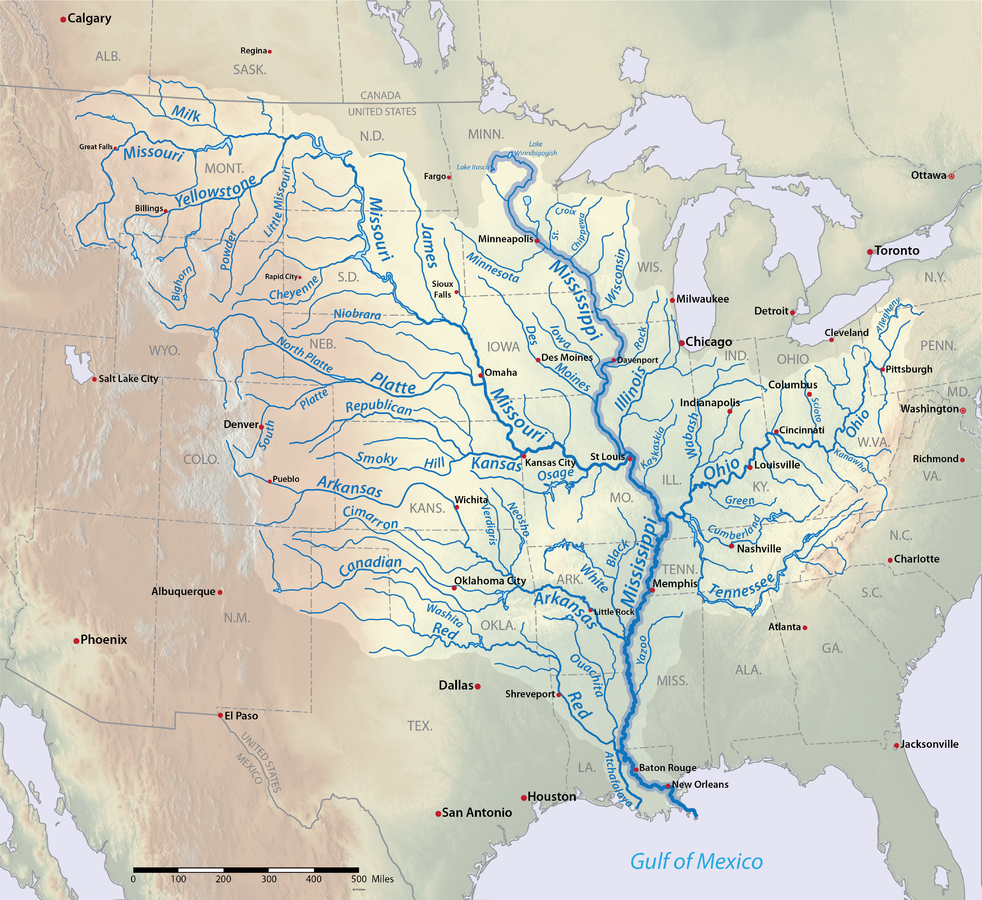
Visiting this site offers a profound experience, connecting travelers directly to the historical endeavors of explorers and the natural wonders of the continent. It’s a place where you can literally stand at the genesis of one of the world’s greatest rivers, a moment that transcends typical sightseeing. For those who appreciate history, geography, and natural beauty, the journey to Lake Itasca is a pilgrimage, an opportunity to witness firsthand where the mighty Mississippi embarks on its epic journey. It encapsulates the very essence of destination travel, offering not just a location, but a story and an unforgettable personal experience.
Lake Itasca: The True Headwaters
Nestled within the serene wilderness of Itasca State Park, Lake Itasca is the official and celebrated beginning of the Mississippi River. Far from a roaring torrent, the river’s initial outflow from the lake is a gentle, shallow stream, easily crossable by foot. This picturesque setting, surrounded by ancient pines and pristine forests, offers a unique opportunity for travelers to truly connect with nature and witness a geographical marvel.
A Jewel in Northern Minnesota
Lake Itasca itself is a relatively small, glacially formed lake, covering about 1.8 square miles. Located in Clearwater County, Minnesota, it lies within the larger Itasca State Park, a protected area established in 1891, making it Minnesota’s oldest state park. The park’s creation was a visionary move, aimed at preserving the primeval pine forest and the headwaters of the Mississippi for future generations. This commitment to conservation ensures that the natural beauty and ecological integrity of the source remain intact, offering an unspoiled experience for visitors.
The lake is fed by several small streams and springs, creating a balanced ecosystem that supports a variety of wildlife. The waters of Lake Itasca are remarkably clear, reflecting the towering trees and blue skies, creating a tranquil atmosphere that belies the immense journey its waters are about to undertake. The identification of Lake Itasca by Henry Schoolcraft in 1832 was a landmark moment in American exploration. His careful mapping and documentation, guided by local knowledge, brought definitive closure to centuries of speculation. Today, the area is meticulously maintained, offering excellent facilities for tourism while preserving its wild essence. For those interested in landmarks and their historical context, understanding Schoolcraft’s contribution adds another layer of appreciation to a visit.
Experiencing the Mississippi’s Humble Start
The iconic experience at Lake Itasca is undoubtedly the opportunity to walk across the headwaters of the Mississippi River. At the lake’s northern end, where the river officially begins its southward flow, a series of stepping stones and a rustic log dam allow visitors to literally step from one bank to the other. This unique attraction is a rite of passage for many travelers and a photo opportunity unlike any other. Imagine standing with one foot on each side of the river, at its very genesis, before it embarks on its monumental journey to the sea. It’s a moment that combines playful adventure with a profound sense of scale and natural wonder.
Adjacent to the headwaters, the Mary Gibbs Mississippi Headwaters Center provides valuable interpretive exhibits, a gift shop, and restrooms, making the experience comfortable and informative. Here, you can learn more about the river’s ecosystem, its historical significance, and the conservation efforts undertaken by organizations like the Mississippi Headwaters Foundation. A prominent rock cairn marks the official spot, adorned with plaques commemorating its discovery and designation. This area is a focal point for tourism within the park, attracting visitors from all corners of the globe eager to witness this pivotal landmark. The collective experience of walking across the nascent river, reflecting on its incredible journey, and absorbing the serene natural surroundings makes Lake Itasca a truly unforgettable destination. It’s an accessible attraction that caters to family trips, solo adventurers, and anyone with a love for the great outdoors and unique geographical points of interest.
Exploring Itasca State Park: Beyond the Headwaters
While the headwaters of the Mississippi River are undeniably the main draw, Itasca State Park offers a wealth of other attractions and experiences that make it a compelling destination for a multi-day visit. Spanning over 32,000 acres, the park is a pristine wilderness boasting ancient forests, diverse wildlife, and numerous recreational opportunities that cater to a wide range of interests, from active outdoor pursuits to quiet contemplation.
Nature and Outdoor Adventures
For nature lovers and outdoor enthusiasts, Itasca State Park is a paradise. The park is home to over 100 lakes, including Lake Itasca itself, and features a rich tapestry of ecosystems.
- Hiking and Biking: Over 30 miles of hiking trails wind through old-growth pine forests, alongside pristine lakes, and through vibrant wetlands. Popular trails include the Ozawindib Trail, offering scenic views and a chance to spot local wildlife, and the Schoolcraft Trail, which provides insights into the park’s logging history. For cyclists, the paved Wilderness Drive, a 10-mile loop, offers a fantastic way to explore the park’s interior, providing access to various overlooks and points of interest, including the Headwaters area. Bike rentals are available at the park, making it easy for visitors to enjoy this activity.
- Boating, Fishing, and Kayaking: The myriad of lakes and the nascent Mississippi River offer ample opportunities for water-based activities. Lake Itasca itself is excellent for kayaking and canoeing, allowing paddlers to explore its quiet bays and even venture onto the very first stretches of the river. Fishing is popular, with lakes teeming with walleye, northern pike, and bass. Boat rentals, including pontoons, kayaks, and canoes, are available seasonally, often through the Douglas Lodge area or the Jacob V. Brower Visitor Center.
- Wildlife Viewing: The park is a sanctuary for a diverse array of wildlife. Visitors frequently spot white-tailed deer, black bears, timber wolves, and various small mammals. Birdwatchers will be delighted by the presence of bald eagles, ospreys, and the iconic loons, whose haunting calls are synonymous with the Minnesota wilderness. Designated wildlife viewing areas and observation decks enhance the chances of encountering these magnificent creatures in their natural habitat.
- Scenic Drives and Overlooks: Beyond the Wilderness Drive, the park offers several scenic overlooks that provide panoramic views of the forests and lakes. The historic Aiton Heights Fire Tower, while a bit of a climb, rewards visitors with breathtaking 360-degree vistas of the park’s ancient canopy and sparkling waters. This perspective truly showcases the vastness and untouched beauty of this protected landmark.
Historical and Cultural Insights
Itasca State Park is not only a natural wonder but also a site rich in history and cultural significance, offering a deeper understanding of the region’s past.
- Douglas Lodge: A historic landmark within the park, Douglas Lodge dates back to 1905 and is a magnificent example of rustic park architecture. It offers comfortable accommodation and a full-service restaurant, the Douglas Lodge Restaurant, serving delicious regional cuisine. Staying here allows guests to immerse themselves in the park’s history while enjoying modern amenities. The lodge also serves as a central hub for many park activities and boasts a charming gift shop.
- Jacob V. Brower Visitor Center: This modern visitor center is an essential stop for any guest. It provides comprehensive interpretive exhibits about the park’s geology, ecology, and history, including detailed displays on the Mississippi River and its headwaters. Park rangers are on hand to offer guidance, maps, and information on current activities and events. It’s an excellent resource for planning your park exploration and understanding the significance of the area.
- Native Ojibwe History: The area around Lake Itasca has been home to the Ojibwe people for centuries. Visitors can learn about their deep connection to the land, their traditional way of life, and their role in guiding early European explorers like Henry Schoolcraft to the headwaters. Interpretive programs and exhibits often touch upon this rich cultural heritage, providing a vital perspective on the region.
- Logging History and Conservation: Itasca State Park itself was established to protect the ancient pine forests from rampant logging in the late 19th century. Remnants of logging camps and historical markers can be found throughout the park, narrating the story of Minnesota’s timber industry and the pivotal role of conservationists like Jacob V. Brower in preserving this natural treasure.
- University of Minnesota Biological Station: Located within the park, this research station contributes significantly to ecological studies and understanding of the northern forest ecosystem. While primarily a research facility, its presence underscores the park’s importance as a living laboratory for scientific discovery.
Exploring beyond the immediate headwaters site reveals Itasca State Park as a comprehensive travel destination, offering a blend of natural beauty, adventurous activities, and educational experiences. It’s a perfect spot for family trips, solo exploration, or an immersive nature retreat.
Planning Your Trip to the Mississippi Headwaters
Visiting the headwaters of the Mississippi River is an unforgettable experience, but a well-planned trip can significantly enhance your enjoyment. From choosing the best time to visit to finding the perfect accommodation, thoughtful preparation ensures a smooth and memorable adventure to this iconic Minnesota landmark.
Getting There and Around
Itasca State Park is located in a somewhat remote part of northern Minnesota, making personal transportation highly recommended.
- Closest Major Cities: The park is roughly a 3.5-hour drive northwest of Minneapolis and St. Paul, Minnesota’s Twin Cities. Smaller regional airports are available in nearby cities like Bemidji (about 45 minutes northeast) or Fargo, North Dakota (about 1.5 hours west). Renting a car from these locations is the most practical option for reaching the park and exploring the surrounding area.
- Driving Directions: The park is accessible via well-maintained state highways. Major routes like US-71 or MN-200 lead directly to the park entrances. For a more scenic journey, consider parts of the Great River Road, a national scenic byway that follows the entire length of the Mississippi River, offering unique stops and viewpoints along the way.
- Best Time to Visit: Each season offers a different charm.
- Summer (June-August): This is the most popular time, with warm weather perfect for outdoor activities like hiking, biking, and boating. All park facilities and services are fully operational. Be prepared for crowds, especially on weekends, and book accommodation well in advance.
- Fall (September-October): A stunning time to visit as the forests transform into a vibrant palette of reds, oranges, and golds. Cooler temperatures are ideal for hiking. Crowds thin out, offering a more peaceful experience. Some services may begin to scale back towards late October.
- Spring (April-May): Witness the awakening of nature with blossoming wildflowers and migratory birds returning. The weather can be unpredictable, but it’s a quiet time to visit before the summer rush. Some trails might be muddy, and water levels at the headwaters are often higher.
- Winter (November-March): For those seeking a truly tranquil and picturesque experience, winter offers snow-covered landscapes, cross-country skiing, and snowshoeing opportunities. Many facilities close or operate on reduced hours, but the park’s serene beauty under a blanket of snow is unparalleled for a different kind of travel adventure.
Accommodation and Amenities
Finding suitable accommodation is crucial for an enjoyable stay. Itasca State Park and its surrounding towns offer a range of options to suit various budgets and preferences.
- In-Park Lodging:
- Douglas Lodge: As mentioned, this historic lodge offers comfortable rooms, cabins, and multi-bedroom suites, blending rustic charm with modern amenities. It’s an ideal choice for those seeking to immerse themselves fully in the park experience, offering convenient access to attractions and dining at the Douglas Lodge Restaurant. Reviews consistently highlight its unique ambiance and prime location.
- Camping: The park features several well-maintained campgrounds, including Pine Ridge, Mississippi Headwaters, and Bear Paw campgrounds, offering sites for tents, RVs, and even some camper cabins. Camping is a popular and budget-friendly option, providing a direct connection with nature. Reservations are highly recommended, especially during peak season.
- Nearby Hotels and Resorts:
- Park Rapids: Located about 20 minutes south of the park, Park Rapids offers a greater selection of hotels, motels, and resorts, including family-friendly options and more luxurious lakeside resorts. This town is also home to various shops, grocery stores, and restaurants.
- Bemidji: Approximately 45 minutes north, Bemidji offers a larger selection of chain hotels, dining establishments, and services. It’s also home to the famous Paul Bunyan and Babe the Blue Ox statues, making it an attraction in its own right.
- Vacation Rentals: Throughout Hubbard County and Clearwater County, numerous cabins, lakeside homes, and vacation rentals are available for booking, perfect for long-term stays or family trips seeking a more private and self-catering accommodation option. Websites specializing in vacation rentals provide extensive comparisons and reviews.
- Dining Options: Beyond the Douglas Lodge Restaurant and the seasonal Headwaters Cafe at the Mary Gibbs Mississippi Headwaters Center, picnic areas with tables and grills are scattered throughout the park, ideal for self-catered meals. The nearby towns of Park Rapids and Bemidji offer a wider array of restaurants, from casual diners to more upscale eateries.
Crafting Your Itinerary: Lifestyle and Experiences
Tailoring your visit to your travel style ensures the best experience at the Mississippi River headwaters.
- Family-Friendly Activities: The headwaters crossing is a huge hit with children. Additionally, the park offers ranger-led programs, junior ranger activities, swimming beaches on Lake Itasca, and easy hiking trails. The interactive exhibits at the Jacob V. Brower Visitor Center are engaging for all ages.
- Budget Travel: Camping is the most economical accommodation. Packing your own food and enjoying the free activities like hiking and the headwaters walk keeps costs down.
- Luxury Travel: For a more luxurious experience, book a cabin at Douglas Lodge or a high-end resort in Park Rapids or Bemidji. Indulge in boat tours, guided fishing trips, and fine dining.
- Photography Tips: The changing seasons offer incredible photographic opportunities. Early mornings and late afternoons provide soft light. Capture the mist rising from the lake, the vibrant fall foliage, or the serene snowscapes. Don’t forget to get that iconic shot of walking across the headwaters!
- Combining with Other Minnesota Attractions: Extend your trip to explore other natural wonders like Lake Bemidji State Park, the bustling cities of Minneapolis and St. Paul, or the scenic North Shore of Lake Superior. The headwaters area serves as an excellent starting point for a broader Minnesota adventure.
A trip to the Mississippi River headwaters is more than just a visit to a landmark; it’s an opportunity to create lasting memories, connect with nature, and explore a significant piece of American geography and history. Whether you’re a history buff, an outdoor enthusiast, or a family seeking a unique travel experience, Itasca State Park offers an enriching journey for every kind of traveler.
Embarking on a journey to the origin of the Mississippi River is a truly profound travel experience. It offers a rare opportunity to witness the humble beginnings of a waterway that expands into one of the world’s greatest rivers, a symbol of natural power and historical significance. At Lake Itasca, within the breathtaking Itasca State Park, you don’t just observe a landmark; you become part of its story, stepping across its nascent waters and connecting with the spirit of exploration. From the tranquil beauty of the ancient pine forests to the rich tapestry of outdoor activities and historical insights, this destination offers something for every traveler. We encourage you to plan your visit, immerse yourself in the natural grandeur of northern Minnesota, and discover for yourself the magic of where the mighty Mississippi River truly begins. It’s a journey that promises not just a destination, but a memory to cherish for a lifetime.
LifeOutOfTheBox is a participant in the Amazon Services LLC Associates Program, an affiliate advertising program designed to provide a means for sites to earn advertising fees by advertising and linking to Amazon.com. Amazon, the Amazon logo, AmazonSupply, and the AmazonSupply logo are trademarks of Amazon.com, Inc. or its affiliates. As an Amazon Associate we earn affiliate commissions from qualifying purchases.