
Planning a trip to the Lone Star State is an exciting prospect, filled with visions of vibrant Austin music scenes, the historic Alamo in San Antonio, the bustling metropolises of Houston and Dallas, and the serene beaches of Galveston. From exploring world-class museums to indulging in legendary barbecue, Texas offers an unparalleled array of experiences for every type of traveler. However, as with any travel adventure, it’s wise to consider the practicalities that impact your budget, and one of the most significant is understanding the state’s sales tax.
While often overlooked in the initial excitement of itinerary planning, understanding the nuances of Texas sales tax is crucial for both domestic and international visitors. It’s not just about the price tag you see on a souvenir; it impacts everything from your accommodation costs and dining experiences to admission fees for attractions and any shopping sprees you might embark on. This comprehensive guide will break down the intricacies of Texas sales tax, helping you budget effectively and enjoy a stress-free journey through this diverse and captivating state. We’ll explore the base rate, local variations, what goods and services are typically taxed, and highlight key exemptions and potential savings opportunities, ensuring your financial planning is as smooth as your travel plans.
Unpacking the Base Rate and Local Nuances
Understanding the core components of Texas’ sales tax system is the first step toward managing your travel budget effectively. It’s not a single, flat rate across the entire state, but rather a combination of state and local levies that can vary significantly depending on where you are.
The Statewide Standard
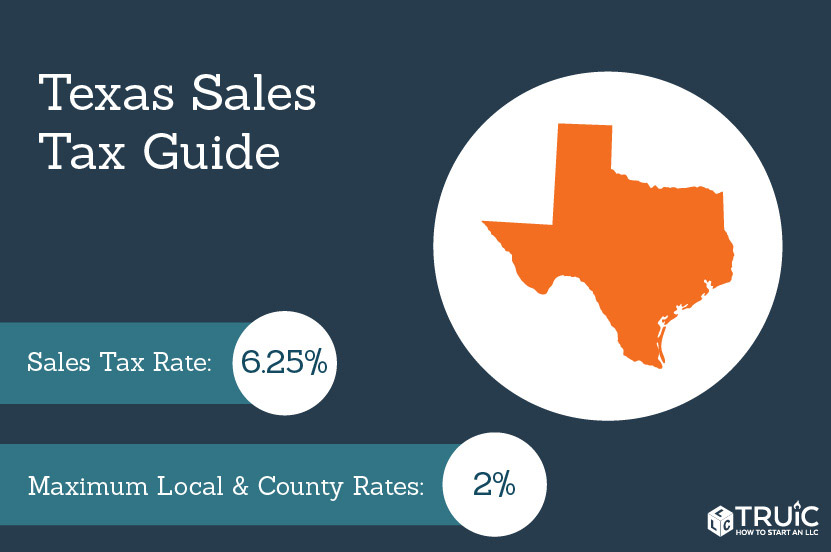
At its foundation, the State of Texas imposes a sales and use tax of 6.25%. This statewide rate applies uniformly across all jurisdictions in Texas where a sales tax is collected. This figure is relatively standard compared to other states across the United States, particularly for a state that does not levy a personal income tax. The revenue generated from this sales tax is vital for funding various public services, including education, infrastructure development, and healthcare initiatives across the state. For travelers, this 6.25% is the baseline you can expect to pay on most taxable goods and services you purchase during your visit. However, this is only part of the equation, as local jurisdictions also have the authority to add their own sales taxes.
Local Tax Layers: A Patchwork Across Texas
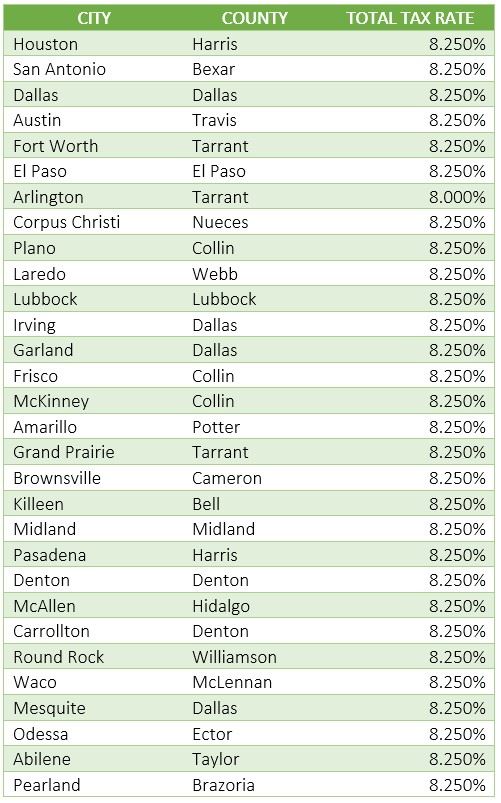
Beyond the statewide 6.25%, cities, counties, and various special purpose districts (SPDs) in Texas have the authority to impose their own local sales and use taxes. These local taxes can add up to an additional 2% to the state rate, bringing the maximum combined sales tax rate in many areas to 8.25%. This patchwork of local taxes means that the total sales tax you pay can differ significantly from one city or even one neighborhood to another.
For instance, if you’re exploring the vibrant arts scene in Austin or enjoying a historical tour in San Antonio, you’ll likely encounter the maximum combined rate. The same applies to major metropolitan areas like Dallas and Houston, where city taxes and potentially other local district taxes often push the total to 8.25%. Smaller towns or unincorporated areas of counties might have lower total rates, depending on whether their local government has levied the full 2% allowed.
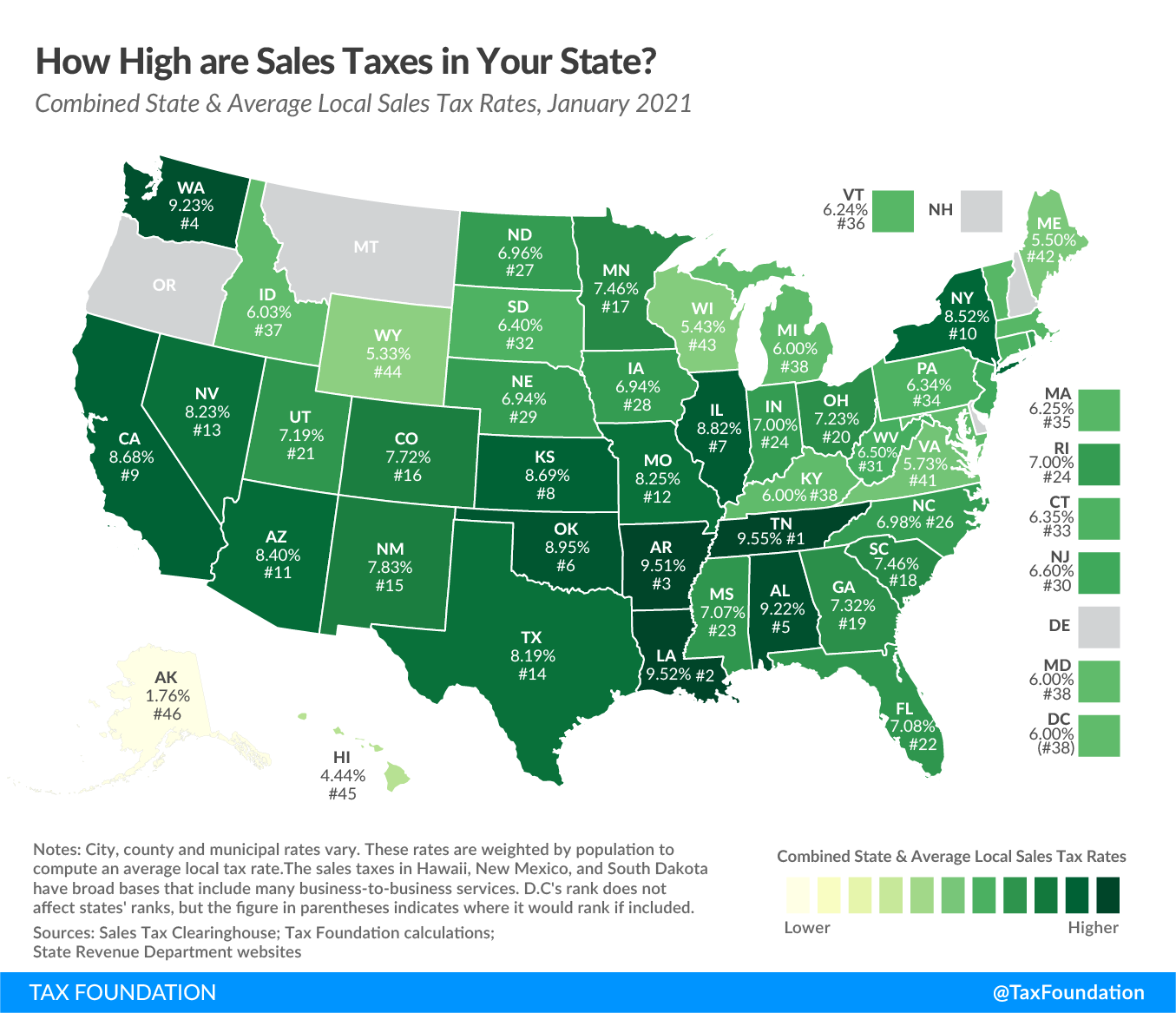
This variation underscores the importance of being aware of your specific destination’s tax rate. A souvenir purchased in downtown Dallas might incur a higher total sales tax than a similar item bought in a smaller, outlying town. While the difference per item might seem minor, it can add up considerably over a longer trip, especially if you plan on significant shopping or dining out. Many online resources and even local city government websites provide up-to-date information on the specific sales tax rates for their areas. Factoring this into your budget helps prevent any unexpected surprises when you reach the checkout.
Sales Tax and Your Texas Travel Budget
For travelers, understanding how Texas sales tax applies to key aspects of their trip – particularly accommodation, dining, shopping, and attractions – is paramount for effective budget management. These are the categories where sales tax will most frequently impact your wallet.
Accommodation and Lodging Taxes
When booking your stay in Texas, it’s crucial to differentiate between general sales tax and the Hotel Occupancy Tax (HOT). While not a “sales tax” in the traditional sense, HOT is a significant levy on accommodation that directly impacts your lodging expenses and is often confused with sales tax.
The State of Texas imposes a 6% state Hotel Occupancy Tax on the cost of a room, suite, or other living quarters in a hotel, motel, bed and breakfast, or other lodging establishment. In addition to this state HOT, cities and counties also have the authority to levy their own local HOT. City HOT rates can go as high as 9%, and county rates up to 2%, meaning the combined HOT rate can often reach 15% or more in many popular tourist destinations. For example, a stay at a Dallas hotel will likely incur a combined state and local HOT rate, which significantly increases the total cost of your booking. Similarly, a Galveston resort will apply both state and local HOT to your stay.
Unlike general sales tax, the revenue from Hotel Occupancy Tax is specifically earmarked. State HOT revenues primarily support state tourism promotion and convention centers, while local HOT funds are used for local tourism promotion, operating convention centers, historical preservation, and arts projects. This means that by paying HOT, you’re directly contributing to the infrastructure and promotion that makes Texas an appealing travel destination.
When searching for hotels, resorts, or apartments on platforms like Life Out of the Box, always look for the “taxes and fees” breakdown before confirming your booking. The advertised nightly rate often excludes these significant HOT charges, so factoring them in early prevents unpleasant surprises at check-out. A simple calculation: for a $150 per night room, an additional 15% HOT means an extra $22.50 per night, totaling $172.50 before any other service charges. Over a multi-night stay, this can quickly add up.
Dining, Shopping, and Attractions
Beyond accommodation, the general state and local sales tax rates will apply to the vast majority of your day-to-day expenditures as a traveler in Texas.
-
Dining: When you dine out at any restaurant, café, food truck, or bar in Texas, the sales tax (up to 8.25%) will be applied to your entire bill. This includes prepared foods, beverages (alcoholic and non-alcoholic), and any other items consumed on the premises or ordered to-go. Whether you’re savoring authentic Tex-Mex, enjoying a gourmet meal, or just grabbing a coffee, remember to factor in the sales tax on top of the menu prices.
-
Shopping: For many travelers, shopping is a key part of the experience, whether it’s for unique local crafts, fashion, or souvenirs. Most tangible personal property purchased in Texas is subject to sales tax. This includes clothing (with some specific exemptions like children’s clothing), electronics, books, jewelry, and gifts. Exploring the high-end boutiques at Galleria Dallas, picking up quirky finds on South Congress Avenue in Austin, or browsing shops in the Historic Strand District in Galveston will all come with sales tax applied to your purchases.
-
Attractions and Experiences: Admission fees for various tourist attractions and entertainment venues are typically subject to sales tax. This includes tickets to theme parks like Six Flags Over Texas, museums such as the Houston Museum of Natural Science, zoos, aquariums, concerts, theatrical performances, and sporting events at iconic venues like AT&T Stadium. If you’re planning a full itinerary of activities, remember to factor in the sales tax on each ticket purchase. While many services are not taxed in Texas, services directly related to entertainment or involving the sale of a tangible product (e.g., getting a haircut where you also buy a styling product) might incur sales tax. Always clarify if unsure.
Exemptions and Savings for Smart Travelers
While sales tax is a broad levy in Texas, there are notable exemptions that can help smart travelers save money. Knowing what’s not taxed, and understanding specific programs for international visitors, can make a difference in your overall travel expenditures.
What’s Not Taxed? Key Exemptions
Not everything you buy in Texas is subject to sales tax. The most significant exemption for travelers revolves around food:
-
Groceries (Unprepared Food Items): This is perhaps the most impactful exemption for budget-conscious travelers. Most unprepared food items purchased at grocery stores, supermarkets, and convenience stores for home consumption are exempt from Texas sales tax. This includes fruits, vegetables, meat, dairy products, bread, packaged snacks, and non-alcoholic beverages intended to be prepared or consumed later. If you’re staying in an apartment or a hotel suite with a kitchenette, buying groceries and preparing some of your meals can lead to substantial savings compared to dining out for every meal, which is subject to sales tax.
- Important Distinction: Prepared food items (e.g., hot deli sandwiches, rotisserie chickens, salad bar items, fountain drinks, bakery items sold by the slice, or anything consumed on the premises of a grocery store’s dining area) are generally taxable, even if purchased from a grocery store. The key is whether the food is prepared for immediate consumption.
-
Prescription Drugs and Medical Supplies: Medications prescribed by a licensed practitioner and many medical supplies are exempt from sales tax. This is a vital exemption for residents and visitors alike, ensuring essential healthcare items are more accessible.
-
Certain Services: While services that result in a tangible product (like a car repair with parts) or entertainment services (like admission to a theme park) are often taxed, many professional services are not. Examples include legal services, medical consultations (excluding medical products), accounting services, and certain advertising services. For the average traveler, this is less directly impactful but good to know.
-
Children’s Clothing: Generally, clothing and footwear designed for children up to a certain age or size may be exempt. However, the specifics can vary, and it’s best to check with the retailer or the Texas Comptroller of Public Accounts if you have specific questions.
Tax-Free Shopping for International Visitors
One of the most attractive savings opportunities for eligible international visitors to Texas is the Texas TaxFree Shopping program. This program allows international tourists to get a refund of the Texas sales tax paid on eligible purchases.
Here’s how it generally works:
- Eligibility: You must be a foreign visitor (non-U.S. resident) with a valid foreign passport and U.S. visa or ESTA (if required). You must also plan to depart the United States within 30 days of your purchase and take the merchandise with you out of the country.
- Qualifying Purchases: The purchases must be from a participating retailer (look for “TaxFree Shopping” signs) and meet a minimum value per store (often $12 or $15, but check current requirements). The items must be eligible for sales tax refund (typically tangible goods, not services or consumed items like restaurant meals).
- Process:
- When making a purchase, ask the retailer for a Texas TaxFree Shopping form. You’ll need to show your passport and visa (or ESTA information).
- Keep all your original receipts and the sales tax refund form.
- Before you depart from the United States, visit one of the designated refund centers in Texas, often located at major international airports like DFW Airport in Dallas or George Bush Intercontinental Airport in Houston, as well as some shopping malls.
- At the refund center, you’ll present your passport, visa/ESTA, airline ticket/departure information, all receipts, and the purchased merchandise (for inspection to verify you’re taking it out of the country). A small processing fee is usually deducted from the refund amount.
This program can offer significant savings, especially for travelers planning to make larger purchases. It’s a fantastic way for international visitors to stretch their budget further while enjoying the diverse shopping opportunities Texas has to offer. Always check the official Texas TaxFree Shopping website for the most current eligibility requirements, participating retailers, and refund center locations before your trip.
Practical Tips for Managing Sales Tax on Your Texas Trip
Navigating sales tax doesn’t have to be complicated. With a few proactive steps, you can confidently manage your budget and avoid any financial surprises during your Texas adventures.
Budgeting and Planning Ahead
The most effective way to manage sales tax is to incorporate it into your budget from the outset.
- Assume the Maximum: When estimating costs for dining, shopping, and attraction tickets, it’s a good practice to assume the maximum combined sales tax rate of 8.25% for most of your purchases. Even if you’re in an area with a slightly lower rate, this cushion ensures you won’t fall short.
- Factor in Hotel Occupancy Tax (HOT): For accommodation, remember the combined state and local HOT can easily reach 15% or more. Always check the total price, including all taxes and fees, before confirming your booking for hotels, resorts, or apartments.
- Utilize Online Resources: Many travel planning websites and even official city tourism sites offer tools or information to help you understand local tax rates. A quick search for “sales tax rate in Austin” or “hotel tax San Antonio” can provide specific figures for your destinations.
- Self-Catering for Savings: As most unprepared groceries are exempt from sales tax, consider staying in accommodations with kitchenettes. Preparing some of your own meals can significantly reduce your dining expenses, which are otherwise subject to the full sales tax. This is particularly useful for longer stays or family trips.
Keeping Track of Receipts
While it might seem tedious, retaining your receipts can be beneficial for several reasons:
- Monitoring Spending: Receipts provide a clear record of your expenditures, helping you stay within your budget and track where your money is going.
- Tax-Free Shopping Documentation: For international visitors participating in the Texas TaxFree Shopping program, original receipts are absolutely essential for processing your tax refund. Without them, you cannot claim your refund. Organize these carefully throughout your trip.
- Returns or Exchanges: Should you need to return an item, having the receipt ensures a smooth process, and the refund will typically include the sales tax you paid.
Understanding the “All-Inclusive” Factor
When booking tour packages or stays at certain resorts, especially those marketed as “all-inclusive,” it’s vital to clarify what exactly is included in the advertised price.
- Check the Fine Print: Some “all-inclusive” packages genuinely incorporate all applicable taxes (including sales tax on goods/services and HOT on lodging) into the upfront price. However, others might only cover certain services or meals, leaving taxes as an extra charge.
- Ask Direct Questions: If the booking details aren’t crystal clear, don’t hesitate to contact the provider directly and ask: “Are all state and local sales taxes, including Hotel Occupancy Tax, included in this price, or will they be added at checkout?” Getting this clarification beforehand can prevent any last-minute financial surprises when settling your bill. This applies not only to large resorts but also to smaller boutique hotels or luxury villas where specific pricing structures might be in place.
By adopting these practical strategies, you can confidently navigate the sales tax landscape in Texas, ensuring that your travel budget remains on track and allowing you to fully immerse yourself in the rich culture and diverse attractions that the Lone Star State has to offer.
Conclusion
Embarking on a journey through Texas promises an unforgettable experience, whether you’re drawn to its sprawling ranches, vibrant cityscapes, or Gulf Coast beaches. While the allure of its unique attractions is undeniable, a practical understanding of the state’s sales tax system is a small yet significant detail that can greatly enhance your travel planning and overall experience.
As we’ve explored, Texas sales tax is a layered system, starting with a statewide rate of 6.25% and potentially increasing up to a combined 8.25% with local levies. Furthermore, the specialized Hotel Occupancy Tax can add a substantial 15% or more to your accommodation costs. These taxes impact nearly every aspect of a traveler’s expenditure, from the food you eat and the souvenirs you buy to the entrance fees for world-class landmarks and entertainment venues.
However, being informed is your best tool for managing these costs. By understanding the distinction between sales tax and Hotel Occupancy Tax, knowing which items are exempt (like most groceries), and leveraging programs such as Texas TaxFree Shopping for international visitors, you can make smarter financial decisions. Budgeting ahead, checking local rates, and clarifying “all-inclusive” prices are simple steps that empower you to maintain control over your spending.
Ultimately, a well-informed traveler is a happy traveler. By dedicating a little time to understanding Texas sales tax, you can avoid unexpected expenses and instead focus your energy on soaking in the rich culture, diverse landscapes, and warm hospitality that make Texas truly unique. So, go forth and explore, knowing that your budget is as carefully planned as your itinerary, leaving you free to enjoy every moment of your magnificent Texas adventures with Life Out of the Box.
LifeOutOfTheBox is a participant in the Amazon Services LLC Associates Program, an affiliate advertising program designed to provide a means for sites to earn advertising fees by advertising and linking to Amazon.com. Amazon, the Amazon logo, AmazonSupply, and the AmazonSupply logo are trademarks of Amazon.com, Inc. or its affiliates. As an Amazon Associate we earn affiliate commissions from qualifying purchases.