
Navigating the vibrant urban landscape of Chicago, one of the United States’ most iconic cities, offers an unparalleled blend of cultural experiences, breathtaking landmarks, and diverse neighborhoods. Whether you’re a long-term resident, a new arrival making Chicago your home, or a visitor planning an extended stay with your vehicle, understanding the city’s specific regulations is crucial for a smooth and enjoyable lifestyle. One such essential requirement for vehicle owners is the Chicago City Vehicle Sticker. This isn’t just a simple decal; it’s a mandatory permit that signifies your vehicle’s compliance with municipal regulations, contributing to the upkeep of the very infrastructure that makes traversing this magnificent city possible. For those accustomed to the transient nature of travel, where vehicles might be rented or only briefly used, the concept of a city sticker can be new. However, for anyone whose vehicle is based in Chicago for more than 30 days, acquiring this sticker is non-negotiable. It’s a key component of responsible vehicle ownership within the city limits, ensuring that residents contribute to vital public services, from road maintenance to sanitation. Ignoring this requirement can lead to frustrating penalties, disrupting what should be an otherwise seamless experience of city living and exploration. This guide will walk you through everything you need to know about purchasing a Chicago City Vehicle Sticker, ensuring your time in the Windy City remains focused on its many attractions, rather than administrative headaches.
Understanding the Chicago City Vehicle Sticker
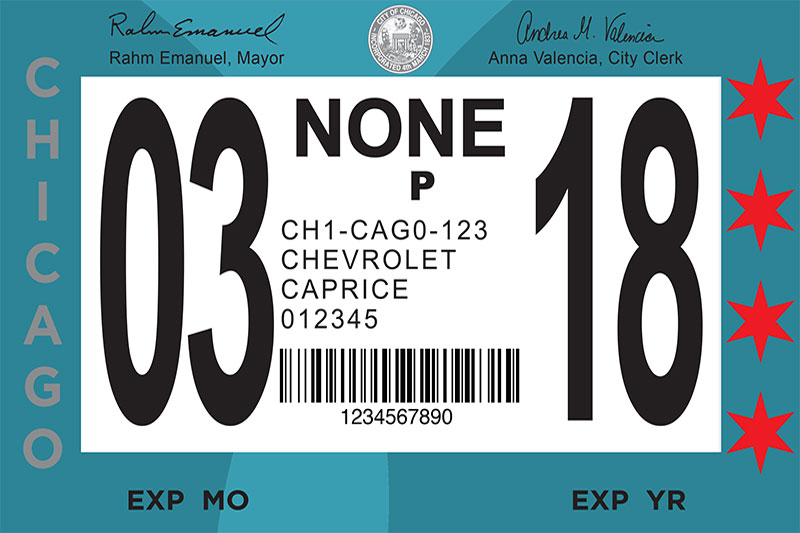
Before diving into the “where” and “how” of purchasing a city sticker, it’s vital to grasp its fundamental purpose and scope. This little decal represents more than just a bureaucratic formality; it’s an integral part of Chicago’s urban management and a testament to its commitment to maintaining high-quality public services.
What is the City Sticker and Why Do I Need It?
The Chicago City Vehicle Sticker is an annual fee levied on vehicles registered to or primarily garaged within the city limits. This fee acts as a direct contribution to Chicago’s general operating fund, which in turn supports a myriad of essential public services. Think of it as your vehicle’s fair share in maintaining the city’s robust infrastructure. The funds generated are critical for services such as street cleaning, pothole repair, snow removal, traffic management, and supporting the Chicago Police Department’s efforts to ensure safe roads.
The legal requirement states that any vehicle garaged or parked in Chicago for at least 30 days within a 365-day period must display a valid city sticker. This applies to all types of vehicles: passenger cars, trucks, motorcycles, and even certain commercial vehicles. The logic is simple: if your vehicle benefits from Chicago’s roads and services, it should contribute to their upkeep. Failing to display a current and valid sticker can result in hefty fines, parking tickets, and even the risk of your vehicle being booted or towed, leading to significant inconvenience and expense that can easily overshadow the cost of the sticker itself. For tourists or visitors, this typically doesn’t apply to rental cars or short-term stays, but for anyone looking at extended accommodation options or relocating, this becomes a crucial piece of administrative compliance.
Types of Stickers and Eligibility
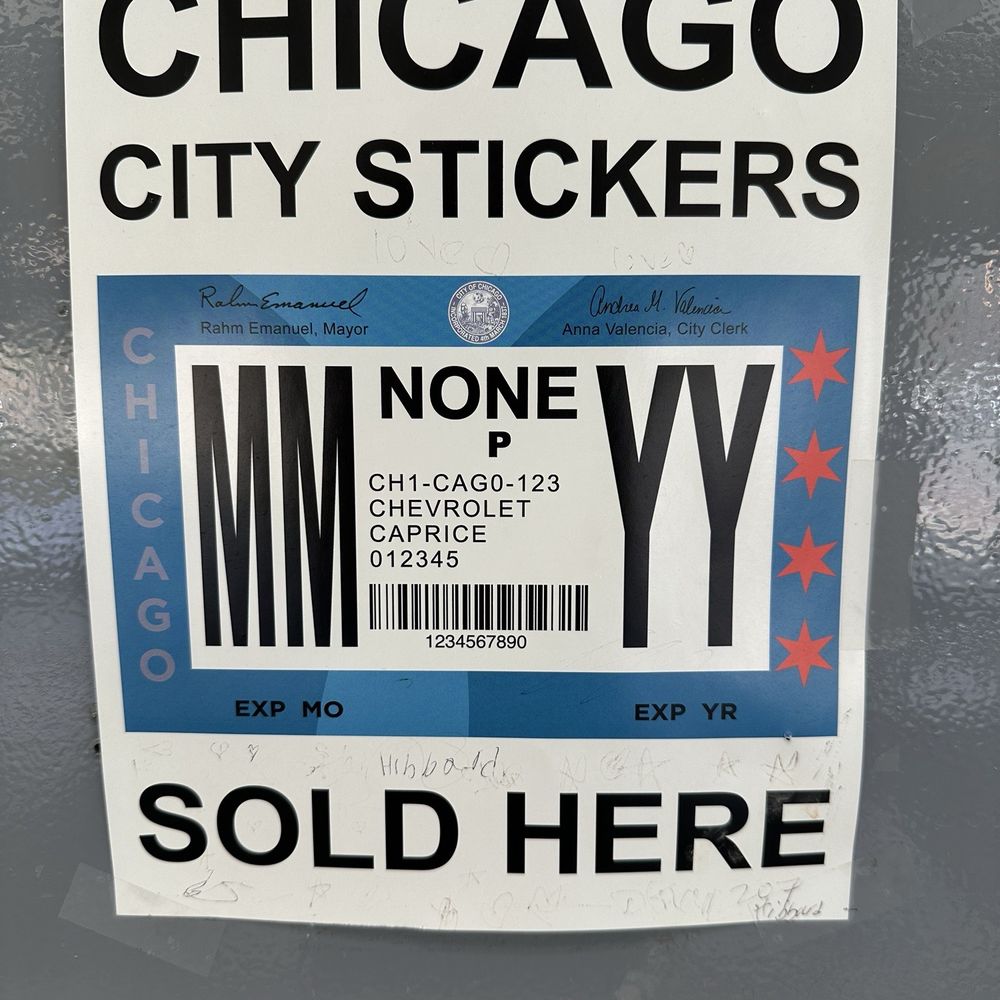
The Chicago City Vehicle Sticker system is designed to accommodate various vehicle types and resident situations. The primary categories for stickers include:
- Passenger Vehicles: This is the most common type, covering standard cars and SUVs.
- Trucks: Depending on the weight class, trucks may fall into different categories with varying fees.
- Motorcycles: These vehicles also require a city sticker, albeit typically at a lower cost than passenger cars.
- Commercial Vehicles: Businesses operating vehicles within Chicago must also comply, with fees often based on vehicle type and business use.
Beyond vehicle type, Chicago also offers specific eligibility for discounts, reflecting a commitment to supporting its diverse resident base. These include:
- Senior Discounts: Residents aged 65 and older may be eligible for a discounted rate on their city sticker for one vehicle. This is a significant benefit for seniors living on fixed incomes, helping to ease the financial burden of vehicle ownership in the city.
- Disabled Veteran Discounts: Certain disabled veterans may also qualify for exemptions or reduced fees, recognizing their service and contributions.
- Low-Income Discounts: While less common, the City Clerk’s Office occasionally offers programs or grants related to vehicle stickers for qualifying low-income residents. It’s always worth checking the most current information available from the official source.
Stickers are typically issued annually, with expiration dates often aligned with the vehicle’s state registration or a specific month set by the city. It’s crucial to be aware of your sticker’s expiration date to avoid penalties, and the city provides multiple avenues for renewal to ensure convenience.
Navigating the Purchase Process: Where and How to Buy
Acquiring your Chicago City Vehicle Sticker is a straightforward process, thanks to multiple purchase options designed for convenience. Understanding these methods will help you choose the one that best fits your needs, whether you prioritize speed, accessibility, or personal assistance.
Online Purchase: The Most Convenient Option
For many, especially those comfortable with digital transactions, purchasing a city sticker online is by far the most convenient and recommended method. This option eliminates the need for travel, waiting in lines, or coordinating with specific office hours, making it ideal for busy individuals or those renewing their sticker.
The official channel for online purchases is the website of the City Clerk’s Office. This secure platform guides you through the entire process:
- Account Registration/Login: If you’re a first-time user, you’ll need to create an account. Returning users can simply log in.
- Vehicle Information Entry: You will be prompted to enter your vehicle’s license plate number, Vehicle Identification Number (VIN), and other relevant details from your state vehicle registration.
- Proof of Residency: In some cases, especially for new residents, you may need to upload documents proving your Chicago residency.
- Payment: Payments can typically be made using major credit or debit cards.
- Confirmation and Mailing: Once your purchase is complete, you’ll receive a confirmation. The physical city sticker will then be mailed to your registered address. This process usually takes 7-10 business days, so it’s advisable to plan ahead, especially if you’re nearing your expiration date.
Advantages of Online Purchase:
- 24/7 Availability: You can purchase or renew your sticker anytime, anywhere.
- No Waiting: Avoid queues and travel time associated with in-person locations.
- Direct Delivery: The sticker is mailed directly to your home.
- Renewal Reminders: The online system often integrates with email reminders for upcoming renewals.
This method is particularly beneficial for those who are renewing an existing sticker and have a comfortable buffer before its expiration.
In-Person Purchase: For Immediate Needs or Assistance
While online purchasing is convenient, sometimes an in-person visit is necessary or preferred. This could be due to an urgent need for a sticker, a preference for direct assistance, or a situation requiring immediate issuance.
-
City Clerk’s Office Locations:
The primary official locations for purchasing city stickers in person are the main City Clerk’s Office at City Hall and various satellite Ward Offices scattered throughout Chicago’s neighborhoods.- City Hall: Located at 121 N. LaSalle Street, this is the central hub for many city services. It’s ideal for those working downtown or needing comprehensive assistance.
- Ward Offices: These decentralized offices serve individual wards and offer a more localized and often less crowded option for residents. Check the City Clerk’s Office website for a list of current Ward Offices and their operating hours. Purchasing here often means you receive your sticker on the spot.
-
Currency Exchanges:
Perhaps the most widespread and accessible option for immediate sticker issuance are authorized currency exchanges. These privately operated businesses are licensed by the city to sell vehicle stickers, often with extended hours compared to official city offices.- Benefits: Their ubiquity across Chicago neighborhoods means there’s likely one conveniently located near you. You walk out with your sticker immediately, which is invaluable if you’ve been ticketed or are facing an imminent deadline.
- Consideration: Currency exchanges typically charge a small service fee on top of the sticker cost. While usually nominal, it’s an important factor to consider.
-
Department of Finance Payment Centers:
While primarily for utility bill payments and parking ticket resolutions, some Department of Finance centers may also facilitate city sticker purchases. It’s always best to verify this option directly with the City Clerk’s Office or the Department of Finance website before planning a visit, as their primary function is different.
What to Bring for In-Person Purchase:
Regardless of where you go in person, ensure you have the following documents to expedite the process:
- Your current state vehicle registration card.
- Proof of Chicago residency (e.g., utility bill, lease agreement, driver’s license with Chicago address).
- A valid photo ID.
- Payment method (cash, credit/debit card, money order).
Special Circumstances and Considerations
Life in a dynamic city like Chicago often presents unique situations. The city sticker system has provisions for these:
- New Residents/Vehicles: If you’ve just moved to Chicago or purchased a new vehicle, you generally have a 30-day grace period from the date of establishing residency or vehicle purchase to acquire your city sticker without penalty. Utilize this window to get compliant.
- Lost/Stolen Stickers: If your sticker is lost, stolen, or damaged beyond recognition, you must apply for a replacement. This can usually be done online or in person at a reduced fee compared to a full annual sticker. You’ll need to provide details of your original purchase and possibly a police report if it was stolen.
- Transferring Stickers: If you sell a vehicle and purchase a new one, you might be eligible to transfer the unexpired portion of your current sticker to the new vehicle, usually for a small transfer fee. This prevents you from paying the full price twice in a short period. This process typically requires an in-person visit to a City Clerk’s Office with proof of both vehicle transactions.
Beyond the Purchase: Installation, Deadlines, and Penalties
Obtaining your Chicago City Vehicle Sticker is just the first step. Proper installation, adherence to deadlines, and understanding the consequences of non-compliance are equally crucial to enjoying your urban journey without unnecessary disruptions.
Proper Installation and Display
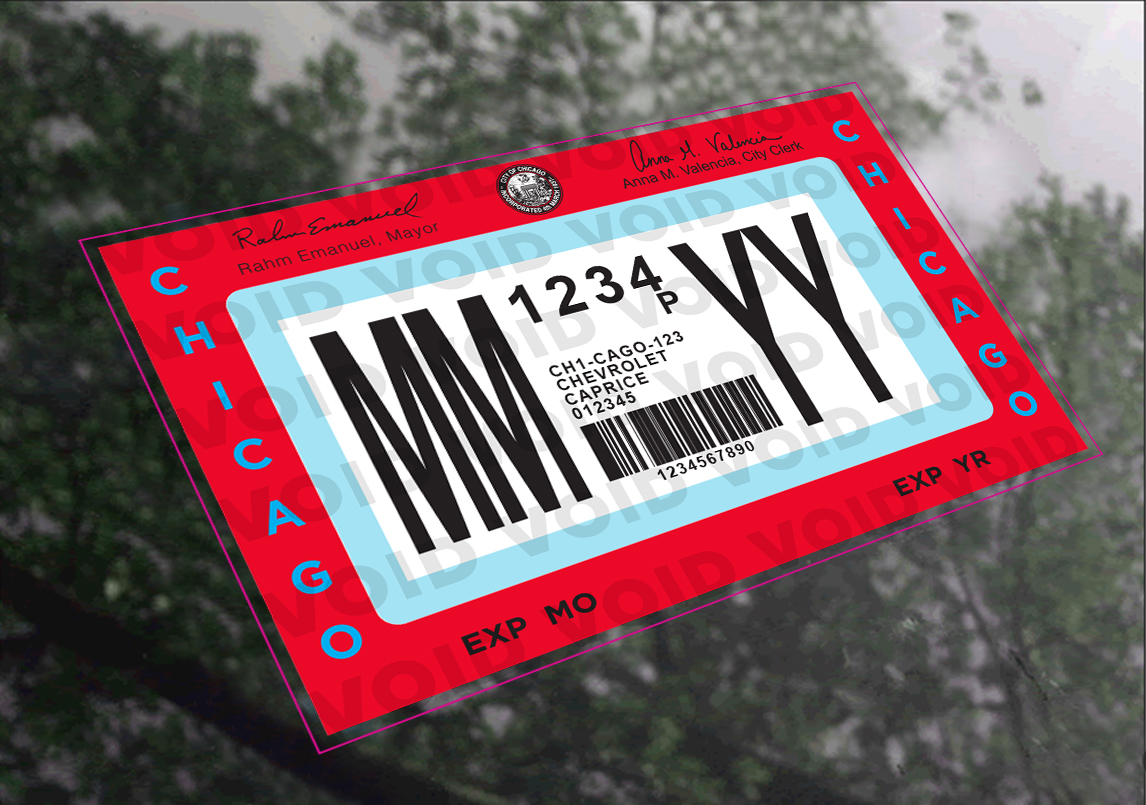
Once you have your physical sticker, proper placement is key. The Chicago City Vehicle Sticker must be affixed to the lower passenger-side corner of your front windshield, usually on the inside. It should be clearly visible from the outside of the vehicle.
- Clean Surface: Ensure the area is clean and dry before applying to guarantee good adhesion.
- Visibility: Do not obstruct the sticker with tinted strips, GPS devices, or other items. It must be fully visible to parking enforcement officers.
- Removal: When your sticker expires, or if you transfer it, it’s advisable to remove the old one completely to avoid confusion or potential issues.
Incorrect placement or an obscured sticker can still lead to tickets, even if you’ve technically purchased a valid one. Think of it as a small, easily verifiable proof of compliance that helps traffic management keep the city flowing.
Deadlines and Grace Periods
The annual renewal process is critical. The expiration date for your city sticker is typically tied to the expiration of your state vehicle registration, ensuring a streamlined process for many residents. However, it’s always best to confirm your exact expiration date, which is printed on the sticker itself and accessible through the City Clerk’s Office online portal.
Chicago usually provides a 30-day grace period from the sticker’s expiration date. This means you have a month after your sticker expires to purchase a new one without incurring a late fee. While this grace period offers a buffer, it is not a free pass. It’s always best practice to renew your sticker well in advance of its expiration to avoid any last-minute stress or potential penalties should you forget. Many residents opt to renew online as soon as they receive their email reminder to ensure continuous compliance.
Understanding Fines and Enforcement
The financial implications of neglecting your city sticker are significant and far outweigh the cost of the sticker itself. The city actively enforces its vehicle sticker ordinance through various means:
- Parking Tickets: This is the most common form of enforcement. If a parking enforcement officer or police officer notices an expired or missing sticker while your vehicle is parked on a public street, you will likely receive a ticket. Initial fines can be substantial, often starting at $60, and can quickly escalate with late payment penalties.
- Booting and Towing: For repeat offenders or vehicles with multiple outstanding tickets (including those for expired city stickers), the city has the authority to boot or tow your vehicle. This is a far more severe consequence, involving not only the original fine but also booting fees, towing fees, and daily storage charges. Retrieving a booted or towed vehicle is a lengthy, costly, and inconvenient process that can easily run into hundreds of dollars.
- Escalation: The longer you go without a valid sticker, and the more tickets you accumulate, the higher the financial burden becomes. This proactive enforcement ensures that vehicles benefiting from city services are contributing their fair share.
Therefore, staying current with your Chicago City Vehicle Sticker is not merely about adhering to a rule, but about avoiding significant financial and logistical headaches that can quickly diminish the joy of living or staying in Chicago.
Integrating the Sticker into Your Chicago Lifestyle
Beyond the administrative necessity, understanding and complying with the Chicago City Vehicle Sticker regulation is an integral part of fully embracing the urban lifestyle and the diverse tourism opportunities the city presents. For residents and long-term visitors alike, seamless vehicle ownership is a key enabler for experiencing all that Chicago has to offer.
Seamless City Living and Exploring Chicago
Having a valid city sticker means your vehicle is compliant, which translates directly into hassle-free movement and parking within the city. This freedom is invaluable in a city as expansive and vibrant as Chicago. With your sticker in place, you can confidently drive to explore Millennium Park’s iconic Cloud Gate sculpture, visit the world-class museums in Museum Campus, or enjoy the attractions along Navy Pier.
The ability to park legally and without worry allows you to focus on the experience rather than the potential for a ticket. Whether you’re commuting to work, visiting friends in a different neighborhood, or embarking on a culinary adventure through Chicago’s diverse food scene, the city sticker is a small but mighty enabler of your urban lifestyle. It frees you up to discover hidden gems in neighborhoods like Lincoln Park or Wicker Park, explore the architectural wonders along the Chicago River, or simply enjoy the convenience of your own vehicle for grocery runs and weekend excursions out of the city into other parts of Illinois. For those who appreciate the blend of travel and comfortable living, ensuring your vehicle is up to date with city regulations is paramount.
Planning for Extended Stays or Relocation
For visitors considering an extended stay in Chicago, perhaps for work or study, or for those planning a full relocation, the city sticker is a practical detail that signifies integration into the local fabric. When evaluating accommodation options – whether it’s a long-term apartment lease, a serviced apartment, or even a monthly hotel stay that allows for vehicle parking – understanding this requirement from the outset is crucial.
New residents, in particular, should prioritize obtaining their city sticker within the initial 30-day grace period. This proactive step not only prevents penalties but also contributes to a smoother overall transition. It’s part of the administrative checklist that comes with establishing a new life in a major city, alongside changing your driver’s license, registering to vote, and setting up utilities. For business travelers on extended assignments, or digital nomads who choose Chicago as their base for several months, this applies just as much as it does to permanent residents. Embracing these local rules ensures your experience of Chicago is as enjoyable and stress-free as possible, allowing you to immerse yourself fully in its culture and charm without bureaucratic distractions.
In conclusion, the Chicago City Vehicle Sticker is a minor detail with significant implications for vehicle owners in the city. Understanding its purpose, knowing where and how to purchase it, and adhering to the deadlines will ensure you remain compliant, avoid costly penalties, and can fully enjoy the convenience of vehicle ownership in one of the world’s most dynamic urban environments. Make it a priority, and your journey through Chicago will be all the smoother for it.
LifeOutOfTheBox is a participant in the Amazon Services LLC Associates Program, an affiliate advertising program designed to provide a means for sites to earn advertising fees by advertising and linking to Amazon.com. Amazon, the Amazon logo, AmazonSupply, and the AmazonSupply logo are trademarks of Amazon.com, Inc. or its affiliates. As an Amazon Associate we earn affiliate commissions from qualifying purchases.