
Losing a job can be one of life’s most challenging experiences, an unforeseen twist that significantly impacts your daily routine, financial stability, and overall lifestyle. For residents of Oregon, understanding how to navigate the unemployment insurance system is not merely a bureaucratic task; it’s a crucial step towards maintaining equilibrium and rebuilding your path forward. In a state known for its natural beauty and vibrant communities like Portland, Salem, and Eugene, securing temporary financial assistance can be the bridge that helps you sustain your lifestyle and focus on new opportunities.
This comprehensive guide is designed to demystify the process of filing for unemployment in Oregon, offering not just a procedural roadmap but also insights into managing the lifestyle shifts that come with job loss. We’ll delve into everything from eligibility to appeals, empowering you with the knowledge to navigate this period with confidence and clarity, ultimately helping you get back to living life to the fullest.
Understanding Oregon’s Unemployment Insurance System: A Lifestyle Imperative
Unemployment insurance (UI) in Oregon is a state-federal program designed to provide temporary financial benefits to eligible workers who are unemployed through no fault of their own. It acts as a vital safety net, allowing individuals to cover essential living expenses while they actively search for new employment. For many, accessing these benefits is not just about survival; it’s about preserving a semblance of their established lifestyle and reducing the immense stress that can accompany job loss.
Eligibility Requirements: Are You Covered?
Before you even think about filing, it’s essential to understand the core eligibility criteria set forth by the Oregon Employment Department (OED). These requirements ensure that the system supports those genuinely in need and who meet specific work history standards. Generally, you must meet all of the following:
- Monetary Eligibility: You must have earned sufficient wages in your “base period.” The base period is typically the first four of the last five completed calendar quarters before you file your claim. The OED will review your earnings during this time to determine if you meet the minimum wage requirements.
- Reason for Unemployment: You must be unemployed through no fault of your own. This typically includes being laid off, having your hours reduced significantly, or your position being eliminated. If you quit your job or were fired for misconduct, your eligibility might be impacted or denied.
- Ability and Availability to Work: You must be physically and mentally able to work and available for suitable work. This means you must be ready and willing to accept a job if offered, assuming it’s within your skills and experience.
- Actively Seeking Work: You must be actively searching for new employment each week you claim benefits. Oregon has specific work search requirements, which include making a certain number of job contacts and documenting your efforts.
Understanding these criteria upfront can save you time and frustration, helping you determine if unemployment insurance is a viable part of your temporary lifestyle adjustment plan.
Benefit Calculation and Duration: What to Expect
The amount of your weekly benefit payment in Oregon is calculated based on your earnings during your base period. The OED uses a formula to determine your “weekly benefit amount” (WBA), which is a percentage of your average weekly wages during the highest earning quarter of your base period, up to a maximum amount set annually by the state.
Generally, individuals can receive benefits for up to 26 weeks in a benefit year, though this duration can sometimes be extended during periods of high unemployment through federal programs. While UI benefits are not designed to fully replace your former income, they provide a critical cushion, allowing you to prioritize essential expenses like housing, food, and utilities while you focus on your job search. Knowing your potential benefit amount and duration is crucial for effective budgeting and lifestyle planning during this transition.
Key Terminology: Navigating the Jargon
The world of unemployment insurance can be filled with specific terms that might seem daunting at first. Understanding this jargon is key to successfully navigating the process. Some common terms you’ll encounter include:
- Claim Effective Date: The Sunday of the week you file your initial application.
- Benefit Year: The 52-week period beginning with your claim effective date.
- Waiting Week: The first week of unemployment for which you are otherwise eligible for benefits, but for which no benefits are paid. You typically only serve one waiting week per benefit year.
- Base Period: The specific period of time (as defined above) used to calculate your monetary eligibility.
- Weekly Claim: The certification you file each week to attest to your eligibility, work search efforts, and any earnings during that week.
Familiarizing yourself with these terms will make the application and weekly claim process much smoother, reducing confusion and helping you maintain control over your situation.
The Step-by-Step Guide to Filing Your Claim in Oregon
Once you understand the basics, the next step is to actually file your claim. The process is designed to be accessible, primarily through online channels, but thorough preparation is key to a smooth experience.
Essential Documents and Information: Prepare for Success
Before you begin your application, gather all necessary information. Having these details readily available will prevent delays and ensure accuracy. You’ll typically need:
- Your Social Security number.
- Your complete work history for the last 18 months, including employer names, addresses, phone numbers, start and end dates, and reasons for separation.
- Your gross wages (before deductions) for each employer during that period.
- If you’re a non-citizen, your Alien Registration number and expiration date.
- If you served in the military, your DD-214.
- If you worked for the federal government, your SF-8 and SF-50 forms.
- Your bank account information for direct deposit (highly recommended for quicker payment).
Taking the time to organize this information upfront is a critical first step towards a stress-free application process, allowing you to focus on your larger lifestyle adjustments.
The Initial Application Process: Online or By Phone
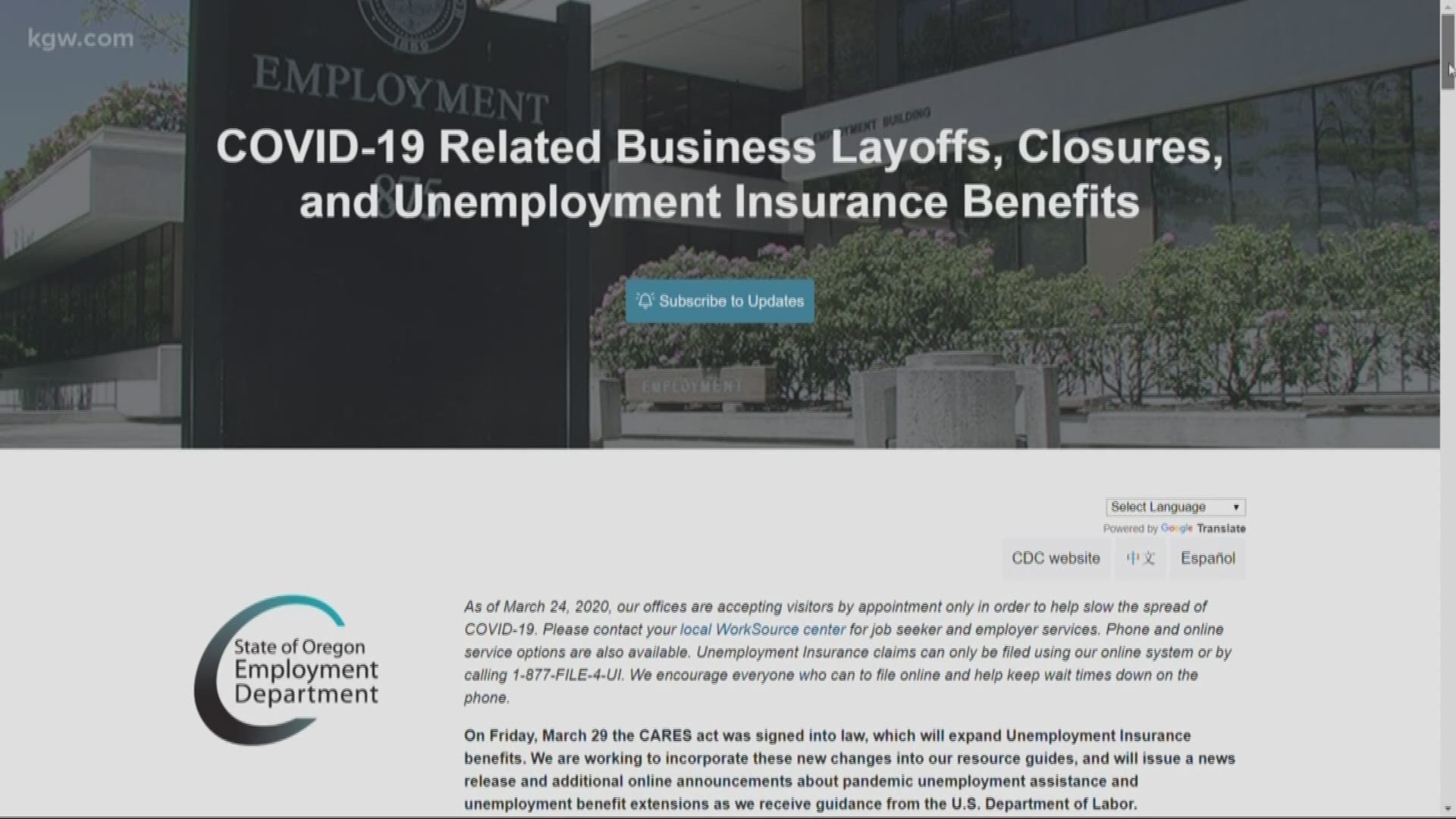
The quickest and most efficient way to file your initial unemployment claim in Oregon is online through the Oregon Employment Department website. The online system is available 24/7 and guides you through each section, prompting for all necessary details.
- Visit the OED Website: Navigate to the official Oregon Employment Department website and locate the section for filing an unemployment claim.
- Create an Account: If you don’t already have one, you’ll need to create an online account. Keep your login credentials secure.
- Complete the Application: Carefully fill out all sections of the application. Be truthful and provide accurate information to avoid complications later on. Pay close attention to dates, employer details, and reasons for separation.
- Review and Submit: Before submitting, review your entire application for any errors or omissions. Once submitted, you will receive a confirmation.
If you do not have internet access or require assistance, you can also file your claim by phone during business hours. The OED provides specific phone numbers for unemployment claims. While convenient, be prepared for potentially longer wait times.
Weekly Claims and Work Search Requirements: Staying Compliant
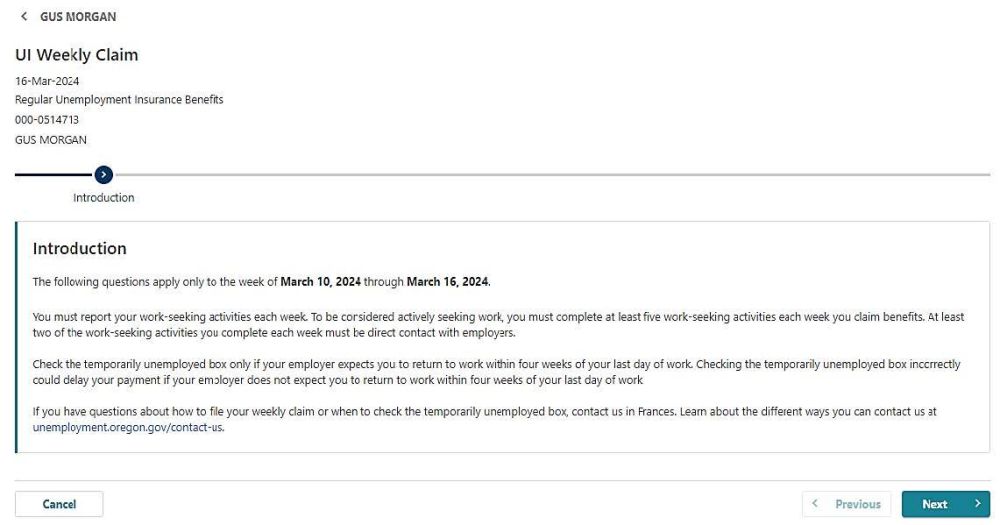
Filing your initial claim is just the beginning. To continue receiving benefits, you must file a “weekly claim” (also known as a weekly certification) for every week you wish to receive payment. This process confirms your ongoing eligibility.
- File Weekly: You must file your weekly claim online or by phone each week, typically starting the Sunday after your claim effective date. There’s a specific window each week during which claims can be filed.
- Report Earnings: Accurately report any gross earnings you had during the week, even if you haven’t been paid yet. This includes earnings from part-time work, temporary jobs, or even odd jobs.
- Document Work Search: Oregon requires you to actively search for work each week and record your efforts. This typically involves making a certain number of job contacts (e.g., applying for jobs, attending job fairs, networking) and documenting the details of each contact. Keep a detailed log, as the OED may request proof of your work search activities.
Failure to file weekly claims or meet work search requirements can result in delayed payments or a denial of benefits. Staying organized and diligent in this aspect is crucial for maintaining your financial support and managing your lifestyle effectively.
Navigating Challenges: Denials, Appeals, and Maintaining Momentum
Even with careful preparation, challenges can arise. Understanding common pitfalls and the appeals process is vital for protecting your rights and ensuring you receive the benefits you may be entitled to.
Common Reasons for Claim Denials: Proactive Prevention
Unemployment claims can be denied for various reasons. While some are unavoidable, many can be understood or even prevented with careful attention. Common reasons include:
- Voluntary Quit: If you quit your job without good cause (e.g., a verifiable health reason, unsafe working conditions, or a substantial change in working conditions), your claim may be denied.
- Misconduct: If you were fired for job-related misconduct (e.g., absenteeism, insubordination, violating company policy), your claim might be denied.
- Insufficient Earnings: Not meeting the monetary eligibility requirements during your base period.
- Failure to Seek Work: Not adequately performing or documenting your required work search activities.
- Not Able or Available: Being unable to work due to illness, injury, or lack of childcare, or being unavailable for suitable work.
Understanding these can help you anticipate potential issues and prepare your case, or, more broadly, consider how these factors impact your lifestyle and future employment prospects.
The Appeals Process: Your Right to Be Heard
If your claim is denied, don’t despair. You have the right to appeal the decision. The appeals process is an opportunity to present your side of the story and provide additional evidence.
- Receive the Determination: The OED will send you a written Notice of Determination explaining the reason for the denial and how to appeal.
- File an Appeal: You must file your appeal within a strict timeframe (usually 30 days from the mailing date of the determination). The notice will provide instructions on how to do this.
- Prepare for a Hearing: An administrative law judge (ALJ) will schedule a hearing, often by phone. Gather all relevant documents, witness statements, and any other evidence to support your case. Be prepared to explain your situation clearly and concisely.
- Attend the Hearing: Participate fully in the hearing. The ALJ will ask questions, and you’ll have an opportunity to present your evidence and question any witnesses.
Navigating an appeal can be stressful, but it’s a crucial step in ensuring fairness. Many individuals successfully overturn initial denials by presenting a well-prepared case.
Prioritizing Your Well-being: A Holistic Lifestyle Approach
Beyond the administrative steps, unemployment significantly impacts mental and emotional well-being. It’s a critical time to prioritize self-care and maintain a holistic approach to your lifestyle. This includes:
- Emotional Resilience: Acknowledge your feelings—frustration, anxiety, sadness—and don’t suppress them. Seek support from friends, family, or professional counselors if needed.
- Physical Health: Maintain a healthy diet, regular exercise, and sufficient sleep. Physical well-being directly influences mental clarity and resilience.
- Structured Routine: Create a daily routine that includes job searching, skill development, personal tasks, and leisure activities. A structured day can provide a sense of purpose and normalcy.
Remember, unemployment is a temporary phase. Caring for your overall well-being is paramount to successfully navigating this period and emerging stronger.
Lifestyle Adjustments and Opportunities During Unemployment
Unemployment, while challenging, can also present an unexpected opportunity for reflection, growth, and intentional lifestyle adjustments. It’s a time to take stock, re-evaluate priorities, and strategically plan for the future.
Financial Planning and Budgeting: Taking Control
With reduced income, stringent financial planning becomes non-negotiable. This is where your temporary lifestyle adjustments are most keenly felt.
- Review and Trim Expenses: Go through all your expenditures with a fine-tooth comb. Differentiate between needs and wants. Cut back on discretionary spending like dining out, entertainment, and non-essential subscriptions.
- Create a Strict Budget: Develop a realistic budget that prioritizes essential expenses (housing, food, utilities, transportation, healthcare). Stick to it rigorously.
- Explore Assistance Programs: Investigate other available assistance programs in Oregon, such as SNAP benefits for food, energy assistance, or rental aid, if necessary. Many communities offer support tailored to individuals experiencing financial hardship.
- Manage Debt: If you have credit card debt or other loans, contact your creditors to discuss options like deferment or reduced payments during this period. Proactive communication can prevent long-term damage to your credit score.
Taking control of your finances not only helps you weather the storm but also provides a sense of empowerment during a period of uncertainty.
Skill Development and Retraining: Investing in Your Future
Unemployment can be an opportune moment to invest in yourself and enhance your marketability. This period offers the flexibility to acquire new skills or certifications that can open doors to new career paths, significantly impacting your future lifestyle.
- Online Courses: Platforms like Coursera, edX, and LinkedIn Learning offer a vast array of courses, many of which are free or affordable. Consider certifications in high-demand fields.
- Community Colleges and Trade Schools: Explore programs at local community colleges or trade schools in Oregon cities like Portland or Eugene. Many offer short-term programs designed for career transitions.
- Workforce Innovation and Opportunity Act (WIOA): The OED’s workforce development services, often supported by WIOA, can connect you with training programs, career counseling, and job search assistance.
- Volunteering: Volunteering can help you maintain and develop skills, build your professional network, and provide a sense of purpose, all while potentially leading to future employment opportunities.
Viewing this time as an investment in your human capital can turn a difficult situation into a springboard for a more fulfilling and stable future lifestyle.
Looking Beyond Unemployment: Rebuilding and Thriving in Oregon
The ultimate goal of navigating unemployment is to transition back into stable employment and regain control over your lifestyle. This requires a proactive mindset and strategic planning for your job search and long-term aspirations.
Strategic Job Search Techniques: Finding Your Next Opportunity
An effective job search is more than just sending out resumes. It’s a strategic campaign that requires focus and persistence.
- Tailor Your Applications: Customize your resume and cover letter for each job application, highlighting skills and experiences most relevant to that specific role.
- Network Actively: Leverage your professional and personal networks. Inform friends, former colleagues, and acquaintances that you are looking for work. Attend virtual or in-person industry events in Oregon.
- Utilize Online Job Boards: Regularly check popular job boards like Indeed, LinkedIn, and the OED’s employment portal.
- Practice Interview Skills: Rehearse answers to common interview questions and be prepared to discuss your experience, skills, and career goals confidently.
Treating your job search like a full-time job can significantly increase your chances of finding the right opportunity sooner.
Mental Resilience and Positivity: Cultivating a Forward Outlook
Maintaining a positive mindset during unemployment is challenging but essential for your overall lifestyle and job search success. Rejections are inevitable, but how you respond to them defines your journey.
- Celebrate Small Wins: Acknowledging progress, no matter how small—a successful interview, a new connection, a completed online course—can boost morale.
- Stay Connected: Avoid isolation. Maintain social connections and lean on your support system.
- Practice Gratitude: Even during difficult times, finding things to be grateful for can shift your perspective and foster resilience.
- Focus on What You Can Control: You can control your effort, attitude, and learning. Let go of what you cannot.
A resilient mindset not only aids your job search but also contributes to a healthier, more balanced lifestyle overall.
Planning for the Future: Long-Term Lifestyle Goals
As you navigate unemployment and eventually secure a new position, it’s also a valuable time to think about your long-term lifestyle goals. What kind of life do you want to build in Oregon, or wherever your path takes you?
- Career Trajectory: Consider if your new role aligns with your career aspirations. Are there opportunities for growth, or is this a stepping stone?
- Financial Security: Once re-employed, prioritize rebuilding savings, creating an emergency fund, and perhaps revisiting retirement planning.
- Work-Life Balance: Reflect on what truly matters to you. Seek roles and environments that support a healthy work-life balance, allowing you to enjoy all that Oregon and life have to offer.
Filing for unemployment in Oregon is more than a process; it’s a phase in your life’s journey. By understanding the system, proactively managing challenges, adapting your lifestyle, and planning for the future, you can transform a period of uncertainty into one of growth and renewed purpose, ensuring you continue to live “life out of the box.”
LifeOutOfTheBox is a participant in the Amazon Services LLC Associates Program, an affiliate advertising program designed to provide a means for sites to earn advertising fees by advertising and linking to Amazon.com. Amazon, the Amazon logo, AmazonSupply, and the AmazonSupply logo are trademarks of Amazon.com, Inc. or its affiliates. As an Amazon Associate we earn affiliate commissions from qualifying purchases.