
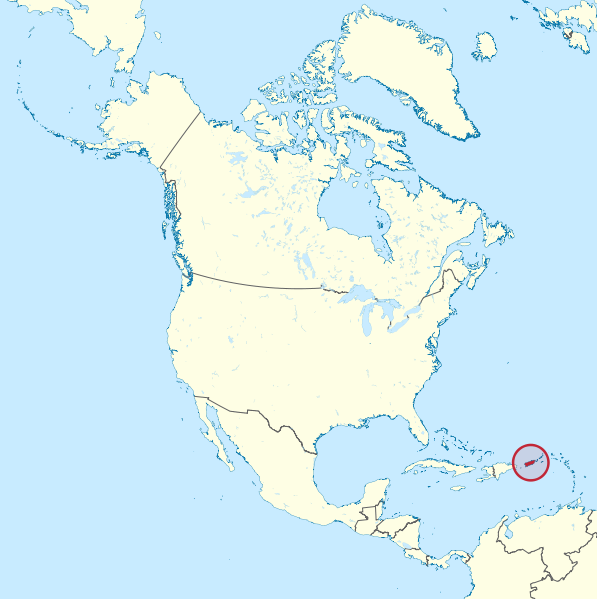
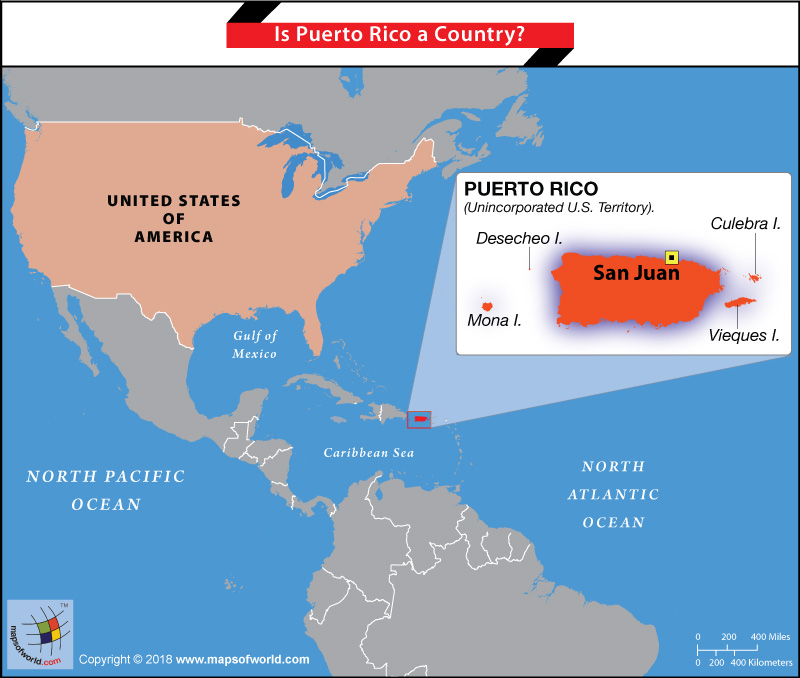
Puerto Rico, a vibrant Caribbean gem, holds a unique and often misunderstood place within the United States. While its residents are U.S. citizens, the island operates as an unincorporated territory, a status that grants certain rights and privileges while also imposing distinct limitations. This intricate relationship stems from a complex history, rooted in conquest, legislation, and evolving political aspirations. Understanding why Puerto Rico is an American territory requires delving into its past, examining the legal framework that defines its present, and acknowledging the ongoing discussions about its future.
The journey from a Spanish colony to an unincorporated U.S. territory is a pivotal narrative in Puerto Rico’s story. Following the Spanish-American War, Spain ceded Puerto Rico to the United States under the Treaty of Paris in 1898. This marked the beginning of a new era, one characterized by American administration and policies that would shape the island’s economic, social, and political landscape for decades to come.
A Historical Odyssey: From Spanish Colony to U.S. Acquisition
Before its acquisition by the United States, Puerto Rico was a Spanish possession for over four centuries. From 1493, when Christopher Columbus first landed on its shores, to 1898, the island was an integral part of the vast Spanish Empire. During this long period, Spanish culture, language, and institutions became deeply ingrained in Puerto Rican society. The legacy of this era is still evident today in the island’s architecture, its traditions, and the prevalence of the Spanish language.
The late 19th century brought significant geopolitical shifts, culminating in the Spanish-American War of 1898. This conflict, largely fought over Cuba, had profound implications for Spain’s remaining colonies. U.S. forces invaded Puerto Rico in July 1898, facing relatively little resistance. By the end of the war, Spain was on the losing end, and the Treaty of Paris, signed in December 1898, formalized the cession of Puerto Rico, along with Cuba and Guam, to the United States. This treaty effectively transferred sovereignty over the island, marking the end of Spanish rule and the dawn of American influence.
The initial years of U.S. administration were characterized by military rule, followed by the establishment of a civilian government. The Foraker Act of 1900 (also known as the Organic Act of 1900) was a landmark piece of legislation that formalized Puerto Rico’s status as an unincorporated territory. This act defined the island as property of the United States, but not an integral part of the nation in the same way as a state. It granted Puerto Ricans certain civil rights and established a framework for governance, including a governor appointed by the U.S. President, an executive council, and an elected house of delegates.
The Insular Cases and the Definition of Unincorporated Territory
The legal foundation for Puerto Rico’s territorial status was further solidified by a series of Supreme Court decisions in the early 20th century, collectively known as the Insular Cases. These rulings, stemming from the acquisition of overseas territories following the Spanish-American War, established a crucial distinction between incorporated and unincorporated territories.
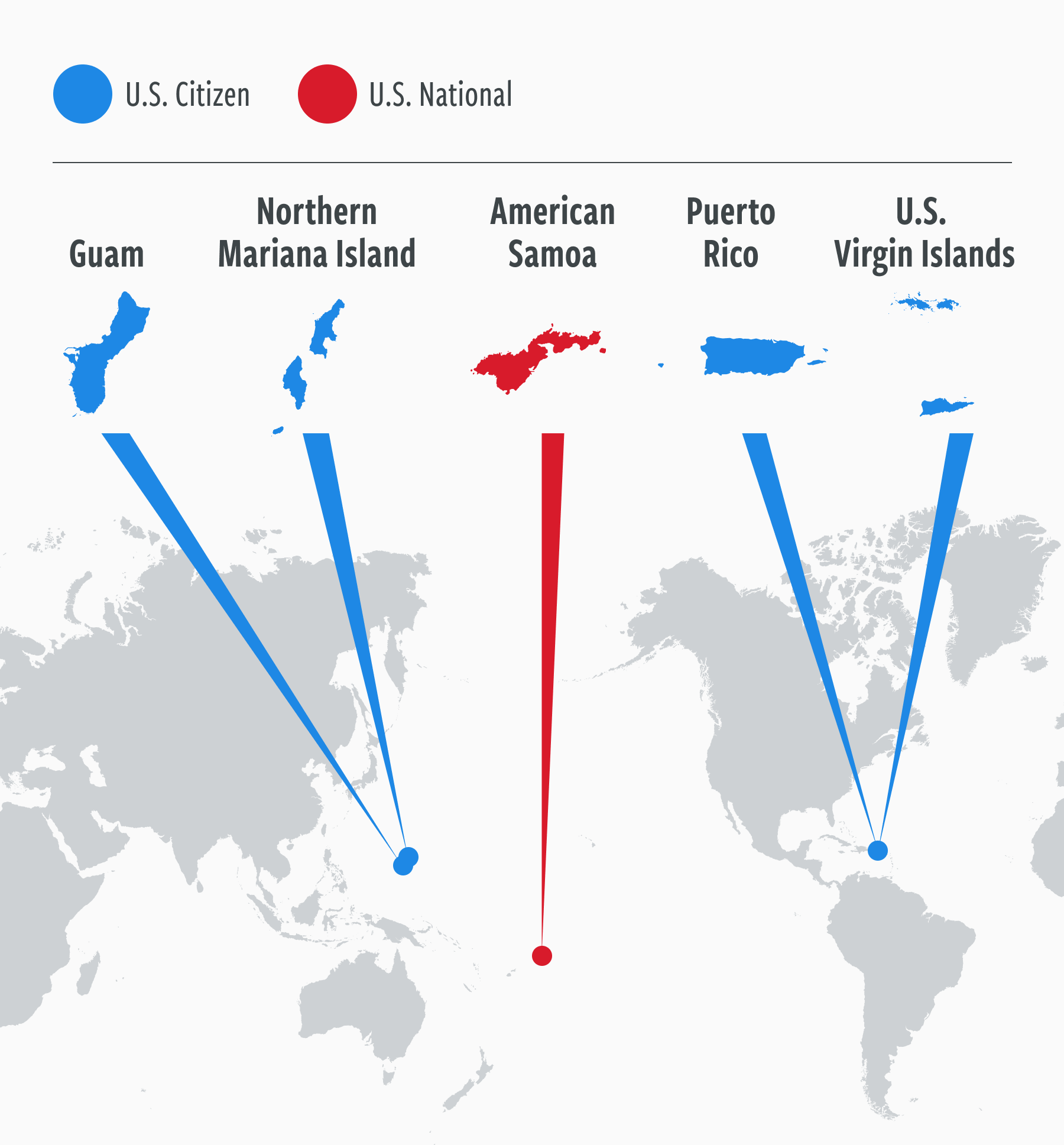
In these landmark judgments, the Supreme Court determined that the U.S. Constitution did not automatically apply in full force to newly acquired territories. Instead, territories were classified as either incorporated, meaning they were on a path to statehood and the Constitution applied fully, or unincorporated, where only fundamental constitutional rights applied. Puerto Rico, along with Guam, the U.S. Virgin Islands, and the Northern Mariana Islands, was deemed an unincorporated territory.
This classification had significant implications. It meant that Congress had the authority to determine the extent to which U.S. laws applied to these territories. It also meant that residents of unincorporated territories were U.S. citizens (a status granted to Puerto Ricans by the Jones-Shafroth Act of 1917) but did not have the same rights as citizens residing in states, most notably the right to vote in presidential elections and representation in Congress with full voting privileges.
The Insular Cases effectively created a legal framework where territories could be “belonging to, but not part of, the United States.” This concept of “naked sovereignty,” as some legal scholars have described it, has been the subject of much debate and legal challenge over the years. Critics argue that this distinction creates a class of U.S. citizens with second-class rights, while proponents of the existing structure emphasize the flexibility it provides for governing diverse populations.
The Jones-Shafroth Act of 1917, beyond granting U.S. citizenship, also established a bill of rights for Puerto Rico, created a locally elected senate, and gave the island greater autonomy in its internal affairs. However, it did not alter the fundamental status of Puerto Rico as an unincorporated territory, a status that continues to define its relationship with the United States.
Navigating the Present: Governance and Autonomy
The governance of Puerto Rico as an unincorporated territory is a complex interplay between local elected officials and the federal government in Washington, D.C. The island has a governor, a bicameral legislature (the Senate and the House of Representatives), and a judicial system. Residents elect their own officials and have significant control over many aspects of their local governance.
However, the ultimate authority rests with the U.S. Congress, which has the power to legislate for Puerto Rico and to determine the extent of its autonomy. This means that federal laws passed by Congress apply to Puerto Rico, even if they are not locally enacted. Furthermore, Puerto Rico does not have voting representation in Congress; it sends a Resident Commissioner to the U.S. House of Representatives who can vote in committees but not on the House floor.
The economic relationship between Puerto Rico and the United States is also shaped by its territorial status. While Puerto Ricans are U.S. citizens and can serve in the U.S. military, they are exempt from paying federal income tax on income earned in Puerto Rico. However, they are subject to other federal taxes, such as Social Security and Medicare taxes. The island also receives federal funding, though often at lower levels compared to states, and is subject to U.S. trade laws and regulations.
The lack of full political representation and the limitations imposed by its territorial status have fueled a long-standing debate about Puerto Rico’s political future. The primary options on the table are statehood, independence, or enhanced commonwealth status. Each of these options carries significant implications for Puerto Rico’s economy, its culture, and its relationship with the United States.
The Ongoing Quest for Self-Determination: Statehood, Independence, and Commonwealth
The question of Puerto Rico’s political status has been a recurring theme throughout its history with the United States. For decades, various plebiscites and referendums have been held to gauge the will of the Puerto Rican people, though the results have often been debated and the outcomes have not led to a definitive resolution.
Statehood is a popular aspiration for many Puerto Ricans, who see it as a path to full equality with other U.S. citizens. Supporters of statehood argue that it would grant Puerto Rico voting representation in Congress, full access to federal programs, and a more stable economic environment. If Puerto Rico were to become a state, it would send two senators and multiple representatives to Congress, have its residents vote in presidential elections, and be subject to federal laws and taxes like any other state.
Conversely, Independence is advocated by those who believe that Puerto Rico should be a sovereign nation, free from U.S. control. Proponents of independence emphasize Puerto Rico’s distinct cultural identity and its right to self-determination. An independent Puerto Rico would have its own constitution, foreign policy, and economy, but it would also need to establish new trade agreements and international relationships.
A third option is to maintain or enhance the current Commonwealth status. While often misunderstood, Puerto Rico is not a freely associated state but an unincorporated territory with a degree of local self-governance under U.S. sovereignty. Advocates for enhanced commonwealth status seek greater autonomy and a more equitable relationship with the United States, while still remaining within the U.S. federal system. This could involve renegotiating the terms of the territorial relationship, such as granting Puerto Rico more control over its trade or a greater share of federal funds.
The debate over Puerto Rico’s status is multifaceted, encompassing economic considerations, cultural identity, and political rights. Each option presents its own set of challenges and opportunities, and the path forward remains a subject of ongoing discussion and political action, both on the island and within the United States. The ultimate decision rests with the people of Puerto Rico, in conjunction with the U.S. Congress, shaping the island’s destiny for generations to come.
LifeOutOfTheBox is a participant in the Amazon Services LLC Associates Program, an affiliate advertising program designed to provide a means for sites to earn advertising fees by advertising and linking to Amazon.com. Amazon, the Amazon logo, AmazonSupply, and the AmazonSupply logo are trademarks of Amazon.com, Inc. or its affiliates. As an Amazon Associate we earn affiliate commissions from qualifying purchases.