
The landscape of nursing licensure in the U.S. is a complex tapestry designed to ensure public safety while facilitating the mobility of healthcare professionals. For many nurses, the question of whether a state participates in the Nurse Licensure Compact (NLC) is paramount to their professional lifestyle and career planning. It impacts their ability to practice across state lines, engage in travel nursing, or relocate for new opportunities with greater ease. As nurses increasingly seek flexibility and diverse experiences, understanding the licensure status of states like Oregon becomes a critical piece of information. This article delves into Oregon’s current standing with the Nurse Licensure Compact and the implications for registered nurses considering a career in the Pacific Northwest.
Understanding the Nurse Licensure Compact (NLC) and Its Significance
The Nurse Licensure Compact is an interstate agreement that allows a registered nurse (RN) or licensed practical/vocational nurse (LPN/VN) to have one multi-state license, with the ability to practice in their home state and other compact states without needing additional licenses. Developed by the National Council of State Boards of Nursing (NCSBN), the NLC aims to reduce barriers to interstate practice, enhance patient access to care, and streamline the licensing process for mobile nurses.
Benefits for Nursing Professionals and Healthcare Systems
For nurses, the NLC offers unparalleled professional mobility. A nurse holding a multi-state license can seamlessly accept assignments in any compact state, which is particularly beneficial for travel nurses, military spouses, and those living near state borders. This flexibility translates into more diverse career experiences and the ability to respond to healthcare demands in various regions without the bureaucratic hurdles of obtaining new licenses for each state. From a lifestyle perspective, it means less paperwork, lower costs associated with multiple licenses, and the freedom to pursue opportunities that align with personal and professional growth, potentially involving numerous “business stays” or extended periods of work away from a primary residence.
Healthcare systems also reap significant rewards from the NLC. It simplifies staffing, particularly during public health emergencies or in rural areas facing nursing shortages. Hospitals and clinics in compact states can more quickly credential nurses from other compact states, ensuring that patient care is not disrupted by licensing delays. This agility is vital in maintaining robust healthcare infrastructure and adapting to fluctuating patient needs.
How the NLC Operates: Primary State of Residence
The core principle of the NLC revolves around the nurse’s “primary state of residence.” A nurse applies for and holds a multi-state license from their primary state of residence, which must be a compact state. This license then grants them the privilege to practice in other compact states. If a nurse moves from a compact state to another compact state and establishes a new primary residence, they must apply for a new multi-state license in their new home state. Conversely, if a nurse moves from a compact state to a non-compact state, their multi-state license converts to a single-state license, valid only in the original compact state, and they must obtain a new license by endorsement in the non-compact state. This system ensures accountability while promoting efficient interstate practice.
Oregon’s Current Status Regarding the NLC
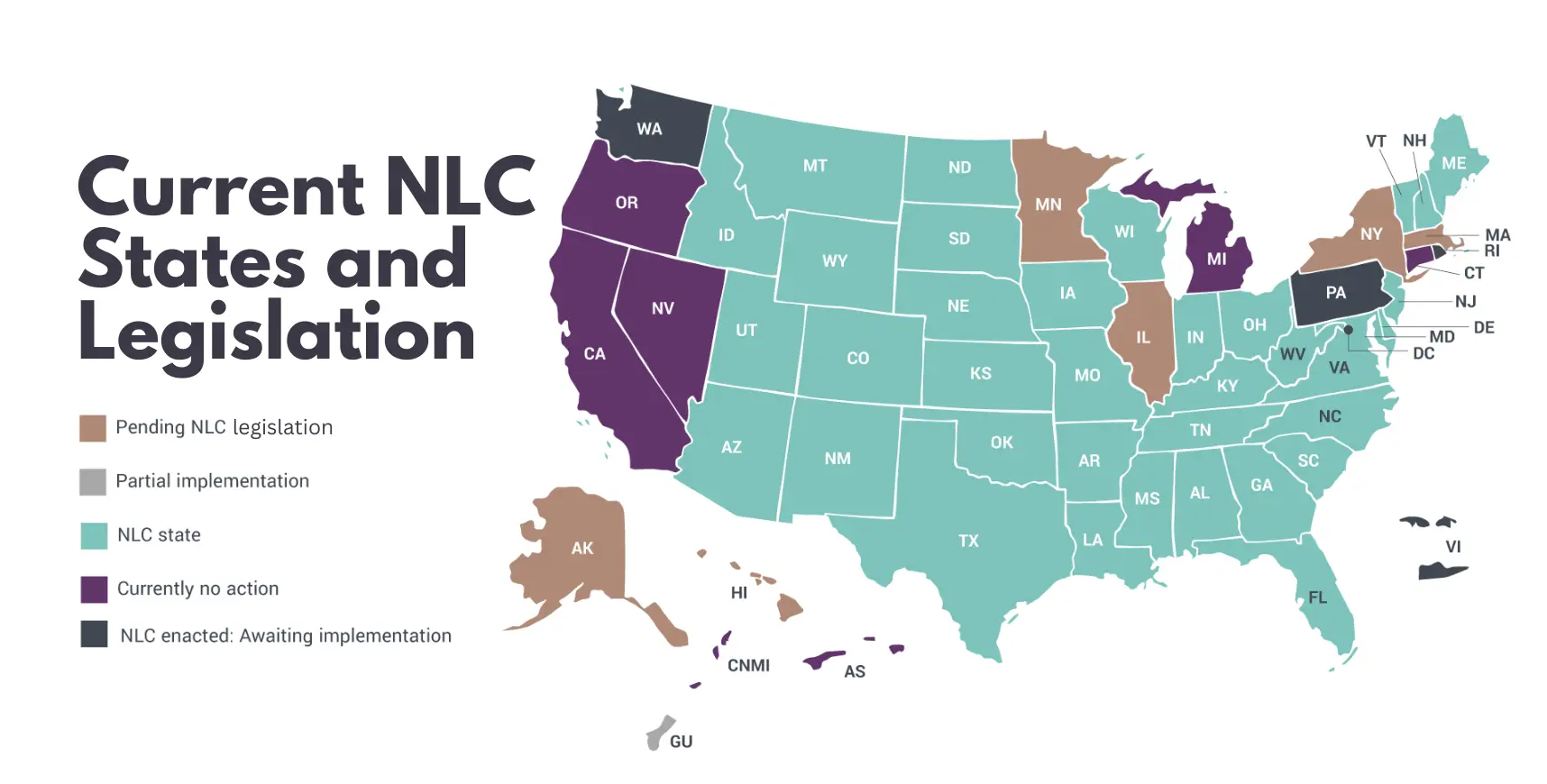
When considering a career in the vibrant state of Oregon, nurses often inquire about its participation in the Nurse Licensure Compact. The answer is nuanced but clear: Oregon is not yet an implemented compact state, but it has taken significant steps towards joining.
The Legislative Journey to NLC Adoption
Oregon’s journey toward NLC adoption has been a progressive one. In 2023, Governor Tina Kotek signed House Bill 2971 into law, officially enacting the NLC in the state. This legislative milestone was a culmination of years of advocacy by nursing organizations, healthcare providers, and individual nurses who recognized the benefits of enhanced mobility and simplified licensure. The passage of this bill signified Oregon’s commitment to supporting its nursing workforce and improving access to care for its residents.
However, “enacted” does not immediately mean “implemented.” The bill included a clause for a delayed implementation date. As of early 2024, Oregon is in the process of implementation, meaning the Oregon State Board of Nursing (OSBN) is working on establishing the necessary administrative and regulatory frameworks to officially begin issuing multi-state licenses and recognizing those from other compact states. This transition period involves updating regulations, modifying IT systems, and educating licensees and employers about the new system. Nurses should regularly check the Oregon State Board of Nursing website for the most current information regarding the effective date of implementation.
Implications of Oregon’s Non-Compact Status (for now)
During this interim period, while Oregon is not yet fully implemented into the NLC, nurses seeking to practice in the state must continue to obtain an Oregon single-state license by endorsement. This means that a multi-state license from another compact state does not grant the privilege to practice in Oregon until the implementation is complete.
For travel nurses, this means factoring in the time and effort required to obtain an Oregon license, which can add weeks or even months to their assignment planning. Similarly, nurses relocating to Oregon for a permanent position must go through the standard licensure by endorsement process. This temporary lack of immediate compact reciprocity can influence a nurse’s professional lifestyle by requiring more administrative lead time and potentially limiting spontaneous opportunities for “business stays” or short-term work.
Navigating Nursing Licensure in Oregon
Even with the NLC on the horizon, understanding the current process for obtaining an Oregon nursing license is crucial for any nurse aspiring to work in the state. The Oregon State Board of Nursing (OSBN) is the regulatory body responsible for nursing licensure and practice in Oregon.
Applying for an Oregon License by Endorsement

Nurses who hold an active, unencumbered license in another U.S. state or territory and wish to practice in Oregon must apply for licensure by endorsement. The process generally involves several steps:
- Application Submission: Completing an online application through the Oregon State Board of Nursing portal.
- Verification of Licensure: The Oregon State Board of Nursing will require verification of licensure from your original state of licensure and any other state where you have held a license. This is typically done through the NCSBN’s Nursys system.
- Background Check: All applicants must undergo a fingerprint-based criminal background check. This is a standard requirement across most nursing boards to ensure public safety.
- Official Transcripts: Submission of official transcripts from your nursing education program(s) to verify that you meet Oregon’s educational requirements.
- Passing NCLEX: Verification of having passed the NCLEX-RN or NCLEX-PN exam.
- Fees: Payment of the required application and licensure fees.
Essential Requirements and Timelines
The Oregon State Board of Nursing also has specific requirements regarding continuing education, nursing practice hours, and any disciplinary actions against a license. It is vital for applicants to carefully review all criteria on the OSBN website to avoid delays.
The timeline for obtaining an Oregon license by endorsement can vary. While some applications may be processed in a few weeks, others might take longer, especially if there are discrepancies in documentation, issues with background checks, or high volumes of applications. Nurses planning to work in Oregon should initiate their application well in advance of their intended start date.
Temporary Permits
For nurses who need to begin practice quickly while their full endorsement application is being processed, the Oregon State Board of Nursing may offer a temporary permit. Eligibility for a temporary permit often requires meeting most of the endorsement criteria and having a clear background check. This permit allows nurses to practice under supervision for a limited period, providing a crucial bridge for those whose professional lifestyle demands immediate employment.
Impact on Nurse Lifestyles and Career Mobility
The status of Oregon as a non-compact state (for now) has specific implications for various nursing professional lifestyles, particularly concerning career mobility and opportunities for “business stays.”
For Travel Nurses Considering Oregon
Travel nurses thrive on flexibility and the ability to move quickly between assignments. In a non-compact state, the endorsement process can be a significant hurdle. It means travel nurses must plan further ahead, submit extensive documentation, and wait for the Oregon license to be issued before starting an assignment. This can limit their ability to take on last-minute assignments or easily extend contracts. Once Oregon fully implements the NLC, it will dramatically open up opportunities for travel nurses, making the state a much more accessible destination for those seeking temporary “business stays” in its diverse healthcare settings.
For Nurses Relocating to Oregon
Nurses planning a permanent move to Oregon must also navigate the endorsement process. While a one-time application might seem less burdensome than for frequent travel, any delays can impact relocation timelines, job start dates, and overall personal and professional planning. For a nurse establishing a new life and career in Oregon, a streamlined licensure process through the NLC would alleviate a significant amount of administrative stress, allowing them to focus on settling into their new community and role.
For Nurses in Neighboring States
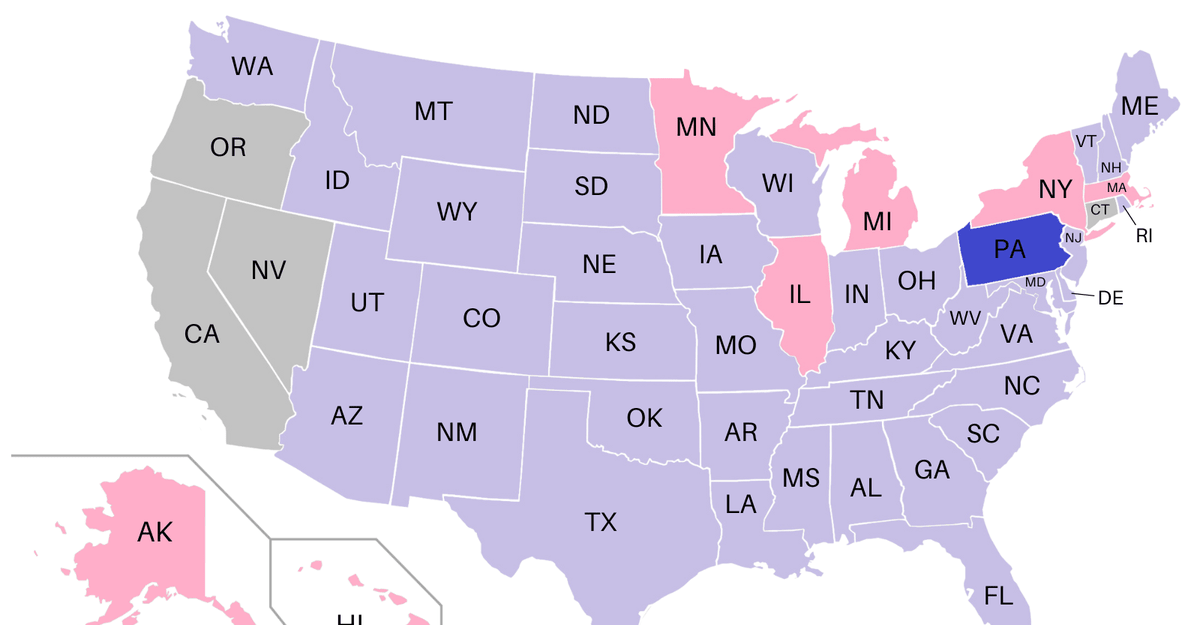
Oregon shares borders with Washington, California, Idaho, and Nevada. Among these, Idaho is a fully implemented compact state, and Washington has also enacted the NLC but is awaiting implementation (similar to Oregon). California and Nevada are not compact states and have no current legislation to join. For nurses living near the Oregon border, the lack of compact status means they cannot easily cross state lines to pick up shifts or accept positions in Oregon without a separate license. This can limit their professional scope and lifestyle choices, particularly for those who might commute or seek to leverage opportunities in both states.
Future Outlook for Oregon Joining the NLC
The full implementation of the NLC in Oregon is poised to be a game-changer for the state’s nursing workforce and healthcare accessibility. Once operational, it will significantly boost career flexibility for nurses, drawing more talent to Oregon’s hospitals, clinics, and rural health facilities. For nurses, this means greater ease in accepting travel assignments, pursuing temporary “business stays” for specialized projects, or relocating to enjoy Oregon’s unique blend of urban culture and natural beauty. The move will align Oregon with a growing number of U.S. states that recognize the benefits of simplified interstate practice, ultimately fostering a more adaptable and responsive healthcare system.
Conclusion
While Oregon has enacted legislation to join the Nurse Licensure Compact, it is not yet fully implemented as a compact nursing state. This means that, for the time being, nurses who wish to practice in Oregon must obtain a single-state license by endorsement through the Oregon State Board of Nursing. This process involves a comprehensive application, background checks, and verification of education and licensure history.
The eventual full implementation of the NLC in Oregon will undoubtedly usher in an era of enhanced professional mobility and flexibility for nurses, profoundly impacting their lifestyle choices and career trajectory. Travel nurses, relocating professionals, and those in border communities will experience a much smoother pathway to practice. Until then, prospective nurses in Oregon should meticulously follow the existing endorsement procedures and keep a close watch on updates from the Oregon State Board of Nursing for the official start date of compact licensure. This strategic planning ensures a seamless transition into a rewarding nursing career within the beautiful and dynamic state of Oregon.
LifeOutOfTheBox is a participant in the Amazon Services LLC Associates Program, an affiliate advertising program designed to provide a means for sites to earn advertising fees by advertising and linking to Amazon.com. Amazon, the Amazon logo, AmazonSupply, and the AmazonSupply logo are trademarks of Amazon.com, Inc. or its affiliates. As an Amazon Associate we earn affiliate commissions from qualifying purchases.