
The journey to the Willamette Valley in Oregon was one of the most arduous and defining travel experiences in American history, shaping the westward expansion of the United States. For millions, however, this monumental trek wasn’t undertaken by covered wagon, but by keyboard and screen. The Oregon Trail game stands as a cultural touchstone, an educational phenomenon that transformed the understanding of pioneer life into an interactive, often challenging, virtual travel experience. Far from a mere pastime, it introduced generations to the harsh realities and strategic decisions inherent in such an epic journey. The question of its origin, “When did The Oregon Trail game come out?”, unlocks a fascinating narrative of educational innovation, technological evolution, and the enduring appeal of historical travel simulation.
The Genesis of a Pioneering Virtual Journey
The story of The Oregon Trail game begins not in a sophisticated software lab, but in a classroom, born from the innovative spirit of educators seeking to make history more engaging. This humble beginning underscores its core purpose: to provide an immersive travel experience, albeit a virtual one, that conveyed the stakes and challenges of pioneer life.
Educational Roots and Early Innovation
In 1971, Don Rawitsch, a student teacher, was looking for a way to make his eighth-grade history lesson on the westward migration more compelling for his class at Bryant Junior High School in Minneapolis, Minnesota. Recognizing the limitations of traditional textbooks in conveying the visceral experience of the journey, he envisioned a game where students could make choices and face consequences, much like the pioneers themselves. With the help of his student-teacher colleagues, Bill Heinemann and Paul Dillenberger, Rawitsch developed a text-based computer game. This original iteration aimed to simulate the decision-making process inherent in the Oregon Trail journey, from managing supplies and hunting for food to coping with disease and navigating unpredictable environmental factors. It was a pioneering effort in educational technology, framing history as an active “experience” rather than a passive recitation of facts.
The Inaugural Release: A Trip Back in Time
The very first version of The Oregon Trail game was developed in just two weeks and launched in December 1971. It ran on a HP 2000C minicomputer, a behemoth by today’s standards, connected to a teletype machine. Students would interact with the game by typing commands and reading text responses printed on paper. This initial, purely text-based version tasked players with leading a wagon party from Independence, Missouri, to the Willamette Valley in Oregon during the year 1847. The core mechanics of managing resources, making critical decisions about pace, provisions, and hunting, and reacting to random events like illness or river crossings, were all present. This foundational release, though primitive, perfectly encapsulated the challenging travel experience of the pioneers and laid the groundwork for what would become one of the most beloved and influential educational games of all time.
Navigating the Digital Frontier: Evolution of The Oregon Trail Experience
After its initial run and subsequent deletion from the HP 2000C in 1974, the game found a new life through the Minnesota Educational Computing Consortium (MECC). Rawitsch, having joined MECC, rewrote the game in 1975, making it available to schools across Minnesota and eventually the nation. This marked the beginning of its widespread adoption and evolution, continually enhancing the virtual travel experience for players.
From Text to Graphics: Enhancing the Visual Travelogue
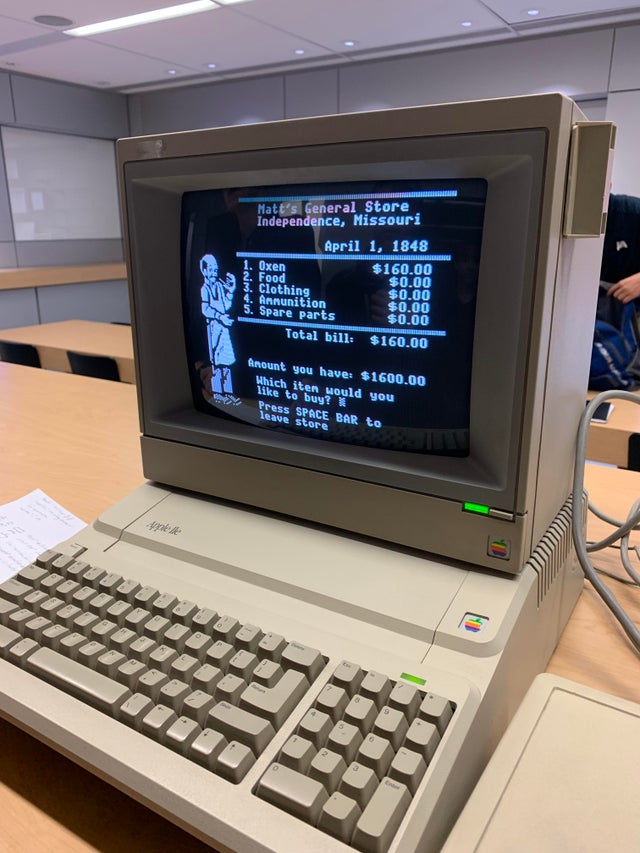
The significant leap in The Oregon Trail’s accessibility and immersive quality came with the advent of personal computers. In 1978, MECC released a version for the Apple II computer. This iteration, while still predominantly text-based, introduced rudimentary graphics, allowing players to see simplified representations of their wagon, the river they were crossing, or a buffalo they were hunting. This addition was revolutionary, transforming the mental image of the journey into a visual travelogue. Subsequent versions for platforms like MS-DOS, Commodore 64, and Macintosh throughout the 1980s and early 1990s continued to enhance the graphical experience, moving from pixelated representations to more detailed scenes. These visual upgrades profoundly deepened the players’ connection to the simulated travel experience, making the harsh landscapes of Kansas, Nebraska, Wyoming, and Idaho feel more tangible and the challenges more immediate.
Gameplay Mechanics and Their Reflection of Pioneer Travel
The core mechanics of The Oregon Trail have always mirrored the practical realities of pioneer travel, making it a powerful educational tool for understanding historical logistics and survival. Players began by purchasing supplies: food, ammunition, clothing, spare parts for the wagon, and oxen. This initial resource management was critical, as understocking meant certain failure, while overstocking meant a heavier, slower journey.
The game presented players with frequent choices:
- Pace of Travel: “Grueling,” “Strenuous,” or “Steady.” Each had implications for the party’s health, oxen’s stamina, and speed. A faster pace might get you to Oregon quicker but could exhaust your party or oxen.
- Rations: “Meager,” “Filling,” or “Bare Bones.” This directly impacted the health of the party, a constant battle against hunger and disease.
- Hunting: A mini-game where players could acquire more food, but at the cost of ammunition and time. This skill-based activity reinforced the necessity of self-sufficiency.
- River Crossings: Often presenting players with the choice to “ford,” “caulk the wagon and float,” or “wait for a ferry.” Each option carried risks, simulating the unpredictable and often perilous nature of natural obstacles encountered on the trail.
- Disease and Accidents: Random events like cholera, typhoid, snakebite, or broken wagon wheels were integral to the simulation. These events were often fatal or crippling, highlighting the brutal lack of medical care and infrastructure on the actual trail.
These mechanics, presented through a blend of text and evolving graphics, created a dynamic and often heartbreaking virtual travel experience. Players learned about the fragility of life, the importance of planning, and the sheer grit required to undertake such a journey. It wasn’t just a game; it was an interactive history lesson that allowed players to live (or die) by the same decisions as the pioneers.
The Enduring Legacy: A Cultural Landmark in Travel Simulation
From its humble beginnings as a classroom tool, The Oregon Trail game transcended its educational purpose to become a cultural phenomenon. Its impact on gaming, education, and our collective understanding of historical travel is immeasurable, solidifying its status as a landmark in simulation design.
Shaping Generations of Virtual Explorers
For many who grew up in the 1980s and 1990s, The Oregon Trail was their first exposure to computer gaming, and certainly their first immersive lesson in American history outside of textbooks. It ignited a sense of adventure and curiosity about the past, inviting players to metaphorically step into the shoes of pioneers. The repetitive, yet often thrilling, cycles of resource management, strategic decision-making, and coping with adversity instilled practical lessons in problem-solving and perseverance. It taught that even with the best planning, fate often played a cruel hand, mirroring the real risks of westward expansion.
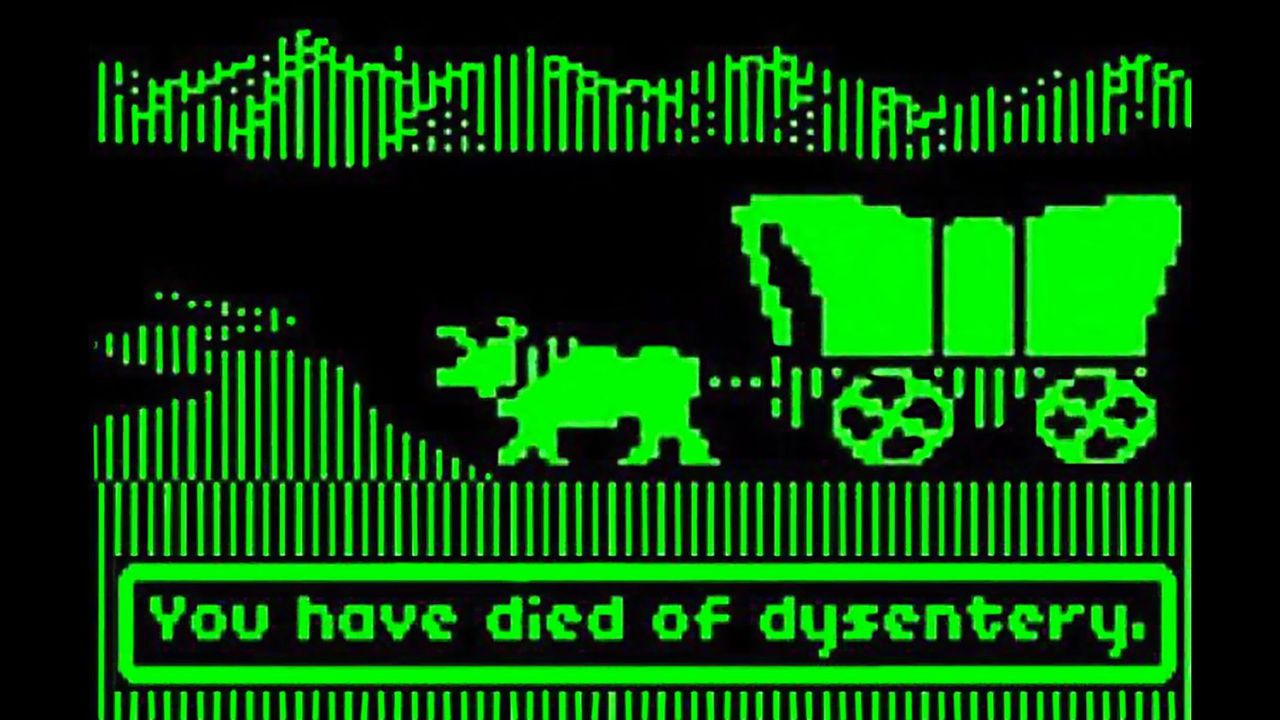
More profoundly, the game fostered empathy. By putting players directly in charge of their virtual family’s survival, it made the abstract struggles of 19th-century migrants profoundly personal. The anguish of a child dying from dysentery or the frustration of being robbed of precious supplies weren’t just game overs; they were poignant reminders of the immense sacrifices made during that era of historical travel. The Oregon Trail thus became more than an educational game; it was a simulator of human endurance and the harsh realities of a transformative historical journey.

Modern Echoes: Rediscovering the Trail Today
While the classic versions of The Oregon Trail evoke powerful nostalgia, the game’s influence continues to be felt in modern educational software and historical simulations. Numerous remakes, mobile adaptations for iOS and Android, and even modern console versions for systems like the Nintendo Switch demonstrate its enduring appeal. These contemporary iterations often update graphics and gameplay mechanics while striving to retain the educational core and the spirit of challenge that defined the original.
Furthermore, the game’s legacy is visible in the broader genre of simulation games, particularly those focused on survival, resource management, and historical accuracy. It proved that learning could be engaging and entertaining, paving the way for countless other educational titles. Even today, discussions about The Oregon Trail often revolve around shared memories of dysentery, hunting prowess, or the tragic loss of a wagon member, underscoring its deep imprint on popular culture and its successful role in making a challenging historical travel experience accessible and unforgettable.
From its original release in December 1971 to its countless iterations across various platforms, The Oregon Trail game has remained a vital educational tool and a beloved piece of interactive history. It effectively transformed the epic and perilous journey of the American pioneers into a captivating virtual experience, teaching generations about the trials and triumphs of westward expansion. More than just a game, it is a testament to the power of interactive media to bring history to life and make distant travel experiences profoundly personal.
LifeOutOfTheBox is a participant in the Amazon Services LLC Associates Program, an affiliate advertising program designed to provide a means for sites to earn advertising fees by advertising and linking to Amazon.com. Amazon, the Amazon logo, AmazonSupply, and the AmazonSupply logo are trademarks of Amazon.com, Inc. or its affiliates. As an Amazon Associate we earn affiliate commissions from qualifying purchases.