
Experiencing a work-related injury can be one of life’s most disruptive events, casting a shadow over not just immediate well-being but also long-term financial security and lifestyle aspirations. For residents of California, understanding the intricacies of the workers’ compensation system is paramount. It’s not merely about receiving a payment; it’s about securing the means to recover, rehabilitate, and ultimately, maintain the quality of life you value, whether that involves providing for your family, saving for future travels, or ensuring you can still pursue your passions. This comprehensive guide will delve into how much workers’ compensation typically pays in California, demystifying the various types of benefits and how they contribute to safeguarding your lifestyle during challenging times.
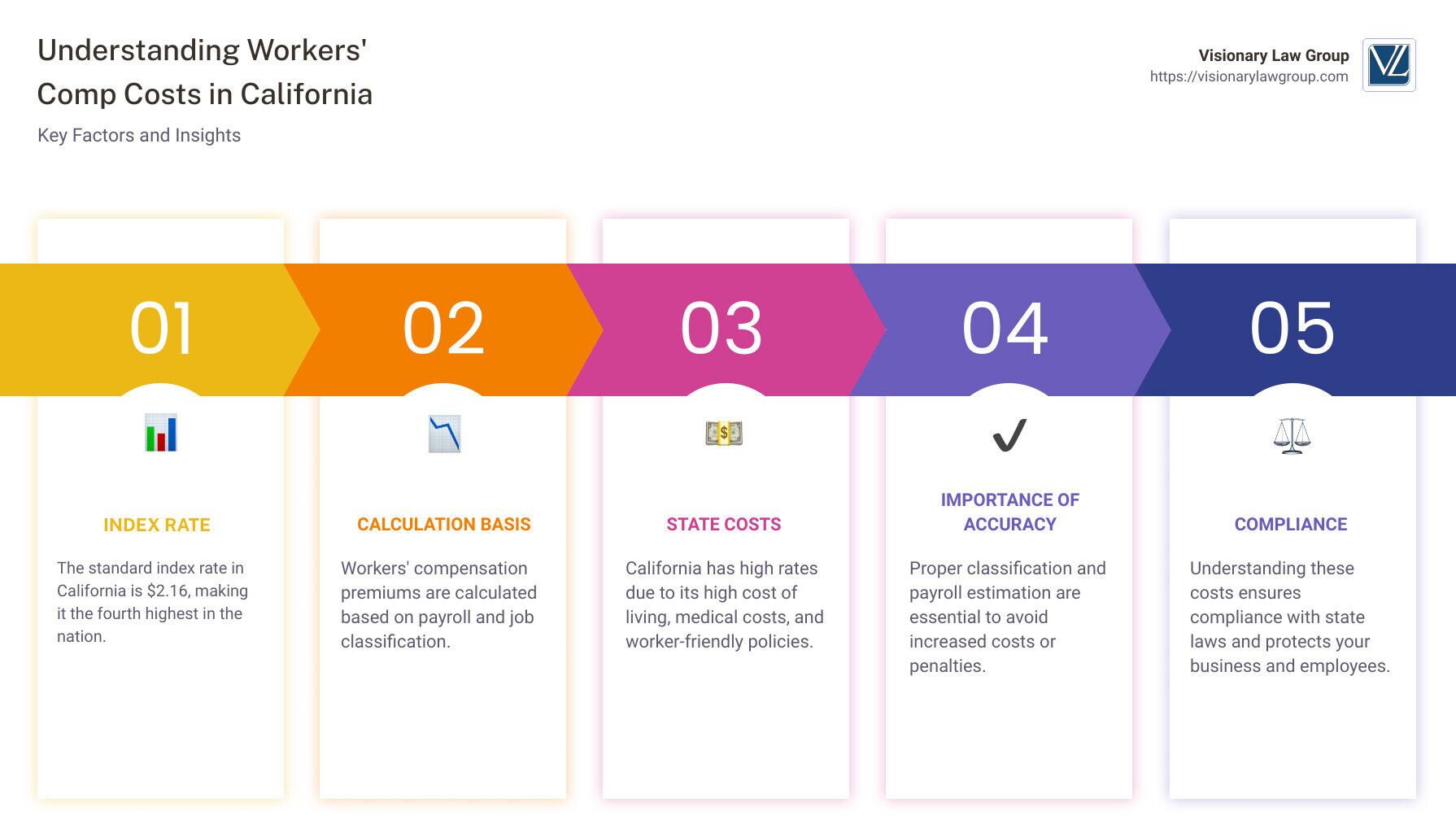
Navigating California’s Workers’ Compensation Landscape: A Foundation for Financial Stability
The workers’ compensation system in California is designed to provide injured workers with medical care, wage replacement, and other benefits without regard to fault. It’s a crucial safety net, ensuring that an unexpected injury doesn’t completely derail your financial planning and lifestyle goals. Knowing the components of this system is the first step toward understanding what you might receive and how it can support your recovery journey.
Eligibility and Covered Injuries
To qualify for workers’ compensation benefits in California, your injury or illness must be work-related. This can range from sudden accidents, like a fall at a construction site, to cumulative trauma injuries, such as carpal tunnel syndrome developed over years of repetitive tasks. Even psychological injuries resulting from specific workplace incidents can be covered. The key is demonstrating a direct link between your employment and the injury. Once established, the system kicks in to help stabilize your situation, allowing you to focus on healing rather than immediate financial panic, which is critical for maintaining a stable personal and family lifestyle.
Types of Benefits Available: Protecting Your Present and Future Lifestyle
California’s workers’ compensation system offers several categories of benefits, each designed to address different aspects of an injured worker’s needs:
- Medical Treatment: This is often the most immediate and critical benefit, covering all necessary and reasonable medical care to treat your work-related injury or illness. This includes doctor visits, hospital stays, prescriptions, physical therapy, and even mileage reimbursement for medical appointments. Access to quality medical care is foundational to recovery, enabling you to regain health and return to your desired lifestyle.
- Temporary Disability (TD) Benefits: These payments are intended to replace lost wages when you’re unable to work due to your injury. They are crucial for covering daily living expenses, ensuring your household budget remains stable and your current lifestyle isn’t drastically impacted during your recovery period.
- Permanent Disability (PD) Benefits: If your injury results in a permanent impairment even after your medical condition has stabilized, you may be entitled to PD benefits. These payments compensate for your diminished earning capacity and the lasting impact on your life, helping you adjust to new circumstances and potentially allowing for financial planning towards future lifestyle adjustments, such as retraining or adapting your home.
- Supplemental Job Displacement Benefit (SJDB): If your injury prevents you from returning to your usual job and your employer does not offer modified or alternative work, you might receive a non-transferable voucher to help pay for retraining or skill enhancement. This benefit is vital for workers looking to reinvent their careers and maintain their professional lifestyle despite a permanent injury.
- Death Benefits: In the tragic event of a work-related death, dependents of the deceased worker may receive payments to compensate for their loss, providing essential financial support to maintain their household and lifestyle.
Calculating Temporary Disability Payments: Maintaining Your Daily Lifestyle
Temporary Disability (TD) benefits are often the first form of wage replacement an injured worker in California receives, playing a critical role in sustaining their daily lifestyle during recovery. These payments are crucial for ensuring rent, groceries, utilities, and other essential expenses are met when you cannot work.
The Two-Thirds Rule and Wage Limits
In California, temporary disability payments are generally calculated at two-thirds of your average weekly gross wages earned prior to the injury. This calculation includes not just your hourly wage or salary but also overtime, bonuses, and the value of any benefits like lodging or meals if they were part of your regular compensation. However, there are statutory minimum and maximum weekly rates. For injuries occurring in 2024, for example, the minimum TD rate is approximately $242.17 per week, and the maximum is around $1,619.15 per week. These figures are updated annually by the California Department of Industrial Relations. Understanding these limits is important for budgeting and anticipating how your income will be affected, helping you manage your lifestyle expectations during your recovery.
Duration of Benefits and Impact on Household Budget
TD benefits typically begin when your doctor first states you are temporarily disabled from work and continue until you return to work, your doctor says you can return to work, or your condition becomes “permanent and stationary” (P&S) – meaning your medical condition has reached maximum medical improvement. In most cases, TD benefits are limited to 104 weeks (two years) over a five-year period from the date of injury. For certain severe injuries, like specific burns or chronic lung conditions, benefits can extend up to 240 weeks. Managing your household budget during this period is paramount. While two-thirds of your wage is a significant help, it’s often less than your full income, necessitating careful financial planning to maintain your accustomed lifestyle and avoid unnecessary financial stress. This careful planning can make the difference between a stressful recovery and one where you can focus on regaining health, perhaps even allowing for a small family trip or budget-friendly activity to keep spirits up.
Permanent Disability Payments and Long-Term Lifestyle Adjustments
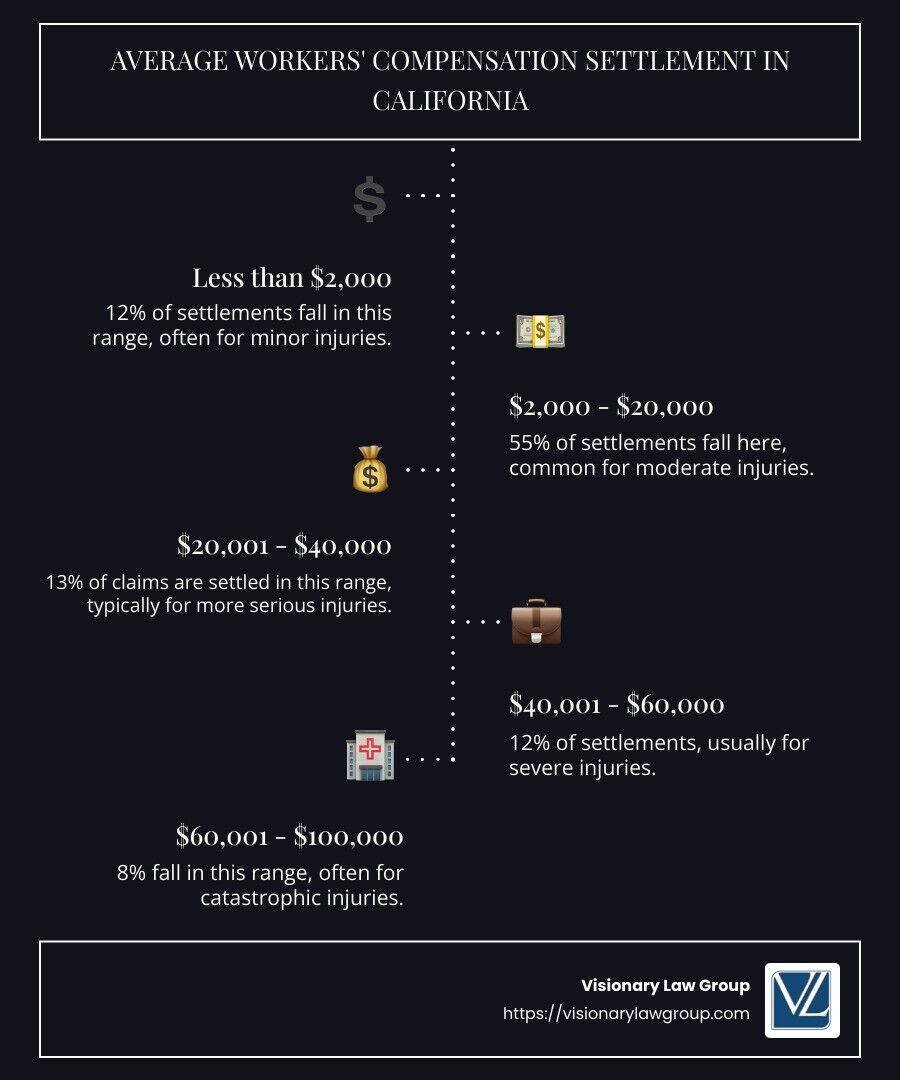
When a work injury leaves you with lasting effects, even after maximum medical improvement, California workers’ compensation provides Permanent Disability (PD) benefits. These payments acknowledge the long-term impact on your life, including diminished earning capacity and the general disruption to your chosen lifestyle.
Determining Impairment Ratings
The amount of permanent disability benefits you receive depends on your “permanent disability rating.” This rating is a percentage that reflects the degree to which your injury has permanently affected your body and your ability to work. It’s determined by a qualified medical evaluator (QME) or an agreed medical evaluator (AME), who assesses factors such as your impairment, age, occupation, and future earning capacity. A higher PD rating translates to higher benefits, directly influencing how significantly your lifestyle might be affected or how well you can adapt to new circumstances. For example, a higher rating might mean more financial flexibility to invest in new hobbies, adapt your home for accessibility, or even plan long-term travel dreams that might have been put on hold.
Factors Affecting Payment Amounts and Future Planning
PD payments are calculated based on your permanent disability rating, with each percentage point assigned a specific monetary value. Like TD benefits, these payments are also subject to statutory minimums and maximums, which vary depending on the date of injury. PD benefits are typically paid weekly, every two weeks, or monthly, but in some cases, a lump sum settlement (called a “Compromise and Release”) might be negotiated. This lump sum can be particularly useful for long-term lifestyle planning, allowing an individual to pay off debt, invest, or make significant purchases that support their new or adapted lifestyle – perhaps even putting money aside for a luxury travel experience or a significant family trip once they are well enough. Understanding these factors helps you make informed decisions about your future, ensuring your permanent disability benefits effectively support your long-term well-being and lifestyle choices.
Beyond Direct Payments: Navigating Medical Care and Rehabilitation for a Fuller Life
Workers’ compensation extends beyond just direct monetary payments. The provision of comprehensive medical care and, when necessary, vocational rehabilitation, are equally crucial for an injured worker to achieve the fullest possible recovery and reclaim their desired lifestyle.
Accessing Quality Medical Treatment
The right to receive necessary medical treatment for your work injury is a cornerstone of California’s workers’ compensation system. This includes everything from initial emergency care and diagnostic tests to ongoing specialist consultations, surgeries, physical therapy, and prescription medications. The goal is to restore you to maximum medical improvement. Ensuring access to high-quality care is paramount, as proper treatment directly impacts your recovery timeline and the extent to which you can return to your previous activities, whether that’s enjoying a walk in a California park, participating in family outings, or getting back to work that supports your lifestyle. While an employer often designates a medical provider network (MPN), you may have some choice in selecting your treating physician, especially after the initial visit.
Vocational Rehabilitation and Returning to Work
If your injury prevents you from returning to your old job, or if your employer cannot accommodate your restrictions, the system offers benefits to help you re-enter the workforce. The Supplemental Job Displacement Benefit (SJDB), mentioned earlier, provides a non-transferable voucher for education-related expenses, such as tuition, books, and licensing fees for new skills. This benefit is incredibly important for maintaining a fulfilling professional lifestyle. It empowers injured workers to learn new trades, pursue different career paths, or enhance existing skills, opening doors to new opportunities and ensuring they can continue to earn a living that supports their personal and family lifestyle goals. This might involve training for a job that allows more flexibility, potentially even enabling more travel or remote work in the future.
Strategic Financial Planning with Workers’ Compensation Benefits: Securing Your Lifestyle and Travel Dreams
Receiving workers’ compensation benefits in California is a critical step in recovering from a work injury, but maximizing these benefits requires strategic financial planning. Thinking proactively about how these payments integrate into your broader financial picture can significantly impact your ability to maintain your lifestyle and even pursue future aspirations, such as dream vacations or family experiences.
Budgeting for Recovery and Future Endeavors
Even with wage replacement, an injury can bring unforeseen expenses and alter your regular income flow. It’s essential to create a detailed budget that accounts for both your reduced income and any new costs associated with your recovery, such as specialized equipment, transportation to appointments, or increased childcare needs if you’re less mobile. Beyond immediate needs, consider how your temporary and permanent disability payments can contribute to long-term financial goals. Can a portion of your permanent disability settlement be invested? Could it cover a down payment for a future family trip, a business class ticket for a much-needed retreat, or fund a budget travel adventure once you’re fully recovered? By budgeting wisely, you can ensure that your workers’ compensation benefits not only cover necessities but also lay the groundwork for a secure and fulfilling lifestyle in the future.
Seeking Legal Guidance for Optimal Outcomes
Navigating the California workers’ compensation system can be complex, with specific deadlines, legal terminology, and potential disputes over benefit amounts or medical treatment. Seeking representation from an experienced workers’ compensation attorney can significantly impact the outcome of your claim. An attorney can ensure you receive all the benefits you are entitled to, negotiate on your behalf, and help you understand the long-term implications of any settlements. Their expertise can be invaluable in maximizing your compensation, thereby providing greater financial stability that directly supports your ability to maintain your lifestyle, pursue personal interests, and ultimately, achieve your travel dreams or other life goals without unnecessary financial strain. While workers’ compensation can’t undo an injury, understanding how it pays and leveraging professional guidance can empower you to confidently rebuild your life and plan for a vibrant future.
LifeOutOfTheBox is a participant in the Amazon Services LLC Associates Program, an affiliate advertising program designed to provide a means for sites to earn advertising fees by advertising and linking to Amazon.com. Amazon, the Amazon logo, AmazonSupply, and the AmazonSupply logo are trademarks of Amazon.com, Inc. or its affiliates. As an Amazon Associate we earn affiliate commissions from qualifying purchases.