
The gentle patter of raindrops against a windowpane can be a soothing sound, a lullaby to a lazy afternoon. However, for travelers whose carefully planned itineraries in Orlando hinge on sunshine and clear skies, a sudden downpour can quickly turn a dream vacation into a soggy disappointment. Orlando, a city synonymous with theme park thrills and endless entertainment, experiences a unique weather pattern, particularly when it comes to its frequent, yet often fleeting, rain showers. So, before you pack your flip-flops and sunhats, or perhaps a sturdy umbrella and a rain poncho, let’s delve into the reality of Orlando’s climate and how it might impact your visit.

The question “Is it raining in Orlando?” is one that many visitors ponder, especially those unfamiliar with the nuances of Central Florida’s weather. Unlike some destinations where rain signifies a prolonged period of gloom, Orlando’s rainfall is often characterized by its intensity and brevity. This is primarily due to the sub-tropical climate, which fuels the region’s famous afternoon thunderstorms. These are not typically the all-day, soaking rains that can disrupt plans for extended periods. Instead, they are often dramatic, albeit short-lived, events that can bring a refreshing respite from the heat. Understanding this pattern is key to maximizing your enjoyment of the “Theme Park Capital of the World.”
Understanding Orlando’s Unique Rainfall Patterns
Orlando’s weather is a dance between sunshine and sudden, sometimes spectacular, showers. The city enjoys a warm, humid climate for much of the year, with distinct wet and dry seasons. The wet season, typically running from May through October, is when you’re most likely to encounter those characteristic afternoon downpours. These are often fueled by the intense heat of the day interacting with the abundant moisture in the air, leading to the formation of cumulonimbus clouds. The result is a swift build-up of storm clouds, followed by a heavy burst of rain, often accompanied by thunder and lightning.
The “Pop-Up” Thunderstorm Phenomenon
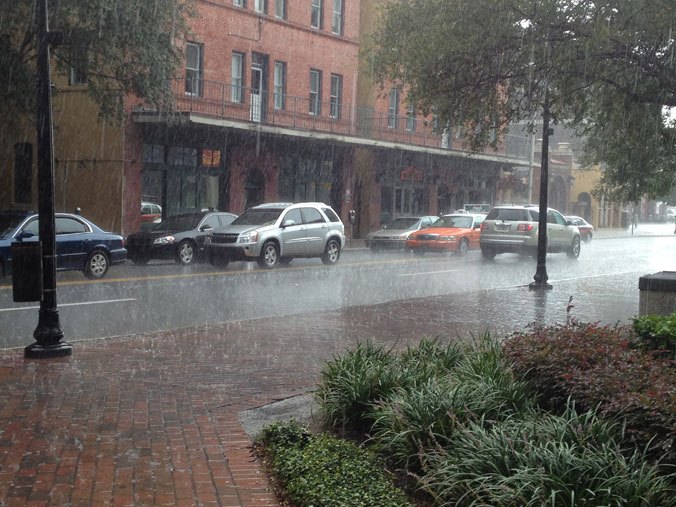
The most common type of rain event in Orlando is what locals affectionately (or sometimes frustratingly) refer to as a “pop-up” thunderstorm. These storms are notorious for their sudden appearance and disappearance. One moment, the sky might be a brilliant blue, and the next, dark clouds are gathering with astonishing speed. The rain itself can be torrential, creating temporary rivers on the sidewalks and turning theme park pathways into a flurry of hurried dashes for cover. However, the key aspect is their duration. Many of these storms last anywhere from 20 minutes to an hour, after which the sun often reappears as if nothing happened, leaving behind refreshed, albeit damp, surroundings.
This unpredictability is part of the charm, and the challenge, of visiting Orlando. It means that while a quick check of the weather forecast might show a high probability of rain, it doesn’t necessarily mean your entire day will be washed out. Often, the rain will pass over, leaving the rest of the day clear and pleasant, perfect for enjoying attractions like Walt Disney World Resort or Universal Orlando Resort.
Seasonal Variations and Their Impact on Rain
While pop-up thunderstorms are a year-round possibility due to the humid sub-tropical climate, their frequency and intensity are significantly influenced by the seasons.
The Wet Season: May to October
This period is characterized by its high temperatures, humidity, and the highest likelihood of rain. The afternoon thunderstorms are at their peak during these months, often occurring between 2 PM and 5 PM. While this might seem disruptive, it’s important to remember that these storms are usually localized and don’t necessarily impact the entire city simultaneously. Many visitors find that a quick shower can offer a welcome break from the heat, allowing them to recharge before venturing back out. Hotels and resorts in Orlando often have excellent indoor amenities, from sprawling water parks to immersive entertainment complexes, that can serve as perfect havens during a brief downpour. Even theme parks, while some outdoor rides may temporarily close, offer a wealth of indoor shows, shops, and dining experiences to keep you entertained.
The Dry Season: November to April
The cooler, drier months generally offer more predictable weather with less frequent rainfall. While occasional showers can still occur, they are less common and usually less intense than their wet-season counterparts. This period is often considered ideal for visiting Orlando, as the temperatures are more moderate, and the humidity is lower. However, even during these months, a stray thunderstorm can surprise you, so it’s always wise to be prepared. The absence of the constant threat of heavy rain can allow for more extended outdoor exploration, whether it’s exploring the natural beauty of Wekiwa Springs State Park or enjoying the vibrant nightlife of Downtown Orlando.
Preparing for Orlando’s Weather: Tips for a Seamless Trip
The key to enjoying Orlando regardless of the weather is preparedness. By understanding the local climate and adopting a flexible approach, you can ensure that a little rain doesn’t dampen your spirits or derail your vacation plans. Whether you’re staying in a luxurious suite at the Grand Floridian Resort & Spa or a budget-friendly apartment rental, proactive planning will make all the difference.
Essential Packing for All Weather Conditions
Packing smart is the first line of defense against unexpected weather. Even during the dry season, carrying a lightweight, packable umbrella is a wise decision. For the wet season, a good quality rain jacket or poncho is a must-have. Consider waterproof footwear, or at least shoes that dry quickly. Beyond rain gear, remember that Hydration and Sun Protection
The sub-tropical climate of Orlando means that staying hydrated is paramount, especially when spending long days at the theme parks or exploring attractions like >>box.com/busch-gardens-tampa-bay”>Busch Gardens Tampa Bay (a short drive away) to the serene beauty of Harry P. Leu Gardens. One of the greatest strengths of Orlando as a tourist destination is its abundance of world-class indoor attractions. When the skies open up, you’re never far from an engaging and entertaining alternative to outdoor activities. Theme parks like >>box.com/epcot”>Epcot offer numerous indoor rides, shows, restaurants, and shops. Beyond the parks, consider visiting the Kennedy Space Center Visitor Complex, the Orlando Science Center, or one of the many unique museums scattered throughout the city. The most successful Orlando visitors are those who embrace flexibility. Instead of rigidly scheduling every minute outdoors, build in some buffer time. If a rain shower is forecast, consider starting your day with an indoor activity or visiting a park known for its extensive indoor offerings. Many hotels in Orlando, such as the
Leveraging Indoor Attractions and Activities
Embracing Flexibility in Your Itinerary