
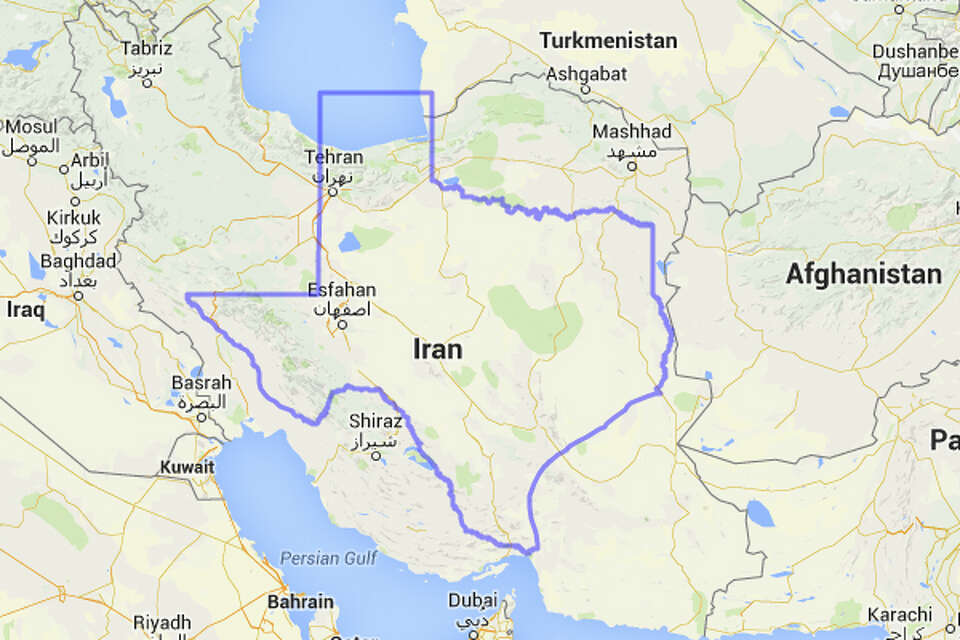
The vastness of a country or a state can be a curious point of fascination, especially when juxtaposed against familiar benchmarks. The question “Is Iran bigger than Texas?” might initially seem like a simple geographical query, but it opens a gateway to understanding the sheer scale of these two entities and, by extension, exploring the rich tapestry of experiences they offer to travelers, residents, and curious minds alike. While Texas is a titan in the American consciousness, its size when compared to the ancient Persian land of Iran is a revelation that prompts a deeper dive into what “bigger” truly means – in terms of landmass, cultural impact, and the sheer diversity of its attractions.
Unpacking the Dimensions: A Tale of Two Giants
At first glance, the question boils down to square miles. Texas, the second-largest state in the United States, boasts an impressive 268,596 square miles of diverse terrain, from the arid West Texas plains to the humid Gulf Coast. It’s a landscape that conjures images of sprawling ranches, vibrant cities, and a distinct Texan identity.
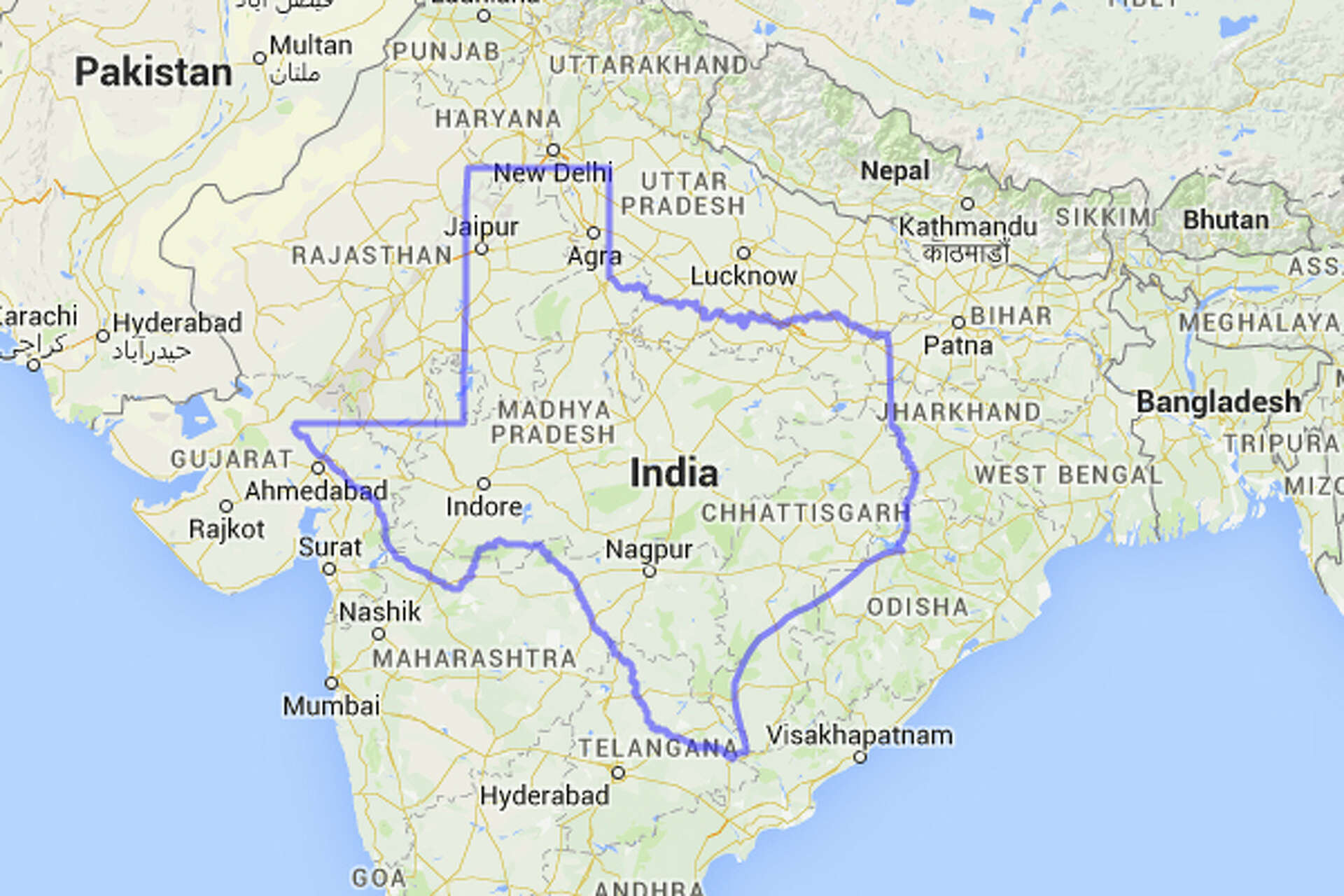
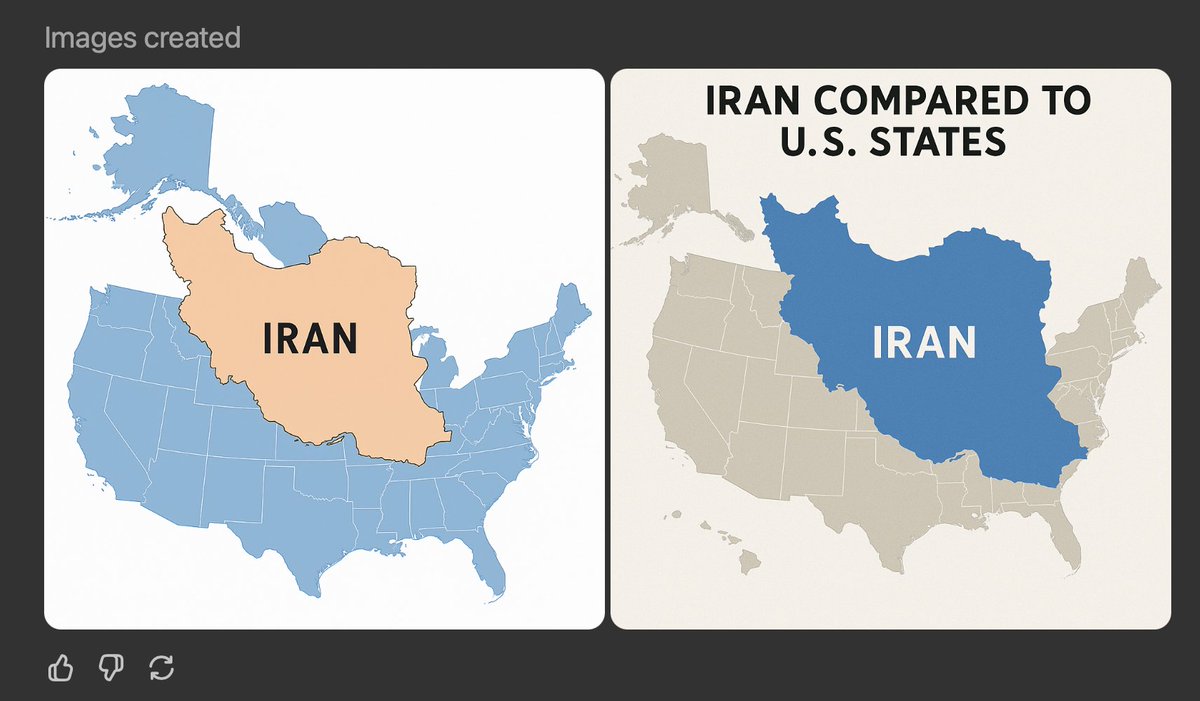
Iran, on the other hand, is a nation with a history stretching back millennia, a pivotal crossroads of civilizations. Its total area measures approximately 636,372 square miles. This stark numerical difference immediately answers the initial geographical query: yes, Iran is significantly larger than Texas. To put it in perspective, Iran is more than twice the size of Texas. This substantial difference in landmass has profound implications for the variety of landscapes, climates, and geographical features one can encounter.
The Geographic Canvas
The sheer scale of Iran means it encompasses a breathtaking array of geographical wonders. From the snow-capped peaks of the Alborz and Zagros mountains, offering world-class skiing and trekking opportunities, to the vast, arid deserts like the Dasht-e Kavir and Dasht-e Lut, which present starkly beautiful and challenging environments, the country is a geographical mosaic. The Caspian Sea coast in the north offers a verdant, humid climate, a stark contrast to the southern shores along the Persian Gulf and the Gulf of Oman, which are characterized by warmer temperatures and distinct coastal ecosystems.
Texas, while not as vast as Iran, is by no means geographically monotonous. Its size allows for a remarkable diversity within its borders. The Piney Woods of East Texas offer lush forests, a stark contrast to the rugged beauty of the Big Bend National Park in the west, where mountains meet desert. The sprawling plains of the Panhandle, the rolling hills of the Texas Hill Country, and the long, sandy coastline along the Gulf of Mexico all contribute to a varied and captivating landscape. Yet, when compared to Iran‘s continental scope, Texas’s geographical diversity, while impressive, occupies a more contained scale.
This difference in scale directly impacts the types of travel experiences available. A traveler exploring Iran might transition from experiencing the bustling bazaars of Tehran to the ancient ruins of Persepolis and then to the serene, desert landscapes, all within a single trip, albeit a long one. In Texas, such a transition might involve traveling across several states to experience similar extremes. The sheer expanse of Iran means that discovering its full potential for exploration would require a considerably longer duration of travel and a more extensive itinerary than one would typically plan for Texas.
Exploring the Cultural Heartbeats: Beyond the Miles
While geographical size is a quantifiable metric, the true richness of a destination often lies in its cultural depth, historical significance, and the diversity of human experiences it offers. Both Iran and Texas excel in this regard, albeit through vastly different historical narratives and cultural expressions.
Iran: A Cradle of Civilization
Iran, historically known as Persia, is an ancient land that has been at the nexus of empires and cultures for millennia. Its history is etched into its very landscape, with archaeological sites that whisper tales of forgotten dynasties and monumental achievements. The architectural marvels found in cities like Isfahan, with its breathtaking Naqsh-e Jahan Square and stunning mosques, or Shiraz, the city of poets and gardens, are testaments to a sophisticated artistic and intellectual heritage.
The cultural experiences in Iran are deeply intertwined with its rich history and traditions. From the intricate artistry of Persian carpets and miniatures to the profound influence of poets like Hafez and Saadi, the country offers a deep dive into a civilization that has shaped art, philosophy, and governance across vast regions. The warmth and hospitality of the Iranian people are legendary, and experiencing their culture firsthand, perhaps by sharing a cup of tea in a traditional teahouse or exploring vibrant local bazaars, is an unforgettable aspect of visiting Iran. The cuisine, too, is a significant draw, with diverse regional dishes that reflect the country’s varied geography and historical influences.
Texas: A Melting Pot of American Frontier Spirit
Texas possesses a unique cultural identity, a blend of frontier ruggedness, Southern charm, and a strong sense of self-reliance. Its history, though shorter than Iran‘s, is filled with dramatic events, from the struggle for independence to its role in the oil boom that reshaped the American economy. Cities like Austin, known for its live music scene and vibrant arts, Dallas with its sophisticated urban landscape and burgeoning culinary scene, and Houston, a hub of innovation and multiculturalism, offer a dynamic range of urban experiences.
The “Texan lifestyle” is often characterized by its iconic symbols: cowboy culture, barbecue, country music, and a spirit of independence. Beyond the cities, smaller towns offer glimpses into a more traditional way of life, with historic districts and local festivals celebrating the state’s heritage. The natural beauty of Texas, from the Gulf Coast beaches to the vast ranches, provides a backdrop for outdoor activities and a connection to the land. The culinary scene is another highlight, with world-renowned barbecue, Tex-Mex cuisine, and a growing fine-dining sector.
While the scales of their historical narratives and cultural formations are different, both Iran and Texas offer profound and diverse experiences. The “bigness” of Iran translates to an immense historical depth and a geographical breadth that can be overwhelming yet incredibly rewarding for explorers. Texas, on the other hand, offers a concentrated yet potent dose of American frontier spirit, with a cultural identity that is as bold and distinct as its landscapes.
Planning Your Journey: Navigating Scale and Experience
Understanding the comparative sizes of Iran and Texas is not just an academic exercise; it has practical implications for anyone considering a visit or exploring their offerings for accommodation and lifestyle. The sheer vastness of Iran necessitates careful planning for any travel itinerary.
Accommodation and Logistics in Iran
For travelers venturing into Iran, the range of accommodation options is as diverse as its landscapes. From luxurious hotels in Tehran and Isfahan that cater to international visitors, offering amenities like swimming pools and fine dining, to charming traditional guesthouses (known as “mosaferkhaneh”) in historic cities, the choices cater to various budgets and preferences. Boutique hotels are emerging in heritage buildings, providing unique stays steeped in local character. Longer-term stays might involve serviced apartments in larger cities or even exploring the possibility of renting traditional homes for an immersive experience.
Navigating Iran requires an understanding of its geography. Traveling between major cities often involves flights for longer distances due to the vastness of the country. However, for shorter inter-city journeys, comfortable bus networks and private car hires are common. The country’s extensive railway system also connects many major urban centers. When planning a trip, it’s crucial to allocate sufficient time to appreciate each region, as attempting to cover too much ground too quickly would be impractical and diminish the richness of the experience. For example, exploring the historical sites of Yazd and the deserts of Kavir might warrant a dedicated portion of the trip, separate from exploring the vibrant culture of Tabriz.
Accommodation and Lifestyle in Texas
In Texas, the scale of the state also influences travel and accommodation choices. Major cities like Dallas, Houston, and San Antonio offer a wide spectrum of hotels, from budget-friendly motels to luxurious five-star resorts and serviced apartments. For those seeking a more relaxed or immersive experience, the Texas Hill Country is dotted with charming bed and breakfasts, vineyard stays, and sprawling ranch resorts that offer a taste of rural life. Apartments for long-term stays are readily available in urban centers, catering to business travelers and longer-term residents.
The lifestyle in Texas can range from the high-octane urban experiences of its metropolises to the laid-back charm of its smaller towns and the adventurous spirit of its natural landscapes. Family trips can explore everything from theme parks and museums in San Antonio to camping and hiking in Big Bend National Park. Business stays are well-catered for in the major economic hubs. The culinary scene is a significant part of the lifestyle, with a strong emphasis on local produce and regional specialties.
In conclusion, while the initial question “Is Iran bigger than Texas?” is definitively answered in the affirmative by sheer landmass, the comparison extends far beyond mere square miles. Both Iran and Texas are vast and complex entities, each offering a unique and compelling narrative of geography, history, culture, and lifestyle. Iran presents a continental scale of ancient wonders and diverse landscapes, demanding extensive exploration. Texas, while smaller, offers a concentrated and vibrant experience of the American spirit, with its own distinct geographical and cultural tapestry. Ultimately, the “bigness” of a place is not just measured in miles, but in the depth of its experiences and the indelible mark it leaves on the traveler.
LifeOutOfTheBox is a participant in the Amazon Services LLC Associates Program, an affiliate advertising program designed to provide a means for sites to earn advertising fees by advertising and linking to Amazon.com. Amazon, the Amazon logo, AmazonSupply, and the AmazonSupply logo are trademarks of Amazon.com, Inc. or its affiliates. As an Amazon Associate we earn affiliate commissions from qualifying purchases.