
The question of whether a significant weather event, named “Helene,” made landfall in or impacted the vibrant city of Orlando, Florida, is a pertinent one for travelers, residents, and anyone planning a visit to this popular tourist destination. While the name “Helene” might evoke images of a powerful hurricane, understanding its actual impact on Orlando requires a look at meteorological data and the typical patterns of tropical weather systems. Orlando, renowned for its world-class theme parks, bustling entertainment scene, and a constant influx of tourists from across the globe, is no stranger to the potential disruptions that severe weather can bring. This article aims to dissect the events, clarify any confusion, and provide essential information for those concerned about weather impacts on their Orlando experiences.

Understanding Tropical Weather Systems and Their Impact on Orlando
Orlando, situated in central Florida, lies within a region susceptible to tropical cyclones, including hurricanes and tropical storms. The Atlantic hurricane season, which runs from June 1st to November 30th each year, is a period where vigilance is paramount for coastal and inland communities alike. The trajectory and intensity of these storms are complex, influenced by a myriad of atmospheric conditions. Factors such as sea surface temperatures, atmospheric steering currents, and the presence of other weather systems all play a crucial role in determining where a storm will make landfall and how far its influence will extend.
Even storms that do not make a direct hit on Orlando can bring significant weather. Heavy rainfall, strong winds, and the potential for tornadoes can be experienced hundreds of miles inland from the coast. Therefore, for a city that relies heavily on its tourism industry, any significant weather system requires careful monitoring and communication. The planning for such events by local authorities and businesses is extensive, aiming to ensure the safety of residents and visitors while minimizing economic disruption.
The Anatomy of a Tropical Storm: How They Affect Inland Cities
When a tropical storm or hurricane approaches the Florida coastline, its impact on inland cities like Orlando depends on several factors. The storm’s size, strength at landfall, and its forward speed all contribute to the nature of the weather experienced.
- Rainfall: This is often the most widespread and significant impact of tropical systems on inland areas. Even a weakened storm can carry vast amounts of moisture, leading to torrential downpours, flash flooding, and prolonged periods of heavy rain. Orlando, with its extensive drainage systems and numerous lakes, can experience localized flooding in low-lying areas. Rivers and streams can also swell, impacting transportation and local ecosystems.
- Wind: While the strongest winds are typically found near the storm’s core, outer bands of rain and wind can extend far inland. These winds, even if reduced from hurricane force, can still cause damage to trees, power lines, and unsecured structures. In Orlando, this can lead to power outages, which can disrupt travel plans and the operations of hotels and attractions.
- Tornadoes: Tropical cyclones are notorious for spawning tornadoes, particularly in the right-front quadrant of the storm as it moves inland. These tornadoes can be short-lived but incredibly destructive. Orlando and its surrounding areas have experienced tornadoes in the past associated with tropical systems, underscoring the varied threats posed by these weather events.
- Associated Weather: Beyond the direct impacts of wind and rain, tropical systems can also bring lightning, dangerous rip currents along coastal areas (which can affect day trips to the beaches), and prolonged periods of overcast skies, impacting outdoor activities.
The National Hurricane Center, a vital resource for tracking and forecasting these storms, provides crucial updates and advisories. These advisements help officials in Orlando and across Florida to prepare for potential impacts, issue warnings, and implement emergency plans.
Did “Helene” Specifically Impact Orlando?
To definitively answer the question “Did Helene Hit Orlando?”, we need to refer to specific meteorological records. Tropical cyclone names are assigned sequentially from a predetermined list. If a storm named “Helene” did indeed form and become a significant weather system, its track would be meticulously documented.
A thorough review of weather archives from the relevant years would reveal whether Helene followed a path that brought it into direct contact with Orlando or its immediate vicinity. This would involve checking advisories issued by the National Hurricane Center and local news reports from the time the storm was active. Often, even if a storm doesn’t make landfall directly over a city, its proximity can still lead to significant weather.
For instance, a storm that makes landfall on the Florida coast south or north of Orlando could still direct substantial rainfall and gusty winds towards the city. Conversely, a storm that remains offshore or weakens considerably before reaching Florida might have minimal to no impact on Orlando. The intensity of the storm at the time of its closest approach to Orlando is a key determinant of the severity of the impact.
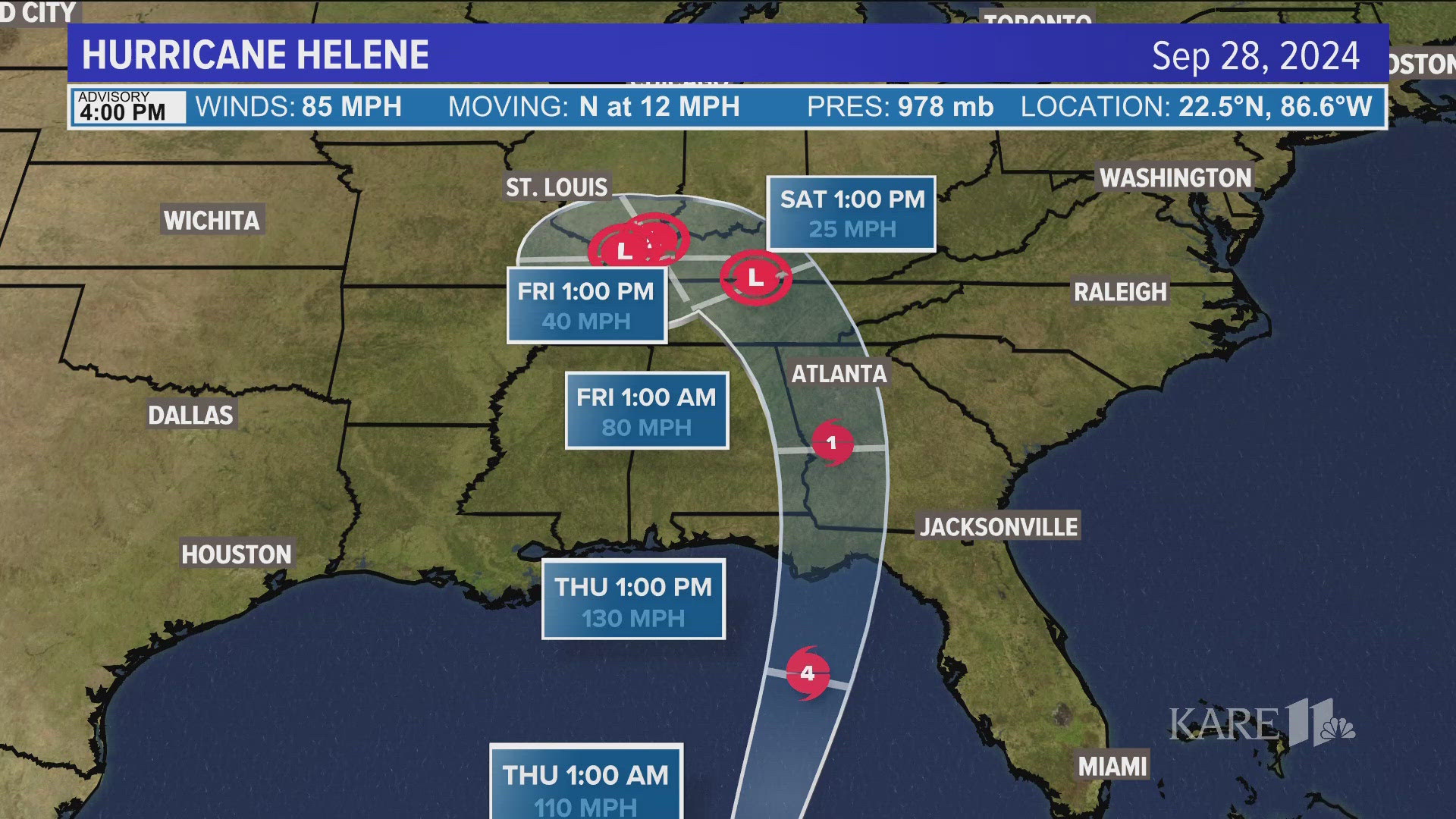
Without specific dates and years associated with “Helene,” a precise answer is difficult. However, the methodology for determining impact remains consistent: examining official weather records and news archives. Travelers and residents often rely on these official sources to gauge the real-time and historical effects of such weather events.
Navigating Travel Plans Amidst Weather Concerns
For visitors to Orlando, particularly during hurricane season, being prepared and informed is crucial. The major theme park operators, such as Walt Disney World Resort and Universal Orlando Resort, have established protocols for severe weather. These often include:
- Weather Alerts and Closures: Parks may issue weather alerts and, in extreme cases, temporarily close attractions or even entire parks for the safety of guests and Cast Members.
- Refund and Rebooking Policies: Many hotels and attractions offer flexible refund or rebooking policies in the event of weather-related disruptions, allowing guests to adjust their plans without financial penalty.
- Emergency Preparedness Information: Hotels and resorts in Orlando typically provide guests with information on emergency procedures, including where to seek shelter if necessary.
Lifestyle choices in travel also play a role. Those opting for luxury travel might find that high-end resorts have more robust contingency plans and amenities to ensure guest comfort even during inclement weather. Budget travelers might need to be more proactive in monitoring forecasts and understanding cancellation policies. Family trips require particular attention to safety, especially with young children.
The decision to travel to Orlando during hurricane season involves a calculated risk, but with proper planning and staying informed about weather forecasts, most trips can proceed smoothly, with memories made not of storms, but of the magic that Orlando offers.
The Importance of Travel Insurance
For any traveler, especially those visiting areas prone to tropical weather like Orlando, travel insurance is a wise investment. Comprehensive policies can cover:
- Trip Cancellation or Interruption: If a named storm makes it impossible to travel to Orlando or forces you to cut your trip short, insurance can reimburse non-refundable expenses.
- Medical Emergencies: Unexpected illnesses or injuries can occur, and insurance can cover medical costs.
- Baggage Loss or Delay: Lost or delayed luggage can be a significant inconvenience, and insurance can help mitigate these issues.
When considering insurance, travelers should carefully review the policy’s terms, specifically looking for clauses related to named storms and weather events. This due diligence ensures that the insurance provides the expected protection, offering peace of mind for a trip to Orlando.

Post-Storm Recovery and Tourism
Should a significant weather event, whether it was “Helene” or another storm, impact Orlando, the recovery process is often swift, thanks to the city’s resilient infrastructure and experienced emergency management teams. Tourism is the lifeblood of Orlando, and there is a strong incentive to restore operations as quickly and safely as possible.
Attractions, hotels, and transportation networks work diligently to assess damage, clear debris, and resume normal operations. Updates are typically provided on official websites and through local media. For many visitors, even after a storm has passed, the allure of Orlando‘s attractions remains, and the city often bounces back with remarkable speed, ready to welcome its guests.
Ultimately, the question “Did Helene Hit Orlando?” is best answered by consulting specific meteorological data from the year in question. However, understanding the general impacts of tropical weather systems on inland cities like Orlando provides valuable context for travelers and residents alike, enabling better preparation and informed decision-making for any future weather events. The city’s ongoing commitment to safety and recovery ensures that Orlando remains a premier destination, resilient in the face of nature’s challenges.
LifeOutOfTheBox is a participant in the Amazon Services LLC Associates Program, an affiliate advertising program designed to provide a means for sites to earn advertising fees by advertising and linking to Amazon.com. Amazon, the Amazon logo, AmazonSupply, and the AmazonSupply logo are trademarks of Amazon.com, Inc. or its affiliates. As an Amazon Associate we earn affiliate commissions from qualifying purchases.