
Nestled in the heart of the Texas Coastal Bend region, Victoria stands as a vibrant testament to the Lone Star State’s rich history, diverse landscapes, and strategic importance. Often referred to as “The Crossroads,” this captivating city’s location is more than just a dot on a map; it’s a pivotal point that defines its character, accessibility, and appeal as a travel destination. For those wondering about its precise whereabouts and what that means for an enriching travel experience, Victoria offers a compelling answer, positioning itself as an ideal hub for exploring the multifaceted beauty of South-Central Texas.

Its unique geographical placement allows it to serve as a gateway to both the bustling metropolitan centers and the serene natural beauty of the Gulf Coast. This article delves into the exact location of Victoria, exploring how its strategic position influences its identity, shapes its attractions, and makes it a must-visit for travelers seeking an authentic Texas adventure. From its historical roots tied to a crucial river system to its modern-day role as an economic and cultural nexus, Victoria’s location is intrinsically linked to every facet of its charm.
The Strategic Position of Victoria, Texas
To truly appreciate Victoria, one must first understand its foundational geography. Situated approximately 30 miles inland from the Gulf of Mexico, Victoria boasts a prime location that has historically made it a vital center for trade, agriculture, and community development. This mid-coastal proximity imbues the city with a unique blend of inland and coastal influences, reflected in its climate, ecosystems, and cultural offerings.
Geographical Coordinates and Regional Context
Geographically, Victoria is located at roughly 28.80° N latitude and 96.99° W longitude. More broadly, it lies within the South-Central Texas region, specifically in what is known as the Coastal Bend, where the flat coastal plains begin to gently roll into the interior. This region is distinguished by its fertile soils, abundant wildlife, and a climate that benefits from the moderating influence of the nearby Gulf.
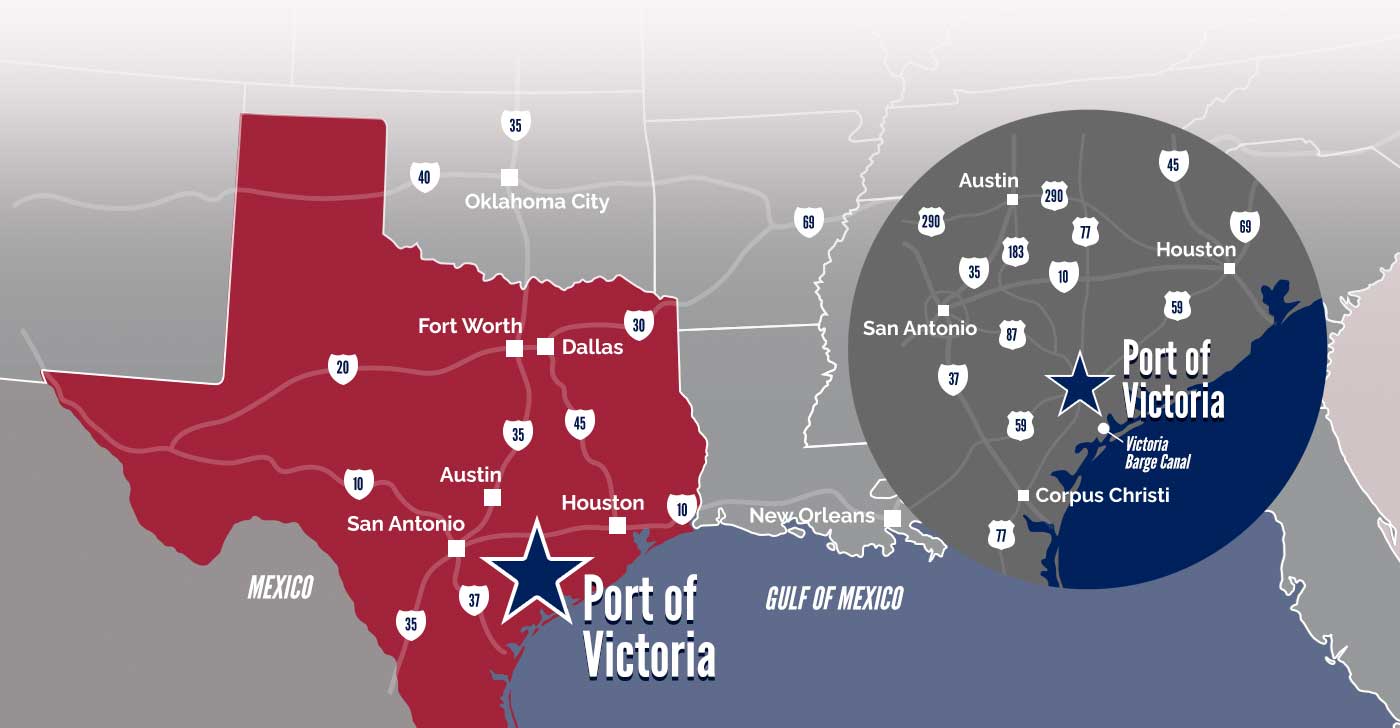
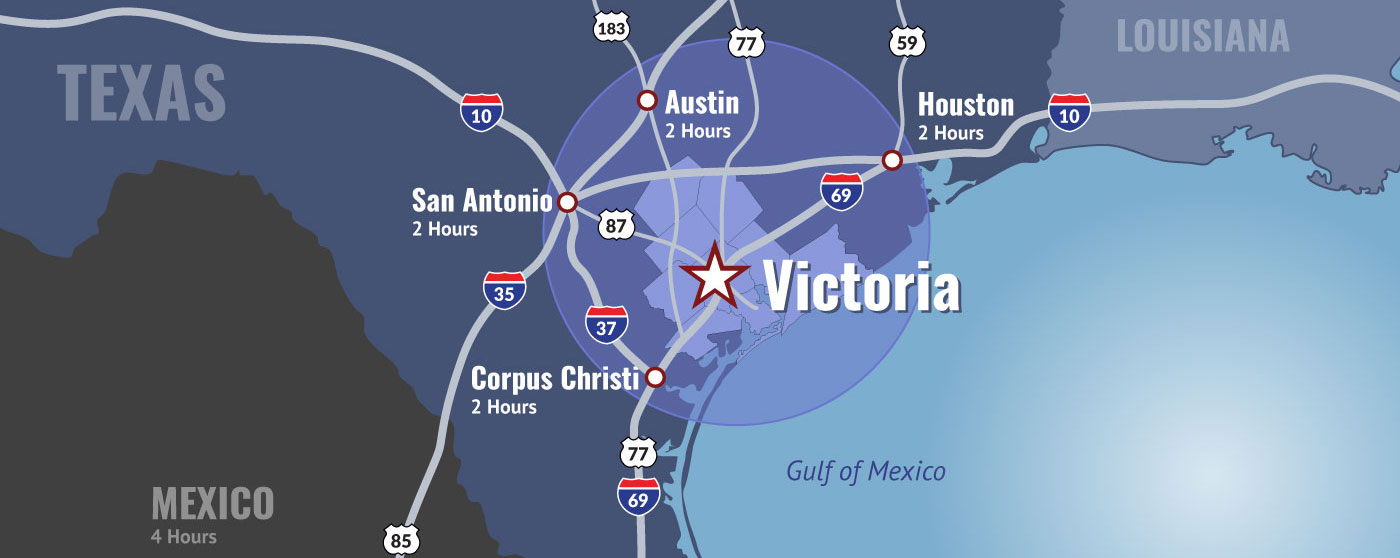
What truly solidifies Victoria’s “Crossroads” moniker is its enviable proximity to several of Texas’s major metropolitan areas. It’s approximately a two-hour drive southwest of Houston, two hours southeast of San Antonio, two and a half hours south of Austin, and a mere hour and a half north of Corpus Christi. This positions Victoria perfectly for travelers looking to explore multiple facets of Texas without excessive travel times between diverse destinations.
The city is also intersected by several key highways, enhancing its accessibility. U.S. Highway 59, soon to be upgraded to Interstate 69, runs directly through Victoria, connecting it directly to Houston and points north. U.S. Highway 77 provides a crucial north-south link, extending from the Mexican border up towards Austin, while U.S. Highway 87 connects Victoria to San Antonio and the central Texas Hill Country. This robust network of roadways makes Victoria an easy and logical stop for road trippers and a convenient base for regional explorations.
A Gateway to Diverse Landscapes
Victoria’s location is a geographical sweet spot, serving as a transition zone where distinct Texas ecosystems converge. To its west lie the vast ranches and brush country, a landscape synonymous with the cowboy heritage of Texas. To the east, one finds the sprawling coastal prairies and wetlands, vital habitats for migratory birds and unique flora. To the south, the influence of the Gulf of Mexico becomes paramount, leading to coastal marshes, bays, and barrier islands.
Crucially, the city is bisected by the Guadalupe River, a lifeblood that has shaped the region’s history and continues to be a significant natural asset. The confluence of the Guadalupe River and the San Antonio River just south of Victoria creates a rich riparian environment, supporting diverse wildlife and offering abundant recreational opportunities. This blend of riverine, prairie, and coastal environments makes Victoria a microcosm of Texas’s natural diversity, directly accessible from its urban core.
Why Victoria’s Location Matters for Travelers
For the discerning traveler, Victoria’s location isn’t just a point of interest; it’s a strategic advantage that unlocks a myriad of travel possibilities. Its central yet accessible position makes it an exceptional basecamp for those wishing to delve deep into the heart of Texas culture, history, and natural beauty without constant relocation.
Central Hub for Texas Explorations
One of the primary benefits of Victoria’s location is its utility as a central hub. From here, day trips to the shimmering shores of the Gulf Coast are effortlessly planned. Destinations like Port Lavaca, with its tranquil bays, and the charming artist community of Rockport are just a short drive away. For those seeking more bustling coastal experiences, Corpus Christi, home to the Texas State Aquarium and the USS Lexington Museum, is within easy reach. Travelers can enjoy beach activities, fishing charters, and fresh seafood, returning to the comfort and quieter pace of Victoria by evening.
Beyond the coast, Victoria’s proximity to Houston, San Antonio, and Austin means that world-class museums, historic sites like The Alamo, vibrant music scenes, and diverse culinary landscapes are all within a two to two-and-a-half-hour radius. This allows visitors to craft itineraries that combine metropolitan sophistication with authentic small-town charm and natural escapades, all radiating from a single lodging base.
The region around Victoria is also dotted with natural attractions, particularly wildlife refuges and state parks that benefit from its location in a migratory bird path and its abundant water sources. These offer unparalleled opportunities for birding, hiking, and wildlife photography, catering to eco-tourists and nature enthusiasts.
Accessibility and Transportation
Ease of access is paramount for any travel destination, and Victoria excels in this regard. The robust highway system surrounding the city means that driving is the most common and convenient way to arrive. The smooth, well-maintained roads make for pleasant journeys, connecting Victoria seamlessly to other parts of Texas.
For those preferring to fly, the Victoria Regional Airport (VCT) offers regional air service, primarily connecting to Houston’s George Bush Intercontinental Airport (IAH). This provides a viable option for travelers from further afield, allowing them to reach Victoria with relative ease before renting a car for local exploration. While public transportation within the city is limited, the compact nature of Victoria makes driving and ride-sharing services practical for getting around and accessing its various attractions.
Discovering Victoria: Attractions Stemming from its Location
Victoria’s identity as a travel destination is deeply intertwined with its location. The very fabric of its history, its natural offerings, and its community spirit are all products of where it sits on the map, making for a uniquely rich and authentic visitor experience.
Historical Significance and Heritage
Founded in 1824 by Martín De León, the only Mexican empresario to establish a colony in Texas, Victoria’s strategic position along the Guadalupe River was crucial for its early growth as a trading and agricultural center. This prime riverine location made it accessible for transporting goods and people, shaping its role in the complex narrative of Texas independence and early statehood.
Today, this rich history is preserved and celebrated throughout the city. The historic downtown area, with its beautiful architecture, speaks volumes of its past prosperity. Visitors can embark on an Old Victoria Driving Tour to marvel at antebellum homes and learn about the city’s foundational families. The Museum of the Coastal Bend, located on the campus of Victoria College, brilliantly narrates the story of the region’s diverse inhabitants, from ancient indigenous cultures to Spanish explorers and Anglo settlers, providing context to how the land and its resources shaped human habitation here. Its exhibits directly reflect the geographical and historical significance of Victoria’s position.
Nature and Outdoor Pursuits
Given its location at the intersection of various ecosystems and along the Guadalupe River, Victoria is a paradise for outdoor enthusiasts. The Guadalupe River itself offers opportunities for kayaking, canoeing, and fishing, with several access points within and around the city. Riverside Park, one of Texas’s largest municipal parks, sprawls along the riverbanks, providing miles of trails for walking, jogging, and biking, as well as playgrounds and picnic areas. Within Riverside Park lies the Arboretum at Riverside Park, showcasing native Texas plants and offering a tranquil escape.
Just a short drive away, Coleto Creek Park & Reservoir is a sprawling recreational area perfect for camping, fishing, boating, and swimming. Its vast reservoir and surrounding natural areas provide a habitat for a wide array of wildlife, especially birds, owing to Victoria’s position along the Central Flyway migratory route. The Victoria Educational Gardens offer another delightful outdoor experience, providing inspiration for gardeners and a serene setting for a stroll. The city’s proximity to the coast also means excellent birding opportunities, with numerous species passing through or residing in the nearby wetlands and coastal areas.
Cultural and Community Experiences
Victoria’s location has also fostered a strong sense of community and a vibrant local culture that travelers can enjoy. The Victoria Main Street Program actively revitalizes the historic downtown, hosting events, farmers’ markets, and cultural gatherings that highlight local talent and products. From live music venues to art galleries and boutique shops, the downtown area pulsates with local energy.
Throughout the year, Victoria hosts various festivals and events that draw on its unique heritage and community spirit. Bootfest, an annual celebration of Texas heritage, is a prime example, offering live music, food, and family-friendly activities. The city’s culinary scene, influenced by its diverse history and proximity to both ranching and coastal areas, offers everything from classic Texas BBQ to fresh Gulf seafood, providing a true taste of the region.
Planning Your Trip to Victoria, Texas
Understanding “Where Is Victoria, Texas Located?” not only answers a geographical question but also lays the groundwork for planning an unforgettable journey. Its prime location dictates the best times to visit, how to get around, and how to integrate it into a broader Texas itinerary.
Best Time to Visit
The most pleasant times to visit Victoria are during the spring (March to May) and fall (September to November). During these seasons, the weather is typically mild and comfortable, ideal for exploring outdoor attractions, enjoying festivals, and taking day trips to the coast or surrounding natural areas. Summers can be hot and humid, characteristic of South Texas, while winters are generally mild with occasional cold snaps.
Getting Around
As previously mentioned, a car is highly recommended for exploring Victoria and its surrounding attractions. While the city itself is navigable, many of the natural parks, historical sites, and coastal towns that make Victoria an ideal hub are best reached by personal vehicle. Car rental services are available at the Victoria Regional Airport and within the city.
A Starting Point for Greater Texas Adventures
Ultimately, Victoria’s location makes it more than just a single destination; it’s a strategic starting point for travelers eager to experience the vast diversity of Texas. Whether your interest lies in delving into profound history, savoring authentic local cuisine, communing with nature, or simply enjoying the relaxed pace of a charming Southern city, Victoria offers a unique vantage point. Its position as “The Crossroads” truly enables a comprehensive exploration of the Texas Coastal Bend and beyond, promising an enriching and memorable travel experience.
In conclusion, Victoria, Texas, is centrally located in the Coastal Bend region, offering unparalleled access to major cities, Gulf Coast attractions, and diverse natural landscapes. Its strategic position has shaped its history, culture, and array of travel experiences, making it an insightful and engaging destination for any traveler venturing into the heart of the Lone Star State.
LifeOutOfTheBox is a participant in the Amazon Services LLC Associates Program, an affiliate advertising program designed to provide a means for sites to earn advertising fees by advertising and linking to Amazon.com. Amazon, the Amazon logo, AmazonSupply, and the AmazonSupply logo are trademarks of Amazon.com, Inc. or its affiliates. As an Amazon Associate we earn affiliate commissions from qualifying purchases.