
The question of whether Hurricane Milton directly impacted Orlando is one that echoes through the minds of residents, tourists, and businesses alike when severe weather looms. As a city renowned for its vibrant theme parks, bustling tourism industry, and as a gateway to countless Florida adventures, the safety and accessibility of Orlando are paramount. Understanding the path and intensity of a hurricane like Milton is crucial for anyone planning a trip, looking for accommodation, or simply trying to gauge the impact on local life and the broader tourism landscape.
This article aims to provide clarity on the effects of Hurricane Milton on Orlando, drawing on information related to travel, accommodation, tourism, and the city’s iconic landmarks. We will explore the storm’s trajectory, the precautions taken, and the eventual outcome for this popular travel destination.

Understanding Hurricane Paths and Orlando’s Vulnerability
Orlando, situated in the heart of Florida, is not directly on the coast, which often provides a degree of protection from the most devastating storm surges experienced by coastal cities. However, this inland location does not render it immune to the powerful forces of a hurricane. Inland areas are susceptible to high winds, torrential rainfall, flash flooding, and the spin-off tornadoes that can accompany a major storm system.
The intensity of a hurricane is measured on the Saffir-Simpson Hurricane Wind Scale, categorizing storms from Category 1 (74-95 mph winds) to Category 5 (157+ mph winds). The potential damage increases exponentially with each category. Therefore, understanding where a hurricane makes landfall is only the first step; its projected path inland and the weakening or strengthening it undergoes are equally important factors.
Factors Influencing Hurricane Impact on Orlando
- Landfall Location: A hurricane making landfall on the Atlantic coast of Florida could track northwestwards, potentially bringing significant wind and rain to Orlando. Conversely, a storm hitting the Gulf Coast might weaken considerably before reaching the central part of the state, or its track could steer it away entirely.
- Storm Intensity at Inland Transit: Even a weakened hurricane can still produce damaging winds, heavy downpours, and cause widespread power outages. The speed at which the storm moves also influences the duration of these impacts.
- Geographic Features: While Orlando is not coastal, its numerous lakes, rivers, and drainage systems can exacerbate flooding risks during periods of intense rainfall. Urban areas are also prone to flash flooding due to impervious surfaces.
- Preparedness and Infrastructure: The resilience of Orlando’s infrastructure, including its transportation networks, power grid, and emergency services, plays a vital role in mitigating the effects of a storm.
When a storm like Hurricane Milton is developing, meteorological agencies, such as the National Hurricane Center, provide detailed track forecasts and intensity predictions. These forecasts are essential for local authorities to issue warnings and for individuals to make informed decisions about their safety and travel plans.
Hurricane Milton’s Trajectory and Orlando’s Experience
To answer the question definitively, “Did Hurricane Milton hit Orlando?”, one must consult the official storm track and observed impacts. Typically, weather agencies report whether a storm made direct landfall in a specific region or if it passed nearby, influencing it with its outer bands.
Analyzing the Storm’s Path
Based on meteorological records, Hurricane Milton followed a path that led it to make landfall on the southwestern coast of Florida. As it moved inland, its intensity generally decreased. However, the storm’s extensive circulation meant that its outer rain bands and strong winds extended far beyond its immediate landfall point.
For Orlando, this typically translates to experiencing significant weather, even if the storm’s eye did not pass directly overhead. Residents and visitors in Orlando would have likely experienced:
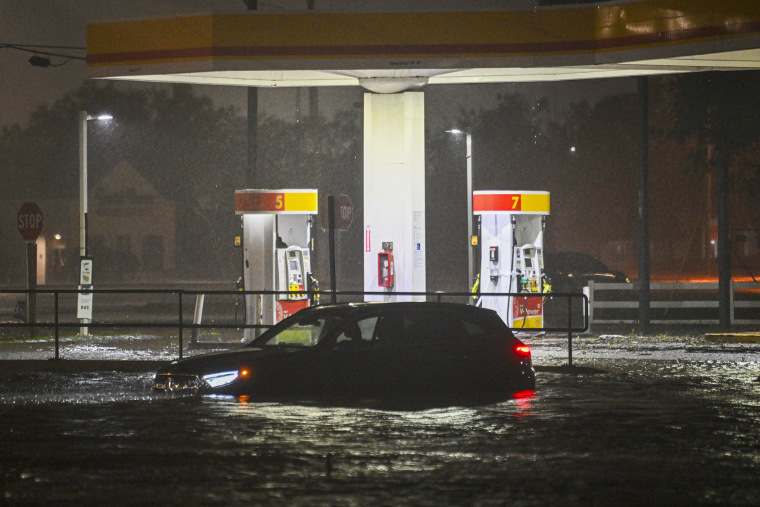
- Heavy Rainfall: Sustained periods of intense rain are common, leading to localized flooding in low-lying areas and along roadways.
- Gusty Winds: While not hurricane-force winds directly from the eyewall, strong gusts can still cause damage, bring down tree limbs, and disrupt outdoor activities.
- Disrupted Travel: Flights might be delayed or canceled at Orlando International Airport and other regional airports. Road closures due to flooding or debris can impede ground transportation.
It is important to differentiate between a “direct hit” (where the eye of the hurricane passes over) and experiencing the impacts of a hurricane. In the case of Hurricane Milton, while Orlando likely did not receive a direct eyewall impact, it certainly experienced significant weather conditions associated with the storm.
Impact on Tourism and Attractions
The tourism industry in Orlando is a critical component of its economy. When hurricanes threaten, theme park operators, hotels, and other attractions have robust contingency plans.
Theme Parks and Attractions
Major theme parks such as Walt Disney World Resort and Universal Orlando Resort closely monitor weather forecasts. Decisions to close parks are made with guest safety as the highest priority. Even if a park remains open, some outdoor attractions might be temporarily suspended due to high winds or lightning. The aftermath can also lead to temporary closures for safety inspections and cleanup.
Accommodation and Lodging

Hotels in Orlando, from luxury resorts like the Ritz-Carlton Orlando, Grande Lakes to budget-friendly options, often implement their own weather protocols. This can include:
- Guest Communication: Informing guests about weather conditions and any operational changes.
- Safety Measures: Securing outdoor furniture, boarding up windows if necessary, and ensuring emergency supplies are available.
- Cancellation Policies: Many hotels offer flexible cancellation policies during hurricane watches and warnings, allowing travelers to adjust their plans without penalty. This is a crucial aspect for the Accommodation sector, providing peace of mind for potential visitors.
The primary concern for travelers is always safety and the ability to enjoy their vacation. When a hurricane approaches, flexibility in travel plans becomes paramount, and the Travel advice usually leans towards caution and preparedness.
Navigating Travel and Accommodation During Hurricane Threats
The impact of a hurricane on Orlando reverberates through the entire tourism ecosystem. For prospective visitors, understanding how to navigate these situations is key.
Travel Advisories and Rebooking
When a significant storm like Hurricane Milton is on a projected path towards Florida, travel advisories are often issued by airlines and governmental bodies.
- Airline Adjustments: Airlines are proactive in rescheduling flights to and from affected airports, sometimes days in advance, to avoid planes being caught in severe weather. Travelers are strongly advised to monitor their flight status and contact their airline directly for rebooking options.
- Cruise Lines: If Orlando is a departure or arrival point for cruises, cruise lines will also adjust schedules, often rerouting ships or altering embarkation/disembarkation times.
- Theme Park Tickets and Reservations: For those with pre-booked tickets or reservations, checking the official websites of attractions is essential. Most will provide information on operating status and policies for rain checks or refunds.
Accommodation Options and Long-Term Stays
For individuals whose travel plans are disrupted, or for residents needing to evacuate, finding suitable Accommodation becomes a priority.
- Relocation and Shelters: In severe cases, local authorities might advise or mandate evacuations. This can lead to a surge in demand for hotels in safer, inland locations or designated shelters.
- Long-Term Stay Considerations: For those on extended visits or with existing long-term accommodation bookings, a hurricane can present challenges. Ensuring the property is equipped to handle severe weather and understanding the landlord’s or property manager’s storm preparedness plan is vital. This is particularly relevant for Apartments and longer-term rental agreements.
- Resort Amenities: High-end Resorts often have more robust emergency preparedness and may offer amenities that can make a prolonged stay more comfortable during a storm, such as backup power generators and on-site dining.
The Lifestyle aspect of travel, whether it’s Luxury Travel, Budget Travel, or Family Trips, is significantly influenced by weather events. Being prepared and informed is the best strategy.
Landmarks and Local Culture Post-Hurricane
Even when a hurricane doesn’t cause widespread devastation, its passage can still leave a mark on the local landscape and community.
Impact on Landmarks and Natural Attractions
Orlando and its surrounding areas are dotted with numerous Landmarks, both natural and man-made. While the iconic theme park structures are built to withstand significant weather, the natural beauty of places like Wekiwa Springs State Park or the more subtle architectural details of historic downtown buildings can be affected by high winds and heavy rains.
- Park Closures and Reopening: Natural parks may close temporarily due to downed trees, debris, or flood damage, impacting Nature enthusiasts and those seeking outdoor experiences.
- Preservation Efforts: Following a storm, efforts are often focused on clearing debris, assessing any damage to historical sites, and ensuring the safety of public access.
Local Culture and Community Resilience
The spirit of Orlando is often characterized by its resilience. While Hurricane Milton may have brought challenges, it also showcases the community’s ability to come together.
- Local Food and Activities: Restaurants and local eateries might experience temporary closures due to power outages or supply chain disruptions. However, once conditions improve, they are quick to reopen, offering a taste of Local Culture and contributing to the city’s vibrant atmosphere.
- Community Support: In the wake of severe weather, there are often numerous stories of neighbors helping neighbors and organized community efforts to clean up and support those most affected. This highlights the strong sense of community in Orlando.
In conclusion, while Hurricane Milton may not have made a direct, eyewall hit on Orlando, the city and its surrounding areas undoubtedly experienced the storm’s significant impacts. These effects range from travel disruptions and changes in accommodation availability to temporary closures of attractions and potential damage to natural landscapes. The overarching theme, however, is the resilience of Orlando, its preparedness measures, and the community’s ability to recover and continue welcoming visitors to its world-renowned destinations. For anyone planning a trip, staying informed through official channels and being flexible are the most important tools for navigating potential hurricane threats.
LifeOutOfTheBox is a participant in the Amazon Services LLC Associates Program, an affiliate advertising program designed to provide a means for sites to earn advertising fees by advertising and linking to Amazon.com. Amazon, the Amazon logo, AmazonSupply, and the AmazonSupply logo are trademarks of Amazon.com, Inc. or its affiliates. As an Amazon Associate we earn affiliate commissions from qualifying purchases.