
The allure of island living often paints a vivid picture: sun-drenched beaches, a relaxed pace, and a vibrant cultural tapestry. For many contemplating a significant lifestyle change, the question “Is Puerto Rico a good place to live?” arises as they weigh the dream against the practicalities of making such a move. This U.S. territory, nestled in the Caribbean, offers a unique blend of American convenience and rich Latin American heritage, presenting a complex yet often rewarding environment for those seeking a new home. Deciding whether Puerto Rico is the right fit involves a deep dive into its culture, economy, infrastructure, and daily realities, extending far beyond the typical tourist experience. This article explores the multifaceted lifestyle Puerto Rico offers, helping prospective residents understand what it truly means to call this Caribbean gem home.
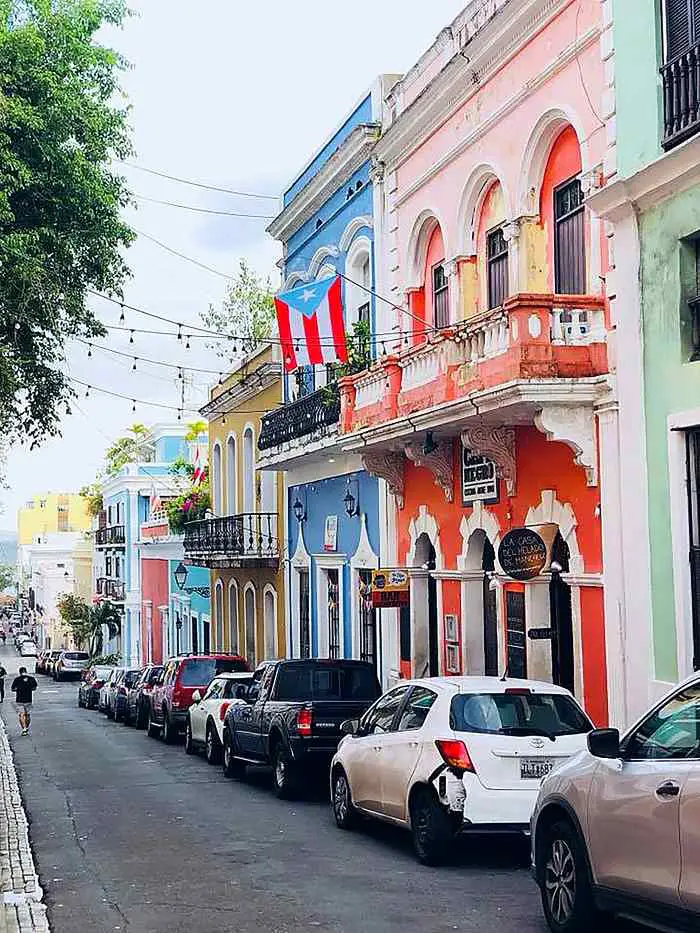
The Allure of Island Living: What Defines Puerto Rico’s Lifestyle?
The lifestyle in Puerto Rico is characterized by a vibrant fusion of natural beauty, deep-rooted traditions, and an undeniably Caribbean rhythm. It’s a place where the ocean is never far, and the sounds of salsa often fill the air.
A Rich Tapestry of Culture and Community
One of the most compelling aspects of living in Puerto Rico is its incredibly rich culture. The island boasts a heritage shaped by Taíno, Spanish, and African influences, visible in its language, music, art, and cuisine. Spanish is the predominant language, and while English is widely spoken, especially in tourist areas and business sectors, immersing oneself in Spanish significantly enhances the living experience and integration into local communities. Puerto Ricans are known for their warmth, hospitality, and strong family values. Community events, such as patron saint festivals (fiestas patronales), coalesce towns into celebrations of their unique identities, showcasing local music, food, and traditions. Cities like San Juan and Ponce offer a cosmopolitan blend, with museums, theaters, and a burgeoning arts scene, while smaller towns provide a more intimate, traditional experience. This strong sense of community fosters a supportive environment, though newcomers must be prepared to adapt to local customs and social dynamics, which can differ from mainland U.S. norms.
Nature’s Playground and Climate
Puerto Rico’s diverse geography makes it an unparalleled paradise for nature lovers. From the sandy shores and coral reefs of its extensive coastline to the lush, mountainous interior, outdoor activities are integral to the island’s lifestyle. Residents can spend their weekends hiking in El Yunque National Forest, the only tropical rainforest in the U.S. National Forest system, or exploring the bioluminescent bays of Vieques and Fajardo. The west coast, particularly around Rincón, is renowned for its world-class surfing, while the serene beaches of Culebra offer unparalleled snorkeling and relaxation. The tropical climate means warm temperatures year-round, ideal for those who thrive in perpetual summer. However, it also means adapting to a rainy season and, significantly, hurricane season, which runs from June to November. While modern infrastructure and emergency services are in place, prospective residents must acknowledge and prepare for the realities of living in a hurricane-prone region.
Culinary Delights and Social Scene
Food is central to the Puerto Rican lifestyle. The island’s cuisine, known as cocina criolla, is a flavorful blend of Spanish, African, and Taíno influences, characterized by dishes like mofongo, lechón asado, and arroz con gandules. Farmers’ markets, roadside stands, and fine dining establishments all contribute to a vibrant culinary scene. Living in Puerto Rico means enjoying fresh, local produce and seafood regularly. Beyond food, the social scene is lively and engaging. Weekends often involve gatherings with family and friends, trips to the beach, or evenings spent dancing salsa in one of San Juan’s many vibrant venues. Old San Juan, with its cobblestone streets and historic buildings, offers a unique backdrop for dining and nightlife, while areas like La Placita de Santurce buzz with music and energy until the early hours. For those who appreciate a dynamic social calendar rooted in strong cultural expressions, Puerto Rico delivers.
Practicalities of Settling Down: The Daily Grind and Beyond
Moving to any new location involves more than just appreciating its beauty; it requires understanding the practical aspects of daily life. Puerto Rico presents a unique set of considerations for potential residents.
Cost of Living
Compared to many major U.S. cities, the cost of living in Puerto Rico can be perceived as both lower and, in certain aspects, surprisingly high. Housing costs outside of prime San Juan neighborhoods can be more affordable, with options ranging from modern apartments to sprawling homes. However, real estate in desirable areas, particularly beachfront properties or luxury developments, commands prices comparable to competitive markets on the mainland. Groceries, largely imported, can be more expensive than in the continental U.S., especially for specialty items. Utilities, particularly electricity, are notoriously high due to reliance on imported fossil fuels, making energy conservation a practical necessity. Transportation costs are influenced by gasoline prices, which fluctuate, and the need for a personal vehicle in many areas outside of San Juan’s metropolitan core, as public transportation is limited. While the absence of state income tax (federal income tax applies, but can be reduced via specific incentive programs) is attractive, sales tax (IVU) is at 11.5%, impacting nearly all purchases. Budgeting carefully and understanding local pricing structures is crucial for financial planning.
Healthcare and Education
Puerto Rico’s healthcare system is part of the U.S. federal healthcare network, meaning residents have access to Medicare and Medicaid. There are numerous hospitals and clinics across the island, particularly concentrated in metropolitan areas like San Juan, Ponce, and Mayagüez. While quality varies, many facilities are accredited and offer services comparable to those on the mainland, though wait times can sometimes be longer. Health insurance is essential, and many U.S. plans may have limited coverage or require out-of-network payments. For families, the educational landscape offers a mix of public and private options. Public schools primarily teach in Spanish, and while efforts are made to incorporate English, a strong Spanish foundation is beneficial. Numerous private schools, often bilingual or English-only, provide alternatives, though tuition costs can be substantial. Higher education is well-represented, with institutions like the University of Puerto Rico system offering diverse programs.
Infrastructure and Connectivity
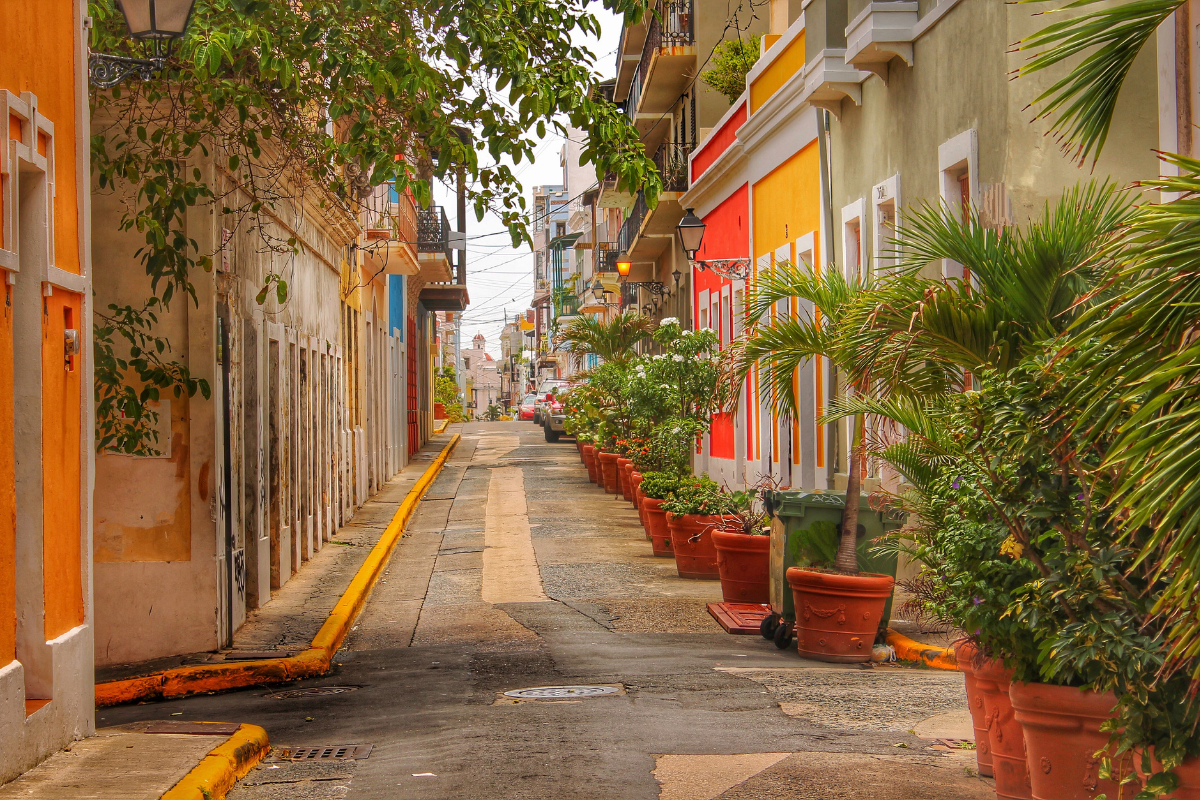
Infrastructure on the island can be a mixed bag. While major highways are generally well-maintained, secondary roads can be less so. Traffic in and around San Juan can be challenging, particularly during peak hours. Internet and cellular services are generally reliable in urban centers, with fiber optic options available in many areas, facilitating remote work and digital communication. However, connectivity can be spotty in more rural regions. Electricity service, managed by LUMA Energy, has seen improvements but can still be subject to outages, particularly during severe weather events. Water quality is generally good in most areas, provided by the Puerto Rico Aqueduct and Sewer Authority (PRASA). Adapting to occasional service interruptions and understanding local utility systems is a part of island living.
Economic Landscape and Opportunities
The economic environment in Puerto Rico is dynamic, shaped by its unique status as a U.S. territory, its recovery efforts post-disasters, and strategic tax incentives designed to attract investment and residents.
Job Market and Industries
The job market in Puerto Rico is largely driven by specific sectors. Tourism remains a cornerstone, offering opportunities in hospitality, retail, and related services, particularly in coastal areas and major cities. The manufacturing sector, especially pharmaceuticals and medical devices, also provides significant employment, with several large international corporations operating facilities on the island. Technology and innovation are emerging fields, fueled by government initiatives and a growing entrepreneurial ecosystem. For those considering a move, understanding the local job market is crucial. Remote work, for individuals employed by mainland companies, offers increasing flexibility and has become a popular option, allowing individuals to earn a U.S. salary while enjoying the Puerto Rican lifestyle. However, securing local employment can be competitive, and proficiency in Spanish is often a prerequisite.
Business and Investment Climate
Puerto Rico has actively sought to attract new residents and businesses through a series of tax incentive laws, most notably Acts 20 and 22 (now subsumed under Act 60). These laws offer significant tax exemptions on passive income and export services for qualifying individuals and companies, making Puerto Rico an appealing destination for investors, entrepreneurs, and high-net-worth individuals. This has led to an influx of new residents and capital, stimulating various sectors of the economy. The entrepreneurial spirit is strong, with local businesses ranging from traditional storefronts to innovative tech startups. While these incentives have spurred growth, navigating the local regulatory and bureaucratic landscape can be complex, often requiring patience and local expertise.
Navigating the Challenges and Embracing the Rewards
Like any significant life change, moving to Puerto Rico comes with its own set of challenges that, when understood and managed, can pave the way for a deeply rewarding experience.
Adapting to Island Time and Bureaucracy
One common adjustment for newcomers is the concept of “island time,” a more relaxed approach to schedules and promptness that contrasts sharply with the fast-paced culture of many mainland U.S. cities. Services, appointments, and administrative processes may take longer than expected, requiring a level of patience and flexibility. The local bureaucracy, while part of the U.S. system, can have its own unique intricacies, often demanding persistence and a good understanding of local procedures. Obtaining permits, registering vehicles, or dealing with government agencies can be a test of endurance. Embracing this slower pace and learning to navigate the system with a calm demeanor is key to reducing frustration and truly enjoying the Puerto Rican lifestyle.
Environmental Considerations and Resilience
Living in the Caribbean means being prepared for hurricane season. Puerto Rico has faced significant environmental challenges, particularly from Hurricane Maria in 2017, which highlighted vulnerabilities in infrastructure. However, the island has demonstrated incredible resilience, with ongoing efforts to rebuild stronger and more sustainably. Residents often adopt preparedness strategies, including having emergency kits, generators, and contingency plans. Understanding the local climate, respecting the environment, and contributing to community resilience efforts are important aspects of island living. Beyond hurricanes, adapting to the tropical environment, including humidity and potential encounters with local wildlife, is part of the experience.

Building a Community and Integration
Successfully integrating into Puerto Rican society often hinges on a willingness to embrace local culture, learn Spanish, and actively participate in community life. While there are expat communities, particularly in areas like Dorado and Rincón, a fulfilling life often involves connecting with local Puerto Ricans. This can involve joining local clubs, volunteering, participating in cultural events, or simply engaging with neighbors. Overcoming cultural differences and language barriers can be challenging initially, but the rewards of forming genuine connections and becoming part of the vibrant local fabric are immense. The journey of making Puerto Rico home is one of cultural exchange and personal growth.
In conclusion, Puerto Rico offers a compelling lifestyle for those seeking a unique blend of Caribbean charm, U.S. ties, and a rich cultural experience. It is a place of breathtaking natural beauty, delicious cuisine, and warm communities. However, prospective residents must approach the move with open eyes, understanding the practical challenges related to the cost of living, infrastructure, and adapting to a different pace of life. For those willing to embrace its complexities and immerse themselves in its vibrant culture, Puerto Rico can indeed be a wonderful place to live, offering a quality of life characterized by sunshine, community, and an enduring spirit. Thorough research, an exploratory visit, and a genuine desire to adapt are essential steps for anyone considering making this beautiful island their home.
LifeOutOfTheBox is a participant in the Amazon Services LLC Associates Program, an affiliate advertising program designed to provide a means for sites to earn advertising fees by advertising and linking to Amazon.com. Amazon, the Amazon logo, AmazonSupply, and the AmazonSupply logo are trademarks of Amazon.com, Inc. or its affiliates. As an Amazon Associate we earn affiliate commissions from qualifying purchases.