
The natural identity of Kansas is deeply rooted in its sprawling landscapes, wide-open skies, and the rhythmic sounds of the Great Plains. Among the most enduring symbols of this Midwestern state is its official state bird, the Western Meadowlark. Chosen for its vibrant appearance and its flute-like song that echoes across the prairie, this avian species is more than just a biological entity; it is a natural landmark that defines the acoustic and visual heritage of the region. For travelers and nature enthusiasts visiting the United States, understanding the significance of the Western Meadowlark offers a deeper appreciation for the ecological history of Kansas.

The Western Meadowlark: A Natural Landmark of the Great Plains
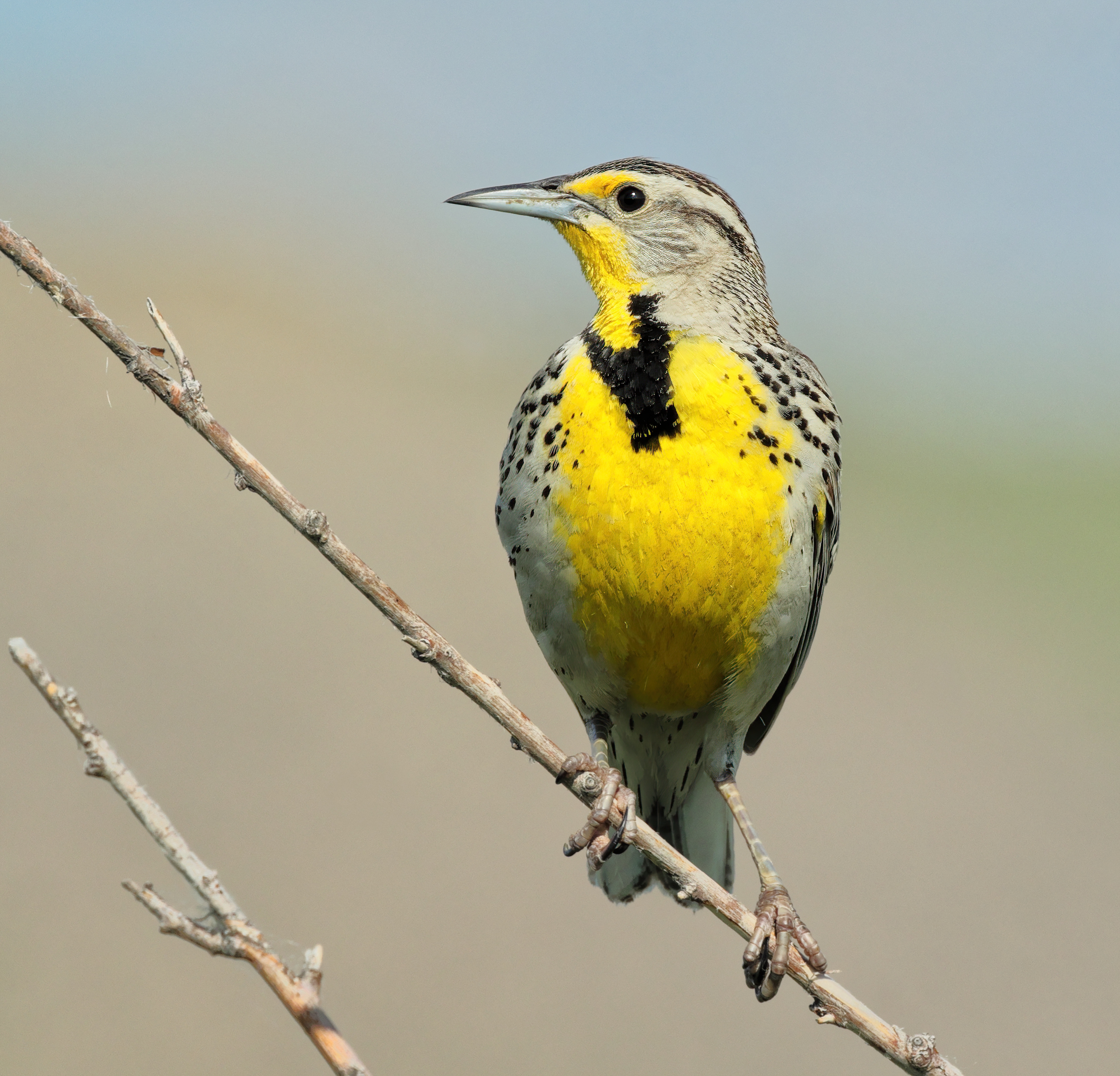
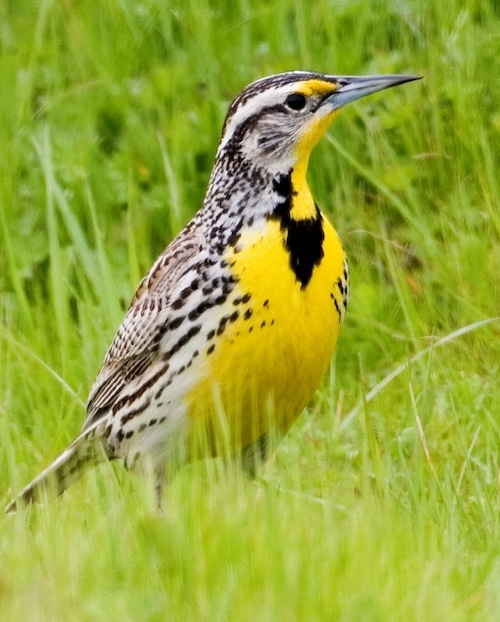
The Western Meadowlark, scientifically known as Sturnella neglecta, is a medium-sized bird that serves as a living emblem of the American west. While many states have chosen birds based on their prevalence in suburban gardens, Kansas selected a bird that thrives in the vast, untamed grasslands. As a natural landmark of the state’s biodiversity, the Western Meadowlark is easily identified by its bright yellow breast adorned with a distinctive black “V” shaped collar.
Physical Characteristics and Identification
To the casual observer traveling through Wichita or Topeka, the Western Meadowlark might first appear as a mere flash of gold against the tallgrass. However, its physical details are intricate. The bird features a complex pattern of brown, black, and white feathers on its upper parts, providing perfect camouflage against the dry grasses of the Flint Hills. During the spring and summer, its yellow underparts become exceptionally vivid, acting as a beacon for mates and a symbol of vitality for the Kansas landscape. Its sharp, pointed bill is perfectly adapted for foraging insects and seeds, making it a vital component of the local ecosystem.
Habitat and Behavioral Patterns
The Western Meadowlark is fundamentally linked to the prairie. Unlike many birds that nest high in trees, this species builds its nest on the ground, often hidden beneath a canopy of grass. These nests are architectural marvels of the natural world, featuring woven grass roofs that protect the eggs from predators and the harsh sun of the Great Plains. The bird’s presence is a primary indicator of a healthy grassland ecosystem. When you stand in the middle of a vast field in Western Kansas, the sight of a meadowlark perched on a fence post is a classic scene, embodying the rugged and resilient spirit of the Midwest.
The Historical Designation of the State Symbol
The journey of the Western Meadowlark from a common prairie inhabitant to an official state symbol is a fascinating chapter in the history of Kansas. It was not chosen by politicians behind closed doors, but rather through a democratic process that involved the youngest citizens of the state. This historical landmark in legislation reflects the deep connection that Kansans have with their natural surroundings.
The 1937 Schoolchildren’s Vote
In the 1920s and 30s, there was a nationwide movement to designate state symbols. In Kansas, the decision was put to the students. In 1937, a statewide vote was organized among schoolchildren to select the bird that best represented their home. The Western Meadowlark won by a landslide, beating out other popular contenders like the Northern Cardinal and the Blue Jay. The children chose the meadowlark because its song was the first sound they heard in the morning and its presence was a constant companion during their outdoor chores and play.
Legislative Approval and State Recognition
Following the overwhelming support from the youth, the Kansas State Legislature officially approved the Western Meadowlark as the state bird in 1937. Since then, the bird has been featured on various state-related materials, from educational pamphlets to commemorative coins. It stands alongside other state symbols like the Sun Flower and the Cottonwood Tree, creating a cohesive representation of the Kansas environment. This designation helped solidify the bird’s status as a cultural and historical landmark, ensuring its protection and celebration for generations to come.
Prime Destinations to Witness the Western Meadowlark
For those interested in ornithology or simply looking to experience the authentic beauty of Kansas, there are several key landmarks and nature preserves where the Western Meadowlark can be observed in its natural habitat. These locations offer a glimpse into the prehistoric landscape of the North American continent.
Tallgrass Prairie National Preserve
Located in the heart of the Flint Hills near Strong City, the Tallgrass Prairie National Preserve is perhaps the best place to find the state bird. As one of the last remaining remnants of the vast tallgrass prairie that once covered much of North America, this landmark provides the perfect nesting ground for the Western Meadowlark. Visitors can hike the miles of trails and hear the iconic song of the meadowlark competing with the wind. The preserve serves as a living laboratory for the history of the Great Plains.
Quivira National Wildlife Refuge
Moving toward the central part of the state, the Quivira National Wildlife Refuge offers a different but equally vital habitat. Known primarily for its wetlands and its role in the migration of the Whooping Crane, the salt marshes and surrounding grasslands are also home to a significant population of Western Meadowlarks. The diversity of birdlife here makes it a premier destination for nature lovers visiting Kansas.
Cheyenne Bottoms and Maxwell Wildlife Refuge
The Cheyenne Bottoms near Great Bend is another critical landmark for avian enthusiasts. As the largest inland wetland in the United States, it supports hundreds of species. Nearby, the Maxwell Wildlife Refuge provides a unique opportunity to see the state bird alongside herds of Bison and Elk, recreating the scene of the ancient prairie. These sites are essential for anyone wanting to see the Western Meadowlark in a context that feels untouched by modern development.
Cultural Impact and Conservation of the Prairie Icon
The Western Meadowlark is more than just a bird; it is a cultural icon that has inspired poets, musicians, and artists throughout the history of Kansas. Its song is often described as the “voice of the prairie,” a complex melody that conveys a sense of freedom and openness.
The Sound of the Kansas Landscape
Musically, the song of the Western Meadowlark is distinct from its eastern cousin. While the Eastern Meadowlark has a simple, whistled call, the western variety possesses a rich, bubbling, and flute-like melody. This sound is a historical landmark in itself, having been documented by explorers like Meriwether Lewis during the Lewis and Clark Expedition. For many Kansans, the return of this song in the early spring is a cherished milestone, signaling the end of the harsh winter and the rebirth of the grasslands.
Environmental Conservation Challenges
Despite its status as a beloved state symbol, the Western Meadowlark faces modern challenges that threaten its future. The loss of native prairie to agriculture and urban expansion in cities like Overland Park and Lawrence has reduced its available nesting space. Conservation organizations within Kansas are working tirelessly to preserve the remaining tallgrass and mixed-grass prairies. By protecting these natural landmarks, the state ensures that its bird will continue to thrive. Efforts by the Kansas Department of Wildlife and Parks focus on sustainable grazing practices and the restoration of native plant species, which in turn support the insect populations the meadowlark relies on.
The Western Meadowlark remains a powerful testament to the beauty of the Kansas wilderness. As a state bird, it embodies the history, the culture, and the natural grandeur of the Great Plains. Whether you are driving down the I-70 or exploring the quiet backroads of Chase County, the sight and sound of this remarkable bird serve as a reminder of the enduring spirit of the “Sunflower State.” By recognizing and protecting this avian landmark, Kansas preserves a vital link to its past and a vibrant hope for its ecological future.
LifeOutOfTheBox is a participant in the Amazon Services LLC Associates Program, an affiliate advertising program designed to provide a means for sites to earn advertising fees by advertising and linking to Amazon.com. Amazon, the Amazon logo, AmazonSupply, and the AmazonSupply logo are trademarks of Amazon.com, Inc. or its affiliates. As an Amazon Associate we earn affiliate commissions from qualifying purchases.