
Puerto Rico, a vibrant island nestled in the Caribbean, is a melting pot of cultures, and this rich tapestry is most deliciously expressed through its food. Beyond its stunning beaches, lush rainforests, and historical landmarks, the island’s culinary scene is a significant draw for travelers. From savory street food to sophisticated restaurant dishes, Puerto Rican cuisine offers a unique blend of Taíno, Spanish, African, and American influences, creating flavors that are both comforting and exciting. Understanding what food Puerto Rico is known for is essential for any visitor looking to truly immerse themselves in the island’s culture and experience its authentic essence.
The island’s culinary identity is deeply rooted in its history. The Taíno people, the original inhabitants of the island, introduced staple ingredients like cassava, yams, and corn. The arrival of the Spanish brought new ingredients and cooking techniques, including pork, beef, rice, and a variety of spices. Later, enslaved Africans contributed ingredients and methods that are now fundamental to many Puerto Rican dishes, such as plantains, okra, and coconut milk. The United States’ influence, while more recent, has also shaped some aspects of the island’s food landscape, particularly in readily available ingredients and popular dishes. This historical layering has resulted in a cuisine that is complex, flavorful, and undeniably Puerto Rican.
The Heart of Puerto Rican Cuisine: Key Ingredients and Flavors
At the core of Puerto Rican cooking are a few key ingredients and flavor profiles that you’ll find consistently woven throughout its dishes. These are the building blocks that create the signature taste of the island, a taste that lingers long after your visit.
Sofrito: The Aromatic Foundation
Perhaps the most crucial element in Puerto Rican cooking is sofrito. This aromatic blend is the cornerstone of countless stews, rice dishes, and meats. While recipes can vary from household to household, a classic Puerto Rican sofrito typically includes finely chopped onions, garlic, bell peppers (often a mix of green, red, and sometimes ajíes dulces), cilantro, and culantro (also known as recao). Some versions also incorporate tomatoes. The fresh ingredients are often sautéed lightly in oil or lard to release their fragrant oils before being used as a base for cooking. The depth of flavor that sofrito imparts is unparalleled and immediately identifies a dish as authentically Puerto Rican. It’s not an exaggeration to say that understanding sofrito is key to understanding Puerto Rican food.
Plantains: The Versatile Staple
No discussion of Puerto Rican food would be complete without a deep dive into the plantain. More than just a side dish, plantains are incredibly versatile and appear in various forms. Depending on their ripeness, they transform in flavor and texture.
-
Green Plantains (Plátanos Verdes): When unripe, plantains are starchy and firm, perfect for frying.
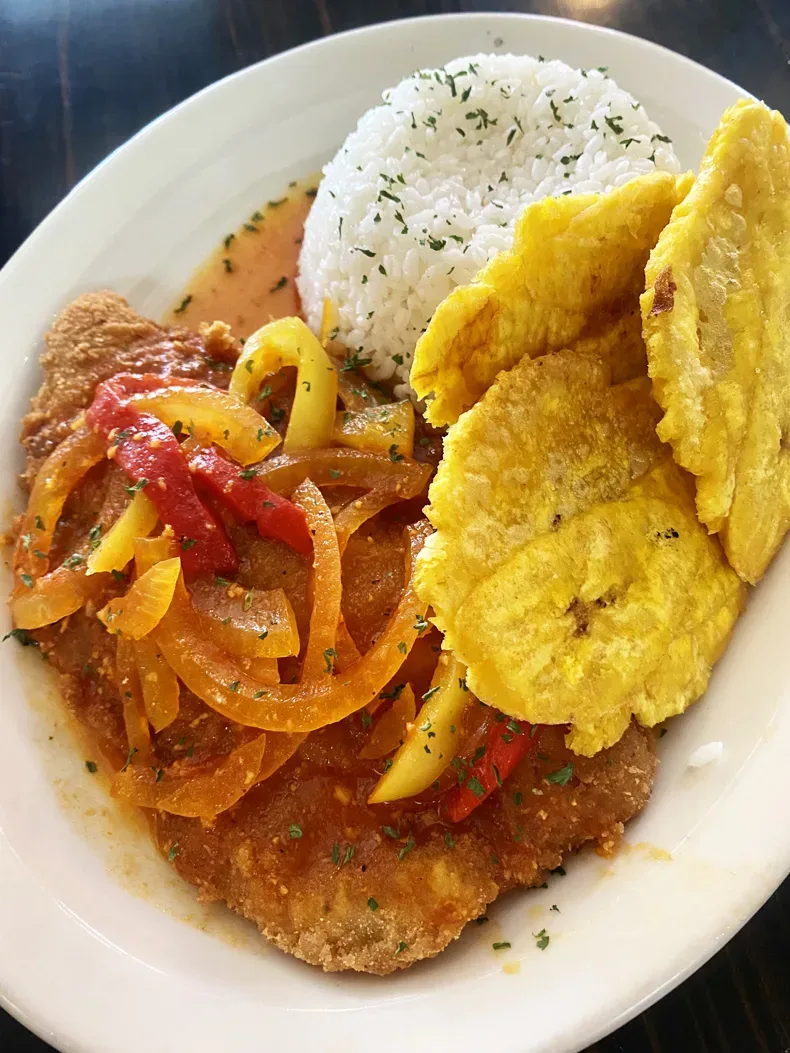
- Tostones: These are perhaps the most iconic plantain preparation. Green plantains are sliced, fried once, smashed flat, and then fried a second time until golden and crispy. They are typically served with a garlicky dipping sauce, known as “mayoketchup” (a simple blend of mayonnaise and ketchup), or as a side to various entrees.
- Mofongo: While technically a mofongo bowl, the base is made from mashed fried green plantains. These are pounded in a pilón (mortar and pestle) with garlic, chicharrón (crispy pork rinds), and often a bit of sofrito. The resulting mixture is shaped into a dome and can be served plain or, more commonly, filled with seafood, chicken, or pork.
- Amarillos: While these are made from ripe plantains (see below), the preparation of green plantains for tostones and mofongo highlights their structural integrity and ability to absorb flavor when fried.
-
Ripe Plantains (Plátanos Maduros): As plantains ripen, their starches convert into sugars, making them sweet and soft.
- Amarillos: This is the simplest and most beloved preparation of ripe plantains. They are sliced and fried until caramelized and sweet, boasting a tender interior and slightly crispy exterior. They provide a wonderful sweet counterpoint to savory dishes.
- Maduros Rellenos: Ripe plantains can also be stuffed with savory fillings, such as seasoned ground beef (picadillo) or cheese, before being baked or fried.
Rice and Beans: The Ever-Present Pair
Rice and beans are fundamental to the Puerto Rican diet, much like in many other Caribbean and Latin American cultures. However, Puerto Rico has its own distinct way of preparing this classic combination.
- Arroz con Gandules: This is arguably the national dish of Puerto Rico. A fragrant rice dish cooked with pigeon peas (gandules) and often seasoned with sofrito, pork, and achiote (annatto seeds) for a beautiful golden hue. The slow cooking allows the flavors to meld perfectly, creating a comforting and satisfying meal. It’s a staple at family gatherings and holiday celebrations.
- Habichuelas: Puerto Rican beans, often pink beans or kidney beans, are typically cooked down into a rich, savory stew. They are simmered with sofrito, a piece of pork (like tocino or ham hock), and spices. This dish is often served alongside rice, creating the quintessential “arroz con habichuelas” combination that is both hearty and delicious.
Iconic Puerto Rican Dishes and Culinary Experiences
Beyond the foundational ingredients, Puerto Rico boasts a repertoire of signature dishes that capture the island’s spirit. Exploring these culinary creations is an adventure in itself, offering a taste of the island’s rich heritage and vibrant present.
From Street Carts to Fine Dining: Must-Try Specialties
The beauty of Puerto Rican cuisine lies in its accessibility. You can find incredible food from humble street vendors to upscale restaurants, often with the same dedication to flavor and tradition.
-
Pernil: This slow-roasted pork shoulder is a showstopper, especially during holidays and celebrations. Marinated overnight in a potent mixture of garlic, herbs, and citrus, the pernil is roasted until the skin is incredibly crispy and crackling (the beloved “cuerito”) and the meat is fall-off-the-bone tender and juicy. It’s a testament to the island’s love for pork and its mastery of slow cooking.
-
Lechón: Even more festive than pernil is lechon, whole roasted pig. Often cooked on a spit over charcoal for hours, the skin becomes an impossibly crisp, golden-brown delight, while the meat remains succulent. This is the centerpiece of many large gatherings and a true symbol of Puerto Rican festivity. Finding a good lechonera (a place that specializes in lechon) is a culinary pilgrimage for many.
-
Pasteles: These are perhaps one of the most labor-intensive but rewarding Puerto Rican dishes, especially around Christmas. Pasteles are masa (dough) made from grated green plantains, yams, or breadfruit, stuffed with a savory meat filling (often pork or chicken) and then wrapped in banana leaves and boiled. The result is a tender, flavorful parcel that is a true labor of love.
-
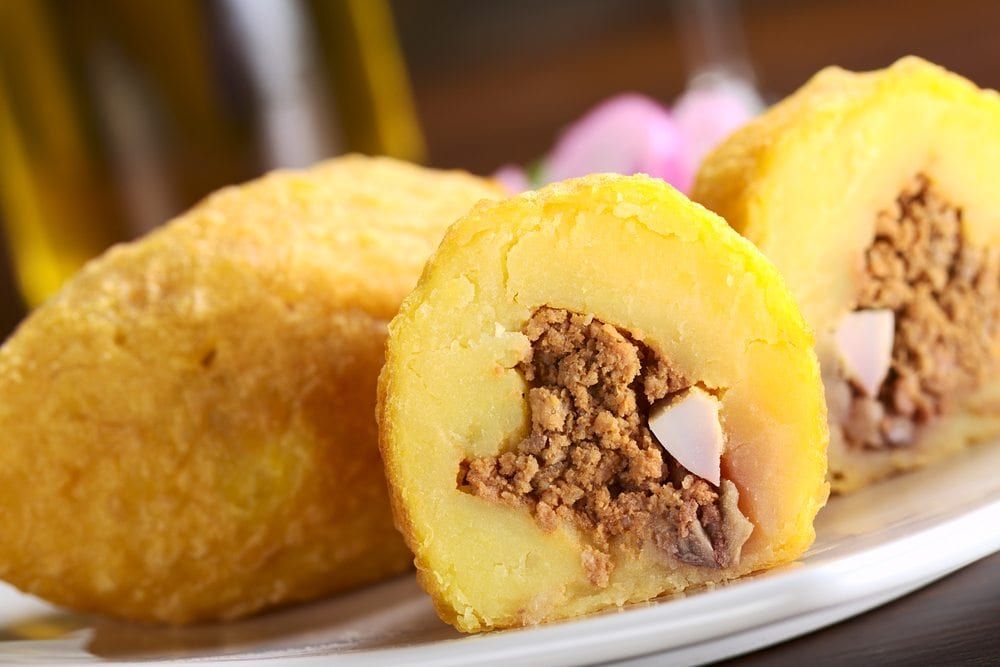
Alcapurrias: A popular fritter often found at street food stalls, alcapurrias are made from a batter of grated green plantains and yautía (a starchy root vegetable), filled with seasoned ground beef (picadillo) or crab meat, and then deep-fried until golden brown and crispy. They are a delightful savory snack.
-
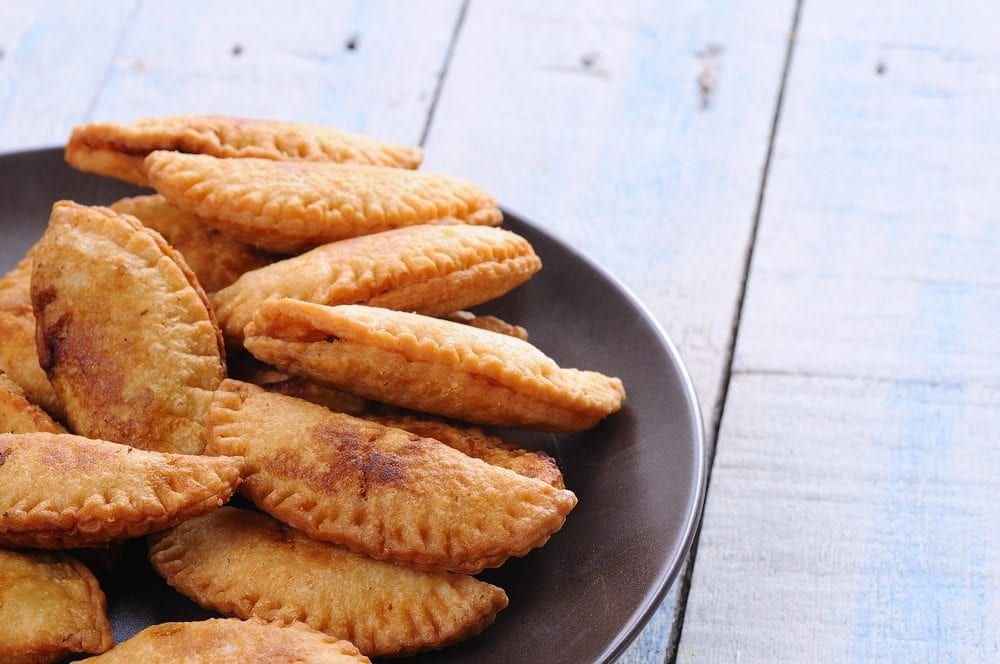
Empanadillas: These are savory turnovers, similar to empanadas, with a thin, crispy fried dough. Fillings vary widely, but popular options include picadillo (seasoned ground beef), chicken, or seafood like shrimp and conch. They are a perfect grab-and-go option.
-
Bacalaitos: Salt cod fritters are another ubiquitous street food. Flaky salt cod is mixed into a simple batter and then fried into crispy, savory rounds. They are addictive and a must-try when exploring the island’s culinary offerings.
Sweet Endings: Desserts and Beverages
Puerto Rican cuisine doesn’t shy away from sweetness, offering delightful ways to conclude a meal or refresh yourself throughout the day.
-
Tembleque: This is a classic Puerto Rican coconut pudding. It’s a smooth, creamy, and subtly sweet dessert made from coconut milk, cornstarch, sugar, and often flavored with cinnamon or vanilla. It has a delicate wobble, hence its name, which translates to “trembling.”
-
Arroz con Dulce: Similar to rice pudding but with a distinct Puerto Rican flair, this sweet rice dish is made with coconut milk, sugar, cinnamon, and often raisins. It’s a comforting and fragrant dessert, particularly popular during the holidays.
-
Flan: While found throughout Latin America, Puerto Rican flan often features a rich caramel topping and can be made with variations like coconut or cream cheese. Its silky smooth texture and sweet, burnt-sugar flavor make it a beloved dessert.
-
Puerto Rican Coffee (Café Puertorriqueño): The island is known for its excellent coffee. Enjoying a cup of rich, strong Puerto Rican coffee, often served black or with milk, is a quintessential part of the experience. Many cafes offer specialty drinks and pastries that perfectly complement the coffee.
-
Piña Colada: While the debate over its exact birthplace continues, San Juan, Puerto Rico, at the Caribe Hilton, is widely credited as the place where the modern Piña Colada was invented. This iconic tropical cocktail, made with rum, coconut cream, and pineapple juice, is a refreshing symbol of island life and a must-try for any visitor.
Exploring the Culinary Landscape: Where to Eat and What to Expect
Embarking on a culinary journey through Puerto Rico is an integral part of any travel experience. Whether you’re staying at a luxury resort or exploring a bustling city, the island’s food scene has something to offer every palate and budget.
From Local Eateries to Upscale Resorts
-
Kioskos: Along the coast, particularly in areas like Piñones, you’ll find rows of kioskos, open-air food stands offering a dizzying array of fried delights, seafood, and local specialties. These are fantastic places to sample authentic street food in a casual, lively atmosphere.
-
Lechoneras: For the ultimate pork experience, seek out a lechonera. These roadside establishments are dedicated to roasting whole pigs and are often bustling on weekends. It’s a communal dining experience where you can feast on succulent lechón, morcilla (blood sausage), and other traditional sides.
-
Local Restaurants (Comedores): These are often family-run establishments serving hearty, homestyle Puerto Rican cooking at reasonable prices. They are the heart of everyday dining and offer an authentic taste of island life.
-
Fine Dining: Major cities like San Juan boast a sophisticated culinary scene with numerous restaurants offering innovative takes on Puerto Rican cuisine, as well as international flavors. Many upscale hotels, such as the Fairmont El San Juan Hotel, also feature excellent restaurants helmed by renowned chefs.
-
Cafes and Bakeries: For a quick breakfast or a sweet treat, cafes and bakeries are plentiful. They are perfect for enjoying a cup of coffee with a mallorca (a sweet, buttered bread often dusted with powdered sugar) or other local pastries.
Tips for the Adventurous Eater
When exploring Puerto Rico’s food, be open to trying new things. Don’t be afraid to ask locals for recommendations; they are usually passionate about their cuisine and happy to guide you. Embrace the vibrant street food culture, but always ensure the vendors appear clean and popular. Sampling dishes from various regions of the island can also reveal subtle differences in preparation and local specialties. Remember that food is more than just sustenance in Puerto Rico; it’s a celebration of heritage, community, and the island’s abundant natural bounty. Whether you’re indulging in a mofongo at a bustling eatery in Old San Juan or savoring a freshly caught seafood dish at a beachfront restaurant, the flavors of Puerto Rico promise an unforgettable gastronomic adventure.
LifeOutOfTheBox is a participant in the Amazon Services LLC Associates Program, an affiliate advertising program designed to provide a means for sites to earn advertising fees by advertising and linking to Amazon.com. Amazon, the Amazon logo, AmazonSupply, and the AmazonSupply logo are trademarks of Amazon.com, Inc. or its affiliates. As an Amazon Associate we earn affiliate commissions from qualifying purchases.