
Florida, with its sun-drenched beaches, vibrant cities, and picturesque landscapes, is a dream destination for couples looking to tie the knot. Whether you envision an intimate ceremony on the shores of the Gulf Coast, a grand affair in a historic St. Augustine venue, or a whimsical celebration near the theme parks of Orlando, the first crucial step is securing your marriage license. Navigating the legal requirements can seem daunting, but this comprehensive guide aims to demystify the process, ensuring a smooth path to your special day in the Sunshine State.
Getting married in Florida is surprisingly straightforward, designed to accommodate both residents and out-of-state visitors. The state’s welcoming approach to weddings makes it a top choice for destination nuptials, offering a blend of natural beauty and well-established legal frameworks. This guide will walk you through everything you need to know, from eligibility and documentation to the application process, waiting periods, and post-ceremony essentials. By understanding these steps, you can focus on the joyous anticipation of your wedding day, confident that the legalities are well in hand.
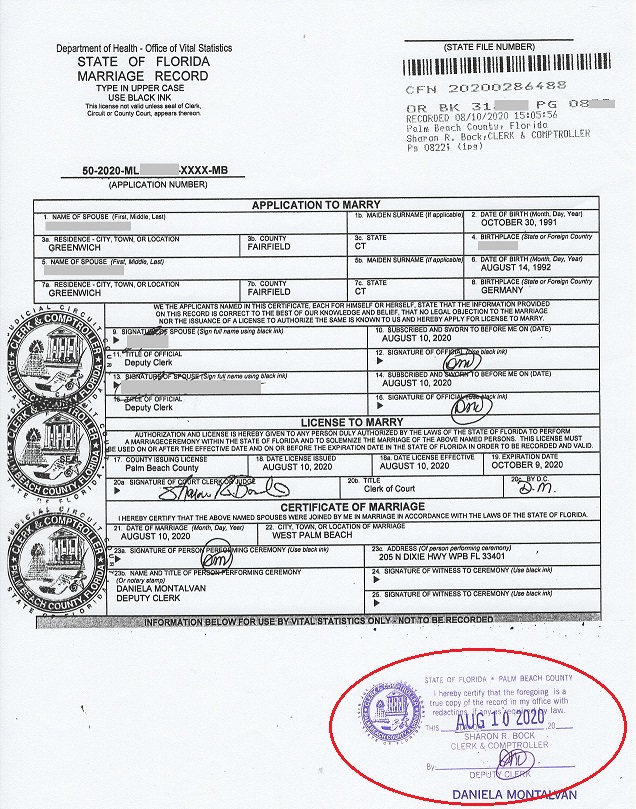
Understanding Florida’s Marriage License Requirements
Before you even think about venue bookings or cake tastings, it’s essential to grasp the fundamental requirements for obtaining a marriage license in Florida. The state has specific criteria that both applicants must meet, along with a list of necessary documents to verify their eligibility. Being prepared with this information beforehand will save you time and potential headaches when you visit the Clerk of the Circuit Court.
Eligibility Criteria
The basic eligibility requirements in Florida are relatively standard:
- Age: Both applicants must be at least 18 years old. If either applicant is 17 years old, they must have parental consent (or legal guardian consent) and the other party cannot be more than two years older. Marriage for individuals under 17 is generally prohibited, with very limited exceptions that require court approval, primarily concerning pregnancy or parenthood.
- Relationship Status: Both individuals must be legally free to marry. This means they cannot currently be married to anyone else. Florida does not recognize common-law marriages formed within the state, though it will recognize common-law marriages legally established in other states or jurisdictions.
- Consanguinity: Applicants cannot be related to each other more closely than first cousins. Marriage between first cousins is permitted in Florida.
- Mental Capacity: Both parties must be capable of understanding the nature of the marriage contract.
Required Documentation
When you apply for your marriage license, you’ll need to present specific documents to prove your identity and eligibility. It’s crucial to gather these well in advance:
- Valid Photo Identification: Both applicants must present a valid form of government-issued photo identification. Acceptable forms include:
- Driver’s license from any U.S. state.
- State identification card.
- Passport (U.S. or foreign).
- Military identification.
- Alien Registration Card (Green Card).
- Social Security Numbers: While you typically do not need to present your Social Security card, you must know your Social Security number if you are a U.S. citizen or a resident alien. Non-U.S. citizens who are not resident aliens and do not have a Social Security number may state that they do not have one.
- Information on Previous Marriages (if applicable): If either applicant has been previously married, you will need to provide the exact date of the divorce, annulment, or death of the previous spouse. While most counties do not require you to present the actual divorce decree or death certificate, you are attesting under oath that the information is correct. It’s always a good idea to have certified copies of these documents handy, just in case a specific county Clerk’s office requests them or for your own peace of mind.
Residency Requirements
One of the most appealing aspects of getting married in Florida for many couples is the lack of residency requirements. You do not need to be a resident of Florida to obtain a marriage license here. This makes Florida an incredibly convenient and popular choice for destination weddings. Whether you’re flying in from New York, California, or even another country, the process is largely the same as for a local couple.
The Application Process: Step-by-Step
Once you understand the requirements, the next step is to navigate the actual application process. This involves knowing where to go, what to expect during your visit, and the associated costs.
Where to Apply
Marriage licenses in Florida are issued by the Clerk of the Circuit Court in any county. You can apply in any of Florida’s 67 counties, and the license is valid statewide. For instance, you could obtain your license in Miami-Dade County but get married in Key West, or apply in Orange County and wed on a beach in Sarasota.
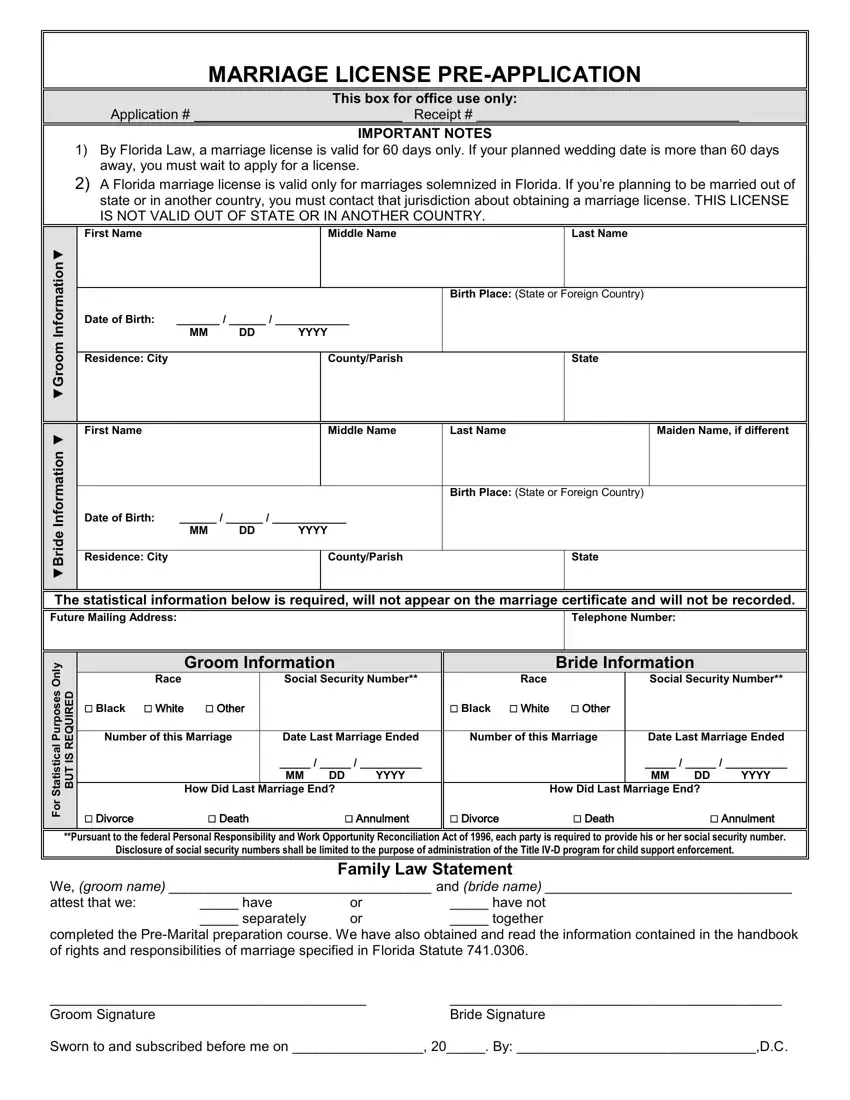
It’s advisable to check the specific office hours and any county-specific requirements or recommendations for the Clerk of Court’s office you plan to visit. Many counties, such as Hillsborough County (serving Tampa) or Palm Beach County (serving West Palm Beach), allow couples to complete a pre-application online, which can expedite the in-person process.
In-Person Application
Both applicants must appear together in person at a Clerk of Court office to apply for the marriage license. This is a non-negotiable step. During your visit:
- Complete the Application: You will fill out an application form providing personal details, including your full names, addresses, dates of birth, places of birth, parents’ names (including mother’s maiden name), and social security numbers.
- Take an Oath: You will be required to take an oath affirming that the information provided is true and accurate, and that there are no legal impediments to your marriage.
- Present Identification: Hand over your valid photo identification for verification.
- Receive Your License: Once the application is complete, verified, and fees are paid, the Clerk will issue your marriage license.
The entire in-person process typically takes anywhere from 20 minutes to an hour, depending on how busy the office is and if you completed any pre-application steps online.
Online Pre-Application
Many Florida county Clerk of Court offices offer an online pre-application service. This allows you to fill out most of the required information from the comfort of your home, reducing the time spent at the courthouse. However, remember that the online pre-application does not eliminate the requirement for both parties to appear in person to finalize the application, present identification, take the oath, and pay the fees. Always confirm the specific procedures and requirements with the county Clerk’s office you intend to visit.
Fees and Payment
The fee for a Florida marriage license is generally around $86. This fee can vary slightly by county, so it’s wise to confirm the exact amount with the specific Clerk’s office. Most offices accept cash, credit/debit cards, or money orders. Personal checks are usually not accepted.
There’s also a potential discount available: if you complete a qualified premarital preparation course, the license fee may be reduced by approximately $32.50. This can bring the cost down to around $54.75. This course also offers other benefits, which we will discuss next.
Waiting Periods and Validity
Understanding the timing around your marriage license is crucial for planning your wedding day. Florida has specific rules regarding when your license becomes valid and how long it remains active.
The Three-Day Waiting Period
For Florida residents, there is a mandatory three-day waiting period between the issuance of the marriage license and the date the marriage ceremony can be performed. This means if you pick up your license on a Monday, you cannot get married until Thursday. This waiting period is designed to allow couples to reflect on their decision and ensure they are making an informed choice.
Important exceptions to the waiting period:
- Non-Florida Residents: If both applicants are non-Florida residents, the three-day waiting period is waived. Your marriage license will be effective immediately upon issuance. This is a significant advantage for couples planning destination weddings in Florida.
- Completion of a Premarital Preparation Course: If Florida residents complete a state-approved premarital preparation course, the three-day waiting period is also waived.
Premarital Course Benefits
The premarital preparation course, offered by various providers (including religious organizations, licensed counselors, and other authorized entities), is a valuable resource for couples. It covers topics such as communication skills, conflict resolution, financial planning, and parenting responsibilities.
Key benefits of completing a premarital course:
- Waived Waiting Period: As mentioned, for Florida residents, completing the course eliminates the three-day waiting period. You can get married on the same day you receive your license.
- Reduced License Fee: The state offers a discount on the marriage license fee (approximately $32.50) if you provide a certificate of completion from a qualified course provider.
- Stronger Foundation: Beyond the legal and financial incentives, these courses provide practical tools and insights that can contribute to a stronger, healthier marriage.
To qualify for these benefits, the course must be at least four hours long and taught by a qualified instructor registered with the Clerk of Court. You will need to present a signed and dated certificate of completion when you apply for your license.
License Validity
Once issued, a Florida marriage license is valid for 60 days. This means your marriage ceremony must take place within 60 days from the date the license was issued. If you do not get married within this timeframe, the license will expire, and you will need to apply and pay for a new one. This 60-day window provides ample time for planning, but it’s a crucial deadline to keep in mind.
Post-License and Important Considerations
Getting the license is a major hurdle, but there are a few more steps and important details to consider to ensure your marriage is legally recognized and properly recorded.
Officiants
In Florida, a marriage ceremony can be performed by a variety of individuals:
- Ministers of the Gospel or Clergy: Any ordained minister, priest, rabbi, or other recognized member of the clergy, regardless of their religious denomination, can officiate.
- Judges: Judges of the Circuit Court, County Court, or Justices of the Peace.
- Notaries Public: Any Florida Notary Public can legally solemnize a marriage. This is a common and convenient option for many couples, especially those seeking a non-religious or simple ceremony.
- Clerk of the Circuit Court: Some Clerk’s offices offer ceremony services for a small fee, which can be a practical option for elopements or civil ceremonies.
Florida law does not require witnesses to be present at the marriage ceremony, though many officiants or venues may suggest or require them for personal or ceremonial reasons.
After the Ceremony: Returning the License
After your officiant performs the ceremony, they are legally responsible for completing the marriage license. This includes filling in the date and place of the ceremony, their signature, and their title/credentials.
The officiant then has the responsibility to return the completed marriage license to the Clerk of the Circuit Court’s office where it was issued within 10 days of the ceremony. This step is critical because the marriage is not officially recorded until the license is returned and filed. It is advisable to confirm with your officiant that they understand this responsibility and to follow up if you don’t receive confirmation that it has been filed within a reasonable timeframe.
Obtaining Certified Copies
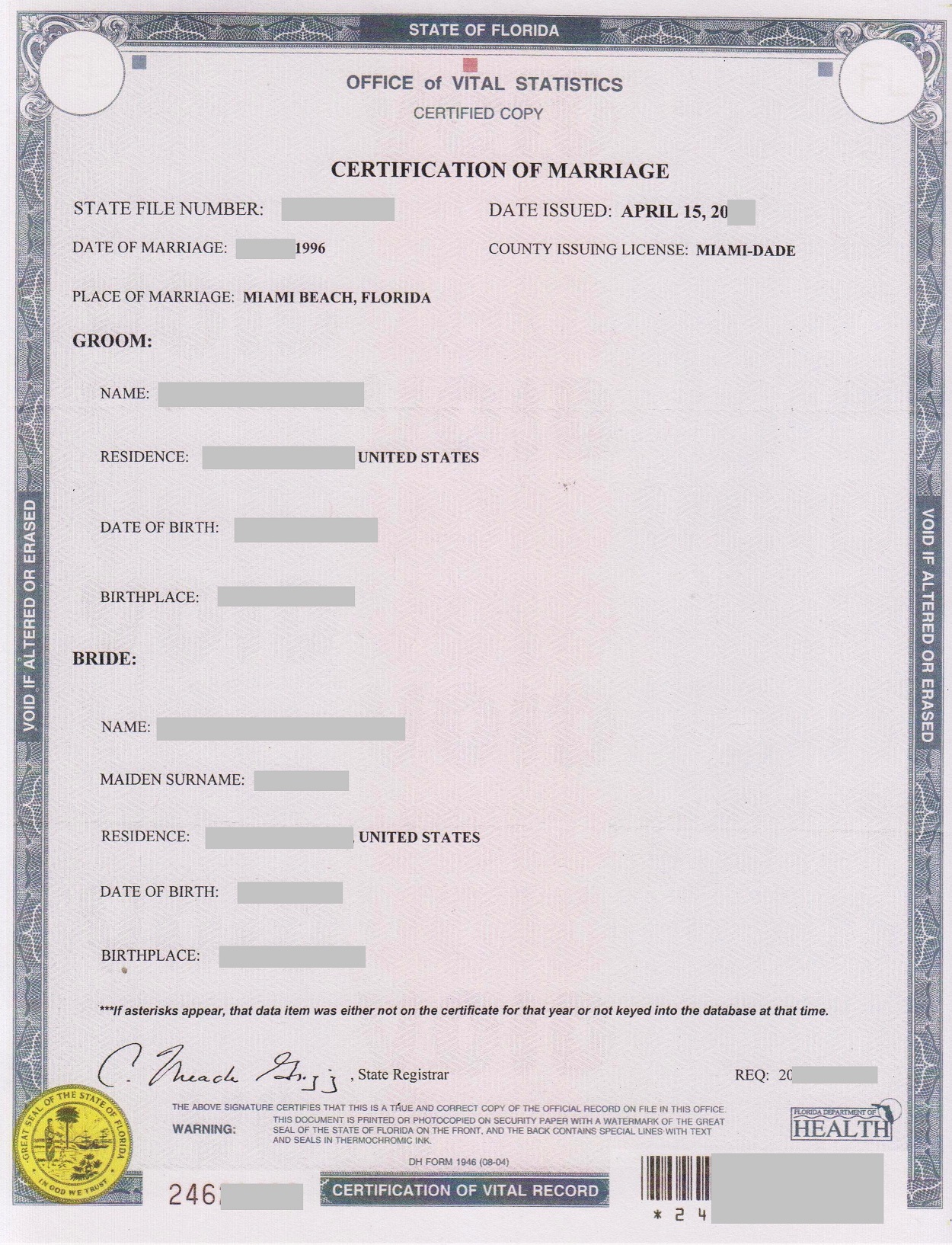
Once your marriage license has been returned and officially recorded by the Clerk of Court, you will likely need certified copies for various purposes, such as changing your name on your driver’s license, Social Security card, passport, bank accounts, and insurance policies.
You can request certified copies from the Clerk of Court’s office, either in person, by mail, or sometimes online, depending on the county. There is typically a small fee for each certified copy. It’s recommended to order at least two to three certified copies to have on hand.
Special Circumstances
While the general process covers most couples, a few special situations might require additional attention:
- Minors: As noted, marriage for individuals under 18 has strict legal requirements, primarily parental consent for 17-year-olds and judicial approval for those under 17 in rare circumstances.
- Same-Sex Marriage: Same-sex marriage is legal throughout the United States, including Florida. The process for obtaining a marriage license is identical for all couples, regardless of gender.
- Immigrant Couples: Non-U.S. citizens can legally marry in Florida as long as they meet the eligibility criteria and present valid identification, such as a passport. The marriage itself does not automatically confer immigration benefits, but a valid marriage certificate is a necessary document for any future immigration processes.
In conclusion, securing a marriage license in Florida is a straightforward process when you know what to expect. By understanding the eligibility requirements, gathering your necessary documents, and following the application steps, you can ensure that the legal foundation for your Florida wedding is laid with ease. With the paperwork handled, you’re free to fully immerse yourselves in the joy and excitement of planning your dream celebration in this beautiful state.
LifeOutOfTheBox is a participant in the Amazon Services LLC Associates Program, an affiliate advertising program designed to provide a means for sites to earn advertising fees by advertising and linking to Amazon.com. Amazon, the Amazon logo, AmazonSupply, and the AmazonSupply logo are trademarks of Amazon.com, Inc. or its affiliates. As an Amazon Associate we earn affiliate commissions from qualifying purchases.