
The question of “What’s the population of Puerto Rico?” is a fundamental one, often sparking curiosity for travelers planning a visit, researchers delving into demographics, or anyone simply interested in the vibrant island’s human landscape. While the exact number can fluctuate slightly due to births, deaths, and migration, understanding the general population size provides crucial context for appreciating Puerto Rico as a destination and a community. This article will explore the current population estimates, delve into the factors influencing it, and touch upon how this human element shapes the island’s unique identity, from its bustling cities to its serene rural areas.

Understanding Puerto Rico’s Demographic Landscape
Puerto Rico is a U.S. territory situated in the northeastern Caribbean Sea, southeast of the mainland United States. Its population is a rich tapestry woven from indigenous Taíno heritage, Spanish colonial influences, African ancestry brought through the transatlantic slave trade, and subsequent waves of immigration, particularly from the United States and other Caribbean islands. This diverse heritage contributes to the island’s distinct culture, language, and traditions.
Recent Population Estimates and Trends
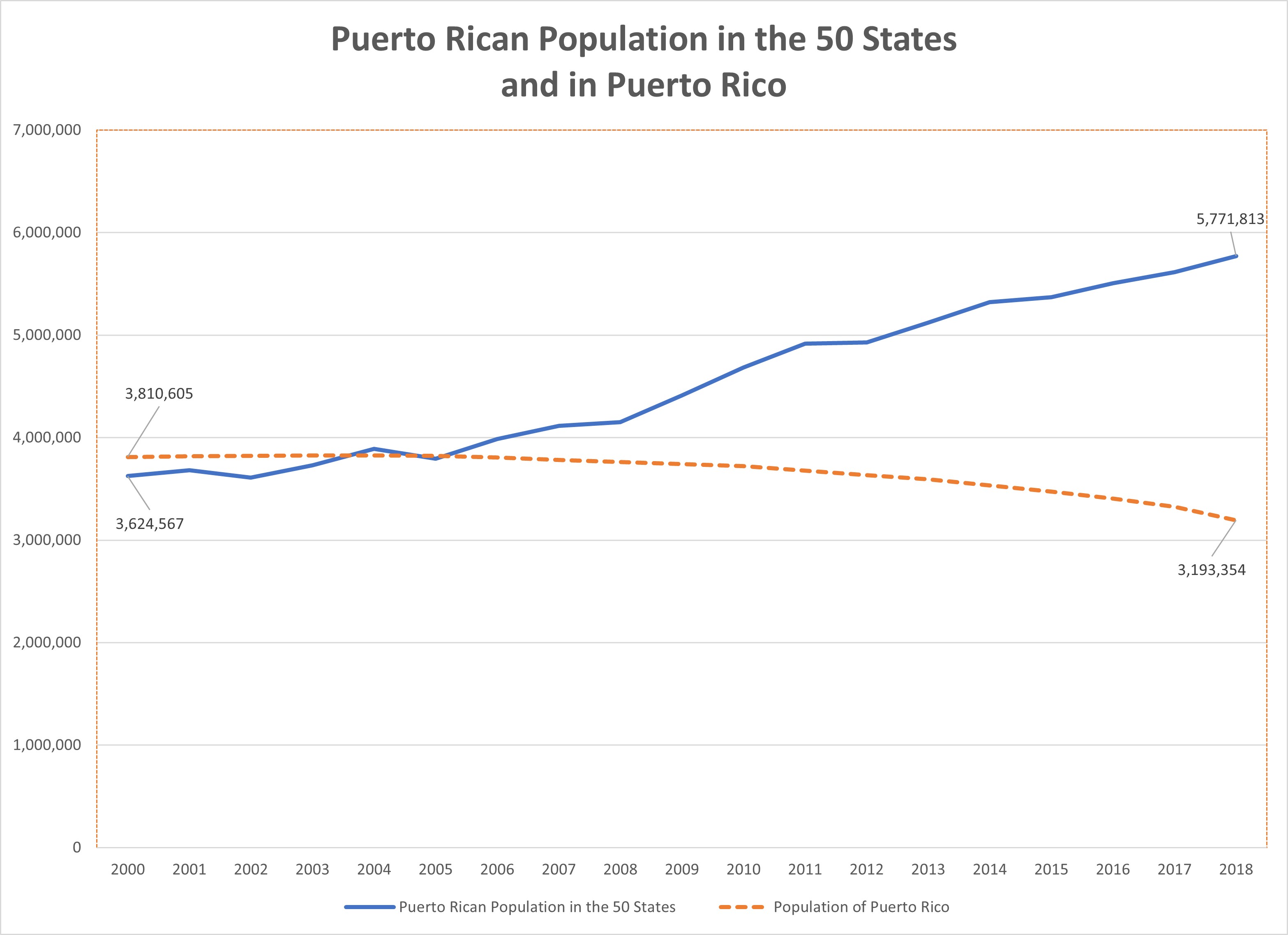
According to the most recent available data, the population of Puerto Rico hovers around 3.2 million people. It’s important to note that this figure is an estimate, and official census data is collected periodically. The U.S. Census Bureau is the primary source for this information, with the decennial census providing the most comprehensive count.
Factors Influencing Population Size
Several key factors influence the population of Puerto Rico:
- Birth Rates: Like many developed nations, Puerto Rico has experienced a declining birth rate over the past few decades. This trend, common across the Caribbean and Latin America, contributes to a slower natural population growth.
- Death Rates: Similarly, advancements in healthcare have led to increased life expectancy, though the death rate remains a factor in population dynamics.
- Migration: This is arguably the most significant driver of population change in Puerto Rico. A considerable number of Puerto Ricans have migrated to the mainland United States, particularly in recent years, seeking economic opportunities and stability. This outward migration can be influenced by economic conditions, natural disasters, and political factors. Conversely, there is also some inward migration, though it is generally outpaced by emigration.
Historical Population Shifts
The population of Puerto Rico has seen significant shifts throughout its history. Following World War II, the island experienced a period of population growth. However, starting in the latter half of the 20th century and accelerating in the 21st century, a trend of net out-migration has become prominent. This has led to a gradual decline in the island’s total population from its peak. Understanding these historical trends is vital for grasping the current demographic situation.
The Impact of Population on Puerto Rico’s Identity and Travel Experience
The population of Puerto Rico is not merely a statistic; it directly shapes the island’s culture, its infrastructure, and the experience of visitors. From the vibrant urban centers to the more sparsely populated natural reserves, the human element is an integral part of what makes Puerto Rico so captivating.
Urban Centers and Their Inhabitants
The majority of Puerto Rico’s population is concentrated in its urban areas, with the capital city of San Juan being the most populous. San Juan, with its historic Old San Juan district, bustling business sectors, and vibrant nightlife, is the island’s economic and cultural heart. Other significant urban centers include Ponce on the southern coast and Mayagüez on the western side. These cities are hubs of activity, offering a glimpse into the daily lives of Puerto Ricans, from bustling marketplaces to lively festivals.
Attractions in and around San Juan
For travelers, understanding the population density in areas like San Juan can influence planning. Popular attractions such as the Castillo San Felipe del Morro and Castillo de San Cristóbal, iconic historical fortresses that are now part of the San Juan National Historic Site, draw significant crowds. The colorful streets of Old San Juan, with its boutique shops, charming restaurants, and colonial architecture, are always alive with activity. Visiting these sites, especially during peak tourist seasons, means experiencing them alongside a substantial number of locals and fellow travelers.

- Old San Juan: A UNESCO World Heritage site, this historic district is a must-visit for its well-preserved Spanish colonial architecture, cobblestone streets, and vibrant atmosphere.
- El Morro and San Cristóbal: These imposing fortresses offer a deep dive into Puerto Rico’s military history and provide breathtaking views of the Atlantic Ocean.
- Condado and Isla Verde: These modern beachfront districts are known for their upscale hotels, like the Fairmont El San Juan Hotel, lively bars, and beautiful beaches, attracting both tourists and residents.
Rural Life and Natural Landscapes
Beyond the urban sprawl, Puerto Rico boasts a diverse and stunning natural landscape, including rainforests, mountains, and pristine coastlines. While less densely populated, these areas are home to communities that maintain strong ties to traditional ways of life. Exploring these regions offers a contrasting, yet equally enriching, travel experience.
El Yunque National Forest and Beyond
The El Yunque National Forest, the only tropical rainforest in the U.S. National Forest System, is a prime example of Puerto Rico’s natural beauty. Here, visitors can hike through lush trails, discover unique flora and fauna, and marvel at cascading waterfalls. While the park itself is a protected area, the surrounding towns and villages are where you’ll encounter the local communities. Traveling through the more rural parts of the island allows for more intimate encounters with the island’s culture, perhaps at a roadside “kiosko” or a small family-run restaurant.
- Rincón: Famous for its surfing, Rincón on the west coast attracts a lively crowd, but also offers a more laid-back vibe, especially outside of peak surf season.
- The Southern Coast: Cities like Ponce offer a different pace of life, with a rich cultural heritage and stunning neoclassical architecture.
- The Mountains (La Cordillera Central): Venturing into the central mountain range reveals a more rural Puerto Rico, with coffee plantations and charming small towns like Utuado.
Demographics and Their Implications for Tourism and Lifestyle
The demographic makeup of Puerto Rico has profound implications for its tourism industry, its economy, and the lifestyle choices available to both residents and visitors. Understanding these nuances can enhance any trip to the island.
Age Distribution and its Impact
Puerto Rico, like many places experiencing declining birth rates and increasing life expectancy, has an aging population. This demographic trend can influence the types of services and infrastructure developed on the island, from healthcare facilities to recreational activities geared towards older adults. However, it also means a wealth of cultural knowledge and historical perspective passed down through generations.
Socioeconomic Factors and Travel Experiences
Socioeconomic factors, intricately linked to population dynamics, play a role in shaping travel experiences. While Puerto Rico offers luxurious resorts and high-end dining, particularly in areas like San Juan and Dorado (home to the iconic Dorado Beach, a Ritz-Carlton Reserve), it also caters to budget travelers. The availability of affordable guesthouses, local eateries, and public transportation options in many areas allows for a more immersive and economical exploration of the island. Understanding the socioeconomic landscape can also provide insights into the resilience and resourcefulness of the Puerto Rican people, especially in the wake of economic challenges and natural disasters.
Budget vs. Luxury Travel Considerations
- Budget Travel: For those on a tighter budget, exploring smaller towns, utilizing local buses (where available), and enjoying street food or “panaderías” (bakeries) can significantly reduce costs. Hostels and guesthouses offer more affordable accommodation options compared to large resorts.
- Luxury Travel: Puerto Rico excels in luxury offerings. Resorts like St. Regis Bahia Beach Resort provide unparalleled service and amenities. Fine dining experiences can be found in major cities, showcasing a fusion of local and international cuisine.
Cultural Preservation and Community Life
The population of Puerto Rico is deeply connected to its heritage. Efforts to preserve this culture are evident in the vibrant arts scene, traditional music and dance (like bomba and plena), and the enduring strength of family and community ties. When visiting, engaging with local communities, attending festivals, and supporting local artisans are wonderful ways to experience this rich cultural tapestry. The warmth and hospitality of the Puerto Rican people are consistently highlighted by visitors, making interactions with the local population a memorable part of any trip.
In conclusion, while the precise number of people living in Puerto Rico is a dynamic figure, understanding the general population size and its influencing factors provides a vital lens through which to appreciate this extraordinary island. From the bustling streets of San Juan to the tranquil beauty of its natural landscapes, the human element is central to the story of Puerto Rico, enriching its culture, shaping its destinations, and offering visitors an unforgettable experience.
LifeOutOfTheBox is a participant in the Amazon Services LLC Associates Program, an affiliate advertising program designed to provide a means for sites to earn advertising fees by advertising and linking to Amazon.com. Amazon, the Amazon logo, AmazonSupply, and the AmazonSupply logo are trademarks of Amazon.com, Inc. or its affiliates. As an Amazon Associate we earn affiliate commissions from qualifying purchases.