
Planning a trip to San Francisco involves a myriad of exciting decisions, from choosing iconic attractions to curating your culinary adventures. However, one often overlooked yet critically important detail is understanding the time difference. For any traveler, whether venturing from across the United States or an international destination, grasping San Francisco’s time zone is paramount for smooth travel logistics, effective jet lag management, and ultimately, a more enjoyable and productive visit.
This guide delves into the intricacies of San Francisco’s time, explaining its variations throughout the year and, more importantly, providing practical insights on how this knowledge can enhance your travel experience. From ensuring you catch that crucial flight connection to scheduling video calls with colleagues back home or simply maximizing your daytime exploration of the city, mastering the time difference is a fundamental step in becoming a savvy San Francisco traveler.
Understanding Pacific Time: PST vs. PDT
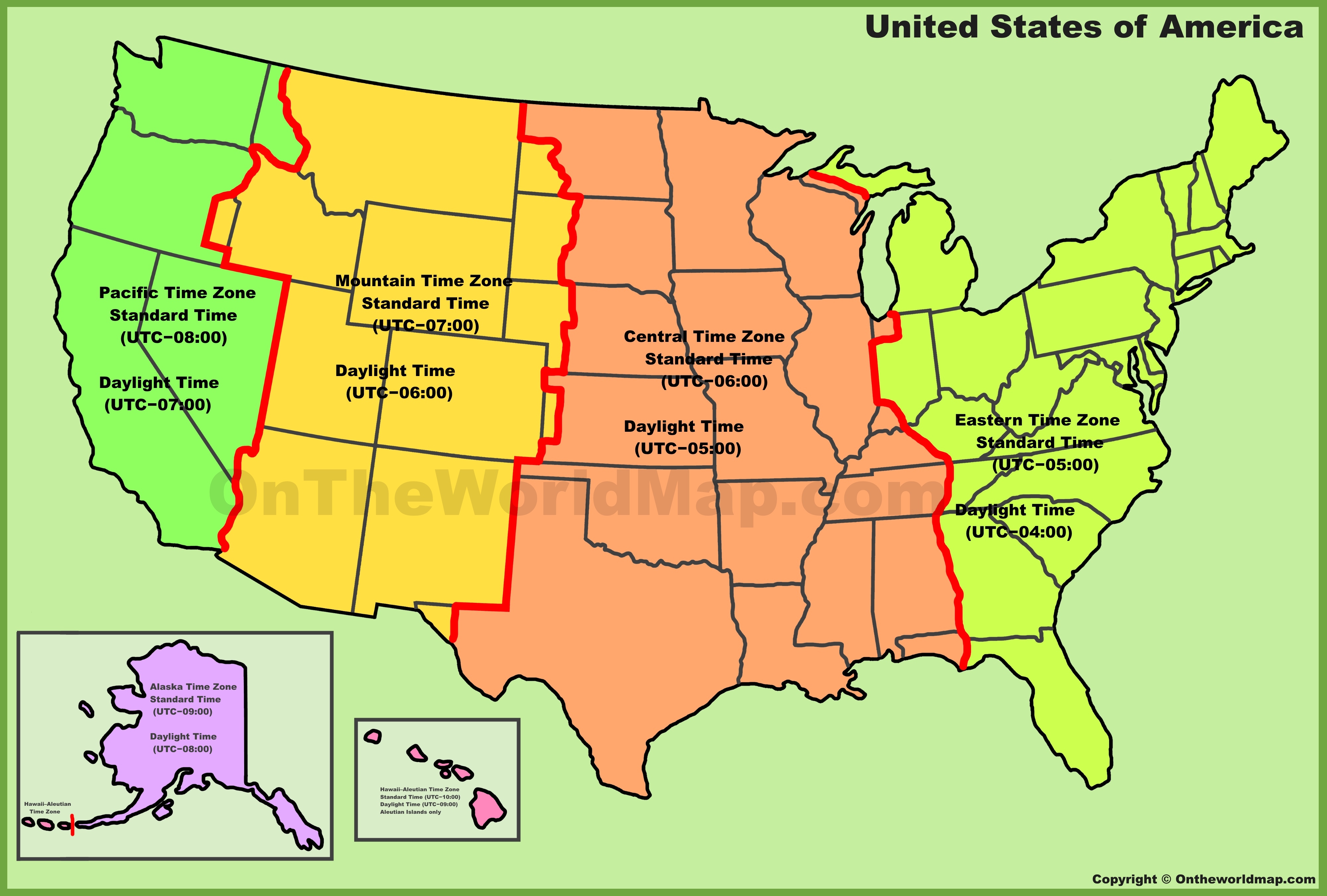
San Francisco observes what is known as Pacific Time, which fluctuates between Pacific Standard Time (PST) and Pacific Daylight Time (PDT) depending on the season. This distinction is vital for travelers to grasp, as it directly impacts your calculations.
Pacific Standard Time (PST): The Baseline
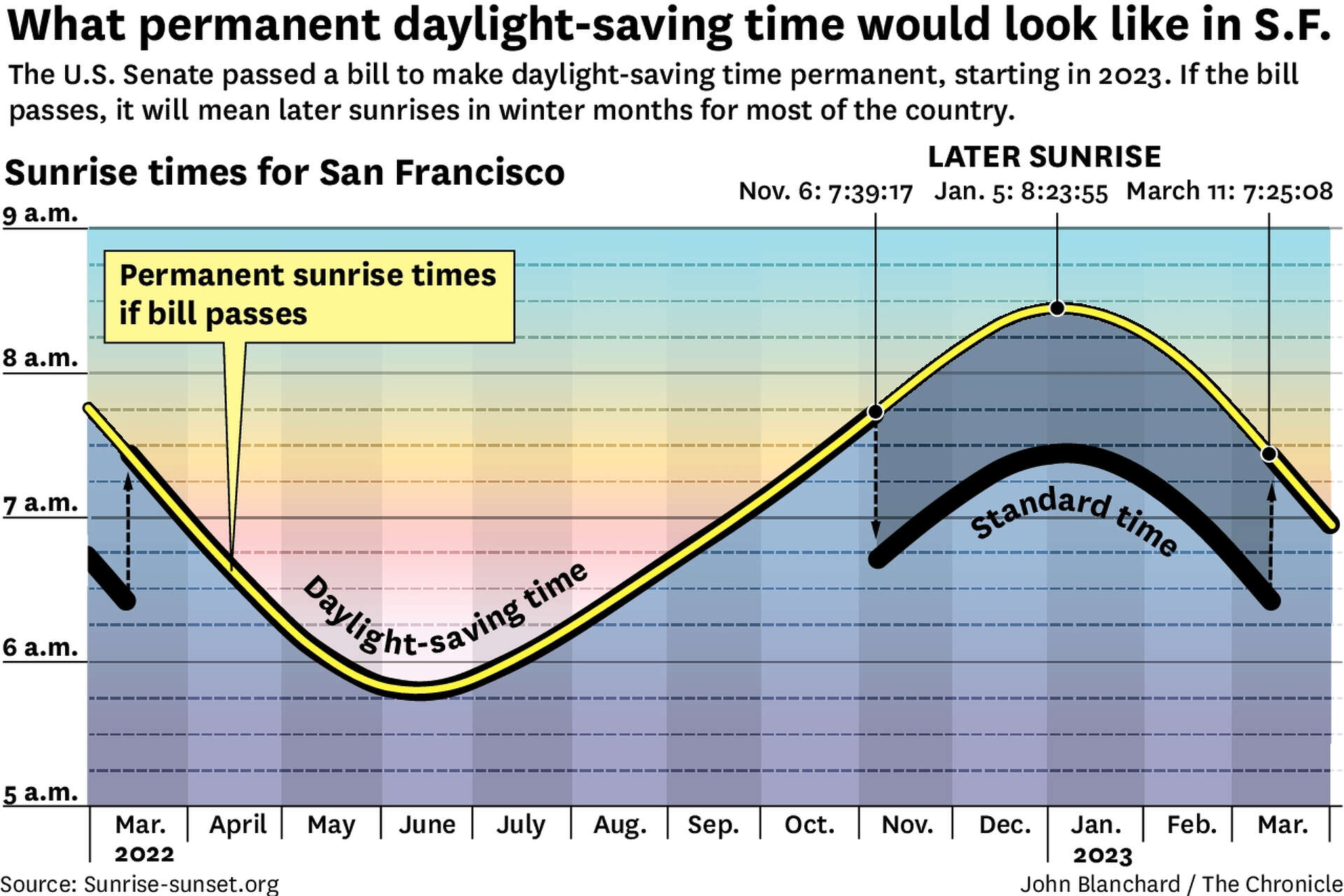
Pacific Standard Time (PST) is the base time zone for San Francisco during the cooler months. It is observed from early November to mid-March. PST is 8 hours behind Coordinated Universal Time (UTC) (often referred to as Greenwich Mean Time (GMT), though UTC is the modern standard for timekeeping). This means that when it’s noon UTC, it’s 4:00 AM in San Francisco during PST. Understanding this baseline is the first step in calculating any time difference.
Pacific Daylight Time (PDT): Embracing Daylight Saving
From mid-March to early November, San Francisco switches to Pacific Daylight Time (PDT). This adjustment is part of Daylight Saving Time, where clocks are moved forward by one hour to make better use of natural daylight. PDT is 7 hours behind UTC. So, during PDT, when it’s noon UTC, it’s 5:00 AM in San Francisco. This shift means that the time difference between San Francisco and other parts of the world changes by an hour twice a year, which is a crucial detail for travelers.
Why Knowing the Distinction Matters for Travelers
For travelers, the distinction between PST and PDT is more than just a seasonal trivia fact; it impacts every aspect of your trip planning. Booking flights, scheduling hotel check-ins, reserving tables at restaurants, or planning specific tours around the Golden Gate Bridge or Alcatraz Island requires you to know which time zone is active. Miscalculating by even an hour can lead to missed connections, late arrivals, or simply unnecessary stress. Always confirm whether your travel dates fall within PST or PDT.
Calculating the Time Difference to San Francisco
Understanding the current time in San Francisco relative to your point of origin is essential for smooth travel. This section outlines how to calculate these differences from common domestic and international locations.
From Major U.S. Cities
Within the United States, San Francisco is typically 3 hours behind the Eastern Time Zone, 2 hours behind the Central Time Zone, and 1 hour behind the Mountain Time Zone.
- East Coast (New York, Florida): These areas primarily observe Eastern Standard Time (EST) (UTC-5) or Eastern Daylight Time (EDT) (UTC-4).
- If San Francisco is on PDT (UTC-7) and New York is on EDT (UTC-4), San Francisco is 3 hours behind New York. (e.g., 12 PM in New York is 9 AM in San Francisco).
- If San Francisco is on PST (UTC-8) and New York is on EST (UTC-5), the difference remains 3 hours.
- Central U.S. (Chicago, Dallas): These typically observe Central Standard Time (CST) (UTC-6) or Central Daylight Time (CDT) (UTC-5).
- When San Francisco is on PDT (UTC-7) and Chicago is on CDT (UTC-5), San Francisco is 2 hours behind Chicago.
- Mountain U.S. (Denver, Salt Lake City): These are generally on Mountain Standard Time (MST) (UTC-7) or Mountain Daylight Time (MDT) (UTC-6).
- When San Francisco is on PDT (UTC-7) and Denver is on MDT (UTC-6), San Francisco is 1 hour behind Denver.
From Major International Hubs
Calculating the difference from international locations requires comparing San Francisco’s PST or PDT offset with that country’s specific time zone and Daylight Saving Time observance.
- London, UK: London observes Greenwich Mean Time (GMT) (UTC+0) in winter and British Summer Time (BST) (UTC+1) in summer.
- During PDT (UTC-7) in San Francisco and BST (UTC+1) in London, San Francisco is 8 hours behind London.
- During PST (UTC-8) in San Francisco and GMT (UTC+0) in London, San Francisco is 8 hours behind London.
- Paris, France: Paris is generally on Central European Time (CET) (UTC+1) or Central European Summer Time (CEST) (UTC+2).
- When San Francisco is on PDT (UTC-7) and Paris is on CEST (UTC+2), San Francisco is 9 hours behind Paris.
- Tokyo, Japan: Tokyo observes Japan Standard Time (JST) (UTC+9) year-round.
- When San Francisco is on PDT (UTC-7), it is 16 hours behind Tokyo. (e.g., 10 AM Monday in San Francisco is 2 AM Tuesday in Tokyo).
- Sydney, Australia: Sydney observes Australian Eastern Standard Time (AEST) (UTC+10) or Australian Eastern Daylight Time (AEDT) (UTC+11) during their summer.
- When San Francisco is on PDT (UTC-7) and Sydney is on AEST (UTC+10), San Francisco is 17 hours behind Sydney. This often means you’re crossing the international dateline.
Using Online Tools for Precision
While manual calculation provides a good understanding, online time zone converters and world clock apps are invaluable tools for precise, real-time comparisons. Websites like TimeandDate.com or simply a quick Google search for “time in San Francisco now” will provide immediate and accurate information, taking into account any Daylight Saving Time changes. Always double-check closer to your travel date.
The Traveler’s Perspective: Why Time Differences Impact Your Trip
Beyond mere numbers, the time difference fundamentally shapes a traveler’s journey, affecting everything from physical well-being to logistical planning.
Mastering Flight Schedules and Connections
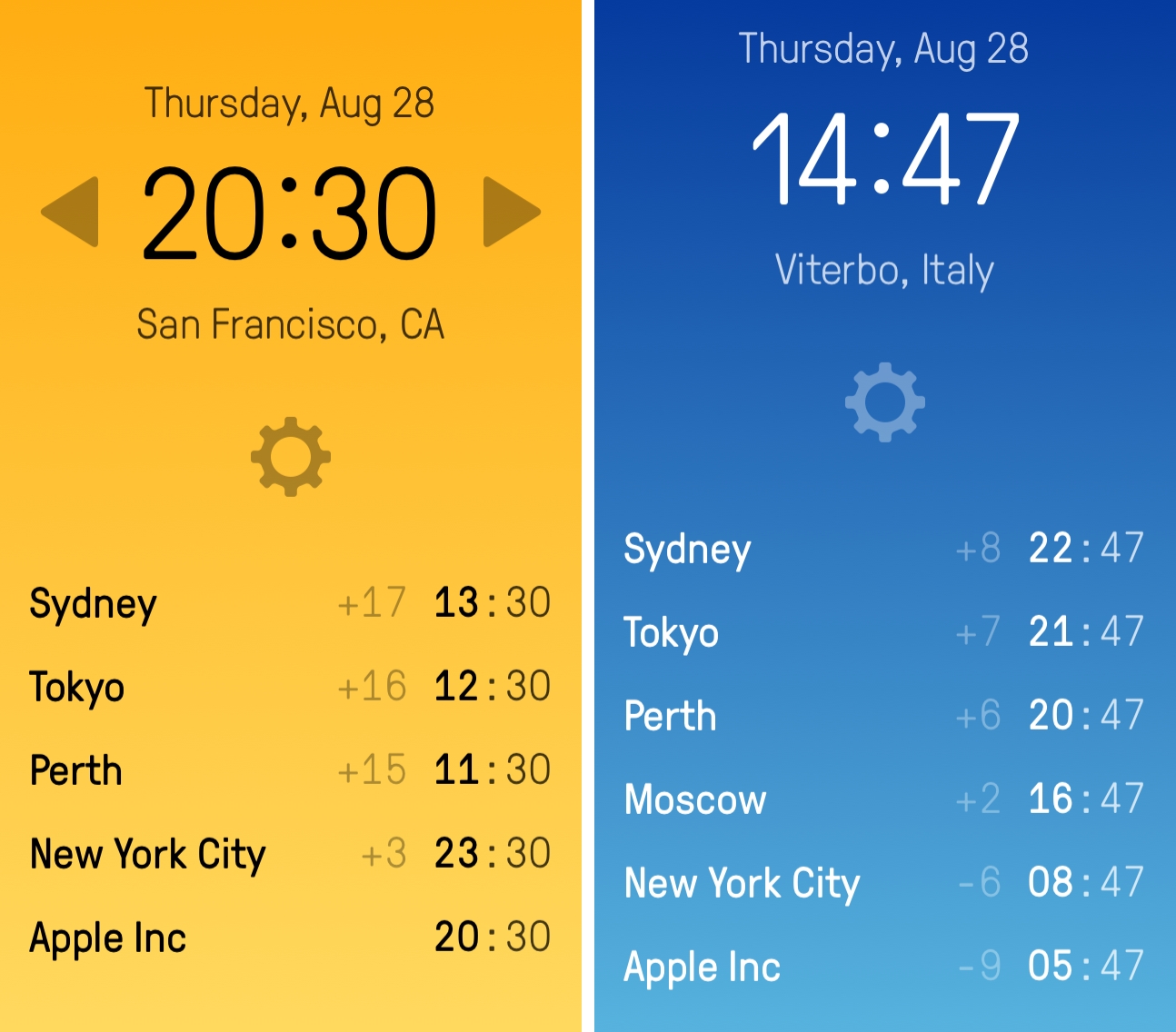
The most immediate impact of time differences is on flight itineraries. Departure and arrival times are always local. For example, a flight leaving New York at 9:00 AM EDT and arriving in San Francisco at 12:00 PM PDT seems like a short flight on paper, but factoring in the 3-hour time difference reveals it’s a 6-hour journey. Understanding this helps manage expectations and avoid anxiety about perceived delays. Crucially, missed connections often stem from misreading local times, especially during international layovers where multiple time zone changes occur.
Mitigating the Effects of Jet Lag
Traveling across multiple time zones almost inevitably leads to jet lag, a temporary sleep disorder caused by the body’s internal clock (circadian rhythm) being out of sync with the new environment. The greater the time difference, the more pronounced the symptoms: fatigue, insomnia, irritability, and digestive issues. Travelers arriving in San Francisco from the east (e.g., Europe, Asia, or the East Coast of the US) will experience westbound jet lag, where their body wants to sleep earlier than the local time. Awareness of the exact time difference is the first step in preparing for and mitigating these effects.
Coordinating with Loved Ones Back Home
Maintaining contact with family and friends in different time zones requires careful planning. A spontaneous evening call for you in San Francisco might be the middle of the night for them. Knowing the precise time difference helps you schedule calls, video chats, or messages at mutually convenient times, ensuring you stay connected without disrupting anyone’s sleep or daily routine.
Optimizing Business Travel and Remote Work
For business travelers or those working remotely from San Francisco, time differences are a critical consideration. Scheduling virtual meetings with colleagues or clients in different time zones requires meticulous planning. An early morning meeting in San Francisco might be a late afternoon or even evening call for counterparts on the East Coast or in Europe, while coordinating with Asia or Australia might mean working unconventional hours. Clear communication about local times is key to professional success.
Tips for Seamless Time Zone Transition in San Francisco
Adjusting to San Francisco’s time zone doesn’t have to be a struggle. With a few proactive steps, you can minimize the impact of time differences and enjoy your trip to the fullest.
Pre-Travel Preparation for Time Adjustment
- Shift Sleep Gradually: In the days leading up to your trip, try to gradually shift your sleep schedule closer to San Francisco’s time. If coming from the east, go to bed an hour or two later than usual. If from the west (e.g., Asia), try to sleep earlier.
- Adjust Watch Before Departure: Set your watch to San Francisco time as soon as you board your flight. This mental shift helps prepare your body and mind for the change.
- Stay Hydrated and Avoid Alcohol: Dehydration exacerbates jet lag. Drink plenty of water before, during, and after your flight, and limit alcohol and excessive caffeine, which can disrupt sleep patterns.
On-Arrival Strategies for Acclimatization
- Embrace Local Time Immediately: Upon arrival at San Francisco International Airport (SFO), adjust your schedule to local time for meals, sleep, and activities.
- Seek Sunlight: Natural light is a powerful cue for regulating your circadian rhythm. Spend time outdoors, especially in the morning, to help your body adjust. A walk along Fisherman’s Wharf or through Golden Gate Park can be invigorating.
- Manage Naps Wisely: If you must nap, keep it short (20-30 minutes) and early in the day to avoid interfering with nighttime sleep.
- Stay Active: Gentle exercise can help combat fatigue. Explore the city on foot or rent a bike.
Leveraging San Francisco’s Daytime for Exploration
San Francisco offers incredible experiences best enjoyed during its vibrant daytime hours. By quickly adapting to the local time, you can maximize your opportunities to visit attractions like the Presidio, ride the iconic cable cars, or explore the diverse neighborhoods. Being in sync with the city’s rhythm ensures you’re alert and energized for your planned adventures.
Maximizing Your San Francisco Experience with Time Awareness
A mindful approach to San Francisco’s time difference will significantly enhance your travel experience, allowing you to immerse yourself fully in the city’s unique charm.
Planning Daily Itineraries Effectively
Effective itinerary planning is deeply intertwined with time awareness. Early birds can capitalize on quieter mornings at popular spots like the Golden Gate Bridge or Alcatraz Island, while those adjusting from eastern time zones might find it easier to schedule later starts. Knowing when attraction doors open and close, and when public transport peaks, helps you navigate the city efficiently. For instance, planning a leisurely brunch in Union Square after your body has naturally caught up can be more enjoyable than forcing an early breakfast when still feeling the effects of jet lag.
Enjoying Early Mornings and Late Evenings
Depending on where you’re traveling from, you might naturally find yourself awake during what feels like an “unconventional” local time. Embrace it! An early morning in San Francisco can be magical: watching the fog roll in over the bay, enjoying a quiet coffee, or witnessing the city wake up. Similarly, if your internal clock keeps you up later, explore San Francisco’s vibrant nightlife, catch a late show, or simply enjoy a stroll without the daytime crowds. Being flexible and attuned to your body’s rhythm, while gradually pushing it towards local time, can unlock unique experiences.
Local Business Hours and Event Timings
Beyond major attractions, understanding local time is crucial for daily activities. Restaurant opening and closing times, museum hours, retail store operations, and the schedule of local events, festivals, or concerts are all dictated by San Francisco’s time zone. Checking these timings in advance, especially for places that might have varying hours or require reservations, will prevent disappointment and allow you to fully partake in the local scene.
In conclusion, the time difference in San Francisco is far more than just a numerical offset. It’s a foundational element of travel planning that impacts your comfort, efficiency, and overall enjoyment. By understanding PST and PDT, accurately calculating differences, and employing smart adjustment strategies, you can ensure your visit to this magnificent city is as seamless and memorable as possible. Embrace the change, and let San Francisco’s unique rhythm guide your adventure.
LifeOutOfTheBox is a participant in the Amazon Services LLC Associates Program, an affiliate advertising program designed to provide a means for sites to earn advertising fees by advertising and linking to Amazon.com. Amazon, the Amazon logo, AmazonSupply, and the AmazonSupply logo are trademarks of Amazon.com, Inc. or its affiliates. As an Amazon Associate we earn affiliate commissions from qualifying purchases.