
Navigating the intricacies of automotive insurance can feel like exploring an unfamiliar city without a map. In Texas, the Lone Star State, understanding your coverage options is paramount, especially when it comes to what’s commonly referred to as “full coverage.” While the term itself doesn’t represent a single, officially defined policy, it’s a widely used shorthand that encompasses a robust set of protections designed to shield you from a wide array of financial burdens stemming from vehicle-related incidents. This guide will demystify what “full coverage” typically entails in Texas, shedding light on its components and why it’s a prudent choice for many drivers.
The concept of “full coverage” is less about a specific insurance product and more about a combination of policies that offer comprehensive protection. At its core, “full coverage” is a blend of liability insurance, collision insurance, and comprehensive insurance. In Texas, the state mandates minimum liability coverage, but this is far from the extensive protection that “full coverage” implies. Understanding these distinct yet interconnected parts is key to making informed decisions about your automotive insurance. Whether you’re a seasoned Texan driver or new to the state, this exploration will help you piece together the puzzle of what it means to be truly covered.
The Cornerstones of “Full Coverage” in Texas
The umbrella term “full coverage” is built upon three primary pillars, each addressing different types of risks and potential damages. Without these, your protection would be significantly limited, leaving you vulnerable to substantial out-of-pocket expenses.
Liability Insurance: The Non-Negotiable Foundation
In Texas, like all other states, liability insurance is the only coverage that is legally required by the state. This is the bedrock upon which any comprehensive auto insurance plan is built. Liability insurance is divided into two crucial components: bodily injury liability and property damage liability.
-
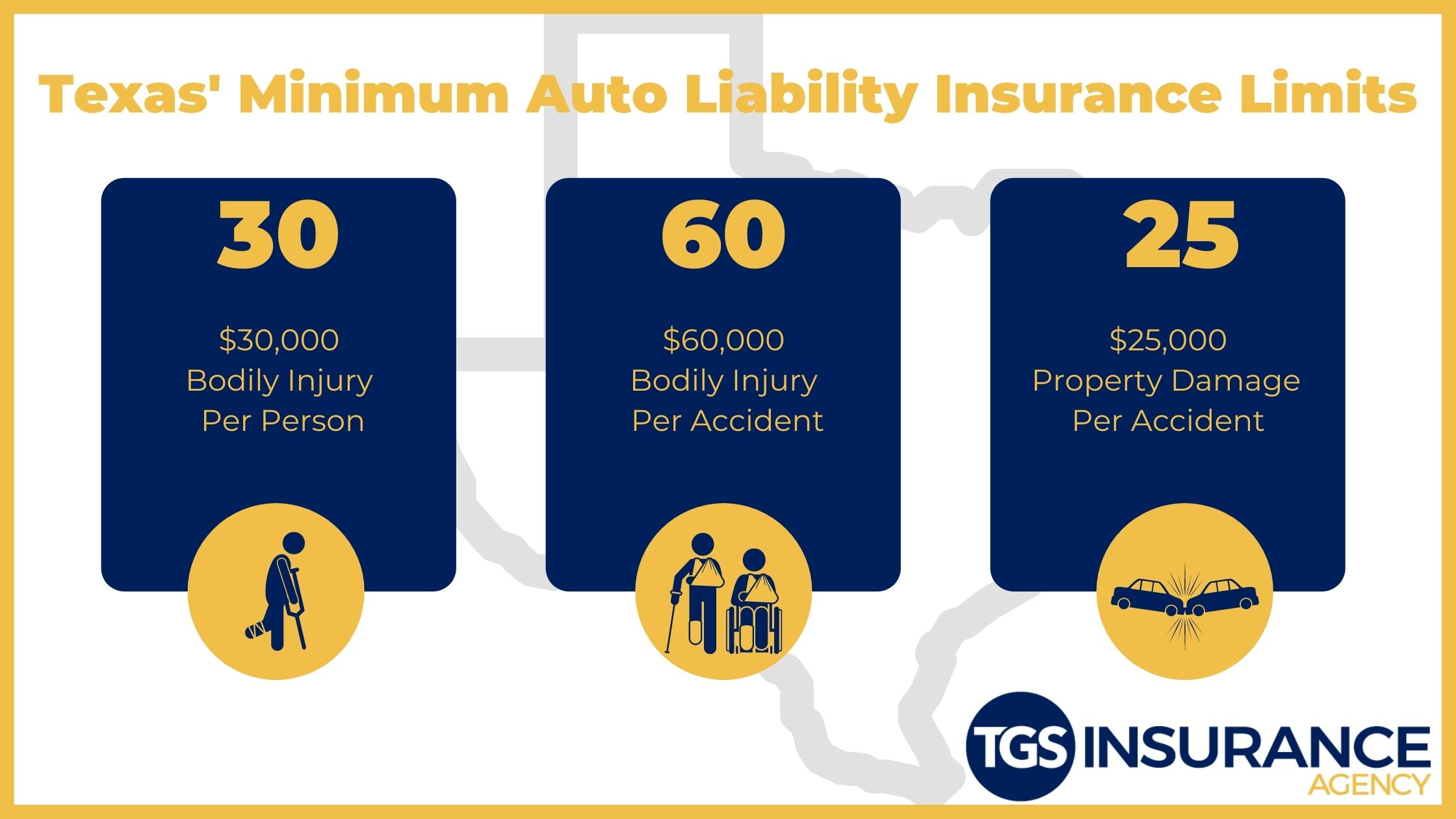
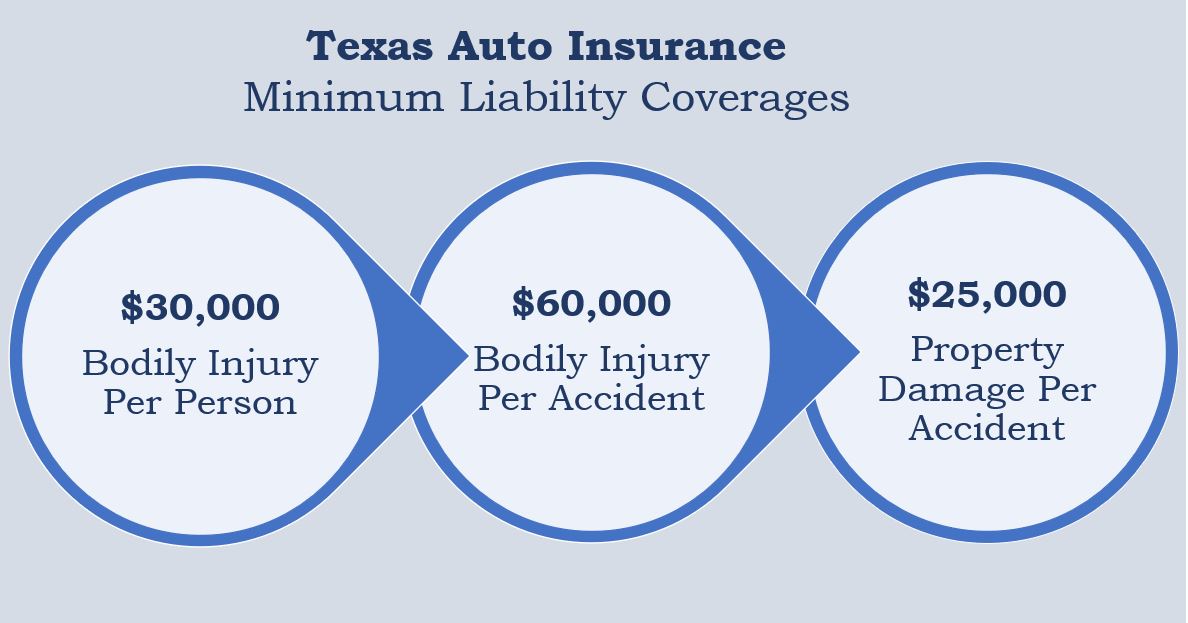
Bodily Injury Liability: This coverage helps pay for the medical expenses, lost wages, and pain and suffering of others if you are at fault in an accident that injures them. In Texas, the minimum required bodily injury liability coverage is $30,000 per person and $60,000 per accident. However, these minimums are often woefully inadequate in the event of a serious collision, especially with rising medical costs. For instance, a significant accident could easily incur medical bills that far exceed $60,000, leaving you personally responsible for the remainder. Many Texans opt for much higher limits to ensure they are adequately protected.
-
Property Damage Liability: This coverage pays for damages to another person’s property if you are at fault in an accident. This could include their car, a fence, a building, or any other property you damage. The minimum required property damage liability coverage in Texas is $25,000 per accident. Again, this minimum can be insufficient. If you were to cause significant damage to a luxury vehicle or multiple properties, $25,000 might not cover the full cost of repairs or replacement.
While meeting the state minimums fulfills your legal obligation, it’s crucial to recognize that these are mere baseline protections. For true peace of mind, especially if you own assets that you wish to protect, increasing your liability limits beyond the state minimum is a wise consideration. This is where the concept of “full coverage” begins to diverge from basic legal requirements.
Collision Insurance: Protecting Your Own Vehicle
Collision insurance is a vital component of “full coverage” because it focuses on repairing or replacing your own vehicle if it’s damaged in a collision, regardless of who is at fault. This coverage is not legally mandated by the state of Texas, but it’s often required by lenders if you have a car loan or lease.
-
How it Works: If your car is damaged in an accident—whether you hit another vehicle, a stationary object like a tree or a pole, or even if you roll your car—collision insurance will help pay for the repairs. The insurance company will pay for the damages minus your deductible. Your deductible is the amount you agree to pay out-of-pocket before the insurance company steps in. Common deductibles range from $500 to $1,000, but you can often choose higher or lower amounts, which will affect your premium.
-
When is it Most Valuable? Collision coverage is particularly important for newer vehicles or those with a high market value. The cost of repairing significant collision damage can easily exceed the value of the vehicle itself, making this coverage a wise investment. If your car is older and has a low market value, the cost of collision insurance might outweigh the potential payout, and you might choose to forgo this coverage. However, for many, the ability to repair or replace their primary mode of transportation without a massive financial shock is well worth the premium.
Comprehensive Insurance: Beyond Collisions
Comprehensive insurance, often referred to as “other than collision,” covers damage to your vehicle that is not caused by a collision. This is another non-mandated coverage in Texas, but it’s a cornerstone of “full coverage” protection.
-
What it Covers: Comprehensive coverage is designed to protect your vehicle from a wide range of perils, including:
- Theft: If your car is stolen, comprehensive insurance can help cover the cost of replacing it, up to its actual cash value, minus your deductible.
- Vandalism: Damage caused by malicious acts, such as graffiti or broken windows, is typically covered.
- Natural Disasters: This includes damage from events like hail, floods, hurricanes, wildfires, and falling objects (like tree branches). Given Texas‘s susceptibility to severe weather events, comprehensive coverage can be particularly valuable.
- Fire: Damage caused by a vehicle fire.
- Animal Collisions: Hitting an animal, like a deer, which can cause significant damage.
- Glass Breakage: Cracks or breaks in your windshield or other windows.
-
The Role of the Deductible: Similar to collision insurance, comprehensive coverage usually comes with a deductible. This is the amount you pay before the insurance company covers the remaining costs. Deductibles for comprehensive coverage can vary, often ranging from $100 to $500, or even more, depending on your policy and chosen coverage level.
Together, collision and comprehensive insurance provide a robust safety net for your vehicle itself, protecting it against a vast spectrum of potential damages. When combined with adequate liability insurance, you begin to understand the comprehensive nature of “full coverage.”
Beyond the Basics: Additional Protections Often Included
While liability, collision, and comprehensive insurance form the core of what most people mean by “full coverage” in Texas, several other optional coverages can further enhance your protection and peace of mind. These additions are often bundled or offered as endorsements to a “full coverage” policy, providing even more comprehensive financial safeguards.
Uninsured and Underinsured Motorist (UM/UIM) Coverage
One of the most critical, yet often overlooked, components of comprehensive auto insurance is Uninsured and Underinsured Motorist (UM/UIM) coverage. This coverage is designed to protect you if you are involved in an accident with a driver who either has no insurance (uninsured) or not enough insurance to cover your damages (underinsured).
-
Uninsured Motorist (UM): This coverage steps in when the at-fault driver has no liability insurance at all. In Texas, while liability insurance is mandatory, many drivers unfortunately still operate vehicles without it. If an uninsured driver causes an accident that injures you or damages your property, your UM coverage can compensate you for medical expenses, lost wages, and pain and suffering. It can also cover damage to your vehicle if you have UM property damage coverage.
-
Underinsured Motorist (UIM): This coverage applies when the at-fault driver has insurance, but their liability limits are too low to cover the full extent of your damages. For example, if the at-fault driver has the minimum Texas liability coverage of $30,000 per person, but your medical bills are $70,000, your UIM coverage would help pay the remaining $40,000.
UM/UIM coverage can be purchased with bodily injury and property damage components. Many drivers in Texas choose to carry UM/UIM coverage that matches their own liability limits to ensure they are protected against drivers with inadequate or no insurance. This coverage is particularly vital as it directly addresses the reality of uninsured or underinsured drivers on the road.
Personal Injury Protection (PIP)
Personal Injury Protection (PIP) is another valuable, though optional, coverage in Texas. PIP is a no-fault coverage, meaning it pays for your medical expenses and a portion of your lost wages, regardless of who caused the accident.
-
Key Benefits of PIP:
- Medical Expenses: PIP covers medical bills for you and your passengers, including ambulance fees, hospital stays, doctor visits, and rehabilitation.
- Lost Wages: If you’re unable to work due to injuries sustained in an accident, PIP can reimburse you for a portion of your lost income.
- Other Expenses: Some PIP policies may also cover services that you can no longer perform due to your injuries, such as childcare or household tasks.
-
Why Choose PIP? PIP coverage can be especially beneficial because it provides immediate financial assistance for your injuries without the need to wait for fault to be determined. This can be crucial for covering immediate medical needs and maintaining financial stability while the accident investigation is ongoing. In Texas, PIP can also cover you and your passengers even if you are a pedestrian or cyclist struck by a vehicle.
Other Potential Inclusions
Depending on your specific needs and the insurance provider, a “full coverage” policy might also include:
- Rental Car Reimbursement: This coverage helps pay for a rental car while your vehicle is being repaired after a covered claim. This is incredibly useful for maintaining your mobility, especially if your car is your primary mode of transportation, whether for daily commutes to work in cities like Houston or Dallas, or for planned road trips to destinations like Big Bend National Park.
- Towing and Labor Costs: This coverage can help pay for towing your vehicle to a repair shop and for roadside assistance services, such as battery jumps or tire changes.
- New Car Replacement: If your new car is totaled within a certain timeframe (e.g., the first year or 15,000 miles), this coverage can help you replace it with a brand-new car of the same make and model, rather than just receiving its depreciated cash value.

Making the “Full Coverage” Decision in Texas
The decision to opt for what is commonly called “full coverage” in Texas is a personal one, influenced by various factors including the value of your vehicle, your financial situation, your risk tolerance, and your lifestyle. While the state mandates only liability coverage, the comprehensive protection offered by including collision and comprehensive insurance, alongside UM/UIM and potentially PIP, provides a significantly more robust safety net.
Consider the following when making your decision:
- Vehicle Value: If your vehicle is new, has a high market value, or you rely heavily on it for daily life, collision and comprehensive coverage are almost always recommended. For older, lower-value vehicles, you might weigh the cost of premiums against the potential payout.
- Financial Stability: Can you afford to pay for significant repairs or replace your vehicle out-of-pocket if it’s damaged or stolen? If not, “full coverage” offers crucial financial protection.
- Loan or Lease Requirements: If your vehicle is financed or leased, your lender will almost certainly require you to carry collision and comprehensive insurance.
- Risk Tolerance: How comfortable are you with the possibility of facing substantial unexpected expenses? “Full coverage” minimizes these risks.
- Driving Habits and Environment: Do you frequently drive in areas with high traffic, poor road conditions, or where uninsured drivers are more prevalent? Do you live in a region prone to severe weather? These factors can increase the likelihood of needing more comprehensive protection. For instance, a driver living near the coast in Galveston might consider stronger protections against hurricane damage than someone in the drier West Texas. Similarly, a driver who frequently visits popular tourist spots like the Alamo in San Antonio or the Fort Worth Stockyards might face different risks than someone who primarily stays local.
Ultimately, “full coverage” in Texas is about investing in your financial security and peace of mind. It’s a commitment to protecting your assets and your ability to navigate life smoothly, even when the unexpected occurs. By understanding the individual components and considering your unique circumstances, you can make an informed choice that best suits your needs on the roads of Texas.
LifeOutOfTheBox is a participant in the Amazon Services LLC Associates Program, an affiliate advertising program designed to provide a means for sites to earn advertising fees by advertising and linking to Amazon.com. Amazon, the Amazon logo, AmazonSupply, and the AmazonSupply logo are trademarks of Amazon.com, Inc. or its affiliates. As an Amazon Associate we earn affiliate commissions from qualifying purchases.