
Navigating San Francisco can be an exhilarating experience, a tapestry woven with iconic landmarks, vibrant neighborhoods, and a unique cultural pulse. However, for those arriving by car, the question of “Where To Park In San Francisco?” often looms large, a potential roadblock to enjoying the city’s many offerings. The famously hilly terrain and dense urban landscape present parking challenges that can test even the most seasoned drivers. This guide aims to demystify the process, offering practical advice and highlighting the best options to ensure your visit is as smooth and stress-free as possible, whether you’re here for a quick sightseeing trip, a leisurely exploration, or a longer stay.
Understanding San Francisco’s Parking Landscape
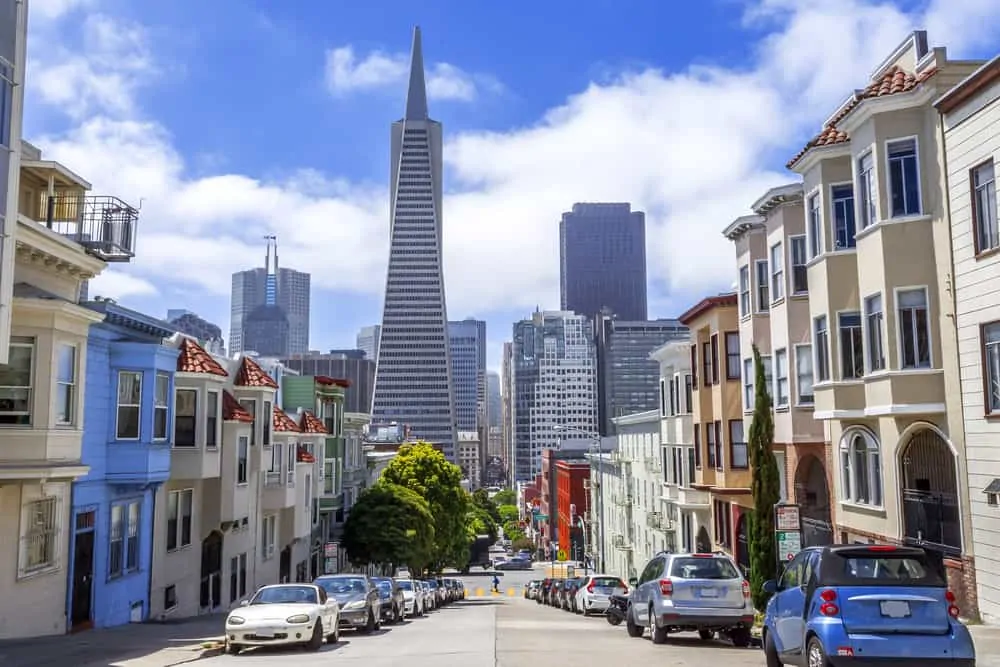
San Francisco‘s parking situation is a complex ecosystem influenced by high demand, limited space, and a variety of parking regulations. Understanding these nuances is the first step to successful parking. The city employs a mix of on-street parking, public garages, private lots, and hotel parking facilities, each with its own set of rules, pricing structures, and availability.
On-Street Parking: The Elusive Option
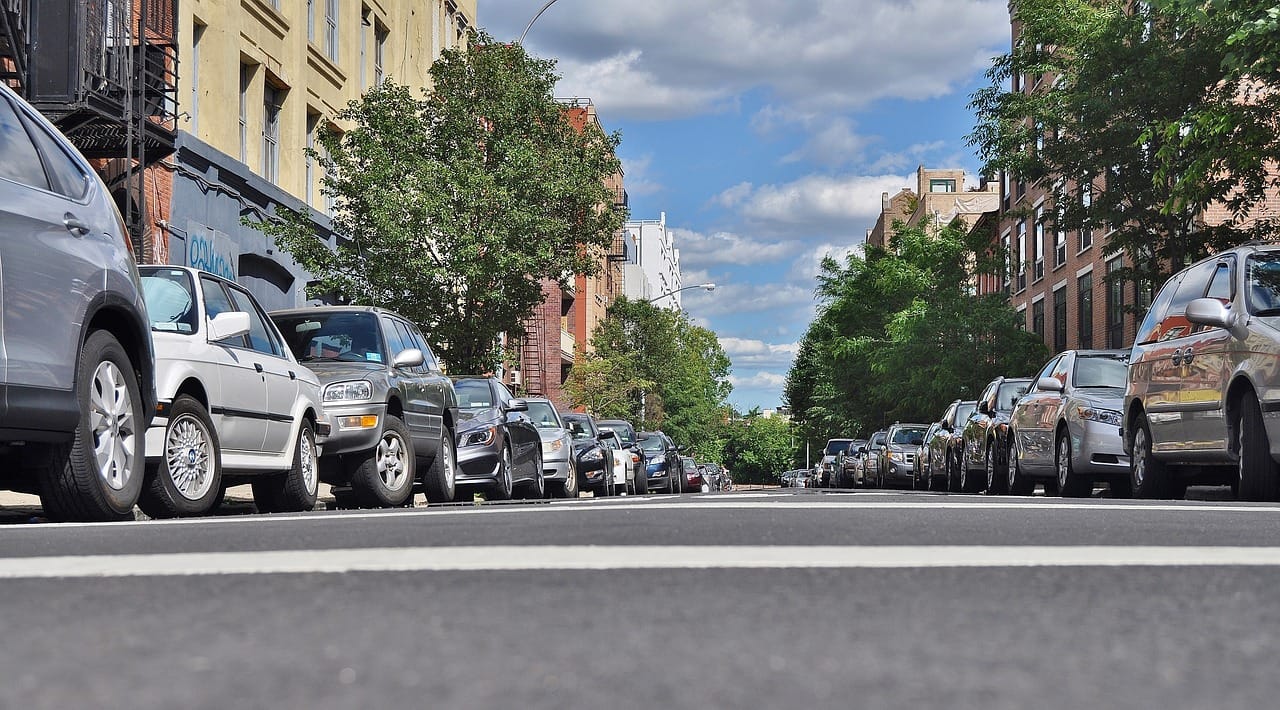
On-street parking is often the most sought-after, offering the convenience of parking close to your destination. However, it is also the most challenging to secure. San Francisco has strict parking regulations, including:
- Street Cleaning Schedules: Many streets have posted signs indicating specific days and times when parking is prohibited for street cleaning. Failure to adhere to these can result in hefty fines and even towing. Always check the signs carefully, as these schedules can vary block by block.
- Residential Parking Permits (RPP): Certain neighborhoods are designated as residential permit zones. While visitors might find some metered spots within these zones, parking for extended periods without a permit can be problematic and may lead to tickets.
- Metered Parking: Metered parking is prevalent in commercial areas and near popular attractions. These meters typically have time limits, and payment is often managed through mobile apps or physical pay stations. Be mindful of the time limits to avoid overstaying and incurring penalties.
- Red Zones, Yellow Zones, and White Zones: These color-coded zones indicate specific parking restrictions. Red zones are no-parking areas, yellow zones are for loading and unloading, and white zones are for passenger loading and unloading. Understanding these color codes is crucial to avoid tickets.
The allure of on-street parking lies in its potential cost-effectiveness and immediate proximity. However, the constant need to monitor meters, adhere to time limits, and watch out for cleaning schedules can detract from the enjoyment of your visit. For short trips or when exploring neighborhoods where meter parking is abundant and affordable, it can be a viable option. However, for longer excursions or when visiting highly congested areas, it’s wise to have backup plans.
Public Parking Garages: A Reliable Alternative
For those seeking a more predictable and secure parking solution, San Francisco‘s public parking garages are an excellent choice. Managed by entities like the San Francisco Municipal Transportation Agency (SFMTA) and various private operators, these garages offer a range of options across the city.
- Location: Garages are strategically located near major attractions, business districts, and transportation hubs. This makes them convenient for accessing landmarks like the Golden Gate Bridge, Alcatraz Island, Fisherman’s Wharf, and the Ferry Building Marketplace.
- Pricing: Fees vary significantly depending on the location, duration of stay, and time of day. Expect to pay more in prime tourist areas and during peak hours. Many garages offer hourly rates, daily maximums, and sometimes even evening or weekend specials.
- Amenities: Most public garages are well-maintained and offer security features. Some may have electric vehicle (EV) charging stations, covered parking, and even car wash services.
- Booking and Payment: While many garages operate on a first-come, first-served basis, some offer online reservation systems, allowing you to pre-book your spot. Payment is typically made at the exit, either through a cashier or an automated system.
- Examples of Key Public Garages:
- Civic Center Garage: Convenient for accessing the Civic Center area, including City Hall and the San Francisco Symphony.
- Union Square Garage: Situated in the heart of the shopping district, this is ideal for accessing department stores like Macy’s and luxury boutiques.
- North Beach Parking Garage: A good option for exploring the vibrant North Beach neighborhood, known for its Italian heritage and Beat Generation history.
- Embarcadero Center Garages: Located along the waterfront, these provide access to the Ferry Building Marketplace, Pier 39, and the Exploratorium.
Utilizing public garages significantly reduces the stress associated with finding parking. While the cost might be higher than on-street meters, the peace of mind, security, and convenience often outweigh the expense, especially for those planning to spend several hours exploring.
Strategic Parking for Specific San Francisco Experiences
When planning your San Francisco itinerary, consider where you’ll be spending most of your time and tailor your parking strategy accordingly. Different neighborhoods and attractions lend themselves to different parking solutions.
Parking Near Major Tourist Attractions
Visiting San Francisco‘s world-renowned attractions often means dealing with high visitor numbers and, consequently, high parking demand.
- Fisherman’s Wharf & Pier 39: This bustling waterfront area is a magnet for tourists. While there are several parking lots and garages in the vicinity, they can fill up quickly and be expensive. Consider parking a few blocks away and walking, or utilizing public transportation if your primary destination is Fisherman’s Wharf. The San Francisco Maritime National Historical Park offers parking, and there are numerous private lots catering to tourists.
- Golden Gate Park: Spanning over 1,000 acres, Golden Gate Park has multiple entrances and parking areas. While some street parking is available, dedicated lots like those near the California Academy of Sciences, the de Young Museum, and the Japanese Tea Garden are more convenient. During peak seasons and weekends, these lots can become congested, so arriving early is advisable. For those visiting specific attractions within the park, parking closest to your intended destination is key.
- Union Square: The epicenter of San Francisco‘s shopping and theater district, Union Square offers several parking garages, including the large Union Square Garage and the Post Street Garage. These are ideal for shoppers, diners, and theatergoers. Due to the heavy foot traffic, walking from the garage to your destination is often the easiest way to navigate the immediate area.
- Chinatown: San Francisco‘s Chinatown is a vibrant and bustling neighborhood where parking can be particularly challenging. The Portsmouth Square Garage is a central option, but it can be busy. Exploring the narrow, winding streets on foot is part of the experience, so consider parking at a nearby garage or utilizing public transit and then walking into Chinatown.
Parking for Hotel Stays and Long-Term Visitors
If you’re staying at a hotel or planning a longer visit, your parking needs will differ from those of a day-tripper.
- Hotel Parking: Most San Francisco hotels offer on-site parking, but it often comes at a premium. Valet parking is common, and prices can range from $50 to $80 or more per night, especially in downtown and waterfront hotels. Before booking, always check the hotel’s parking fees and availability. Some hotels may have limited parking or partner with nearby garages.
- Luxury Hotels: Establishments like the Fairmont San Francisco, The Ritz-Carlton, San Francisco, and Four Seasons Hotel San Francisco typically offer extensive valet services, reflecting their luxury status.
- Boutique Hotels: Smaller hotels might have fewer parking spaces or rely on partnerships with local garages.
- Budget-Friendly Stays: Hotels further from the city center or those in neighborhoods like the Marina District or Pacific Heights might offer more affordable parking options, or at least easier access to street parking.
- Apartments and Villas for Long-Term Stays: For those opting for apartment rentals or villas through platforms like Airbnb or VRBO, parking arrangements can vary greatly.
- Included Parking: Some properties will include a dedicated parking space or garage access. This is a significant advantage for long-term visitors.
- Street Parking: Many residential areas offer street parking, but the RPP rules can be a factor. If you plan to park on the street for an extended period, familiarize yourself with the neighborhood’s parking regulations and the street cleaning schedule.
- Nearby Garages: If your rental doesn’t offer parking, identify nearby public or private garages that offer monthly or extended-stay rates. These can be more cost-effective than daily parking fees for a prolonged period.
When considering accommodation, factor in the parking costs and convenience. A hotel or rental with included parking, even if slightly more expensive per night, might save you money and considerable stress compared to constantly searching for and paying for parking.
Beyond Garages and Meters: Smart Parking Solutions
In addition to traditional parking methods, San Francisco offers several smart solutions that can enhance your parking experience.
Mobile Parking Apps and Technology
San Francisco has embraced technology to streamline parking. Several mobile apps can help you find, pay for, and even reserve parking spots.
- SFMTA Parking App: The official app of the SFMTA allows you to pay for metered parking directly from your phone, extending your parking time remotely if needed.
- Third-Party Parking Apps: Apps like ParkWhiz, SpotHero, and BestParking allow you to search for available parking spaces in garages and lots, compare prices, and often pre-book your spot at a discounted rate. These apps are invaluable for navigating unfamiliar areas and securing parking in advance, especially near popular attractions or during busy events.
Using these apps can save you time and money, reducing the frustration of circling blocks looking for a space. They often provide real-time availability and allow for easy payment, eliminating the need for cash or fumbling with pay stations.
Utilizing Public Transportation to Complement Parking
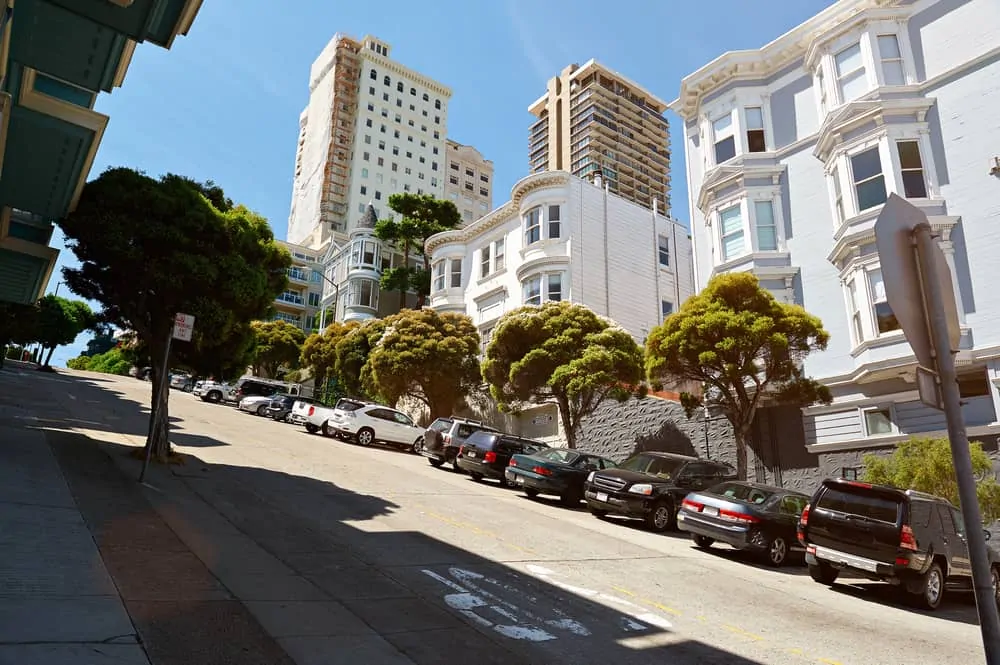
For many visitors, the most practical approach to parking in San Francisco is to combine driving with public transportation.
- Park-and-Ride Options: Consider parking your car in a less congested area or a more affordable garage on the outskirts of the city and then using public transportation to reach your final destination. BART (Bay Area Rapid Transit) stations in the East Bay or the outer neighborhoods of San Francisco can be good park-and-ride locations.
- Muni System: Once you’re in the city, San Francisco‘s Municipal Railway (Muni) system, including buses, streetcars, and light rail, provides an efficient way to get around. This allows you to park your car for the duration of your stay or for specific excursions and then use Muni for inter-neighborhood travel.
- Ride-Sharing Services: Uber and Lyft are widely available and can be a convenient alternative for short trips once your car is parked, especially in areas with difficult parking or where public transport routes are less direct.
By strategically parking your car in a secure location and leveraging San Francisco‘s extensive public transit network or ride-sharing services, you can avoid the daily parking hassles and focus on enjoying the city’s unique charm and attractions. This approach is particularly beneficial for exploring neighborhoods like North Beach, the Mission District, or Hayes Valley, where parking is notoriously scarce.
In conclusion, while parking in San Francisco presents its challenges, it is far from insurmountable. By understanding the city’s parking landscape, planning ahead, utilizing available technology, and considering a blend of driving and public transportation, visitors can ensure that their automotive journey is a seamless part of their San Francisco adventure. Whether you’re a tourist eager to see the Golden Gate Bridge, a business traveler staying at a downtown hotel, or a family exploring Alcatraz, a well-thought-out parking strategy will undoubtedly enhance your experience in this beautiful and dynamic city.
LifeOutOfTheBox is a participant in the Amazon Services LLC Associates Program, an affiliate advertising program designed to provide a means for sites to earn advertising fees by advertising and linking to Amazon.com. Amazon, the Amazon logo, AmazonSupply, and the AmazonSupply logo are trademarks of Amazon.com, Inc. or its affiliates. As an Amazon Associate we earn affiliate commissions from qualifying purchases.