
Stanley Kubrick’s chilling masterpiece, The Shining, has cemented its place as a cornerstone of horror cinema. The film’s oppressive atmosphere, psychological terror, and iconic imagery are inseparable from its primary setting: the Overlook Hotel. But for many viewers, a lingering question persists: does this infamous establishment exist in reality, and if so, where can one find it? The answer is not as straightforward as simply pointing to a single location, as the cinematic Overlook is a composite, a terrifying dreamscape built from inspiration and imagination. However, the real-world hotel that served as the primary muse for Stephen King’s novel, and subsequently influenced Kubrick’s adaptation, is very much a tangible place, offering a glimpse into the origins of this enduring horror story.

The Real-World Inspiration: The Stanley Hotel
The hotel that most directly inspired Stephen King’s terrifying narrative is the historic Stanley Hotel in Estes Park, Colorado. It was during a solitary stay at the Stanley Hotel in the autumn of 1974 that Stephen King experienced a profound sense of isolation and unsettling eeriness, which would later fuel his imagination for The Shining. King and his wife, Tabitha, were the sole guests at the hotel that particular week, a scenario that mirrors the desolate circumstances of the Torrance family in the novel.
A Precursor to Terror: King’s Stay at The Stanley
King’s visit to the Stanley Hotel was an accidental one. They were driving cross-country and had booked a room for just one night before the hotel closed for the winter season. The grand, yet aging, architecture of the hotel, coupled with its remote mountain setting, immediately struck a chord with the author. He described the experience as “like stepping into a gothic novel.” The vast, empty corridors, the echoing silence, and the sense of a history steeped in untold stories all contributed to a potent atmosphere of unease.
During his stay, King famously dreamt of his young son running down one of the hotel’s long hallways, pursued by a fire hose. This dream, combined with the palpable sense of the hotel’s isolation, became the seeds for the novel’s central conflict and terrifying events. He recalled the chilling experience of dining alone in the hotel’s cavernous dining room, with only the staff for company, further emphasizing the isolation that would become a hallmark of Jack Torrance’s descent into madness. The sheer size and grandeur of the Stanley Hotel, with its labyrinthine layout and imposing presence against the backdrop of the Rocky Mountains, provided the perfect canvas for King’s burgeoning horror narrative. He envisioned the hotel as a character in itself, a sentient entity that preyed upon its inhabitants.
While King’s novel drew heavily on the atmosphere and architecture of the Stanley Hotel, it’s important to note that the film adaptation, The Shining, directed by Stanley Kubrick, took a different approach to the visual representation of the Overlook.
The Cinematic Overlook: A Blend of Real and Imagined
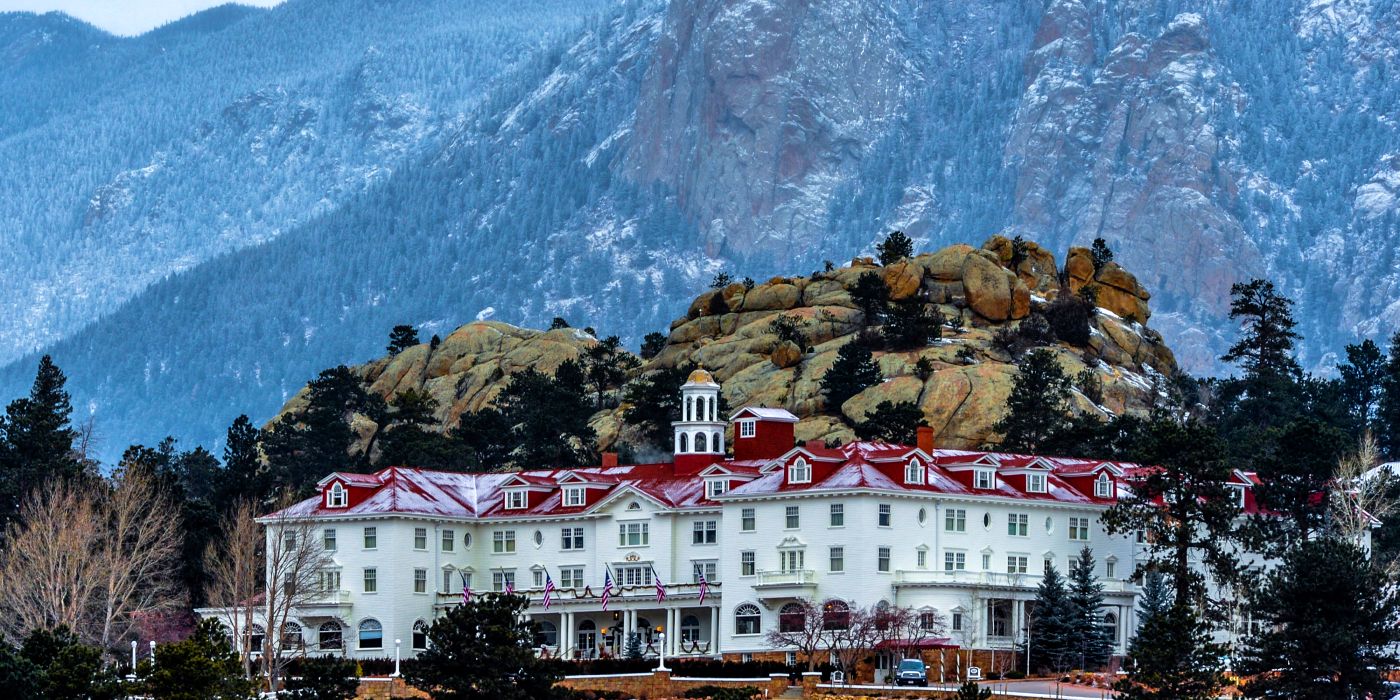
Stanley Kubrick, known for his meticulous attention to detail and artistic vision, did not film The Shining at the actual Stanley Hotel. Instead, he created the Overlook Hotel through a combination of meticulously designed sets and footage shot at various real-world locations. This decision allowed him to craft a more abstract and nightmarish vision of the hotel, one that served his specific cinematic goals.
Filming Locations and Set Design
The exteriors of the Overlook Hotel in the film were primarily inspired by and filmed at the Timberline Lodge on Mount Hood in Oregon. The iconic shot of the hotel nestled in the snowy mountains was filmed here. However, the distinctive, sprawling interior of the Overlook, with its distinctive hexagonal carpets and labyrinthine corridors, was not part of the Timberline Lodge. These interiors were painstakingly recreated on soundstages at Elstree Studios in England.
Kubrick’s choice to build the interiors on a soundstage allowed him a greater degree of control over the environment. He was able to manipulate scale, perspective, and geometry to enhance the film’s unsettling and disorienting atmosphere. The famous hedge maze, a crucial element in the climax of the film, was also constructed on the soundstage, allowing for precise control over its appearance and the actors’ movements within it.
The design of the Overlook’s interior was influenced by various architectural styles and a desire to evoke a sense of grandeur and decay. The bold, geometric patterns, the extensive use of wood paneling, and the vast, empty spaces all contribute to the feeling of isolation and psychological confinement. The aim was to create a hotel that felt both opulent and menacing, a place where past traumas and lingering spirits could manifest. Kubrick’s genius lay in his ability to distill the essence of King’s narrative and translate it into a visually arresting and deeply disturbing cinematic experience.
Visiting The Stanley Hotel: A Tourist Experience
Today, the Stanley Hotel in Estes Park, Colorado, embraces its connection to The Shining, drawing countless visitors eager to experience the birthplace of the novel’s chilling inspiration. While it may not be the imposing edifice seen in Kubrick’s film, its historical grandeur and atmospheric presence continue to captivate guests.

Exploring The “Real” Overlook
The Stanley Hotel offers a unique blend of historical charm and thematic experiences. Guests can book rooms, dine in its restaurants, and even participate in guided tours that delve into the hotel’s history and its connection to Stephen King. The hotel actively leans into its reputation as a haunted locale, with many guests reporting strange occurrences and ghostly encounters, further enhancing its appeal to fans of the paranormal and horror aficionados.
The hotel’s location in Estes Park, with its stunning natural beauty and proximity to Rocky Mountain National Park, makes it a destination for both literary enthusiasts and general tourists. Visitors can explore the surrounding landscape that undoubtedly contributed to the sense of isolation King felt during his stay. The charm of the historic architecture, the crisp mountain air, and the persistent whispers of spectral activity create an unforgettable travel experience. Whether one believes in ghosts or simply appreciates the historical significance and atmospheric allure, a visit to the Stanley Hotel offers a fascinating journey into the origins of one of literature’s most enduring horror tales. It’s a place where reality and fiction intertwine, inviting guests to step into a story that continues to haunt the imaginations of millions.
LifeOutOfTheBox is a participant in the Amazon Services LLC Associates Program, an affiliate advertising program designed to provide a means for sites to earn advertising fees by advertising and linking to Amazon.com. Amazon, the Amazon logo, AmazonSupply, and the AmazonSupply logo are trademarks of Amazon.com, Inc. or its affiliates. As an Amazon Associate we earn affiliate commissions from qualifying purchases.