
The question “How far from Seattle to Tacoma?” is a common one for anyone planning to navigate the vibrant Pacific Northwest region of Washington State. These two significant cities, each with its distinct character and appeal, are close enough for convenient travel, yet far enough apart to offer unique experiences. Understanding the distance, travel options, and what to expect on the journey is key to unlocking the full potential of a visit to this dynamic corridor.
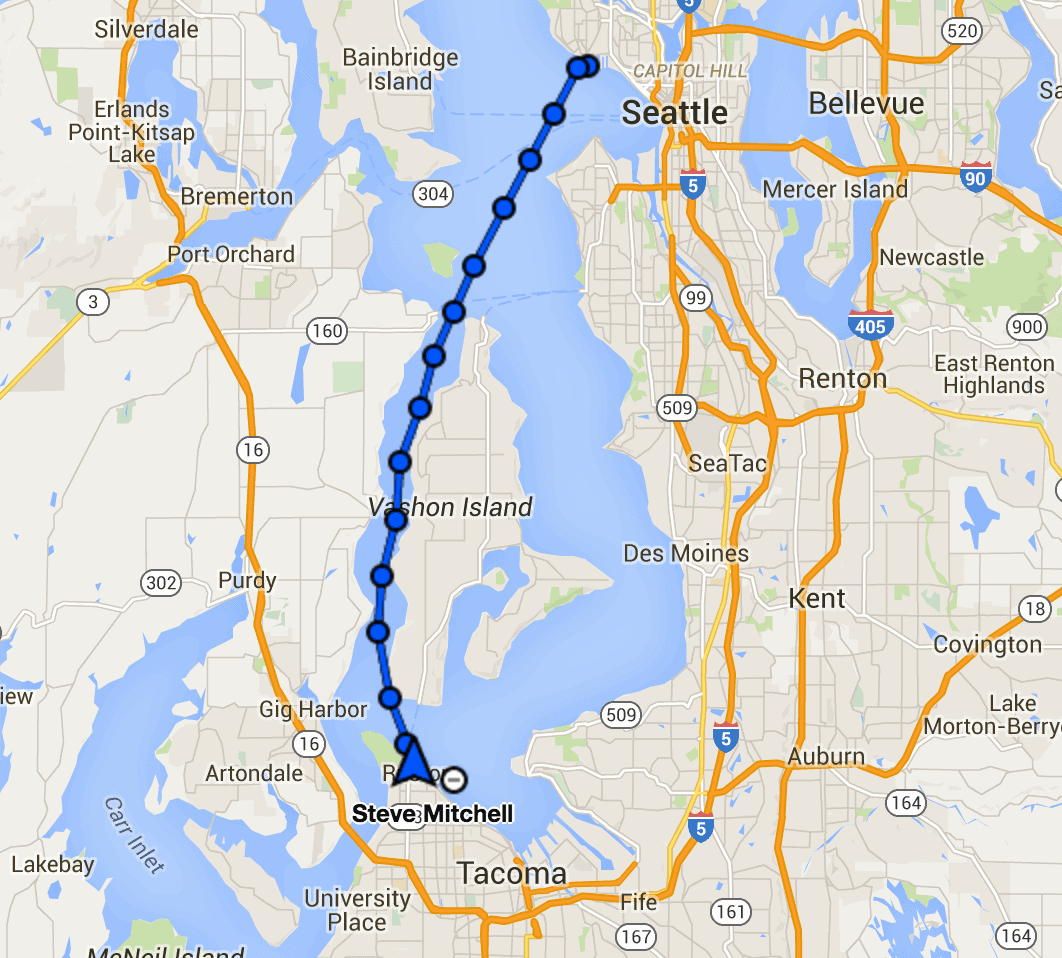
At its core, the distance between downtown Seattle and downtown Tacoma is approximately 35 to 40 miles (56 to 64 kilometers). This relatively short distance makes day trips, business commutes, or exploring the distinct offerings of both urban centers easily manageable. However, the actual travel time can vary significantly based on the chosen mode of transportation and, crucially, the notorious traffic patterns of the Puget Sound region. This guide delves into the specifics, offering an insightful look at how to traverse this well-traveled route and what awaits you at either end.
The Journey Unveiled: Distance and Driving Time
The backbone of travel between Seattle and Tacoma is the interstate highway system, making the journey relatively straightforward for drivers. However, the practical reality of navigating this corridor involves more than just a quick glance at a map.
Straightforward Statistics: Miles and Minutes
Under ideal conditions, driving the approximately 35-40 miles (56-64 km) between the heart of Seattle and downtown Tacoma typically takes 40 to 50 minutes. The primary route is Interstate 5 (I-5), a major north-south artery that connects the entire west coast of the United States. It’s a direct shot, but as anyone familiar with urban travel knows, “ideal conditions” are often a fleeting luxury. This stretch of I-5 is a vital economic and commuter link, meaning it’s rarely quiet.
The distance calculation typically starts from central points, such as Pioneer Square in Seattle or near the Tacoma Dome in Tacoma. Depending on your specific starting and ending neighborhoods within each city, the actual mileage and time could slightly increase due to local street navigation before merging onto or after exiting I-5.
Factors Influencing Travel Duration
While the mileage is constant, the time it takes to cover that distance is anything but. Several factors play a critical role in determining your actual travel duration:
- Traffic Congestion: This is, without a doubt, the most significant variable. The I-5 corridor between Seattle and Tacoma is notorious for heavy traffic, especially during peak commute hours. Morning rush hour (roughly 6:00 AM to 9:00 AM) and afternoon/evening rush hour (3:00 PM to 6:30 PM) can easily double or even triple the expected travel time. A 40-minute drive can become 90 minutes or more.
- Time of Day and Day of the Week: Weekday travel during non-peak hours is generally smoother, though congestion can still occur. Weekends often see lighter traffic, but special events in either city (e.g., sporting events, concerts, festivals) can significantly impact travel times, particularly on arterial roads leading to I-5 and specific venues.
- Construction: Ongoing road construction projects are a common feature of busy highways. Lane closures, detours, and reduced speed limits due to construction can add unexpected delays. Checking real-time traffic updates is crucial.
- Weather Conditions: The Pacific Northwest is known for its rain, and wet conditions can slow traffic considerably. Fog, especially during cooler months, can also reduce visibility and necessitate slower speeds. While rare, snow or ice can severely disrupt travel.
- Accidents: Even minor accidents on I-5 can cause significant backups, as there are limited alternative routes that offer the same efficiency for long stretches.
Given these variables, it is always advisable to check a real-time navigation app (like Google Maps or Waze) before departing. These tools provide up-to-the-minute traffic conditions and can suggest alternative routes if available, though truly efficient alternatives to I-5 between these two cities are scarce for the majority of the journey.
Diverse Travel Options Between Seattle and Tacoma
While driving is the most straightforward, it’s certainly not the only or always the best way to travel between Seattle and Tacoma. A range of transportation options caters to different preferences, budgets, and schedules.
Driving: The Most Common Choice
For many, driving remains the preferred method due to its flexibility and convenience. The route is predominantly along I-5, a multi-lane freeway that offers direct access.
- Convenience: Having your own vehicle allows for spontaneity, easy access to areas not directly served by public transit, and the ability to carry luggage or purchases without hassle.
- Route: From Seattle, you simply head south on I-5. The journey takes you past numerous towns and cities in the Puget Sound region, including SeaTac (home of Seattle-Tacoma International Airport), Federal Way, and Fife, before arriving in Tacoma.
- Considerations: As mentioned, traffic is a major concern. Parking in both downtown Seattle and Tacoma can also be challenging and expensive, especially during peak hours or events. Fuel costs are another factor.
Public Transportation: A Convenient Alternative
For those who prefer to avoid driving, or simply wish to relax during their journey, public transportation offers reliable and often scenic options.
Train (Sounder Commuter Rail)
The Sounder Commuter Rail, operated by Sound Transit, provides a popular and efficient way to travel between Seattle and Tacoma.
- Schedule: The Sounder primarily operates during weekday commute hours (morning southbound from Seattle to Tacoma, and evening northbound from Tacoma to Seattle). There are limited reverse commute and special event services, so checking the schedule is essential.
- Travel Time: The train journey typically takes about 50-60 minutes, which is often comparable to or faster than driving during rush hour, as it bypasses road traffic.
- Stations: In Seattle, trains depart from the historic King Street Station, conveniently located near Pioneer Square and downtown attractions. In Tacoma, the main stop is Tacoma Dome Station, with a few additional stops in between.
- Experience: The train offers comfortable seating, Wi-Fi on some trains, and a relaxing ride with scenic views of the Puget Sound shoreline along portions of the route. It’s an excellent option for commuters and day-trippers.
Bus (Sound Transit Express, Metro Transit)
Several bus services connect Seattle and Tacoma, offering a more frequent and sometimes more flexible schedule than the train.
- Sound Transit Express: Sound Transit Express buses provide direct, regional service between the two cities and other points in the metropolitan area. These buses use freeway express lanes where available, helping to mitigate traffic delays.
- Local Services: While less direct for point-to-point travel between the city centers, local bus networks like King County Metro Transit in Seattle and Pierce Transit in Tacoma can be used to connect to express routes or for travel within each city.
- Cost-Effectiveness: Buses are generally a very affordable option, and many services allow for easy transfers within the public transit system.
- Travel Time: Bus travel times can vary widely based on traffic, typically ranging from 1 hour to 1 hour and 30 minutes, or even longer during severe congestion.
Ridesharing and Taxis: On-Demand Flexibility
For door-to-door service without the hassle of driving or navigating public transit, ridesharing services (like Uber and Lyft) and traditional taxis are readily available.
- Convenience: These services offer unparalleled flexibility, allowing you to depart whenever you wish and be dropped off directly at your destination.
- Cost: While convenient, they are significantly more expensive than public transit and often comparable to or more than the cost of driving (factoring in gas and parking), especially during surge pricing or long-distance travel. A trip between Seattle and Tacoma could cost anywhere from $50-$100 or more, depending on demand and traffic.
- Travel Time: Like driving, travel time is heavily dependent on traffic conditions.
Why Make the Trip? Exploring Seattle and Tacoma
Understanding how to get from Seattle to Tacoma is only half the story. The real incentive lies in the unique experiences and attractions each city offers, making the journey worthwhile for travelers seeking diverse urban adventures.
Discovering Seattle’s Iconic Allure
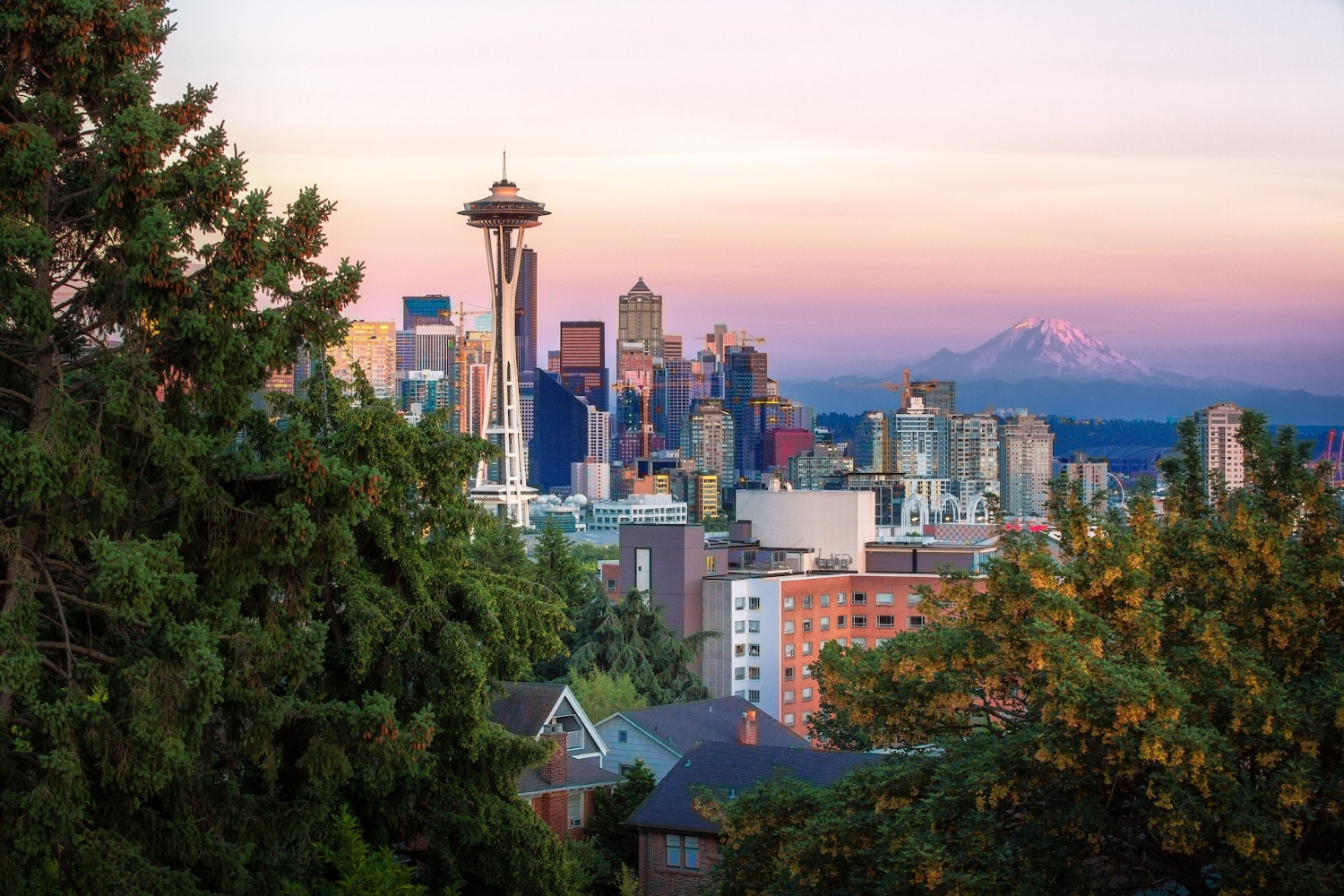
Seattle, the larger of the two, is a global hub of technology, culture, and natural beauty. Its iconic skyline and waterfront setting are instantly recognizable.
- Landmarks: No visit to Seattle is complete without seeing the Space Needle, offering panoramic views of the city, Puget Sound, and surrounding mountains. Nearby, the Chihuly Garden and Glass showcases breathtaking glass art.
- Markets and Culture: Pike Place Market is a vibrant, historic market known for its fresh seafood, artisan crafts, and the famous “flying fish.” Music lovers and pop culture enthusiasts will find a haven at the Museum of Pop Culture (MoPOP), with its eclectic exhibits.
- Waterfront Activities: The Seattle Waterfront offers ferry rides, the Seattle Great Wheel, and myriad dining options with stunning views.
- Neighborhoods: Explore diverse neighborhoods like Capitol Hill for its nightlife and vibrant arts scene, or Fremont for its quirky art installations and independent boutiques.
Tacoma’s Unique Charm and Attractions
Often overshadowed by its larger northern neighbor, Tacoma possesses a distinct industrial-chic charm, a burgeoning arts scene, and impressive natural beauty. It’s a city of grit and grandeur, undergoing a significant renaissance.
- Glass Art Capital: Tacoma is internationally recognized for its contributions to glass art, largely thanks to native son Dale Chihuly. The Museum of Glass, with its iconic cone, features stunning exhibitions and live glassblowing demonstrations. The Bridge of Glass, connecting the museum to the Museum District, is adorned with Chihuly’s work.
- Nature and Recreation: Point Defiance Park is one of the largest urban parks in the United States, offering a zoo and aquarium, botanical gardens, old-growth forests, and stunning views of the Puget Sound and Mount Rainier.
- Automotive Heritage: Car enthusiasts will delight in LeMay – America’s Car Museum, home to an extraordinary collection of vintage and classic automobiles.
- Waterfront and History: Ruston Way offers a picturesque waterfront promenade perfect for walking, biking, and dining. The University of Washington Tacoma campus, integrated into historic brick warehouses, adds to the city’s unique architectural landscape.
Planning Your Seattle-Tacoma Excursion
A successful trip between Seattle and Tacoma hinges on smart planning, especially regarding travel times and how to maximize your experience in both cities.
Best Times to Travel
To minimize travel stress and maximize enjoyment, consider these timing tips:
- Avoid Rush Hour: If driving, absolutely avoid weekday morning (6:00 AM – 9:00 AM) and afternoon (3:00 PM – 6:30 PM) rush hours. Traveling midday on a weekday or during the late evening offers the clearest roads.
- Weekends: While generally better for driving, popular weekend events in either city can still generate significant traffic. Check local event calendars before you go.
- Public Transit During Peak: If your schedule forces you to travel during rush hour, the Sounder Commuter Rail is often the most reliable option, as it bypasses road congestion.
Combining Stops: Making the Most of Your Journey
The proximity of Seattle and Tacoma makes it feasible to experience both on a single trip, whether as a day trip from one to the other or by allocating a few days to each.
- Day Trips: It’s very common for visitors staying in Seattle to take a day trip to Tacoma to explore its museums and Point Defiance Park. Conversely, Tacoma serves as an excellent base for exploring Seattle’s attractions.
- Regional Exploration: Consider dedicating a few days to the broader Puget Sound region. You could spend two days in Seattle, then travel south to Tacoma for another day or two, perhaps even venturing further south to explore the state capital of Olympia or heading east towards Mount Rainier National Park.
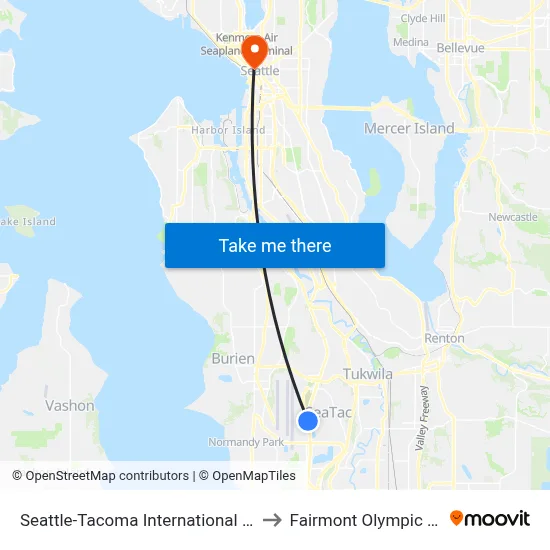
- Airport Access: Seattle-Tacoma International Airport (SeaTac) is conveniently located roughly halfway between the two cities, making transfers relatively easy regardless of which city you choose as your primary base. Many express buses and the Link Light Rail connect the airport to downtown Seattle, and buses serve Tacoma.
In conclusion, the journey from Seattle to Tacoma is more than just covering 35-40 miles; it’s a passage between two distinct urban landscapes, each contributing significantly to the rich tapestry of the Pacific Northwest. Whether you opt for the independence of driving, the efficiency of the train, or the ease of a bus, understanding the distance and travel dynamics allows for a seamless and enriching exploration of both cities. With proper planning, this relatively short trip promises a wealth of experiences, from Seattle’s bustling markets and tech innovations to Tacoma’s glass art and waterfront charm.
LifeOutOfTheBox is a participant in the Amazon Services LLC Associates Program, an affiliate advertising program designed to provide a means for sites to earn advertising fees by advertising and linking to Amazon.com. Amazon, the Amazon logo, AmazonSupply, and the AmazonSupply logo are trademarks of Amazon.com, Inc. or its affiliates. As an Amazon Associate we earn affiliate commissions from qualifying purchases.