
Florida, often referred to as the Sunshine State, is a premier destination drawing millions of tourists annually with its pristine beaches, vibrant marine life, and diverse attractions. However, a natural phenomenon known as “red tide” occasionally casts a shadow over its coastal allure. For tourists planning a visit, understanding what red tide is, its potential impacts, and how to navigate through it is crucial for a safe and enjoyable experience. This guide aims to demystify red tide, offering professional insights and practical tips for visitors to Florida, ensuring that their tourism plans remain informed and adaptable.
Understanding Red Tide: A Natural Phenomenon Affecting Tourism
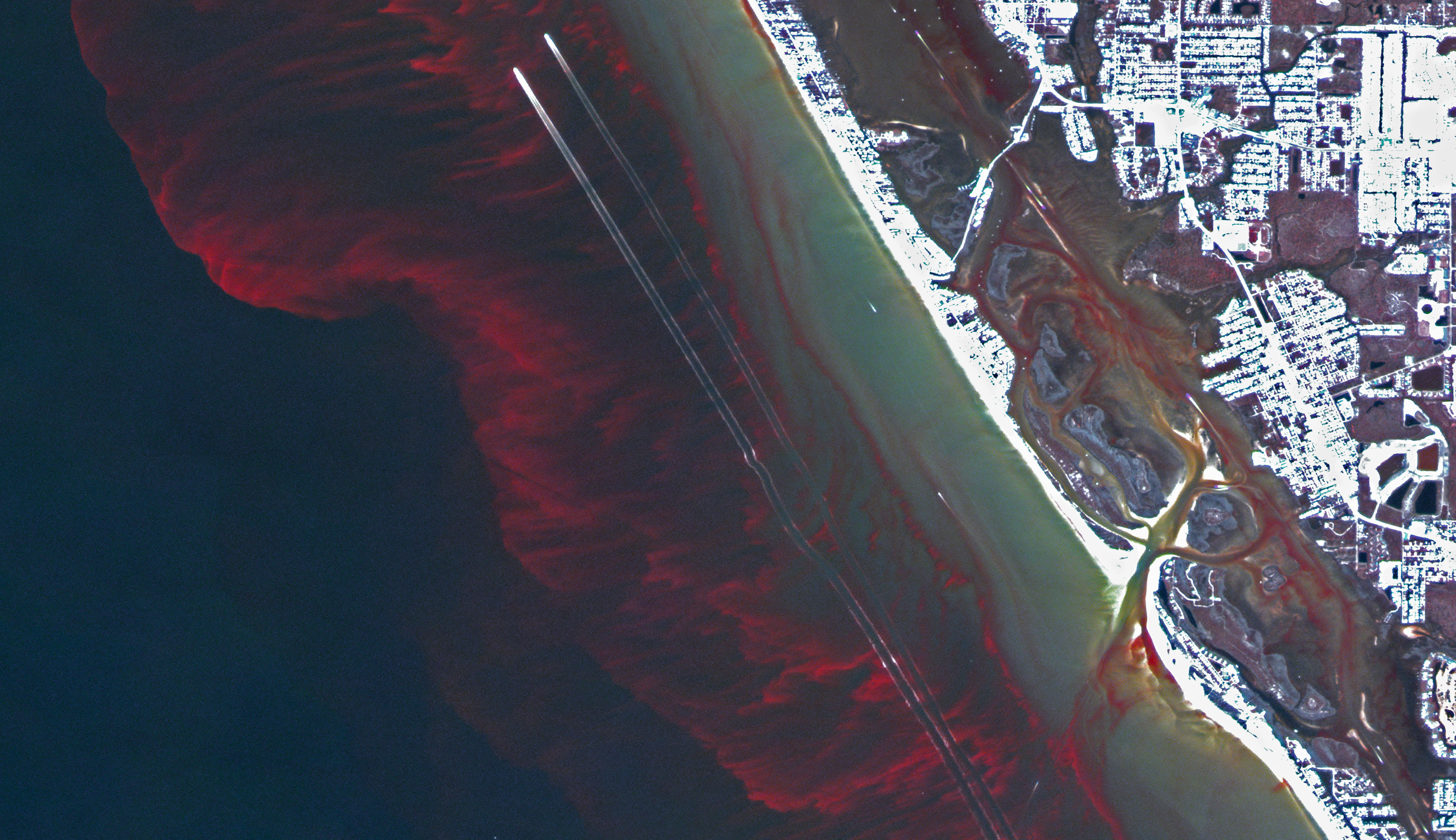
Red tide is a common term for a harmful algal bloom (HAB) caused by microscopic algae that multiply to higher-than-normal concentrations, often discoloring the water. While red tides occur worldwide, the specific organism responsible for Florida’s events is Karenia brevis, a dinoflagellate that produces potent neurotoxins called brevetoxins. These toxins can affect the central nervous system of fish, birds, mammals, and even humans, making red tide a significant concern for coastal communities and the tourism industry.
The Science Behind Karenia brevis
Karenia brevis is naturally occurring in the Gulf of Mexico and the Atlantic Ocean. Its blooms typically originate 10 to 40 miles offshore in low-nutrient, high-salinity waters. Ocean currents, winds, and other environmental factors then transport these blooms closer to shore. Once near the coast, nutrient runoff from land, such as nitrogen and phosphorus from agricultural fertilizers and urban development, can fuel the bloom’s growth, leading to higher cell concentrations and more severe impacts. This complex interplay of natural and anthropogenic factors makes predicting the exact timing, duration, and intensity of red tide events challenging.
How Red Tides Form and Intensify
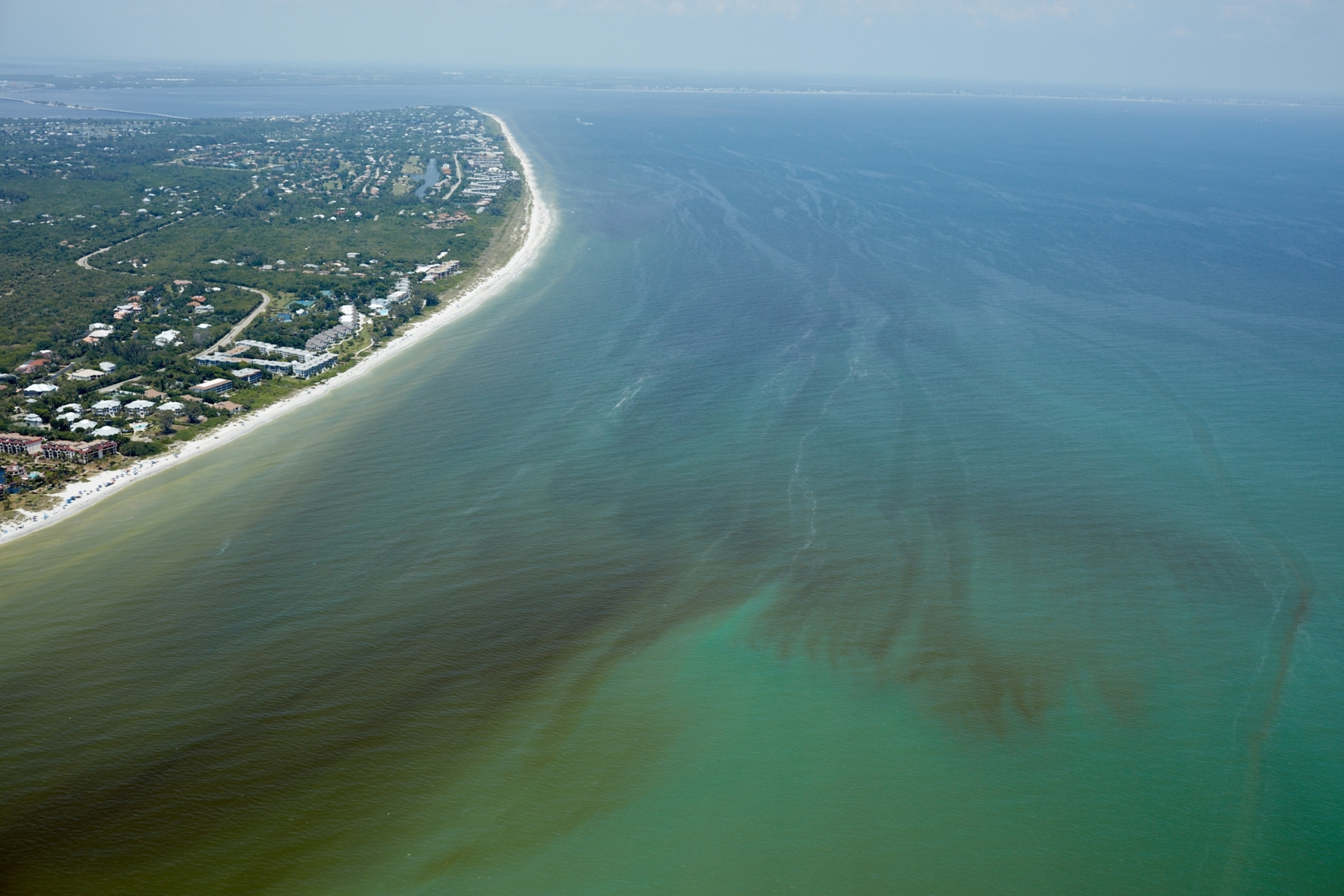
The formation of red tides is a natural process, but their intensity and persistence can be influenced by various environmental conditions. Warm water temperatures, sunlight, and the availability of nutrients are key drivers. When conditions are optimal, Karenia brevis populations can explode, leading to visible discoloration of the water, which can range from red or brown to green. Blooms can last for weeks or even months, depending on the sustained environmental conditions. The decomposition of dead algal cells and marine life further consumes oxygen in the water, creating “dead zones” that can devastate local ecosystems and affect the very attractions tourists come to enjoy.
Historical Context in Florida
Red tides have been documented off the coast of Florida for centuries, with early Spanish explorers noting phenomena consistent with red tide events. While they are a natural part of Florida’s marine ecosystem, recent decades have seen concerns about potential increases in frequency, duration, and severity, particularly on the state’s southwest coast. Events like the prolonged red tide from late 2017 through early 2019, which severely impacted areas from Naples to Tampa Bay, underscored the significant challenges red tides pose to local economies, public health, and tourism. Understanding this historical context helps tourists appreciate the ongoing efforts by state agencies and local communities to monitor and mitigate their effects.
Impact on Florida’s Tourism and Local Activities
The presence of a red tide bloom can significantly alter a tourist’s experience in Florida. While not all coastal areas are affected simultaneously, and impacts can vary greatly, potential visitors should be aware of the ways red tide can influence their planned activities and overall enjoyment.
Beaches and Water Activities
The most direct impact of red tide is often felt on Florida’s renowned beaches. High concentrations of Karenia brevis can cause the water to appear discolored and produce a distinct, unpleasant odor, often described as rotten eggs. More critically, the brevetoxins released into the water can cause irritation to the eyes, nose, and throat of swimmers. For some individuals, particularly those with respiratory conditions like asthma or emphysema, inhaling airborne toxins generated by waves breaking along the shore can lead to more severe respiratory issues, including coughing, sneezing, and shortness of breath. This often leads to advisories against swimming, surfing, or engaging in other water sports, which are prime tourist attractions. Beaches might also be littered with dead fish, further detracting from their appeal.
Fishing and Marine Life
Florida is a world-class fishing destination, but red tide can severely disrupt marine ecosystems. Brevetoxins can paralyze the central nervous system of fish, leading to massive fish kills. This directly impacts recreational fishing, as catch rates plummet, and the sight of dead fish floating in the water can be distressing. Shellfish, such as oysters, clams, and mussels, filter feed and can accumulate brevetoxins, making them unsafe for human consumption. This leads to shellfish harvesting bans, affecting both local culinary experiences and fishing charters specializing in these activities. While finfish are generally safe to eat if properly cleaned (removing guts and gills), tourists should always heed local advisories regarding seafood consumption during a red tide event.
Air Quality and Public Health Concerns for Tourists
Beyond the immediate coastal environment, airborne toxins can be carried inland by prevailing winds, impacting air quality in beachfront communities. Tourists with pre-existing respiratory conditions are particularly vulnerable and should exercise caution. Symptoms can range from mild irritation to more serious breathing difficulties. Local health departments and environmental agencies, such as the Florida Department of Health and the Florida Fish and Wildlife Conservation Commission (FWC), regularly issue public health advisories during red tide events. It is essential for tourists to check these official sources before and during their trip to understand current conditions and take necessary precautions, such as avoiding affected beach areas or staying indoors.

Navigating Florida During a Red Tide Event
While red tide can be a concern, it doesn’t mean a planned trip to Florida must be cancelled. With careful planning and informed decisions, tourists can still enjoy a memorable vacation, adapting their activities to avoid affected areas or explore alternative attractions.
Official Resources and Real-time Information
The most crucial step for any tourist is to stay informed. Several reliable state and local resources provide real-time updates on red tide conditions:
- Florida Fish and Wildlife Conservation Commission (FWC) Red Tide Status Map: This interactive map provides daily updates on red tide concentrations at various sampling locations along Florida’s coast.
- Florida Department of Health: Offers health advisories and information on potential health impacts.
- Local County Health Departments: Often provide more specific, localized information and beach advisories for their respective areas (e.g., Sarasota County, Lee County).
- Local Tourism Boards and Chambers of Commerce: Many destination marketing organizations provide updated information specific to their areas, including alternative activities if beaches are impacted.
Checking these resources regularly, especially in the days leading up to and during your trip, allows for proactive planning and ensures you’re making decisions based on the most current data.
Alternative Attractions and Activities for Tourists
Should coastal areas be affected by red tide, Florida offers a wealth of inland and non-beach-related attractions that are completely unaffected. Tourists can pivot their plans to explore:
- Theme Parks: Orlando‘s world-famous theme parks, including Walt Disney World and Universal Studios Florida, are far removed from coastal red tide impacts.
- State Parks and Springs: Florida’s stunning freshwater springs, such as those in Ocala National Forest or near Gainesville, offer crystal-clear waters for swimming, snorkeling, and tubing, along with hiking and wildlife viewing.
- Cultural Attractions: Explore museums (e.g., The Ringling in Sarasota, Pérez Art Museum Miami), art galleries, historical sites (e.g., St. Augustine), and performing arts venues.
- Nature Reserves and Zoos: Inland wildlife sanctuaries, botanical gardens, and zoos across the state offer opportunities to experience Florida’s incredible biodiversity without coastal exposure.
- Shopping and Dining: Enjoy Florida’s diverse culinary scene and shopping districts in cities like Miami, Fort Lauderdale, or Tampa.
Many tour operators and local businesses are adept at offering alternative experiences during red tide events, ensuring visitors still have plenty to see and do.
Health Precautions for Visitors
For those determined to visit coastal areas during a red tide or for whom rescheduling isn’t an option, several health precautions can minimize exposure:
- Check Conditions Daily: Always check the latest red tide status before heading to the beach.
- Avoid Affected Areas: If a beach is heavily impacted by red tide (strong odor, fish kills, respiratory irritation reports), choose another beach further north or south, or opt for an inland activity.
- Stay Out of the Water: Do not swim in waters visibly discolored or where fish kills are apparent.
- Protect Your Respiratory System: If you experience irritation, move away from the beach. People with chronic respiratory illnesses should consult their doctor before visiting affected areas and consider wearing a mask.
- Wash After Contact: If you do come into contact with red tide water, rinse thoroughly with fresh water.
- Heed Shellfish Advisories: Never harvest or consume shellfish from areas under a red tide advisory.
By taking these steps, tourists can significantly reduce their risk of adverse health effects and ensure a more pleasant visit.
The Future of Red Tide and Sustainable Tourism in Florida
The presence of red tide is a complex environmental challenge that intersects directly with Florida’s vital tourism industry. Addressing this issue requires a multi-faceted approach, balancing scientific research, environmental management, and robust communication strategies to support both marine health and visitor experiences.
Research and Mitigation Efforts
Scientists and researchers across Florida, including those at the Mote Marine Laboratory and the University of Florida, are continuously studying Karenia brevis to better understand its lifecycle, the factors that trigger and sustain blooms, and potential mitigation strategies. Efforts include developing advanced forecasting models, exploring technologies to break down toxins or remove Karenia brevis cells from water, and investigating the role of nutrient pollution in exacerbating blooms. These long-term research initiatives are critical for finding sustainable solutions that protect Florida’s coasts for future generations of residents and tourists.
Supporting Local Businesses and Ecotourism
During red tide events, local businesses, particularly those reliant on coastal tourism (e.g., charter fishing, watersports rentals, beachfront restaurants), suffer significantly. Tourists can play a role in supporting these communities by seeking out businesses that have adapted or offer alternative services. Exploring ecotourism opportunities that focus on Florida’s’s diverse inland ecosystems, such as guided tours of wetlands, kayaking through mangroves in unaffected areas, or visits to wildlife rehabilitation centers, can help diversify the local economy and promote sustainable practices. Engaging with businesses that adhere to environmental best practices also contributes to a healthier ecosystem in the long run.
A Proactive Approach for Visitors
For a destination heavily reliant on tourism like Florida, transparency and proactive communication about red tide are paramount. Tourists can embrace a proactive approach by thoroughly researching their chosen destination, understanding the potential for red tide, and being flexible with their travel plans. Utilizing official resources, considering travel insurance that covers environmental disruptions, and being open to exploring alternative attractions not only ensures a more enjoyable trip but also fosters a more resilient and sustainable tourism model for the state. By being informed and adaptable, visitors can continue to experience the magic of Florida while respecting its natural challenges.
LifeOutOfTheBox is a participant in the Amazon Services LLC Associates Program, an affiliate advertising program designed to provide a means for sites to earn advertising fees by advertising and linking to Amazon.com. Amazon, the Amazon logo, AmazonSupply, and the AmazonSupply logo are trademarks of Amazon.com, Inc. or its affiliates. As an Amazon Associate we earn affiliate commissions from qualifying purchases.