
The journey between Seattle, Washington, and Vancouver, British Columbia, is a classic Pacific Northwest adventure, connecting two vibrant, cosmopolitan cities renowned for their natural beauty, innovative culture, and distinctive charm. For many, this cross-border trip is a highly anticipated part of exploring the region, whether for business, leisure, or family visits. Understanding the distance, travel options, and essential planning considerations is key to a smooth and enjoyable experience. This guide will delve into all aspects of traversing the distance between these two North American gems.
The Geographic Proximity: Understanding the Distance
While geographically distinct, Seattle and Vancouver are relatively close, making a journey between them a manageable and popular undertaking. The perception of “how far” can vary greatly depending on whether one considers a straight-line measurement or the practical travel distance.
Straight-Line vs. Travel Distance
In a straight line, as the crow flies, Seattle and Vancouver are approximately 115 miles (185 kilometers) apart. This aerial distance gives a sense of their general proximity but doesn’t account for the winding roads, geographical features, or the international border that separates them.
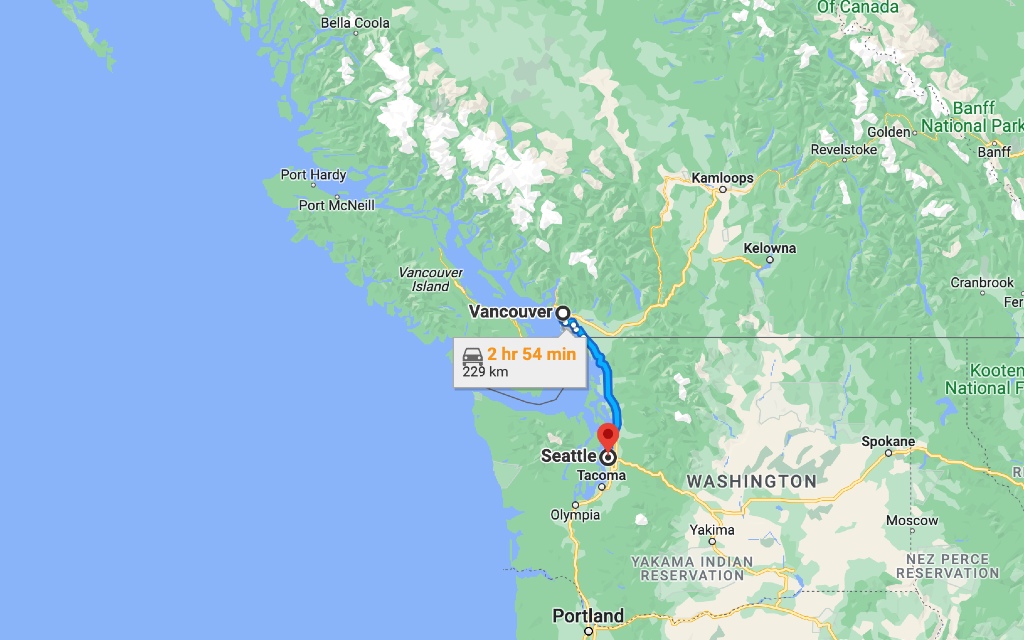
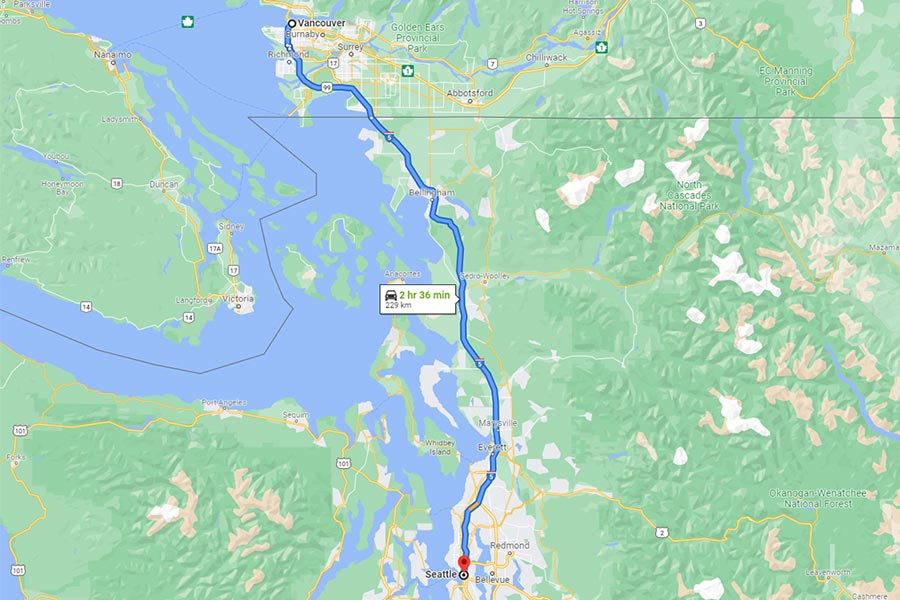
When planning actual travel, the road distance is the most relevant metric. The most common driving route covers roughly 140 to 150 miles (225 to 240 kilometers), a distance that can typically be covered in about three to four hours under ideal conditions. However, the international border crossing adds a unique variable that significantly impacts total travel time, often extending it by one to several hours depending on the time of day, day of the week, and season.
Key Cities and Border Crossings
The route primarily follows the Interstate 5 (I-5) highway on the U.S. side, transitioning into Canada Highway 99 once you cross the US-Canada border. There are several major border crossings that travelers can utilize, each with its own characteristics:
- Peace Arch Border Crossing: This is arguably the most famous and scenic crossing, known for the Peace Arch Monument symbolizing enduring peace between the two nations. It’s often busy due to its popularity.
- Pacific Highway Border Crossing (Douglas): Located just east of Peace Arch, this crossing is primarily for commercial traffic but is also open to passenger vehicles. It can sometimes be an alternative if Peace Arch is experiencing extreme delays.
- Aldergrove / Sumas Border Crossing: Further east, this crossing is often less congested than its western counterparts, making it a viable option for those willing to take a slight detour.
Understanding the various border options and monitoring wait times (easily done through government websites or apps) is crucial for efficient travel between Seattle and Vancouver.
Navigating the Journey: Transportation Options and Travel Times
Travelers between Seattle and Vancouver have a variety of transportation methods at their disposal, each offering a distinct experience in terms of cost, speed, and comfort.
Driving: The Most Popular Choice
Driving remains the most flexible and popular option for many, offering the freedom to explore at one’s own pace and carry more luggage. The total driving distance is approximately 140-150 miles (225-240 km).
- Estimated Travel Time: Without factoring in border delays, the drive typically takes 3-3.5 hours. However, with border crossing formalities, the total journey can extend to 4-6+ hours, especially during peak travel times such as weekends, holidays, or summer afternoons.
- Route: The most direct route involves taking I-5 North from Seattle straight to the Canadian border, where it becomes BC Highway 99 leading directly into Vancouver.
- Tips: Check border wait times online before departing. Have all necessary documentation (passports, vehicle registration, insurance) readily accessible. Avoid crossing during peak hours if possible (e.g., Friday evenings, Saturday mornings, Sunday afternoons). Consider a NEXUS card for expedited processing if you travel frequently.
Rail Travel: A Scenic Alternative
For a more relaxed and scenic journey, train travel offers a comfortable alternative to driving.
- Amtrak Cascades: This service connects Seattle’s King Street Station to Pacific Central Station in Vancouver. The route is known for its picturesque views of the Puget Sound, Strait of Georgia, and coastal towns.
- Estimated Travel Time: The train journey typically takes around 4 hours, which includes a stop at the border for customs and immigration clearance, usually conducted onboard or at the station.
- Advantages: Passengers can enjoy the scenery, read, work, or relax without the stress of driving or border queues. It also avoids city traffic and parking hassles upon arrival.
- Disadvantages: Less frequent departures than buses, fixed schedules, and can be more expensive than bus travel, especially if booked last-minute.
Bus Services: Budget-Friendly and Convenient
Bus travel is often the most economical option, with several companies offering regular service between the two cities.
- Providers: Popular operators include FlixBus and Quick Shuttle, offering multiple departures daily.
- Estimated Travel Time: Typically ranges from 4 to 5 hours, including the border crossing process.
- Advantages: Cost-effective, convenient pick-up and drop-off points in both city centers, and a hassle-free way to cross the border without personal vehicle concerns.
- Disadvantages: Less flexibility than driving, potential for delays at the border, and less personal space compared to train or car.
Flying: The Fastest, But Not Always the Most Efficient
While the actual flight time between Seattle-Tacoma International Airport (SEA) and Vancouver International Airport (YVR) is very short, flying often proves to be less efficient for city-center to city-center travel.
- Flight Time: Approximately 45-60 minutes.
- Total Travel Time: When factoring in travel to and from airports, security checks, check-in, and potential delays, the total time from downtown Seattle to downtown Vancouver can easily stretch to 4-6 hours or more, making it comparable to, or even longer than, driving or taking the train.
- Considerations: This option is usually preferred by those connecting to other flights, traveling with significant luggage, or seeking maximum convenience despite the added time and cost.
Ferry and Water Transport (Less Direct, More Experiential)
While there isn’t a direct city-to-city ferry service from Seattle to Vancouver, BC, you can take the Victoria Clipper passenger-only ferry from Seattle to Victoria on Vancouver Island. From Victoria, you would then need to take a BC Ferries vehicle ferry to the mainland (e.g., Tsawwassen) and then drive or take a bus into Vancouver. This multi-leg journey is much longer and less direct but offers an incredibly scenic and unique travel experience, especially if you plan to visit Victoria as part of your trip.
Planning Your Cross-Border Journey: Essential Considerations
A successful trip across the US-Canada border requires careful planning beyond just choosing a mode of transport.
Documentation and Border Formalities
- Passports: A valid passport is essential for all citizens of the U.S. and Canada for re-entry into their home country. Other forms of ID like an enhanced driver’s license (for land/sea travel only) might be accepted for U.S. citizens, but a passport is always the most secure and universally accepted document.
- Visas: Travelers from other countries may require a visa for entry into either the U.S. or Canada. It’s crucial to check specific requirements based on your nationality well in advance of your trip.
- NEXUS Card: For frequent travelers, a NEXUS card can significantly speed up border crossings by allowing access to dedicated lanes and streamlined processing.
- Customs Declarations: Be prepared to declare all goods, including alcohol, tobacco, and any food items. Familiarize yourself with restrictions on what can be brought across the border to avoid delays or penalties.
Currency and Communication
- Currency: The official currency in Canada is the Canadian Dollar (CAD). While some establishments near the border might accept U.S. dollars, it’s always best to use local currency or a credit card that offers favorable exchange rates.
- Mobile Communication: Check with your mobile provider about international roaming plans to avoid unexpected charges. Consider purchasing a local SIM card or an e-SIM if you plan an extended stay in Canada.
Best Time to Travel
- Weekends vs. Weekdays: Border crossings are generally busiest on weekends, especially during long holiday weekends. Weekdays, particularly Tuesday to Thursday, often offer shorter wait times.
- Time of Day: Early mornings (before 9 AM) and late evenings (after 7 PM) typically see lighter traffic at the border.
- Season: Summer (June-August) is peak tourist season, meaning more traffic, longer border waits, and higher prices for accommodation and activities. Shoulder seasons (spring and fall) offer pleasant weather, fewer crowds, and potentially better deals.
Why Make the Trip? Attractions and Experiences in Both Cities
The allure of traveling between Seattle and Vancouver lies not just in the journey itself, but in the incredible array of attractions and experiences each city offers.
Exploring Seattle’s Charms
Seattle, the Emerald City, boasts a dynamic blend of urban sophistication and natural beauty.
- Space Needle: An iconic landmark offering breathtaking panoramic views of the city, Puget Sound, and the surrounding mountains.
- Pike Place Market: A bustling public market famous for its flying fish, artisanal goods, fresh produce, and vibrant atmosphere.
- Chihuly Garden and Glass: An exquisite exhibition showcasing the stunning glass artwork of Dale Chihuly, located next to the Space Needle.
- Museum of Pop Culture (MoPOP): A futuristic museum dedicated to contemporary popular culture, music, science fiction, and fantasy.
- Boeing Future of Flight: For aviation enthusiasts, a tour of the Boeing Everett Factory provides an inside look at airplane manufacturing.
Discovering Vancouver’s Wonders
Vancouver, a stunning harbor city, is consistently ranked among the world’s most livable cities, celebrated for its diverse culture and outdoor opportunities.
- Stanley Park: A magnificent urban oasis, larger than New York City’s Central Park, offering miles of seawall paths, lush forests, and scenic viewpoints.
- Gastown: The historic heart of Vancouver, known for its Victorian architecture, cobblestone streets, and the famous Gastown Steam Clock.
- Granville Island Market: A public market on a peninsula, famous for fresh produce, artisan foods, unique shops, and street performers.
- Capilano Suspension Bridge Park: An exhilarating attraction featuring a swaying suspension bridge high above the Capilano River and a series of treetop walks.
- Vancouver Aquarium: Located in Stanley Park, this world-class facility is dedicated to marine research, conservation, and public display.
- Whistler Blackcomb: Just a 1.5-2 hour drive north of Vancouver, this renowned ski resort offers year-round outdoor activities.
Maximizing Your Cross-Border Experience
To truly make the most of your journey between these two captivating cities, consider these additional tips.
Combining Your Trip with Nearby Gems
The Pacific Northwest is rich with natural beauty and charming towns. Incorporate side trips to enhance your travel experience.
- From Seattle: Explore the serene San Juan Islands via ferry, hike in Olympic National Park, or visit the wine country of Woodinville.
- From Vancouver: Take a ferry to Victoria, BC for its gardens and historic charm, embark on a scenic drive along the Sea-to-Sky Highway to Whistler, or venture into the Fraser Valley for agricultural tours and craft breweries.
Budgeting for Your Adventure
Crossing an international border involves considering currency exchange rates and varying costs of living.
- Fuel and Transport: Account for fuel costs if driving, or ticket prices for train/bus/air.
- Accommodation: Research hotel rates in both cities, as they can fluctuate based on season and events.
- Activities and Dining: While Vancouver can be slightly more expensive than Seattle in some areas, both cities offer options for all budgets.
- Exchange Rate: Factor in the CAD to USD exchange rate, which can make a significant difference to your overall spending power.
Whether you’re drawn by the majestic mountains, the bustling cityscapes, or the vibrant cultural scenes, the journey from Seattle to Vancouver is an experience that promises rich rewards. With proper planning and an understanding of the various travel options, the distance between these two incredible destinations truly melts away, leaving you free to immerse yourself in the wonders of the Pacific Northwest.
LifeOutOfTheBox is a participant in the Amazon Services LLC Associates Program, an affiliate advertising program designed to provide a means for sites to earn advertising fees by advertising and linking to Amazon.com. Amazon, the Amazon logo, AmazonSupply, and the AmazonSupply logo are trademarks of Amazon.com, Inc. or its affiliates. As an Amazon Associate we earn affiliate commissions from qualifying purchases.