
Coral Gables, often referred to as “The City Beautiful,” is a meticulously planned community renowned for its Mediterranean Revival architecture, lush landscapes, and sophisticated charm. For travelers planning a visit to Florida, understanding the precise location of Coral Gables is fundamental to unlocking the rich tapestry of experiences it offers, both within its borders and in the surrounding vibrant South Florida region. Nestled amidst the bustling metropolis of Miami, Coral Gables holds a strategic position that makes it an ideal base for exploring a diverse range of attractions, from sun-drenched beaches to cultural landmarks and natural wonders.

The Geographical Heart of South Florida
Pinpointing Coral Gables on a map reveals its prime location within the larger Miami-Dade County area, offering a unique blend of urban accessibility and tranquil, upscale living. Its placement is not just a matter of coordinates but a defining feature that shapes its identity and appeal as a travel destination.
Pinpointing Coral Gables on the Map
Coral Gables is situated on the southeastern coast of Florida, directly southwest of downtown Miami. It is one of the principal cities in Miami-Dade County, an area celebrated for its dynamic cultural scene, diverse communities, and stunning natural beauty. The city occupies a land area of approximately 37 square miles, stretching from near the Miami International Airport in the north to the edge of Biscayne Bay in the east, bordering the municipalities of South Miami, Pinecrest, and University Park. This precise positioning places it far enough from the frenetic energy of South Beach to offer a serene escape, yet close enough to make its world-famous nightlife and beaches easily accessible.
The city’s precise coordinates place it around 25.75°N latitude and 80.26°W longitude, firmly within the subtropical climate zone that characterizes South Florida. This geographical positioning contributes to its year-round appeal, with warm temperatures and ample sunshine creating an inviting environment for visitors seeking to escape colder climates. The gentle sea breezes from the nearby Atlantic Ocean further enhance its pleasant climate, particularly during the peak tourist season.
Proximity to Major Urban Centers and Natural Wonders
One of the most compelling aspects of Coral Gables’ location is its exceptional proximity to a wealth of significant urban centers and natural attractions. It stands as a gateway to the broader Miami metropolitan area, allowing travelers to easily venture into distinct neighborhoods like Little Havana, Wynwood, and the Design District, each offering unique cultural, artistic, and culinary experiences.
Furthermore, its southeastern Florida location puts it within a reasonable driving distance of some of the state’s most iconic natural landmarks. To the west lies the sprawling wilderness of Everglades National Park, a UNESCO World Heritage Site renowned for its unique ecosystem and abundant wildlife, including alligators, manatees, and a vast array of bird species. To the east, the warm waters of the Atlantic Ocean beckon with pristine beaches and opportunities for water sports. The shimmering expanse of Biscayne Bay, forming part of the Biscayne National Park, is just a stone’s throw away, offering kayaking, paddleboarding, and boat tours amidst mangrove forests and coral reefs. This unique combination of urban sophistication and natural splendor positions Coral Gables as an incredibly versatile destination for any traveler.
A City Built with Vision: A Brief History and Design Influence
The location of Coral Gables is not merely a geographical accident but the result of a deliberate, ambitious vision that shaped its very foundation and continues to define its character today. This planned development underpins much of its appeal as a travel destination.
George Merrick’s Dream and Mediterranean Revival Aesthetics
Coral Gables was founded in the early 1920s by visionary developer George Merrick. His dream was to create a meticulously planned community that harmoniously blended residential, commercial, and recreational spaces, setting it apart from the haphazard growth of many other Florida cities. Merrick envisioned a “City Beautiful” movement, heavily influenced by the architectural styles of the Mediterranean Revival, which he had fallen in love with during his travels.
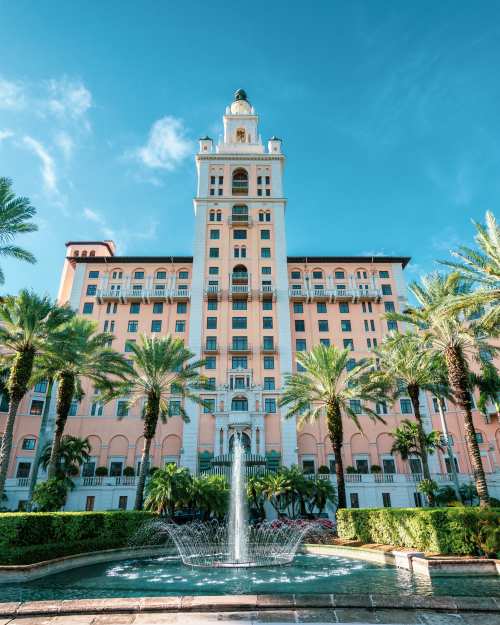
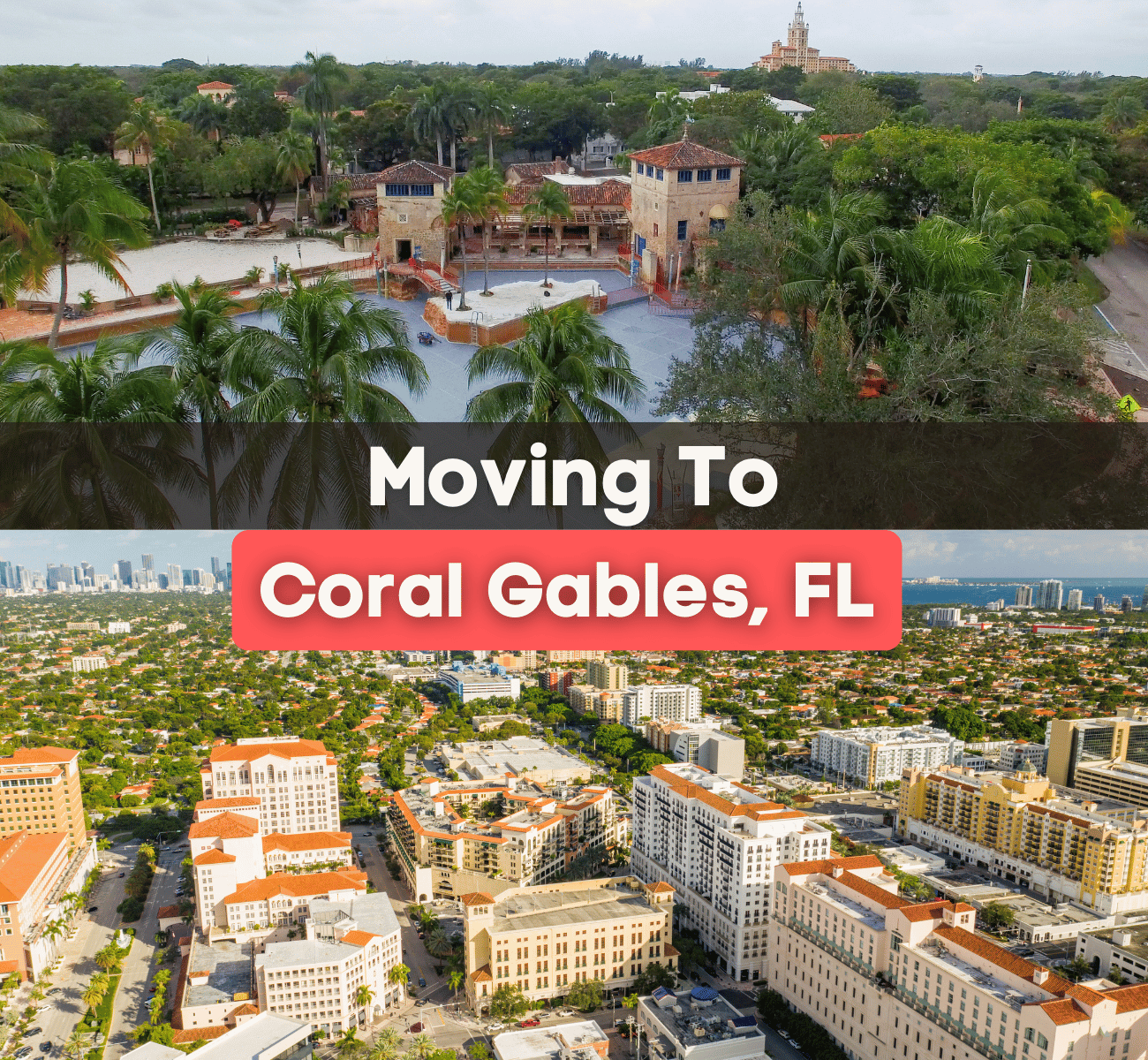
This aesthetic is evident in every corner of Coral Gables, from its grand boulevards and wide avenues lined with mature trees to its iconic red-tiled roofs, arched windows, and stucco facades. Public spaces, parks, and even commercial buildings were designed to adhere to this unified architectural theme, creating a cohesive and visually stunning urban landscape. This commitment to aesthetic excellence makes walking or driving through Coral Gables an experience in itself, akin to stepping into a European village. Key landmarks such as the Biltmore Hotel and the Venetian Pool exemplify this architectural philosophy, drawing visitors from around the globe to admire their unique beauty.
The Planned Community and Its Enduring Appeal
Merrick’s planning extended beyond just aesthetics; he also incorporated extensive green spaces, plazas, and a logical street grid designed for both beauty and functionality. The city’s zoning laws continue to uphold these original design principles, ensuring that new developments maintain the architectural integrity and high quality of life that defines Coral Gables. This thoughtful planning contributes significantly to its atmosphere of tranquility and order, a welcome contrast to the often-chaotic sprawl of other urban areas.
For travelers, this means a consistent and pleasing environment. The wide, tree-lined streets are perfect for leisurely strolls or bike rides, and the numerous parks and public gardens, like the Fairchild Tropical Botanic Garden, offer serene escapes. The University of Miami, a prominent institution of higher learning, is also located within Coral Gables, adding a youthful vibrancy and intellectual energy to the city’s character. The combination of historical preservation, architectural beauty, and a well-maintained urban environment ensures that Coral Gables remains a highly desirable and unique travel destination.
Accessibility and Connectivity: Getting to Coral Gables
Given its prime location in South Florida, Coral Gables benefits from excellent transportation infrastructure, making it easily accessible for domestic and international travelers alike.
Air Travel Gateways: Miami International Airport
For most visitors arriving by air, Miami International Airport (MIA) serves as the primary gateway. Located just a short drive—typically 15-20 minutes, depending on traffic—north of Coral Gables, MIA is one of the busiest airports in the United States, offering direct flights to hundreds of destinations worldwide. Its proximity means that travelers can quickly transition from their flight to their accommodation, minimizing travel time and maximizing their enjoyment.
Upon arrival at MIA, numerous transportation options are available to reach Coral Gables, including taxis, ride-sharing services, rental cars, and even the Metrorail public transit system, which has a station conveniently located near the University of Miami in Coral Gables. For those looking for an alternative, Fort Lauderdale-Hollywood International Airport (FLL) is also an option, located about an hour’s drive north, providing additional flight flexibility, though MIA is generally more convenient for direct access to Coral Gables.
Road Networks and Public Transportation
Coral Gables is well-integrated into South Florida’s extensive road network. Major highways such as U.S. Route 1 and State Road 826 (Palmetto Expressway) provide direct access to and from the city, connecting it with other parts of Miami-Dade County and beyond. This connectivity makes road trips from other Florida cities, such as Orlando or Naples, a straightforward affair.
Within Coral Gables itself, and extending into greater Miami, the public transportation system offers viable options for getting around. The Metrorail provides rapid transit services, connecting Coral Gables to downtown Miami, Brickell, and MIA. Additionally, the City of Coral Gables operates a popular trolley service, which is free to ride and traverses key commercial and residential areas, including the vibrant Miracle Mile. This local transit option is particularly useful for visitors wishing to explore the city’s main attractions without the need for a car, although having a vehicle often provides the most flexibility for exploring the wider South Florida region.
Why Its Location Matters: The Allure for Travelers
The strategic location of Coral Gables is not just a matter of convenience; it significantly enhances its appeal as a travel destination, offering a perfect blend of diverse experiences.
Gateway to Miami’s Diverse Attractions
Being situated on the doorstep of Miami means that guests in Coral Gables have immediate access to one of the world’s most vibrant and multicultural cities. From the iconic art deco architecture and bustling nightlife of South Beach to the Cuban rhythms and flavors of Little Havana, and the cutting-edge street art of Wynwood to the luxury boutiques of the Design District, Miami’s diverse neighborhoods offer a kaleidoscope of cultural, culinary, and entertainment options.
Travelers can spend a morning exploring the historic sites within Coral Gables, enjoy a sophisticated lunch, and then easily transition to an afternoon of sunbathing on South Beach or a cultural immersion in Little Havana. The ease of access facilitates a rich and varied itinerary, ensuring that every day can bring a new adventure without extensive travel times.
Proximity to Beaches and Outdoor Adventures
Beyond the urban allure, Coral Gables’ location offers quick access to the natural beauty that defines Florida. The pristine beaches of Key Biscayne and South Beach are just a short drive away, providing opportunities for swimming, sunbathing, and various water sports. For those seeking a deeper connection with nature, the proximity to Biscayne Bay and the Everglades National Park is invaluable.
Adventurers can embark on airboat tours through the Everglades to spot alligators and exotic birds, or explore the underwater wonders of Biscayne National Park through snorkeling or diving excursions. The Fairchild Tropical Botanic Garden, located within Coral Gables itself, offers a stunning collection of tropical plants and provides a peaceful outdoor retreat without even leaving the city. This blend of accessibility to both vibrant city life and tranquil natural settings makes Coral Gables a prime spot for travelers desiring a multifaceted vacation.
A Strategic Base for Exploring South Florida
Ultimately, Coral Gables’ location establishes it as a strategic and exceptionally convenient base for exploring the entirety of South Florida. Its central position within Miami-Dade County means that day trips to destinations further afield, such as the Florida Keys to the south or Fort Lauderdale to the north, are entirely feasible.
Travelers can easily rent a car and embark on scenic drives, returning to the comfort and elegance of Coral Gables each evening. The sophisticated dining scene, upscale shopping opportunities, and serene environment of Coral Gables offer a perfect retreat after a day of exploration. For those seeking a blend of cultural immersion, outdoor adventure, and luxurious relaxation, establishing a base in Coral Gables provides unparalleled opportunities to experience the best that South Florida has to offer.
Discovering the Unique Charm of Coral Gables
While its location serves as an excellent springboard for regional exploration, Coral Gables itself is a destination brimming with its own unique attractions and experiences, all influenced by its storied past and meticulously planned urban design.
Architectural Wonders and Historic Sites
The city’s commitment to the Mediterranean Revival architectural style is one of its most defining features and a major draw for visitors. The iconic Biltmore Hotel, a national historic landmark, stands as a testament to this grandeur, offering luxury accommodation, a championship golf course, and a stunning pool. Another architectural gem is the Venetian Pool, a historic public swimming pool carved out of a coral rock quarry, complete with waterfalls, grottoes, and palm trees, providing a truly unique swimming experience.
Beyond these grand structures, the residential streets of Coral Gables are a visual delight, showcasing an array of beautifully preserved homes. Visitors can take self-guided architectural tours or join specialized walking tours to learn about the history and design of the city, appreciating how the vision of George Merrick continues to shape its present. The Lowe Art Museum at the University of Miami further adds to the cultural landscape, featuring a diverse collection of art spanning various periods and cultures.
Shopping, Dining, and Cultural Experiences
Coral Gables is not only beautiful but also boasts a thriving lifestyle scene, perfectly complementing its upscale ambiance. Miracle Mile, the heart of its commercial district, is famed for its bridal boutiques, specialty shops, art galleries, and a wide array of fine dining establishments. From casual cafes to Michelin-starred restaurants, the culinary scene in Coral Gables caters to all tastes, offering international flavors and local delicacies in sophisticated settings.
The city also hosts numerous cultural events throughout the year, including art festivals, live music performances, and theatrical productions, reflecting its commitment to fostering a vibrant cultural life. The proximity to the University of Miami further enriches the cultural offerings, with university-sponsored events and a dynamic student population adding to the city’s intellectual and artistic vibrancy. Whether seeking a leisurely day of shopping, a gourmet meal, or an enriching cultural experience, Coral Gables offers a refined and engaging environment that truly lives up to its “City Beautiful” moniker.
In conclusion, Coral Gables’ location in South Florida, southwest of Miami, is far more than just a point on a map. It is a carefully chosen, historically significant placement that underpins its unique character, its accessibility, and its unparalleled appeal as a destination for travelers seeking a harmonious blend of architectural beauty, cultural richness, urban sophistication, and convenient access to Florida’s celebrated natural wonders.
LifeOutOfTheBox is a participant in the Amazon Services LLC Associates Program, an affiliate advertising program designed to provide a means for sites to earn advertising fees by advertising and linking to Amazon.com. Amazon, the Amazon logo, AmazonSupply, and the AmazonSupply logo are trademarks of Amazon.com, Inc. or its affiliates. As an Amazon Associate we earn affiliate commissions from qualifying purchases.