
The vibrant cities of Seattle, Washington, and Vancouver, Canada, are beloved North American destinations, each offering a unique blend of urban excitement and natural beauty. For many travelers, the proximity of these two Pacific Northwest gems makes a combined trip an appealing prospect. Understanding the distance between them is the first step in planning such an adventure. Whether you’re considering a scenic road trip, a quick flight, or a comfortable bus journey, knowing the mileage and travel time will help you organize your itinerary efficiently.
The Direct Distance and Travel Time
When we talk about “how far,” the most common interpretation is the distance by road. The drive between Seattle and Vancouver is a relatively straightforward and popular route, typically taking travelers through diverse landscapes that hint at the natural splendor awaiting them in both regions.
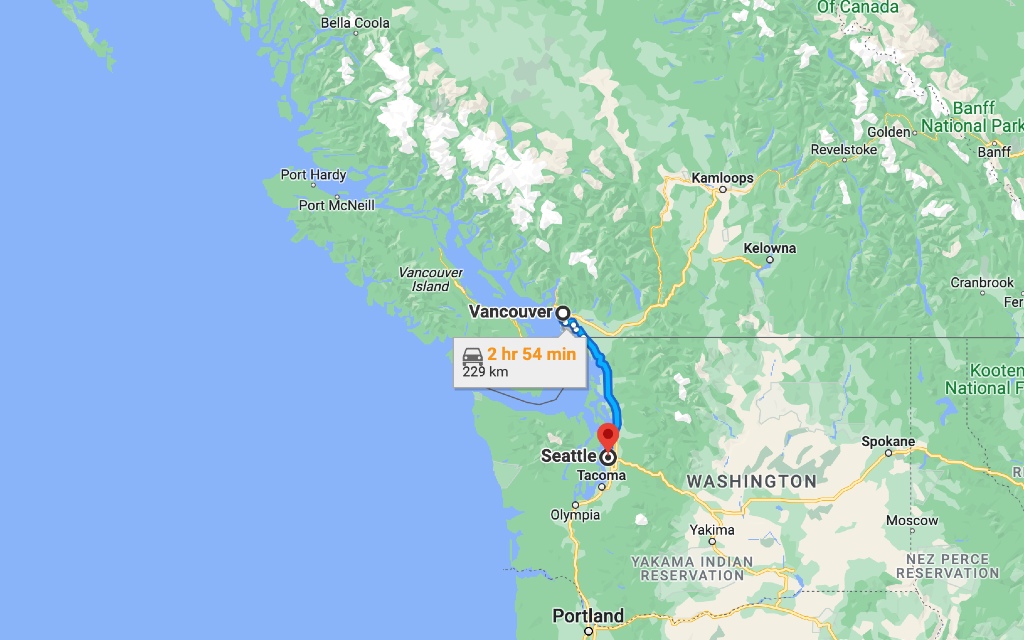
Driving Distance and Route
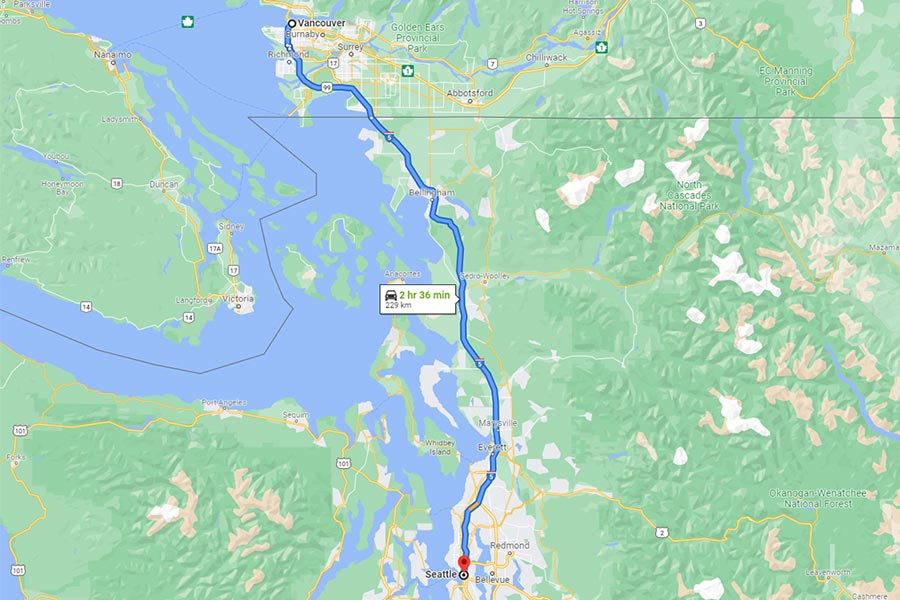
The most direct and commonly used driving route between Seattle and Vancouver spans approximately 140 miles (about 225 kilometers). This distance is measured from the city center of Seattle to the city center of Vancouver. The journey predominantly follows Interstate 5 North in Washington before crossing the Canadian border and transitioning to British Columbia Highway 99 North into Vancouver.
This route is well-maintained and generally offers smooth travel, although traffic conditions, particularly around border crossings and during peak travel times, can significantly impact the overall duration. While the mileage might seem modest, the time it takes to cover this distance can vary considerably.
Estimated Driving Time
On average, the driving time between Seattle and Vancouver is estimated to be between 2.5 to 3.5 hours. This estimate, however, is a baseline and can be influenced by several factors:
- Traffic: Both cities, as well as the areas in between, can experience heavy traffic. Commuter rush hours, especially on weekdays, can add considerable time to your journey. Driving during off-peak hours is highly recommended to make the most of this estimate.
- Border Crossing: The Canada-United States border crossing is a significant factor. Wait times can range from a few minutes to over an hour, depending on the day of the week, time of day, and current security measures. It’s wise to check border wait times online before you depart to choose the most efficient crossing. Popular crossings include the Peace Arch crossing and the Pacific Highway crossing.
- Road Conditions and Construction: As with any road trip, unexpected construction or road closures can cause delays. Staying informed about local road conditions through traffic apps or news reports can help you navigate any unforeseen issues.
- Weather: The Pacific Northwest is known for its variable weather. Rain, snow (though less common on the main I-5 corridor), or fog can slow down driving speeds and increase travel time, especially during winter months.
Despite these variables, the drive itself is often considered a pleasant experience, offering glimpses of the lush forests and rolling hills characteristic of the Pacific Northwest. Many travelers enjoy stopping at points of interest along the way, which can naturally extend the travel time but also enrich the overall experience.
Alternative Travel Methods
While driving is a popular choice, Seattle and Vancouver are well-connected by other modes of transportation, each offering its own advantages and typical travel times.
- Flying: For those prioritizing speed, flying between Seattle-Tacoma International Airport (SEA) and Vancouver International Airport (YVR) is the quickest option. Direct flights are frequent and typically last around 1 hour. However, it’s crucial to factor in travel time to and from airports, security checks, boarding, and deplaning, which can add several hours to the total journey.
- Bus Services: Several reputable bus companies, such as Amtrak Cascades and BoltBus, operate daily services between Seattle and Vancouver. The bus journey usually takes between 3.5 to 4.5 hours, similar to driving time but without the need to navigate or worry about parking. This option is often more budget-friendly and allows passengers to relax, read, or enjoy the scenery. The buses typically stop at the respective downtown areas of each city.
- Train: Amtrak Cascades also offers a scenic train service connecting Seattle and Vancouver. The train journey offers comfortable seating, onboard amenities, and picturesque views of the coastline and countryside, which driving might not fully capture. The train typically takes around 4 hours to complete the journey. This is a great option for those who enjoy a more leisurely travel experience and want to soak in the regional beauty.
Exploring the Regions: What to See and Do
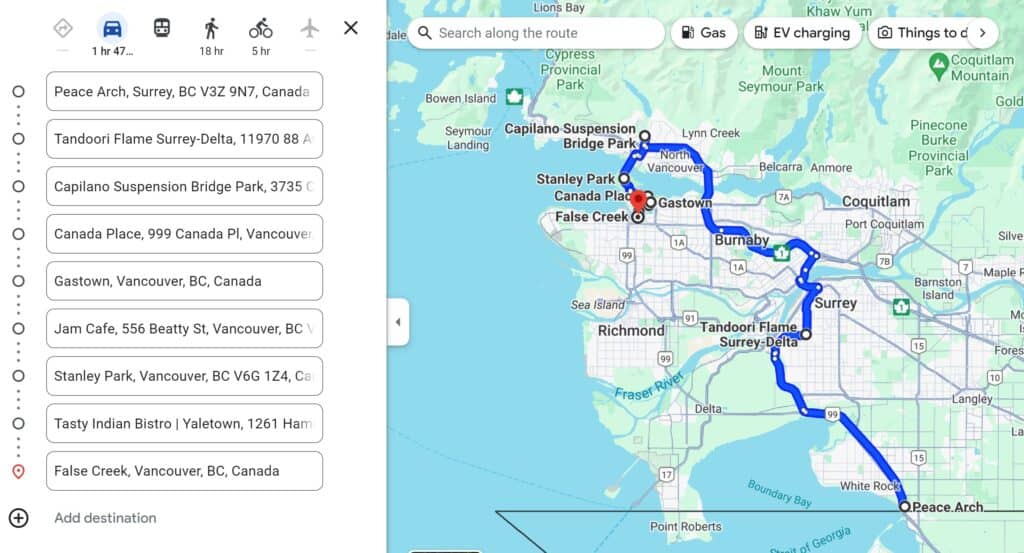
The relatively short distance between Seattle and Vancouver makes them ideal companions for a single trip. Many visitors choose to spend several days in each city, experiencing their distinct cultures, attractions, and culinary scenes.
Seattle Highlights
Seattle, the Emerald City, is renowned for its innovative spirit, stunning natural surroundings, and vibrant music history.
- Pike Place Market: This historic public market is a must-visit, buzzing with vendors selling fresh produce, seafood, flowers, and local crafts. It’s also home to the original Starbucks store.
- Space Needle: An iconic landmark offering panoramic views of the city, Puget Sound, and the surrounding mountains, including Mount Rainier.
- Museum of Pop Culture (MoPOP): A visually striking building housing exhibits on music, science fiction, and pop culture, designed by architect Frank Gehry.
- Chihuly Garden and Glass: Located near the Space Needle, this museum showcases the breathtaking glass sculptures of artist Dale Chihuly.
- Fremont Troll: A quirky and beloved public art installation lurking under the Aurora Bridge.
- Ballard Locks (Hiram M. Chittenden Locks): A fascinating engineering feat where boats move between the freshwater of Lake Union and Lake Washington and the saltwater of Puget Sound. It also features a fish ladder, allowing visitors to observe migrating salmon.
For accommodation in Seattle, you’ll find a wide range of options, from luxurious downtown hotels like the Fairmont Olympic Hotel to boutique inns in charming neighborhoods like Ballard or Capitol Hill. Budget travelers can find hostels and affordable motels, while families might prefer serviced apartments or vacation rentals offering more space and amenities.
Vancouver, Canada Highlights
Vancouver, situated on British Columbia’s stunning coast, is celebrated for its breathtaking natural landscapes, diverse population, and thriving arts scene.
- Stanley Park: An expansive urban oasis offering miles of walking and cycling trails, beaches, totem poles, and the famous Vancouver Aquarium.
- Granville Island Market: A bustling public market with a lively atmosphere, featuring artisan shops, food stalls, theaters, and street performers.
- Gastown: Vancouver’s oldest neighborhood, known for its Victorian architecture, cobblestone streets, trendy boutiques, and excellent restaurants.
- Grouse Mountain: Accessible by a scenic gondola ride, it offers spectacular views and outdoor activities like hiking and ziplining.
- Capilano Suspension Bridge Park: Experience the thrill of walking across a suspension bridge high above the Capilano River and explore the Treetops Adventure.
- Museum of Anthropology at UBC: Home to an impressive collection of First Nations art and cultural artifacts.
In Vancouver, visitors can choose from upscale resorts overlooking the ocean, stylish downtown hotels, or charming bed and breakfasts in neighborhoods like Kitsilano or Gastown. Long-term stays can be accommodated in apartments or serviced residences, catering to business travelers or those wishing to immerse themselves longer in the local lifestyle.
Planning Your Cross-Border Journey
A trip from Seattle to Vancouver, or vice versa, involves crossing an international border, which requires a few considerations to ensure a smooth experience.
Border Crossing Essentials
- Documentation: All travelers will need a valid passport. Citizens of Canada and the United States can typically use their passports for entry into the other country. Permanent residents will need their permanent resident cards. Other nationalities will need appropriate visas as required by their respective countries. Always check the latest entry requirements with U.S. Customs and Border Protection and the Canada Border Services Agency before your trip.
- Declare Items: Be prepared to declare any goods you are bringing across the border. There are limits on alcohol, tobacco, and certain other items. Familiarize yourself with the customs regulations of both countries to avoid any issues.
- Vehicle Requirements: If driving, ensure your vehicle is in good condition. It’s advisable to have your vehicle registration and proof of insurance readily available. While not always required, having an international driving permit can be beneficial for some non-resident drivers.
- Pets: If traveling with pets, be aware of the specific import/export regulations for animals between the United States and Canada. Rabies vaccination certificates and health certificates may be required.
Tips for a Smooth Transition
- Pre-Book Transportation: For buses and trains, booking tickets in advance, especially during peak seasons or holidays, is recommended to secure your preferred travel times and potentially get better fares.
- Download Useful Apps: Utilize traffic apps to monitor road conditions and border wait times. Navigation apps will be invaluable for driving.
- Currency: While credit cards are widely accepted in both Seattle and Vancouver, having some local currency on hand for smaller purchases or in case of emergencies is always a good idea. The currency in Canada is the Canadian Dollar (CAD), and in the United States, it’s the US Dollar (USD).
- Time Zones: Be aware of the time difference. Both Seattle and Vancouver are in the Pacific Time Zone (PT), so there is no time difference between the two cities, simplifying planning.
The journey between Seattle and Vancouver is more than just covering a distance; it’s an accessible gateway to experiencing the rich cultural tapestry and breathtaking natural beauty of the Pacific Northwest. Whether you arrive by car, plane, bus, or train, the relatively short travel time opens up a world of possibilities for exploration and adventure.
LifeOutOfTheBox is a participant in the Amazon Services LLC Associates Program, an affiliate advertising program designed to provide a means for sites to earn advertising fees by advertising and linking to Amazon.com. Amazon, the Amazon logo, AmazonSupply, and the AmazonSupply logo are trademarks of Amazon.com, Inc. or its affiliates. As an Amazon Associate we earn affiliate commissions from qualifying purchases.