
One of the most common anxieties for travelers, particularly those embarking on long journeys or dealing with unpredictable schedules, revolves around the seemingly simple act of checking into their accommodation. The question, “How late can you check in a hotel?” is far more nuanced than it appears, encompassing a variety of factors from hotel policies and technological advancements to the traveler’s proactive communication. Understanding these intricacies is key to ensuring a smooth and stress-free start to any stay. This guide delves deep into the mechanisms governing late check-ins, offering insights and actionable advice for every type of traveler.

Understanding Standard Hotel Check-in Practices
The concept of a “standard check-in time” is a cornerstone of the hospitality industry, a logistical framework designed to optimize operations for both guests and hotel staff. Typically, this time falls in the mid-afternoon, often around 3:00 PM or 4:00 PM. However, this is not a universal constant, and understanding its rationale and variations is the first step toward managing late arrivals effectively.
The Rationale Behind Standard Check-in Times
The period between a guest checking out and a new guest checking in is crucial for hotel operations. This window, usually from late morning (11:00 AM or 12:00 PM) to mid-afternoon, allows the housekeeping team to meticulously clean, sanitize, and prepare rooms to the hotel’s exacting standards. Each room must be inspected, amenities replenished, and any maintenance issues addressed before the next occupant arrives. In a large establishment, managing hundreds of rooms simultaneously requires a highly choreographed process. Setting a standard check-in time ensures that a significant number of rooms are ready, minimizing wait times and potential bottlenecks at the front desk. Furthermore, it allows the hotel management to forecast staffing needs, ensuring adequate personnel are available for guest assistance during peak arrival periods. For hotels in bustling urban centers like New York City or London, this operational efficiency is paramount to delivering a consistent guest experience.
Varying Standard Times Across Properties
While 3:00 PM or 4:00 PM serves as a general guideline, standard check-in times can vary significantly based on the type of accommodation, its location, and its operational model. Boutique hotels or smaller guesthouses, for instance, might offer more flexibility or have specific, sometimes earlier, check-in times if they have fewer rooms to turn over or a smaller staff. Conversely, sprawling resorts, particularly those with a high volume of international guests in destinations like Dubai or Bali, might strictly adhere to later check-in times to accommodate the intensive cleaning and preparation required for their diverse room categories and extensive facilities.
Business-oriented hotels, particularly in financial hubs like Frankfurt or Tokyo, might cater to early arrivals with facilities like lounges or co-working spaces. Serviced apartments or vacation rentals often have unique check-in protocols, which could include key pick-up from an off-site location or specific time windows for staff-assisted check-ins, diverging considerably from traditional hotel models. It’s always prudent to verify the specific check-in time for your booking, as relying on general assumptions can lead to unforeseen complications.
Navigating Late Arrivals: The Power of Communication
One of the most critical elements in ensuring a hassle-free late check-in is effective communication with your chosen accommodation provider. In an industry built on service and anticipation, a simple phone call or email can make all the difference, transforming a potential problem into a seamless experience.
Why Early Notification is Paramount
Hotels operate with a sophisticated reservation system that tracks expected arrivals. When a guest doesn’t show up by a certain time (often midnight on the day of arrival), their reservation can be flagged as a “no-show.” Depending on the hotel’s policy and the booking terms, this can lead to the cancellation of the reservation, often with a charge for the first night, and the room being re-released for sale. By informing the hotel of your late arrival, you prevent this scenario entirely. It confirms your intent to occupy the room, reassuring the hotel that they don’t need to consider your booking a no-show. This is particularly vital for smaller establishments that might not have a 24-hour front desk. For a charming bed and breakfast in the French countryside, for example, staff might go home after a certain hour, and knowing you’re coming late allows them to make arrangements for your access. Major chains like Marriott, Hilton, or Hyatt typically have 24/7 reception, but even then, a heads-up is appreciated and allows them to allocate resources efficiently.
How to Effectively Communicate Your Late Arrival
The best practice is to contact the hotel directly as soon as you anticipate a delay.
- Phone Call: This is often the quickest and most effective method, especially for last-minute changes. You can speak directly to a front desk agent, explain your situation, and receive immediate confirmation that your late arrival has been noted. Be sure to get the name of the person you spoke with.
- Email: If you have more lead time, an email provides a written record of your communication. Include your reservation number, your full name, the original check-in date, and your estimated new arrival time. Request a confirmation email in return.
- Through Booking Platforms: If you booked via an Online Travel Agency (OTA) like Expedia or Booking.com, you can often use their messaging system to contact the hotel. However, for critical updates, it’s still advisable to follow up with a direct call to the hotel to ensure the message was received and processed.
- Be Specific: Provide as much detail as possible about your new estimated arrival time. If your flight to Rome is delayed by five hours, specify that. The more information the hotel has, the better they can prepare for your arrival.
- Reconfirm: If your plans change again, or if a significant amount of time has passed since your initial communication, reconfirm your new estimated arrival time. This ensures everyone is on the same page.
Hotel Policies and Procedures for Late Check-in
The way a hotel handles late check-ins can vary dramatically based on its operational model, size, and technological infrastructure. From round-the-clock service to self-check-in kiosks, knowing what to expect can ease the process considerably.
24/7 Front Desk Operations
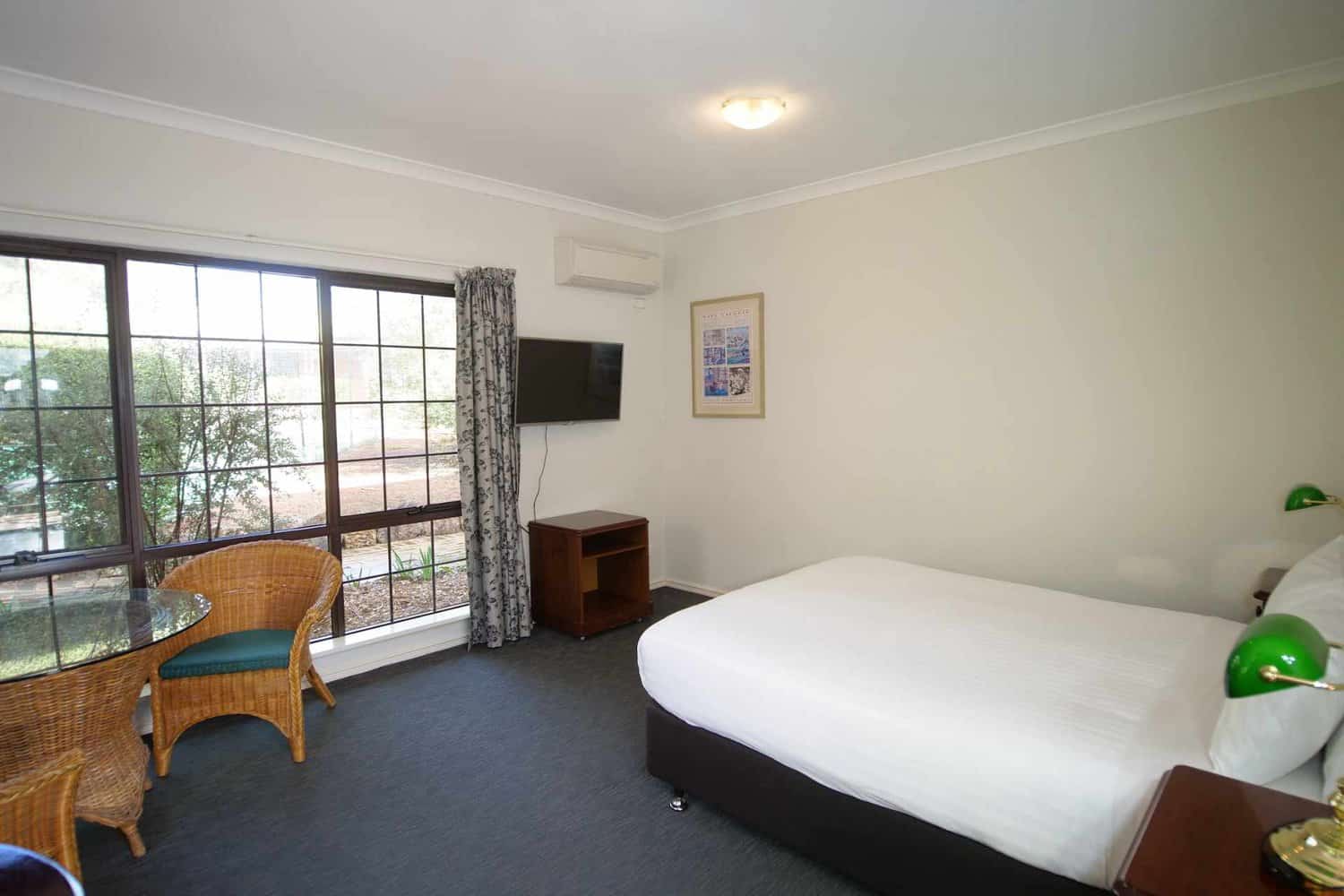
Most mid-to-large sized hotels, particularly those belonging to international chains or located in major cities like Paris, Berlin, or Sydney, maintain a 24-hour front desk. For these establishments, a late check-in (even in the early hours of the morning) is typically not an issue, provided you have a confirmed reservation. Staff will be available to process your check-in, issue key cards, and provide any necessary assistance. While a heads-up is always appreciated, these hotels are equipped to handle arrivals at any time. This is a standard amenity across brands like Accor and IHG in many parts of the United States and Europe.
Automated and Keyless Check-in Systems
The rise of technology has revolutionized the check-in process, offering increased flexibility for late arrivals. Many modern hotels, especially budget-friendly brands or those geared towards tech-savvy travelers, are implementing automated check-in kiosks or mobile key systems. With these systems, guests can complete their check-in online or via a hotel app, bypassing the front desk entirely. Upon arrival, a mobile key on their smartphone (using Bluetooth or NFC technology) grants access to their room. Alternatively, kiosks allow guests to enter their booking details and receive a physical key card. This is particularly prevalent in Scandinavia and parts of Asia, including Singapore, and is a growing trend globally. For these properties, the concept of “how late” you can check in becomes almost irrelevant, as long as you have your booking information and a charged smartphone.
The “No-Show” Conundrum and Cancellation Policies
As mentioned earlier, failing to communicate a late arrival can result in your reservation being marked as a “no-show.” This often triggers a cancellation of the remaining nights of your stay and a charge for the first night’s accommodation. The exact timing for declaring a no-show can vary, but it’s typically around midnight on the scheduled arrival date. Some stricter policies, especially during peak seasons or for non-refundable bookings, might have earlier cut-off times. If you have a multi-night reservation and are marked as a no-show, the hotel assumes you are not coming at all and will re-release the room for subsequent nights. This means if you eventually arrive a day late without prior communication, you might find your room gone and your entire booking canceled. Understanding these terms, usually detailed in your booking confirmation, is crucial to avoid unexpected costs and inconvenience.
Impact of Online Travel Agencies (OTAs) on Late Arrivals
When booking through an OTA, the communication chain can sometimes be less direct. While OTAs provide platforms for guests to send messages to hotels, these messages might not always be instantly relayed or prioritized by hotel staff, especially during busy periods. If you anticipate a very late arrival, it’s always best to also contact the hotel directly via phone or their official email, even if you’ve messaged them through the OTA. This ensures your critical information reaches the right people immediately and reduces the chances of miscommunication or oversight.
Practical Tips for a Seamless Late Check-in Experience
Even with the best intentions, unforeseen delays can occur. Preparing for such eventualities and adopting a proactive approach can significantly enhance your late check-in experience.
Always Confirm Directly
Regardless of how you booked or how well you think you know the hotel, always confirm your specific late arrival arrangements directly with the hotel staff. This is especially true if you are arriving after midnight. A quick call a few hours before your updated arrival time can reconfirm that your note has been made and that staff are expecting you. This eliminates any last-minute surprises and provides peace of mind. If you’re traveling across time zones, be mindful of the hotel’s local time when making these calls.
Have Your Booking Details Handy
When you finally arrive, exhausted after a long journey, the last thing you want is a scavenger hunt for your reservation details. Have your booking confirmation (either a printout or easily accessible on your phone), identification (passport or driver’s license), and the credit card used for the booking readily available. This will significantly speed up the check-in process, allowing you to get to your room and rest as quickly as possible. For international travel, ensure your passport details match the reservation exactly, particularly if you are in countries like Japan or China, where hotels are legally required to record such information.
Loyalty Programs and Their Benefits
If you’re a member of a hotel’s loyalty program (e.g., Marriott Bonvoy, Hilton Honors), your status might afford you additional flexibility. Higher-tier members often receive perks like guaranteed late check-out or priority handling for special requests, which can sometimes extend to late check-in considerations. While not a guarantee, loyalty can sometimes provide a smoother experience or greater understanding from hotel staff when unexpected delays arise. Always mention your loyalty number when communicating with the hotel.

Be Prepared for Any Eventuality
Even with meticulous planning, travel can be unpredictable. Flights get delayed, trains break down, and unforeseen circumstances can arise. Always have a backup plan or at least mentally prepare for potential delays. Save the hotel’s direct phone number in your contacts. Ensure your phone is charged. If traveling internationally, consider having a local SIM card or an international roaming plan so you can make calls if needed. A small amount of preparation can prevent a stressful situation from escalating into a major problem, ensuring your accommodation is ready for you, no matter how late you arrive.
LifeOutOfTheBox is a participant in the Amazon Services LLC Associates Program, an affiliate advertising program designed to provide a means for sites to earn advertising fees by advertising and linking to Amazon.com. Amazon, the Amazon logo, AmazonSupply, and the AmazonSupply logo are trademarks of Amazon.com, Inc. or its affiliates. As an Amazon Associate we earn affiliate commissions from qualifying purchases.