
Embarking on a journey from the Pacific Northwest to the Land of the Rising Sun is an exciting prospect, filled with anticipation for unique cultural experiences, breathtaking landscapes, and unparalleled cuisine. For many travelers, a primary concern when planning such an international adventure is the duration of the flight. Understanding the flight time from Seattle to Japan is crucial for logistical planning, from booking accommodations and activities to managing jet lag and packing accordingly. This article delves into the various factors influencing flight times and provides a comprehensive overview of what to expect when traversing the vast expanse of the Pacific Ocean.

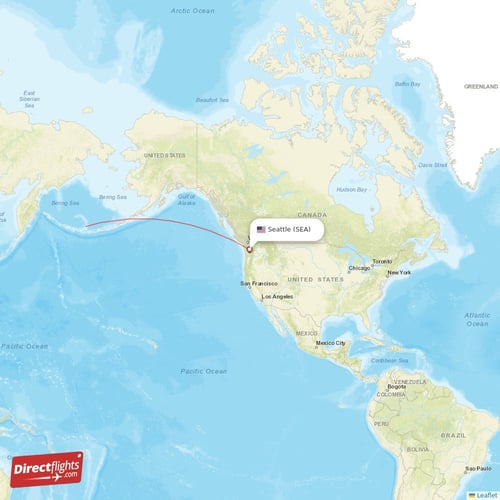
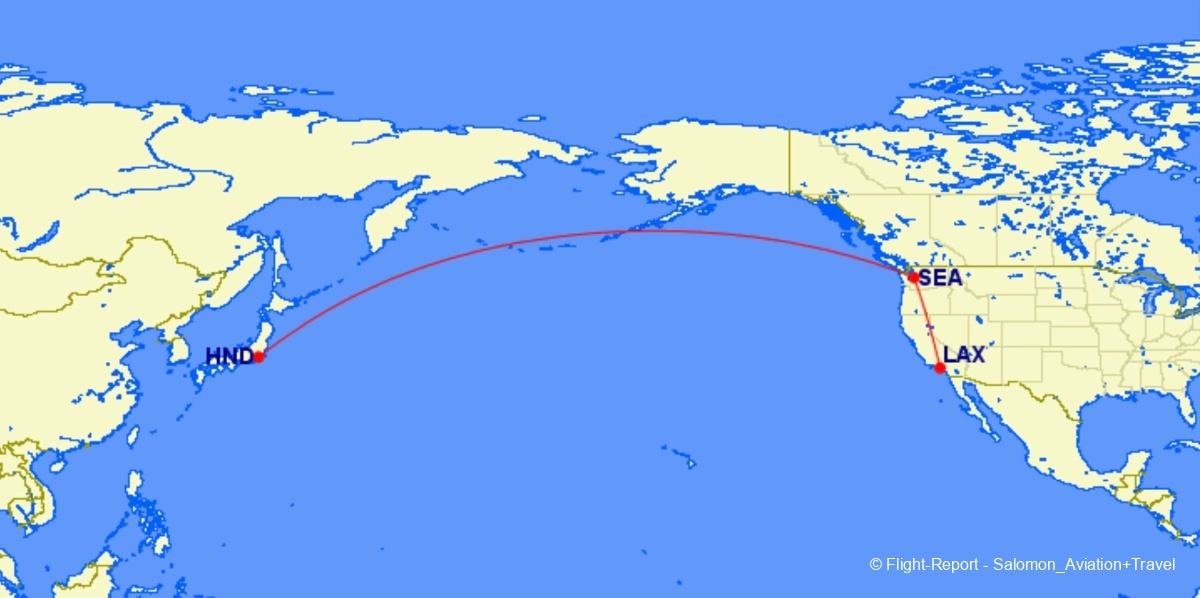
The direct flight time from Seattle-Tacoma International Airport (SEA) to major international airports in Japan, such as Tokyo Narita International Airport (NRT) or Tokyo Haneda Airport (HND), typically ranges from 9 to 10 hours. This is for non-stop flights, which are the most efficient and desirable option for many travelers. However, it’s important to note that this is the flight time itself, and does not include the time spent at the airport for check-in, security, boarding, deplaning, and customs and immigration procedures.
Factors Influencing Flight Duration
Several variables can affect the precise length of your flight from Seattle to Japan. While the most significant determinant is whether the flight is direct or has layovers, other elements play a role in the overall travel experience and the time spent in the air.
Direct Flights: The Fastest Route
Direct flights are, by definition, the quickest way to travel between two distant locations. Airlines operating routes from Seattle to Japan often aim for the shortest possible travel time. Major carriers like Japan Airlines (JAL), All Nippon Airways (ANA), and sometimes Delta Air Lines offer non-stop services. These flights are designed to be as efficient as possible, utilizing favorable wind currents and optimal flight paths.
The typical flight duration for a non-stop service from SEA to Tokyo (either NRT or HND) is approximately 9 hours and 30 minutes. However, this can vary slightly. Factors such as the specific aircraft used, the payload, and the prevailing wind conditions can add or subtract a few minutes from this average. For instance, headwinds can lengthen the flight, while tailwinds can shorten it.
Flights with Layovers: Extended Travel Times
When direct flights are not available, or when budget constraints lead travelers to opt for cheaper alternatives, flights with one or more layovers become the standard choice. These flights will inevitably take longer, and the total travel time can vary significantly depending on the layover city and the duration of the stop.
Common layover cities for flights from Seattle to Japan can include major hubs in North America, such as Vancouver, San Francisco, Los Angeles, or even Chicago. Alternatively, layovers might occur in other Asian cities like Seoul or Taipei before continuing to Japan.
The total travel time for flights with layovers can range from 12 hours to over 20 hours, sometimes even longer. This extended duration includes:
- Flight time to the layover city: This could be several hours.
- Layover duration: This can range from a short 1-2 hour connection to an extended stop of 8 hours or more, especially if seeking to explore the layover city or save on ticket prices.
- Flight time from the layover city to Japan: This segment will also be a significant portion of the journey.
When booking a flight with a layover, it is imperative to carefully examine the total duration of the trip, not just the flight segments. A shorter layover might seem appealing, but it increases the risk of missing a connection due to delays. Conversely, a very long layover can lead to significant fatigue and disruption to the travel schedule.
Time Zones and Jet Lag: Navigating the Clock
While not directly affecting flight duration, understanding the time difference is an integral part of planning your journey to Japan. Seattle operates on Pacific Standard Time (PST) or Pacific Daylight Time (PDT), which is UTC-8 or UTC-7, respectively. Japan observes Japan Standard Time (JST), which is UTC+9. This means Japan is 16 hours ahead of Seattle during PST, and 17 hours ahead during PDT.
This significant time difference means that a flight departing Seattle in the afternoon might arrive in Japan in the late afternoon or evening of the next day. For example, a 10-hour flight departing Seattle at 3:00 PM PST on a Monday would arrive in Tokyo around 7:00 AM JST on a Tuesday.
The substantial time zone shift inevitably leads to jet lag, a condition characterized by fatigue, insomnia, and other symptoms caused by the disruption of the body’s internal clock. Travelers can mitigate jet lag by gradually adjusting their sleep schedule before departure, staying hydrated during the flight, and exposing themselves to natural light upon arrival in Japan.
Choosing Your Destination in Japan
The exact arrival city in Japan can also subtly influence the flight duration, particularly if you are considering destinations beyond the primary international gateways. While most flights from Seattle land in Tokyo, some may fly into other major hubs like Osaka Kansai International Airport (KIX). The direct flight to Osaka might be marginally longer than to Tokyo, though typically the difference is negligible for direct flights of this length.
However, if your ultimate destination is a city further inland or in a different region of Japan, such as Sapporo or Fukuoka, you will likely need to take a domestic connecting flight from your initial arrival airport. This adds significant time to your overall journey. The time taken for domestic travel within Japan can range from an hour or two by plane to several hours by the efficient Shinkansen bullet train.
Planning Your Trip to Japan
Understanding the flight duration is just the first step in planning an unforgettable trip to Japan. Several other aspects of travel require careful consideration, from securing comfortable accommodations to immersing yourself in the local culture and activities.
Accommodation and Lodging Options
Japan offers a diverse range of accommodation options to suit every budget and travel style. From luxurious resorts and stylish apartments to traditional ryokans (Japanese inns) and budget-friendly hostels, there is something for everyone.
When booking your stay, consider the following:
- Location: Is your accommodation conveniently located near major attractions, public transportation hubs, or your primary areas of interest? For instance, staying in the vibrant Shibuya district of Tokyo offers a different experience than a serene stay near the Fushimi Inari Shrine in Kyoto.
- Amenities: Do you require specific amenities such as Wi-Fi, air conditioning, a gym, or a pool? Many modern hotels offer a full suite of amenities, while traditional ryokans may provide a more minimalist, culturally immersive experience.
- Type of Accommodation: Are you looking for a private room in a hotel, a self-contained villa, or a shared dormitory? Hotel comparison websites can be invaluable for finding the best deals and reviews.
- Long-term Stays: If you plan to stay for an extended period, long-term stay apartments or guesthouses might offer more cost-effective and convenient solutions.
Popular hotel chains in Japan include the Park Hyatt Tokyo (famously featured in the movie “Lost in Translation”), the Imperial Hotel, and various Hilton and Marriott properties, which offer a consistent level of quality and service.
Exploring Japan’s Rich Tourism Landscape
Japan is a country that seamlessly blends ancient traditions with cutting-edge modernity, offering a wealth of tourism experiences. From iconic landmarks to hidden gems, every visitor will find something to captivate them.
Key Destinations and Attractions:
- Tokyo: The bustling capital city is a sensory overload of neon lights, towering skyscrapers, and serene temples. Must-visit spots include the Tokyo Skytree for panoramic views, the historic Senso-ji Temple in Asakusa, and the trendy districts of Shibuya and Harajuku.
- Kyoto: The former imperial capital is the heart of traditional Japan. Explore the magnificent Kinkaku-ji (Golden Pavilion), wander through the ethereal Arashiyama Bamboo Grove, and discover the thousands of vermillion gates at the Fushimi Inari Shrine.
- Osaka: Known for its vibrant nightlife, delicious street food, and friendly locals, Osaka is a must-visit. Don’t miss Osaka Castle and the entertainment district of Dotonbori.
- Mount Fuji: Japan’s iconic volcano offers breathtaking views and hiking opportunities for the adventurous.
- Hiroshima: A city with a poignant history, Hiroshima offers the Peace Memorial Park and Museum, a moving tribute to the past and a powerful message of hope for the future.
Local Culture and Activities:
- Food Experiences: Indulge in authentic sushi, ramen, tempura, and regional specialties. Participating in a tea ceremony or a cooking class offers deeper insights into Japanese cuisine.
- Onsen (Hot Springs): Relax and rejuvenate in one of Japan’s numerous natural hot springs, often located in scenic mountainous or coastal areas.
- Festivals (Matsuri): If your travel dates coincide with a local matsuri, you’re in for a treat. These vibrant celebrations showcase traditional music, dance, and food.
- Shopping: From high-end designer boutiques in Ginza to quirky souvenirs in Harajuku, shopping in Japan is an experience in itself.
Lifestyle Considerations for Travel to Japan
The lifestyle choices you make for your trip will significantly shape your experience in Japan. Whether you’re a seasoned globetrotter seeking luxury travel, a backpacker on a budget travel adventure, or traveling with your family trips, Japan has offerings that cater to all.
For those who appreciate the finer things, luxury travel in Japan can involve staying in five-star hotels with impeccable service, dining at Michelin-starred restaurants, and experiencing private tours of exclusive sites. The Four Seasons Hotel Tokyo at Otemachi or the Ritz-Carlton, Kyoto offer unparalleled luxury.
On the other hand, budget travel is very feasible in Japan. Utilizing the extensive public transportation network, staying in hostels or budget-friendly business hotels like the Toyoko Inn chain, and enjoying affordable and delicious meals from convenience stores (konbini) or local eateries can help stretch your yen.
Family trips to Japan**** are incredibly rewarding. Theme parks like *Tokyo Disneyland* and Universal Studios Japan offer endless entertainment for children, while interactive museums, cultural experiences like samurai sword lessons, and the sheer novelty of bullet trains provide engaging activities for all ages.
For business stays, Japan offers a professional environment with excellent infrastructure. Hotels catering to business travelers often provide meeting facilities, reliable Wi-Fi, and convenient access to business districts.
In conclusion, while the flight from Seattle to Japan is a significant undertaking, understanding its duration and the factors influencing it is key to successful travel planning. By considering direct versus layover flights, accounting for time zone differences, and thoroughly planning your accommodation, sightseeing, and lifestyle choices, you can ensure a smooth and unforgettable journey to this captivating country.
LifeOutOfTheBox is a participant in the Amazon Services LLC Associates Program, an affiliate advertising program designed to provide a means for sites to earn advertising fees by advertising and linking to Amazon.com. Amazon, the Amazon logo, AmazonSupply, and the AmazonSupply logo are trademarks of Amazon.com, Inc. or its affiliates. As an Amazon Associate we earn affiliate commissions from qualifying purchases.