
The allure of New York City is undeniable. From the towering skyscrapers of Manhattan to the vibrant cultural tapestry of Brooklyn, it’s a global epicenter of art, commerce, and entertainment. Yet, for many prospective visitors, a persistent question lingers: “Is New York City safe to visit?” This is a valid concern, amplified by media narratives and the sheer scale of the metropolis. However, a nuanced understanding of safety, coupled with practical preparedness, reveals that New York City remains a remarkably safe and rewarding destination for millions of travelers each year.
This exploration delves into the multifaceted aspects of safety in New York City, offering insights for tourists to navigate the city with confidence and enjoyment. We will examine crime statistics, explore safety tips tailored for travelers, and highlight the city’s robust infrastructure designed to protect its residents and visitors alike.
Understanding Crime and Safety Perceptions
It’s important to distinguish between crime statistics and public perception. While New York City, like any major urban center, experiences its share of crime, the overall trend has seen significant improvements over the past few decades. Understanding these trends, as well as the types of crime that visitors are most likely to encounter, can help manage expectations and inform safe travel practices.
Crime Statistics: A Closer Look
New York City has a dedicated police force, the New York Police Department (NYPD), that works tirelessly to maintain order. Official crime statistics, often reported by the NYPD and other reputable sources, paint a picture of a city that has become considerably safer over the years. Violent crime rates, while still a concern, are generally lower than in many other large cities in the United States. Property crimes, such as pickpocketing and petty theft, are more common, particularly in crowded tourist areas. These are often crimes of opportunity, and can be significantly mitigated with awareness and common-sense precautions.
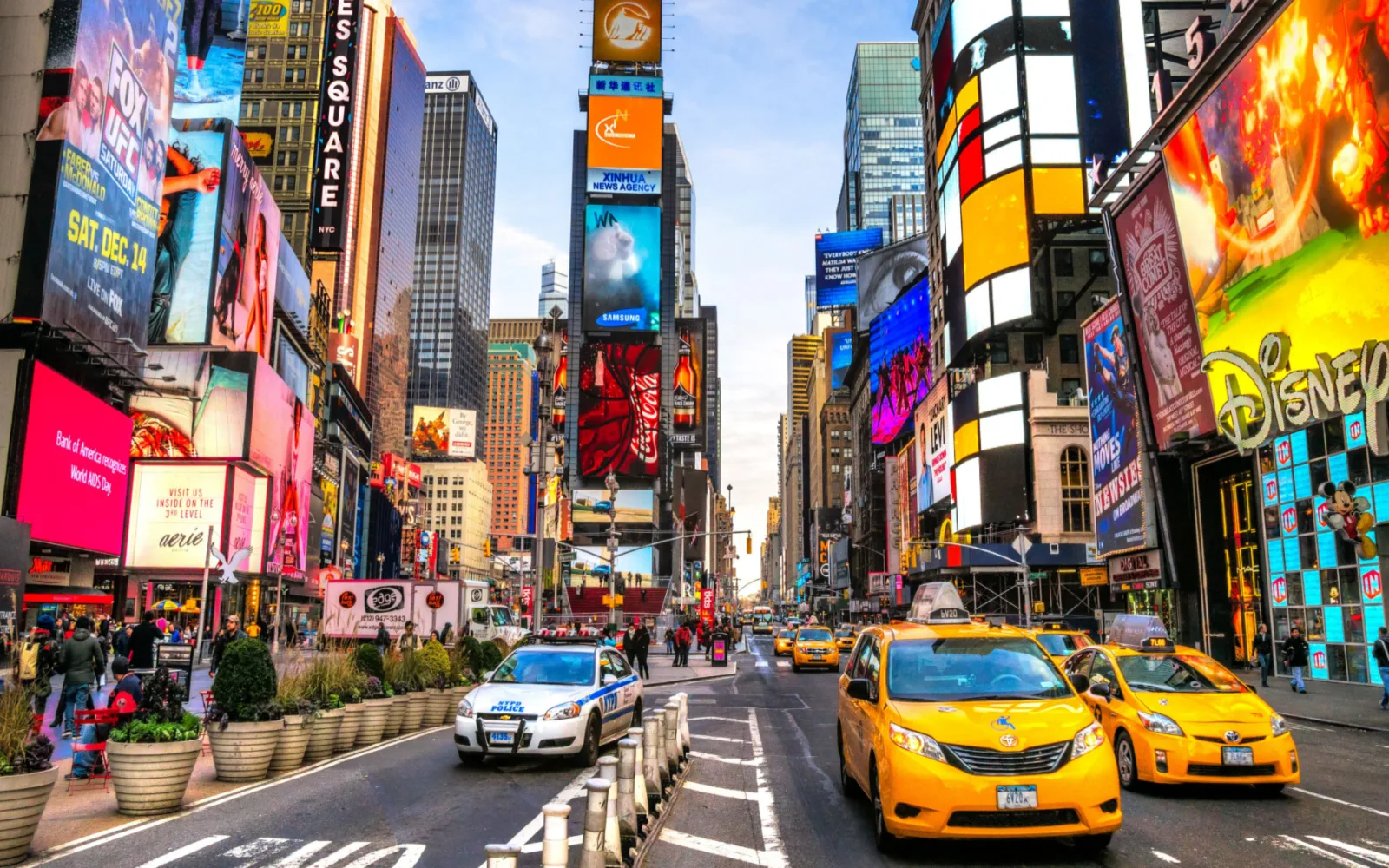
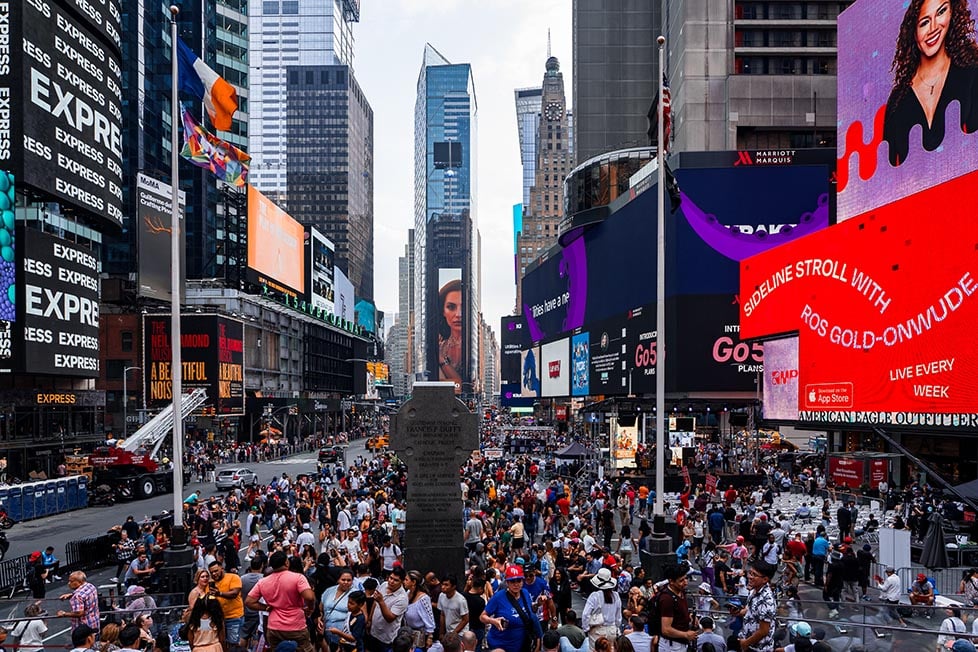
It’s also crucial to consider the geographical distribution of crime. Certain neighborhoods may have higher crime rates than others, but these are often areas that tourists have little reason to visit. The primary tourist zones, such as Times Square, Central Park, and the museum district, are generally well-patrolled and considered safe during daylight hours and well into the evening.
Differentiating Crime Types: What to Be Aware Of
For tourists, understanding the prevalent types of crime is more useful than simply looking at raw numbers. The most common offenses that visitors might encounter fall into the category of opportunistic theft. This includes:
- Pickpocketing: Occurs in crowded places like subway cars, busy streets, and queues for attractions. This is a non-confrontational crime, relying on distraction.
- Bag Snatching: Less common but can happen, especially if bags are left unattended or visibly carrying valuables.
- Scams: Tourist-targeted scams can range from unofficial ticket sellers to individuals offering unsolicited “help” with misleading intentions. These are often designed to extract money rather than cause physical harm.
- Petty Theft: This could involve items stolen from unattended bags or unlocked hotel rooms.
Violent crimes targeting tourists are rare. The vast majority of visitors have uneventful and enjoyable trips. Focusing on these preventable property crimes is key to ensuring a safe experience.
Navigating the City Safely: Practical Traveler Tips
The key to a safe and enjoyable visit to New York City lies in adopting a proactive and informed approach to personal security. By incorporating a few simple habits and exercising common sense, travelers can significantly reduce their risk of becoming a victim of crime and focus on experiencing the wonders the city has to offer.
Awareness and Prevention
The most powerful tool for a traveler is awareness. This doesn’t mean being fearful, but rather being observant of your surroundings.

- Stay Alert: When walking, especially in busy areas, pay attention to who is around you. Avoid being engrossed in your phone or conversations to the point where you are unaware of your environment.
- Secure Your Belongings: Keep valuables, such as wallets, phones, and cameras, in secure pockets or bags that are difficult to access. Consider using a cross-body bag or a money belt for added security. Never leave bags unattended, even for a moment.
- Be Wary of Distractions: If someone is trying to distract you, especially in a crowded area, be on guard. This is a common tactic for pickpockets.
- Trust Your Instincts: If a situation or person makes you feel uncomfortable, remove yourself from it. Your instincts are often a good indicator of potential risk.
Transportation Safety
New York City boasts an extensive public transportation system, making it easy to get around without a car.
- Subway System: The New York City Subway is generally safe, especially during peak hours. However, late at night, it’s advisable to stand in well-lit areas of the platform and sit in cars with other passengers. Be aware of your surroundings and keep your belongings close.
- Taxis and Ride-Sharing Services: Official yellow cabs are a safe and reliable option. When using ride-sharing apps like Uber or Lyft, ensure the driver and vehicle match the information on the app before getting in.
- Walking: New York City is a walkable city, and exploring on foot is a great way to experience its neighborhoods. Stick to well-lit streets, especially at night, and be mindful of traffic.
Accommodation Safety
Your hotel or rental should be a sanctuary. While most accommodations in New York City prioritize guest safety, a few simple steps can enhance your security.
- Choose Reputable Accommodations: Stay in well-reviewed hotels or apartments in areas known to be safe for tourists.
- Secure Your Room: Always lock your hotel room door, even when you are inside. Use the deadbolt and chain lock provided.
- Valuables: Utilize the hotel safe for your passport, significant amounts of cash, and other valuable items. Avoid leaving expensive items visible in your room.
- Be Cautious with Strangers: Do not invite strangers into your hotel room.
The City’s Infrastructure for Safety
Beyond individual traveler precautions, New York City has a comprehensive infrastructure in place to ensure the safety and well-being of its visitors. This includes a visible and responsive law enforcement presence, emergency services, and public safety initiatives.
Law Enforcement and Emergency Services
The presence of law enforcement, particularly the NYPD, is a constant in New York City. Officers are visible in tourist areas, on public transport, and throughout the city. They are generally approachable and willing to assist visitors with directions or concerns.
- Emergency Numbers: The primary emergency number in the United States is 911. This number connects you to police, fire, and ambulance services. It’s essential to know this number and to use it responsibly for genuine emergencies.
- Tourist Police: In some highly trafficked tourist zones, you may encounter dedicated tourist police officers who are specifically trained to assist visitors and address their concerns.
- Quick Response Times: New York City boasts some of the quickest emergency response times in the country, ensuring that help is available when needed.
Public Safety Initiatives and Information
New York City actively promotes public safety through various initiatives and by providing accessible information to residents and visitors.
- MTA Safety: The Metropolitan Transportation Authority (MTA) that operates the subway and bus systems has its own police force and implements measures to enhance passenger safety, including surveillance cameras and increased patrols.
- Information Resources: Official city websites and tourism boards often provide up-to-date safety information and advice for visitors. Familiarizing yourself with these resources before and during your trip can be beneficial.
- Community Engagement: The city often fosters community engagement programs that encourage residents and visitors to look out for one another, creating a more vigilant and secure environment.
In conclusion, while no large city can claim to be entirely crime-free, New York City is a dynamic and largely safe destination for travelers. By understanding the nature of potential risks, adopting sensible precautions, and being aware of the robust safety measures in place, visitors can confidently embark on their New York City adventure and immerse themselves in its unparalleled energy and attractions, from the iconic Statue of Liberty to the bustling streets of Chinatown.
LifeOutOfTheBox is a participant in the Amazon Services LLC Associates Program, an affiliate advertising program designed to provide a means for sites to earn advertising fees by advertising and linking to Amazon.com. Amazon, the Amazon logo, AmazonSupply, and the AmazonSupply logo are trademarks of Amazon.com, Inc. or its affiliates. As an Amazon Associate we earn affiliate commissions from qualifying purchases.