
When you picture a winter wonderland, images of pristine snow-covered landscapes, cozy firesides, and perhaps even some sledding adventures might come to mind. For many, this idealized vision includes a significant amount of snowfall. However, when the city of Seattle is mentioned in conjunction with snow, a different picture often emerges. Known more for its persistent drizzle and temperate climate, the Emerald City’s relationship with snow is nuanced and often surprising. Travelers planning a visit, especially during the colder months, are often curious about the precipitation patterns and what kind of snowy experiences they might genuinely encounter. This exploration delves into Seattle’s snow history, typical snowfall amounts, the factors influencing them, and what visitors can expect if they decide to brave the winter in this Pacific Northwest gem.
Seattle’s Snowy Reputation: More Myth Than Reality?
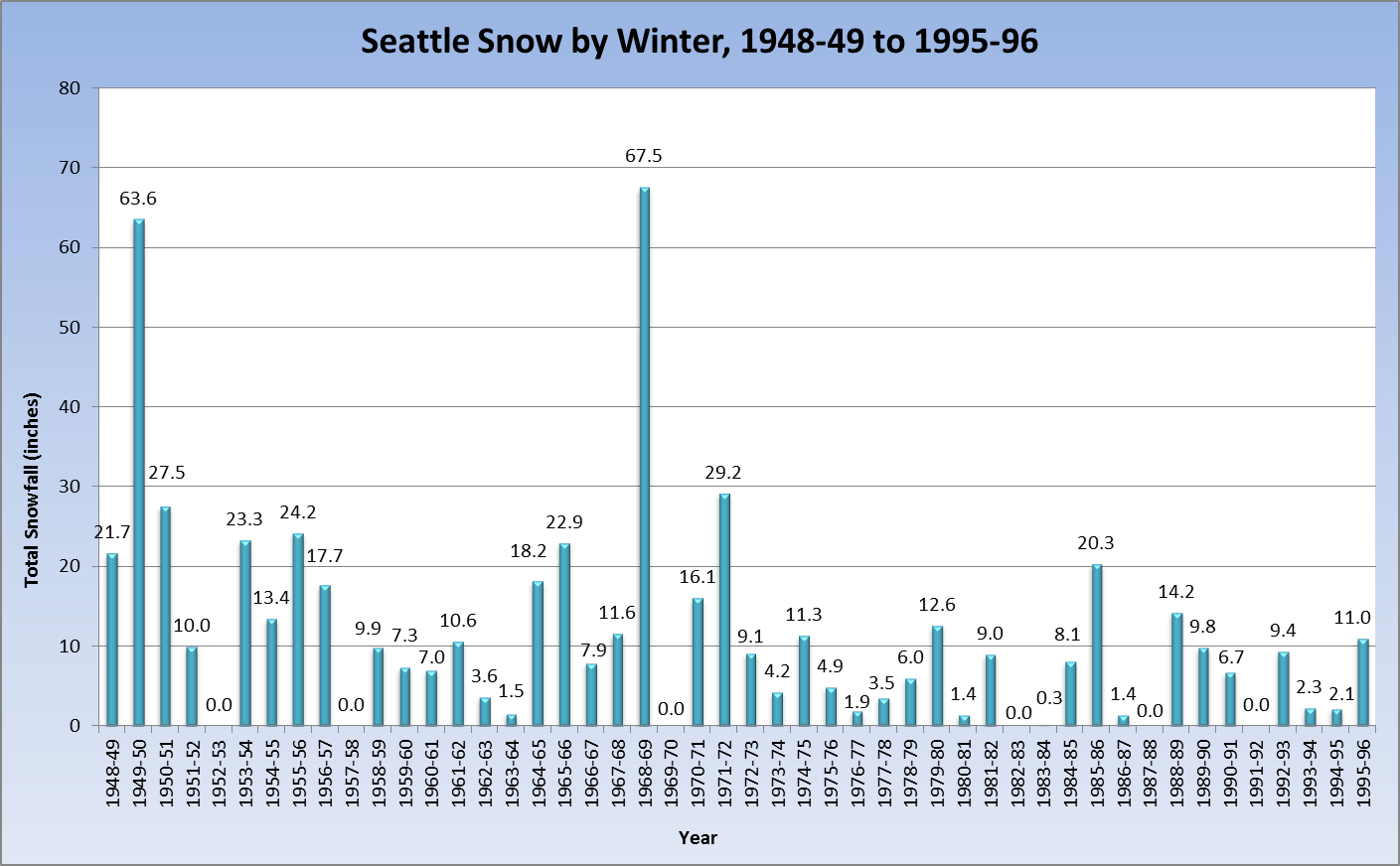
The common perception of Seattle is that it’s a perpetually rainy city, and while the rain is indeed a significant part of its climate, the amount of snow it receives paints a different story. Compared to many other major North American cities that experience regular, heavy snowfall, Seattle is relatively mild. This doesn’t mean snow never falls; rather, it’s less predictable and often less impactful than many might assume.
The Average Snowfall: A Modest Figure
On average, Seattle typically receives around 7 inches of snow per year. This figure, however, can be somewhat misleading. Snowfall in Seattle is notoriously inconsistent. Some years, this average might be significantly surpassed, leading to memorable snow events that disrupt daily life and offer picturesque views. In other years, the total snowfall can be negligible, with only a dusting or two gracing the city.
For comparison, cities like Chicago can average over 30 inches of snow annually, while even a coastal city like Boston often sees upwards of 40 inches. This stark difference highlights Seattle’s unique microclimate, influenced heavily by the surrounding bodies of water and the nearby mountain ranges.
Factors Influencing Seattle’s Snowfall
Several geographical and meteorological factors contribute to Seattle’s relatively low and inconsistent snowfall:
- The Puget Sound: The large body of water known as Puget Sound moderates temperatures in the city. When cold air masses move in, the sound often keeps the temperatures just above freezing, leading to rain rather than snow.
- The Olympic Rain Shadow: The Olympic Mountains to the west of Seattle create a rain shadow effect. While these mountains are known for receiving immense amounts of precipitation, they can also block some of the moisture from reaching the Puget Sound lowlands, affecting the type and amount of precipitation that falls.
- Cold Air Masses and Moisture: For significant snowfall to occur in Seattle, a specific combination of events is required: a sufficiently cold air mass must be in place, and there needs to be moisture readily available to fall as snow. This alignment doesn’t happen as frequently as in inland or more northerly cities. Often, when cold air arrives, the moisture has already passed, or the temperatures are just a degree or two too warm for snow.
When Does Snow Typically Fall in Seattle?
The winter months, from November through February, are the most likely periods to see snowfall in Seattle. However, even during these months, sunny, mild days are not uncommon. Snowfall events, when they do occur, are usually concentrated within a few days or a week, rather than being a sustained winter blanket.
- November and December: These months can see early snow, but it’s often a prelude to rain or a light dusting that melts quickly.
- January and February: These are typically the coldest months, and therefore, the most probable for snow. Major snow events, if they happen, often occur during this window.
- March: While less common, late-season snow can surprise Seattle residents in early March.
Experiencing Winter in Seattle: What to Expect for Travelers
For those planning a trip to Seattle with the hope of experiencing a winter wonderland, it’s wise to temper expectations. While a significant snowstorm is always a possibility, it’s not the norm. Instead, travelers should prepare for a mix of weather conditions, with a higher likelihood of rain and cooler temperatures.
The Reality of a Seattle Winter for Tourists
- Rain is King: The most consistent winter weather in Seattle is rain. Be prepared for frequent showers, overcast skies, and damp conditions. This means packing waterproof gear, including a good jacket, umbrella, and waterproof shoes, is essential.
- Chilly but Rarely Freezing: Temperatures in Seattle during winter typically range from the mid-30s to the low-40s Fahrenheit (around 1-7 degrees Celsius). Freezing temperatures are not a daily occurrence, and prolonged periods of sub-zero weather are rare.
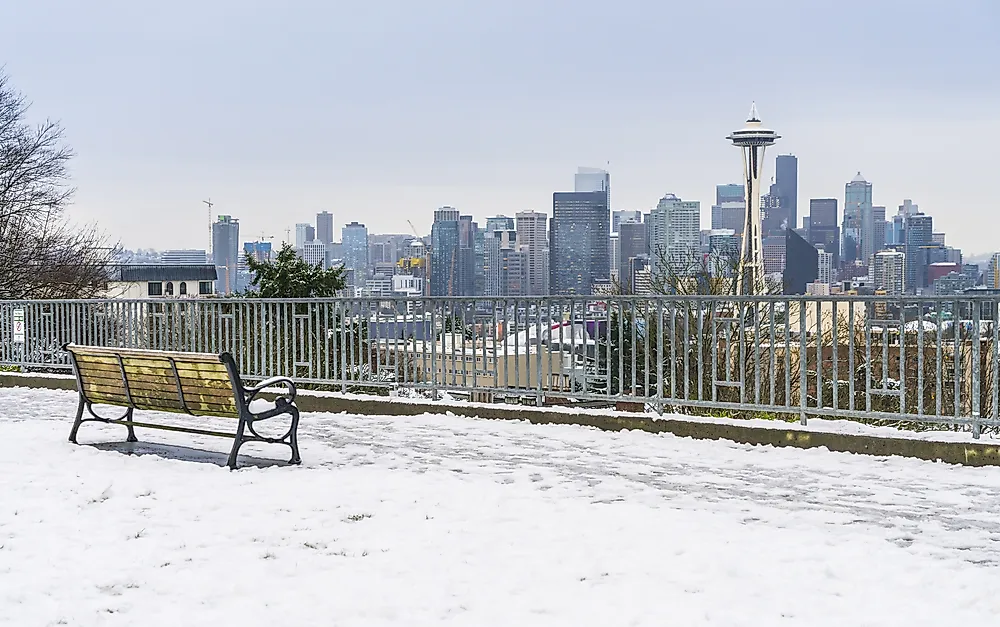
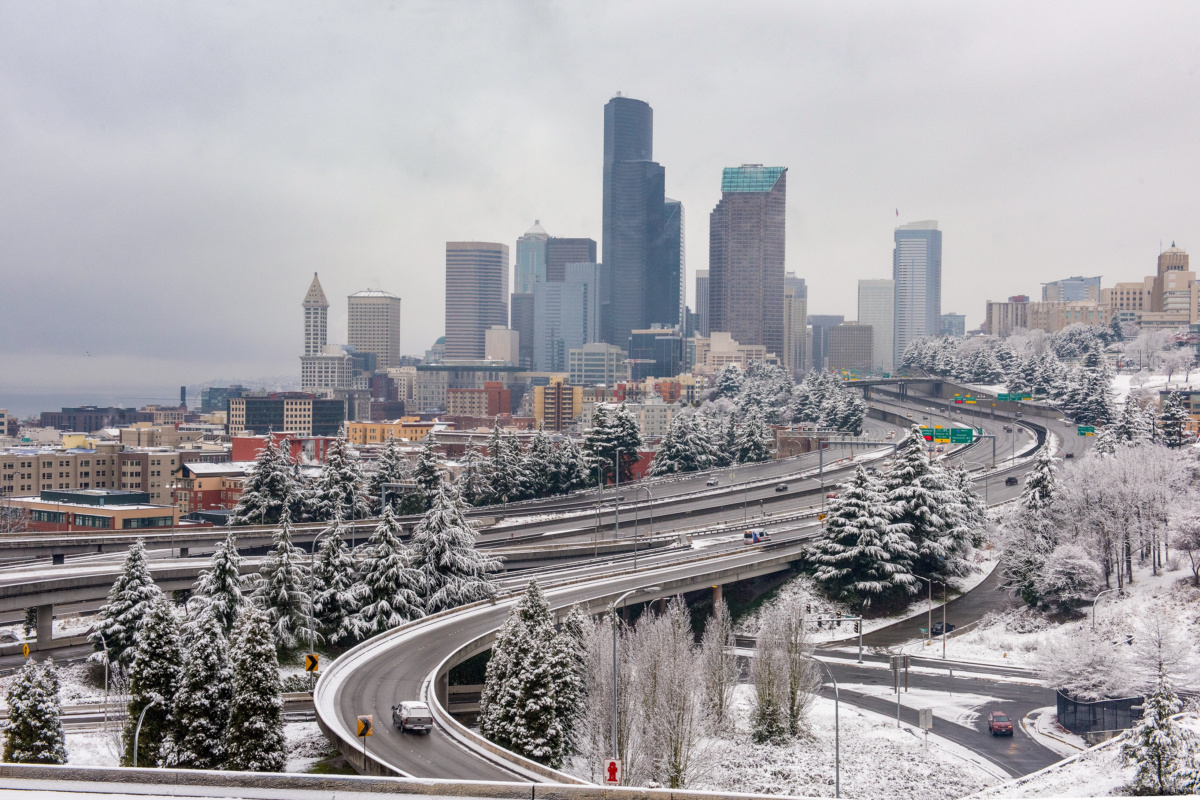
- Snowy Surprises: When snow does fall, it can create a magical, albeit often short-lived, transformation of the city. Streets can become blanketed, the Space Needle can be framed by white, and the surrounding evergreen trees can take on a beautiful frosted appearance. However, these events are unpredictable and can cause significant disruption to travel and daily life. Snow in Seattle often leads to school closures, transportation delays, and a general pause in city activities as residents and infrastructure aren’t always equipped for heavy snow.
- Mountain Snow Nearby: While the city itself might see minimal snow, the Cascade Mountains and the Olympic Mountains are practically guaranteed to be snow-covered during winter. This offers fantastic opportunities for winter sports enthusiasts. Destinations like Stevens Pass and Snoqualmie Pass are popular for skiing, snowboarding, and snowshoeing, and are relatively accessible from Seattle for day trips or longer stays.
Accommodation and Activities During Seattle’s Winter
Even without significant snow, Seattle offers plenty of attractions and activities during the winter months.
Indoor Pursuits and Cozy Escapes
When the weather is less than ideal, or if a surprise snowfall occurs, Seattle has numerous indoor options to explore.
- Museums: The city boasts a rich cultural scene. The Museum of Pop Culture (MoPOP) offers fascinating exhibits, while the Seattle Art Museum provides a diverse collection of art. For history buffs, the Museum of History & Industry (MOHAI) is a great choice.
- Aquarium and Markets: Visit the Seattle Aquarium for marine life encounters or wander through the bustling Pike Place Market, where you can find fresh produce, local crafts, and delicious food vendors. It’s an iconic landmark that’s vibrant year-round.
- Charming Cafes and Bookstores: Seattle is famous for its coffee culture. Cozying up in a warm café with a book from a local bookstore, such as Elliott Bay Book Company, is a quintessential Seattle winter experience.
- Hotels and Resorts: Many hotels offer excellent indoor amenities. Consider a stay at a luxurious option like the Four Seasons Hotel Seattle or a more boutique experience. For those seeking a resort feel without leaving the city’s vicinity, options within driving distance provide a more secluded escape. Many hotels offer fireplaces and cozy common areas, perfect for unwinding after a day of exploring.
Embracing the Snow (When It Happens)
If Seattle is indeed blessed with a snow day, it’s an event to be savored.
- City Exploration: While public transportation can be affected, walking through neighborhoods like Ballard or Capitol Hill can be magical. The unique architecture and charming streets take on a new beauty under a dusting of snow.
- Winter Photography: The city offers stunning photo opportunities, especially with the Space Needle as a focal point against a snowy backdrop.
- Nearby Mountain Escapes: As mentioned, if you’re craving a significant snow experience, a short drive to the mountains is your best bet. Many hotels and resorts near the mountain passes offer full winter packages.
Planning Your Seattle Winter Trip
Understanding Seattle’s snow patterns is crucial for effective travel planning.
When to Visit for Snow
If your primary goal is to see snow, visiting Seattle in late January or February offers the highest statistical probability. However, even during these months, there’s no guarantee. For guaranteed snow and winter sports, booking a trip to a mountain resort near Seattle is a more reliable strategy.
Packing Essentials
- Waterproof Outerwear: A waterproof and windproof jacket is a must.
- Water-Resistant Footwear: Comfortable, water-resistant boots are essential for navigating potentially wet or slushy streets.
- Layers: Pack layers of clothing, including thermal wear, sweaters, and fleece, to adapt to fluctuating temperatures.
- Umbrella: A sturdy umbrella will be your best friend.
- Warm Accessories: A hat, scarf, and gloves are advisable, even if temperatures aren’t frigid.
Transportation Considerations
When snow does fall in Seattle, transportation can become challenging.
- Public Transit: Buses are the backbone of Seattle’s public transportation. During snow events, bus routes can be altered or suspended. The Link Light Rail is generally more reliable during snowy conditions, though delays can still occur.
- Driving: Driving in snow can be hazardous, especially for those unfamiliar with the conditions. Many Seattleites are not accustomed to driving in snow and ice, and roads can quickly become slick. Renting a car with all-wheel drive or four-wheel drive might be beneficial if you plan extensive driving outside the city center or anticipate potential snow.
- Ride-Sharing Services: Services like Uber and Lyft are available, but surge pricing and availability can be an issue during severe weather.
Beyond the Snow: Seattle’s Allure
Ultimately, Seattle’s appeal extends far beyond its snowfall. Whether you’re a luxury traveler seeking upscale experiences, a budget-conscious explorer, or a family on an adventure, the city offers a diverse range of attractions.
Diverse Travel Styles in Seattle
- Luxury Stays: From the opulent suites at the Fairmont Olympic Hotel to hotels with breathtaking waterfront views, Seattle caters to those seeking a premium experience. The city’s culinary scene also matches its luxury offerings, with numerous Michelin-starred and critically acclaimed restaurants.
- Budget-Friendly Adventures: Hostels and more affordable hotels are plentiful, especially outside the immediate downtown core. Exploring free attractions like walking through Discovery Park, enjoying the waterfront, or visiting Kerry Park for iconic skyline views are excellent ways to experience the city without breaking the bank.
- Family Fun: Beyond the Seattle Aquarium, families can enjoy the Woodland Park Zoo, the interactive exhibits at the Pacific Science Center, or a ride on the Seattle Great Wheel for panoramic views. Many apartment and villa rentals are available, offering more space and amenities for families.
- Business Travel: Seattle is a hub for tech and innovation, with numerous business hotels offering excellent amenities for the corporate traveler. Long-term stay accommodations are also readily available for extended business trips.
Landmarks and Natural Beauty
Even without snow, Seattle’s landmarks and natural surroundings are a major draw.
- Pike Place Market: A historic landmark, this vibrant market is a sensory delight.
- Space Needle: An iconic symbol of the city, offering unparalleled views.
- Chihuly Garden and Glass: A stunning exhibition of glass art by Dale Chihuly.
- Ferry Rides: Taking a ferry to nearby islands like Bainbridge Island offers beautiful views of the city skyline and the surrounding Puget Sound.
In conclusion, while the question “How Much Snow Does Seattle Get?” might lead one to expect a winter wonderland, the reality is far more nuanced. Seattle receives a modest average snowfall that is highly unpredictable. Travelers should prepare for a temperate, often rainy winter but also remain open to the possibility of magical, albeit infrequent, snow days. The city’s enduring charm lies in its blend of urban sophistication, natural beauty, and a resilient spirit that shines through any season, making it a compelling destination regardless of the weather forecast.
LifeOutOfTheBox is a participant in the Amazon Services LLC Associates Program, an affiliate advertising program designed to provide a means for sites to earn advertising fees by advertising and linking to Amazon.com. Amazon, the Amazon logo, AmazonSupply, and the AmazonSupply logo are trademarks of Amazon.com, Inc. or its affiliates. As an Amazon Associate we earn affiliate commissions from qualifying purchases.