
Seattle, a city renowned for its lush greenery, vibrant coffee culture, and iconic landmarks, is a destination that beckons travelers and nature enthusiasts alike. While the Emerald City is famous for its towering skyscrapers and bustling tech scene, a closer look reveals a deep connection to the natural world, particularly evident in its gardening capabilities. Understanding Seattle’s gardening zone is crucial for anyone looking to cultivate their own slice of paradise, whether they reside in the city or are simply planning a visit and want to appreciate its botanical beauty. This guide delves into Seattle’s USDA Plant Hardiness Zone, exploring its implications for gardeners, highlighting its stunning natural landscapes, and suggesting ways to experience the city’s horticultural charm.
Understanding Seattle’s Horticultural Climate
The USDA Plant Hardiness Zone map is an indispensable tool for gardeners. It divides North America into zones based on average annual minimum winter temperatures. These zones are critical because they indicate which perennial plants are likely to survive the winter in a particular location. For Seattle, this classification is not just a scientific designation; it’s a key to unlocking its potential for a diverse and thriving garden.
Seattle’s USDA Plant Hardiness Zone Classification
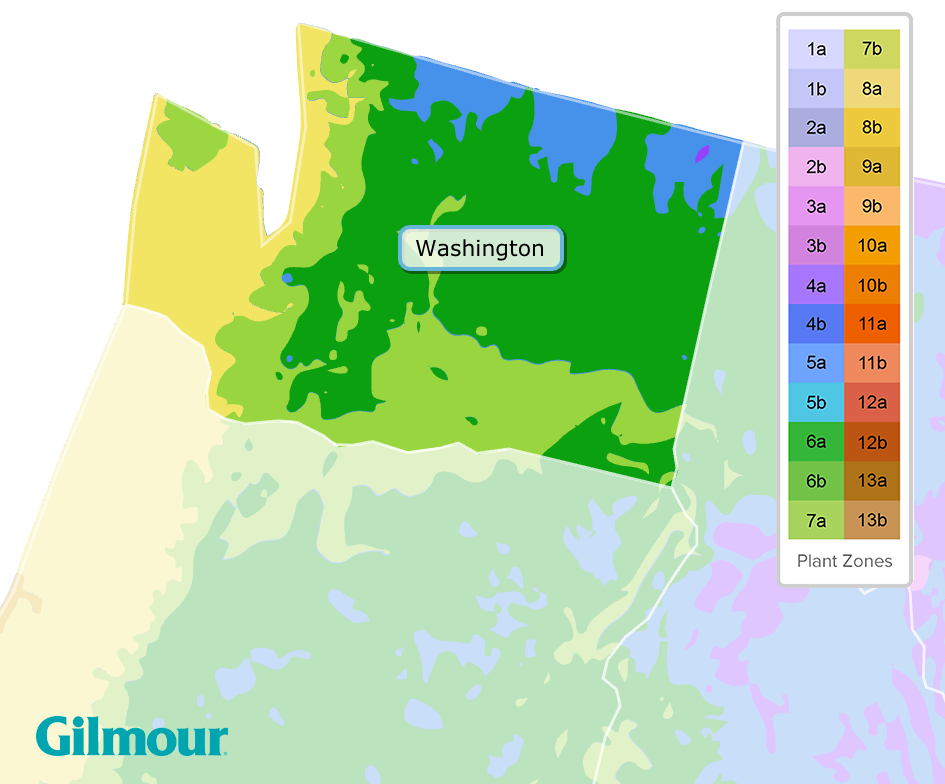
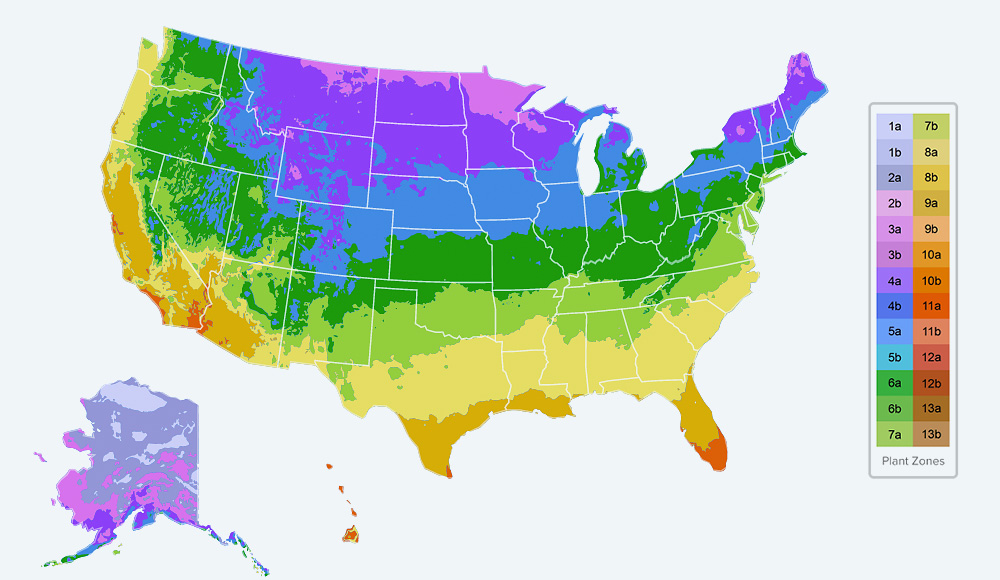
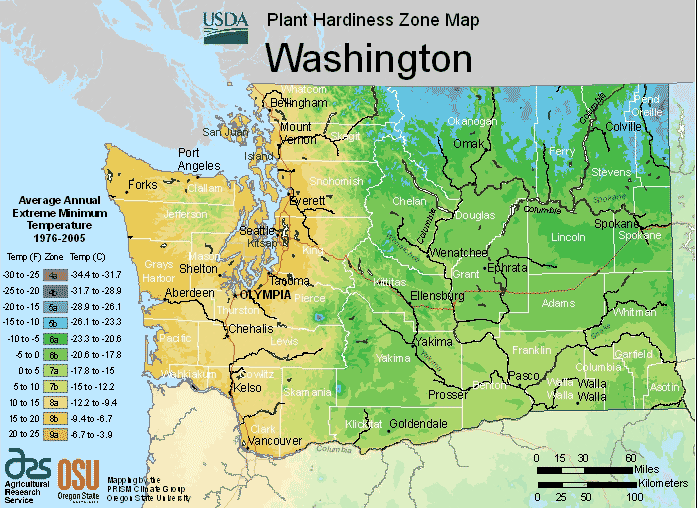
Seattle primarily falls within USDA Plant Hardiness Zone 8b. This zone is characterized by average annual minimum winter temperatures between 15°F and 20°F (-12.2°C to -6.7°C). This relatively mild winter climate is a significant advantage for gardeners. It means that a wide variety of plants, including many that might struggle in colder regions, can flourish in Seattle’s soil. The zone classification implies that while frost is expected, prolonged periods of extreme cold are uncommon. This stability allows for a longer growing season and the survival of more sensitive perennial species.
Factors Influencing Seattle’s Garden Zones
While Zone 8b is the general designation for Seattle, several microclimates and local factors can slightly influence gardening conditions.
- Proximity to Puget Sound: The vast body of water known as Puget Sound moderates Seattle’s temperatures. Coastal areas tend to experience milder winters and cooler summers compared to inland regions. This maritime influence helps to buffer extreme temperature fluctuations, contributing to the favorable Zone 8b classification.
- Elevation and Topography: While Seattle is not known for extreme mountainous terrain within the city limits, variations in elevation and the presence of hills can create subtle microclimates. Higher elevations might experience slightly colder temperatures, while sheltered valleys could be a few degrees warmer.
- Urban Heat Island Effect: As with many urban centers, Seattle experiences the urban heat island effect. Developed areas with significant amounts of concrete and asphalt absorb and retain heat, making them slightly warmer than surrounding less developed areas, especially at night. This can further extend the growing season in these specific urban pockets.
- Rainfall Patterns: Seattle is famously rainy, particularly from fall through spring. While this precipitation is vital for plant growth, it also means that gardeners need to consider drainage, especially for plants that are susceptible to root rot in waterlogged soil. The mild, wet winters are a key characteristic that defines the gardening experience here.
Experiencing Seattle’s Natural Beauty and Botanical Wonders
Seattle’s designation as Zone 8b directly translates into its ability to support a stunning array of flora. From public gardens and parks to private backyards, the city is a testament to its favorable climate. Visitors can immerse themselves in the city’s natural splendor through various attractions and activities.
Iconic Gardens and Natural Landmarks
Seattle is home to several world-class botanical gardens and natural landmarks that showcase the city’s horticultural potential.
- Washington Park Arboretum: This expansive 230-acre park is a living museum of trees and shrubs from around the world. It features diverse collections, including Japanese maples, azaleas, and conifers, many of which thrive in Zone 8b. The Washington Park Arboretum offers winding trails, scenic views, and opportunities to witness the vibrant colors of the seasons.
- Volunteer Park Conservatory: Located within Volunteer Park, this historic Victorian-style glasshouse is a tropical oasis. It houses an impressive collection of orchids, ferns, and other exotic plants that require the controlled environment of a conservatory, showcasing species that might not survive outdoors in Seattle’s climate but are a testament to the city’s interest in horticulture.
- Kubota Garden: A unique blend of Japanese garden design and Pacific Northwest native plants, the Kubota Garden is a hidden gem. Its meandering paths, tranquil ponds, and iconic stone bridges create a serene atmosphere. The garden’s successful cultivation of a wide range of plants demonstrates the versatility of Zone 8b gardening.
- Discovery Park: As Seattle’s largest city park, Discovery Park offers a more natural, wild experience. Its forests, meadows, and beaches provide habitats for diverse wildlife and a chance to appreciate native Pacific Northwest flora in its natural setting.
Local Culture and Horticultural Activities
Seattle’s love for gardening extends beyond its parks and into its local culture. The city’s residents often take pride in their gardens, and there are numerous ways for visitors to engage with this aspect of local life.
- Farmers Markets: Seattle’s numerous farmers markets, such as the one at Pike Place Market, are vibrant hubs where local farmers showcase their produce, flowers, and artisanal goods. Visiting these markets offers a glimpse into the seasonal bounty of the region and the dedication of local growers.
- Gardening Tours and Workshops: Throughout the year, various organizations and nurseries in Seattle offer garden tours and workshops. These events can provide deeper insights into specific gardening techniques, regional plant selections, and the history of gardening in the Pacific Northwest.
- Local Nurseries: Exploring local nurseries is a fantastic way to understand what thrives in Seattle. They often have knowledgeable staff who can offer advice on plant selection and care, and their displays beautifully illustrate the potential of Zone 8b gardening.
Practical Tips for Gardeners and Visitors
For those planning a trip to Seattle or even considering a move, understanding the practical implications of its garden zone can enhance the experience.
Gardening in Seattle’s Climate
The Zone 8b classification means Seattle gardeners have a wide palette to choose from.
- Perennial Successes: Many perennial flowers and shrubs that are considered tender in colder climates thrive here. Think of hydrangeas, rhododendrons, azaleas, fuchsias, and various ferns. The mild winters allow these plants to establish deep root systems and produce abundant blooms.
- Vegetable Gardening: The long growing season is also excellent for vegetables. Root vegetables like carrots and potatoes do well, and leafy greens such as kale and spinach can often be harvested through much of the winter. Tomatoes and peppers, while needing summer warmth, generally perform well with the extended season.
- Challenges: The primary challenges are the abundant rainfall and the potential for fungal diseases in damp conditions. Good drainage is essential. Additionally, while winters are mild, occasional frost can still damage sensitive plants, so having some frost protection strategies in place is wise. The summer can also be dry, especially in July and August, so irrigation is necessary.
- Native Plants: Embracing native Pacific Northwest plants is a sustainable and rewarding approach. Species like salal, Oregon grape, sword ferns, and Pacific bleeding heart are perfectly adapted to the region’s climate and soil conditions.
Accommodation and Lifestyle in Seattle
Seattle offers a range of accommodation options that cater to various travel styles, all while providing access to its beautiful natural surroundings.
- Hotels and Resorts: From luxury hotels in the downtown core offering stunning views of Elliott Bay to charming boutique inns in neighborhoods like Ballard, Seattle has diverse lodging. Many hotels offer amenities that cater to those who appreciate nature, such as proximity to parks or balconies with garden views. For those seeking a more secluded experience, resorts outside the immediate city center might offer more expansive grounds and a deeper connection with nature.
- Apartments and Villas for Long-Term Stays: For extended visits, vacation apartments and villas provide a home-away-from-home experience. This allows visitors to truly settle in and perhaps even cultivate a small balcony garden or explore the city’s many farmers markets for local ingredients.
- Experiencing Seattle’s Lifestyle: Seattle’s lifestyle is deeply intertwined with its natural environment. Whether it’s hiking in the nearby Olympic National Park or Mount Rainier National Park, enjoying a ferry ride on Puget Sound, or simply strolling through one of its many verdant parks, the city encourages an active, outdoor-oriented way of life. This connection to nature is a significant draw for visitors and residents alike, making Seattle a truly special destination for anyone who appreciates the beauty and bounty of the plant world.
In conclusion, Seattle’s place as USDA Plant Hardiness Zone 8b is a foundational element of its identity. It fosters a city that is not only a hub of innovation and culture but also a verdant paradise. Understanding this garden zone unlocks a deeper appreciation for the city’s stunning natural landscapes, its thriving botanical attractions, and the lifestyle it offers to those who cherish the great outdoors. Whether you’re a seasoned gardener planning your next planting season or a traveler eager to explore the Emerald City’s green heart, Seattle’s horticultural charm is sure to captivate.
LifeOutOfTheBox is a participant in the Amazon Services LLC Associates Program, an affiliate advertising program designed to provide a means for sites to earn advertising fees by advertising and linking to Amazon.com. Amazon, the Amazon logo, AmazonSupply, and the AmazonSupply logo are trademarks of Amazon.com, Inc. or its affiliates. As an Amazon Associate we earn affiliate commissions from qualifying purchases.