
Seattle, a city renowned for its evergreen landscapes, vibrant coffee culture, and the iconic presence of Space Needle, often conjures images of mild, rainy winters. However, for those who dream of a winter wonderland in the Pacific Northwest, a key question often arises: “When does it snow in Seattle?” While not as notorious for its snowfall as some other major American cities, Seattle does experience snow, albeit often in unpredictable bursts and usually with a shorter duration. Understanding the typical patterns and the factors influencing snowfall in this beautiful Washington state metropolis can help you plan your visit, whether you’re seeking a picturesque snowy escape or simply preparing for a chillier climate.
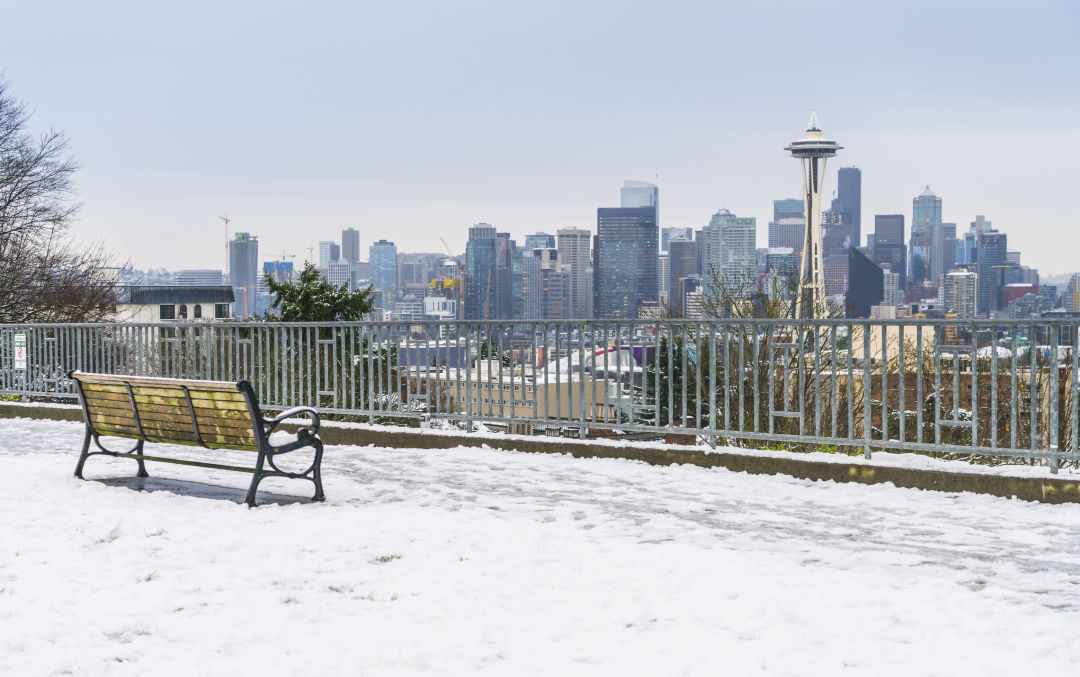
The notion of snow in Seattle is often met with a mixture of anticipation and skepticism. Many visitors arrive with visions of fluffy white blankets covering the cityscape, reminiscent of classic holiday movies. While this can certainly happen, it’s crucial to set realistic expectations. Seattle’s coastal location and its proximity to the Puget Sound create a microclimate that moderates temperatures, preventing prolonged periods of deep freeze that are conducive to heavy, persistent snow accumulation. Instead, the city often experiences a dance between rain, sleet, and fleeting snowfall.
Understanding Seattle’s Winter Climate
Seattle’s winter, typically spanning from December through February, is characterized by cool temperatures and frequent precipitation. However, the type of precipitation is highly dependent on the exact temperature. When temperatures hover just above freezing, rain is the dominant form. As temperatures dip closer to or below 32°F (0°C), the possibility of snow increases.
The key factor for significant snowfall in Seattle is the presence of cold air masses arriving from the interior of the continent, meeting with moisture from the Pacific Ocean. When these conditions align perfectly, the city can transform into a beautiful winter scene. However, these alignments are not a daily occurrence. More often, the snow that falls may melt quickly upon contact with warmer ground or streets, leaving behind slush or temporary dusting.
The Role of Elevation and Surroundings
It’s also important to consider that the elevation within and around Seattle can play a significant role. The city itself is relatively low-lying, but the surrounding areas, particularly the Olympic Mountains and the Cascade Range, receive considerably more snow. This means that while the downtown core might be experiencing rain, the nearby mountains are often blanketed in deep snow, offering fantastic opportunities for winter sports like skiing and snowboarding at resorts like Crystal Mountain or Stevens Pass. For those staying in hotels in the city, a short drive can transport them to a true winter wonderland.
When to Expect Snowfall in Seattle
While there’s no guaranteed week for snow, certain months are more prone to experiencing it than others.
December: A Hint of Winter Magic
December in Seattle often brings the first taste of winter. Temperatures begin to cool significantly, and the chances of seeing snow increase. While heavy snowfalls are rare this early in the season, light dustings are not uncommon, especially during colder snaps. The city often embraces the festive spirit, and a sprinkle of snow can add to the magical ambiance of holiday decorations adorning shops along Pike Place Market or the festive lights in neighborhoods. Many hotels and accommodations offer special winter packages, making it an attractive time to visit, even if snow is not guaranteed.
January: The Peak of Winter Possibilities
Statistically, January is often the coldest month in Seattle, and therefore, the month with the highest probability of snowfall. It’s during January that Seattle is most likely to experience more substantial snow events. These can range from a few inches that create a beautiful, albeit temporary, covering, to rare, more significant snowstorms that can disrupt daily life and offer a truly picturesque scene. Many residents and visitors alike look forward to these potential snow days, which can provide opportunities for unique city exploration, perhaps with a warm drink from a cafe like Storyville Coffee Pike Place in hand, while admiring the snow-dusted Pike Place Market.
February: Lingering Chances and Spring’s Approach
February still holds the potential for snowfall, although the chances begin to wane as the month progresses and the days lengthen. Colder air can still push into the region, bringing with it the possibility of snow showers. Sometimes, the most beautiful snowfalls occur in late February, catching many by surprise and offering a final burst of winter beauty before the transition to spring. If you’re planning a trip during this time, it’s wise to pack layers and be prepared for various weather conditions.

Factors Influencing Seattle Snowfall
Several meteorological and geographical factors contribute to the timing and intensity of snow events in Seattle. Understanding these can help paint a clearer picture of why snowfall can be so variable.
Pacific Storms and Cold Air Intrusion
The primary driver of precipitation in Seattle is the atmospheric river systems that sweep in from the Pacific Ocean. These storms bring abundant moisture. However, for this moisture to fall as snow, the atmospheric temperatures must be cold enough. This usually requires a push of frigid air from the continental interior of North America. When a moist Pacific storm encounters a dome of cold air at the right altitude, snowfall becomes a distinct possibility.
The “Rain Shadow” Effect and Topography
Seattle’s location in the “rain shadow” of the Olympic Mountains to its west plays a role. While the Olympics can wring out a significant amount of moisture from incoming storms, leaving the Seattle area drier than the coast, when the conditions are right, enough moisture still remains to produce precipitation. Furthermore, the city’s proximity to the Cascade Mountains to the east means that sometimes colder air can spill down from these higher elevations, enhancing the chances of snow. The varied topography of the region, from the lowlands of the city to the higher elevations of nearby mountain ranges, means that weather can differ dramatically within a short distance.
Climate Change and Variability
Like many places around the world, Seattle’s weather patterns are subject to the broader impacts of climate change. While it’s difficult to predict long-term snowfall trends with absolute certainty, some studies suggest a potential for fewer, but perhaps more intense, snowfall events in some regions. This means that while heavy snow may become less frequent, when it does occur, it could be more impactful. This variability underscores the importance of checking weather forecasts closer to your travel dates, especially if snow is a significant factor in your travel plans. Whether you’re booking a stay at a cozy boutique hotel in the Queen Anne neighborhood or a luxury resort near the waterfront, staying informed is key.
Preparing for a Snowy Visit to Seattle
If you’re planning a trip to Seattle with the hope of experiencing snow, or simply want to be prepared for its possibility, here are a few tips.
Packing for Winter Weather
The key to a comfortable visit during Seattle’s winter is layering. Pack waterproof and windproof outer layers, warm sweaters, thermal base layers, waterproof boots with good traction, gloves, and a hat. Even if heavy snow isn’t in the forecast, Seattle winters are cool and damp, so staying dry and warm is paramount. If you plan to venture into the nearby mountains for skiing or snowboarding, ensure you have appropriate outerwear and gear. Many hotels in the city can offer advice on local rental shops or transportation options.
Checking Forecasts and Transportation
Given the unpredictability of Seattle’s snow, it’s essential to keep a close eye on weather forecasts as your trip approaches. Websites and apps that provide detailed local weather information will be your best friend. If snow does fall, be aware that it can impact transportation. While Seattle’s public transit system is generally robust, heavy snowfall can lead to delays or cancellations. Driving can also be challenging, especially on hilly streets, so consider using ride-sharing services or public transport if conditions become difficult. Many accommodation providers, from budget-friendly apartments to high-end hotels, will have information on local transportation and weather advisories.
Embracing the Winter Charm
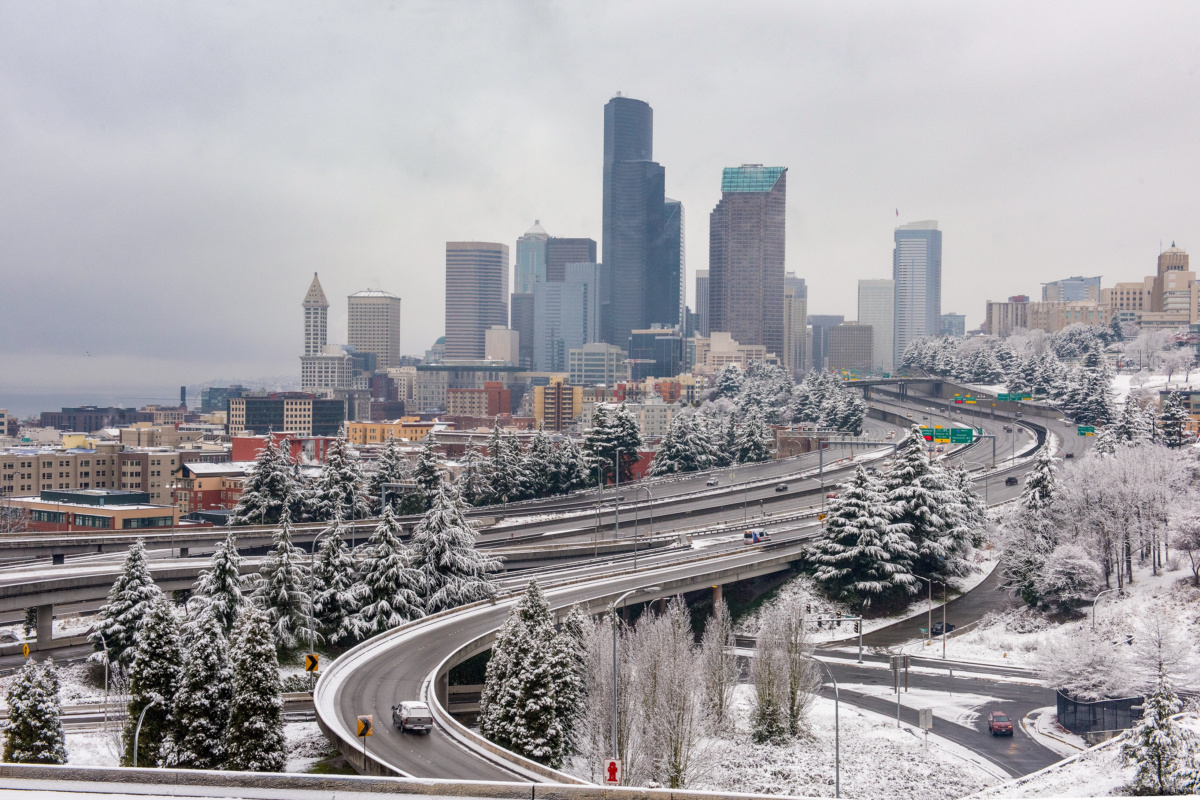
Even if Seattle doesn’t deliver a thick blanket of snow during your visit, its winter charm is undeniable. The city offers a wealth of indoor attractions, from world-class museums like the Museum of Pop Culture (MoPOP) and the Chihuly Garden and Glass, to cozy bookstores and vibrant culinary scenes. And if you are fortunate enough to witness a snowfall, it adds an extra layer of magic to an already captivating destination. Imagine sipping a hot chocolate from a cafe in Pioneer Square while watching the snow gently fall on the historic architecture, or enjoying a scenic view from your hotel room overlooking the city dusted in white. Seattle in winter, snow or no snow, offers a unique and memorable travel experience. Whether you are seeking adventure in the surrounding natural landscapes or a more relaxed urban exploration, the city has something to offer every traveler.
LifeOutOfTheBox is a participant in the Amazon Services LLC Associates Program, an affiliate advertising program designed to provide a means for sites to earn advertising fees by advertising and linking to Amazon.com. Amazon, the Amazon logo, AmazonSupply, and the AmazonSupply logo are trademarks of Amazon.com, Inc. or its affiliates. As an Amazon Associate we earn affiliate commissions from qualifying purchases.