
Montana, often referred to as the “Big Sky Country,” is a state synonymous with vast open spaces, majestic mountains, and a rugged wilderness spirit. While its natural beauty is undeniably its primary draw, the state is also home to a collection of vibrant cities that serve as essential cultural, economic, and recreational hubs. These urban centers, though modest in size compared to metropolitan giants elsewhere, offer unique experiences, rich histories, and crucial gateways to the surrounding natural wonders. For travelers seeking to explore the diverse facets of Montana, understanding its major cities is key to unlocking an unforgettable journey.
Montana’s Urban Heartbeat: An Overview
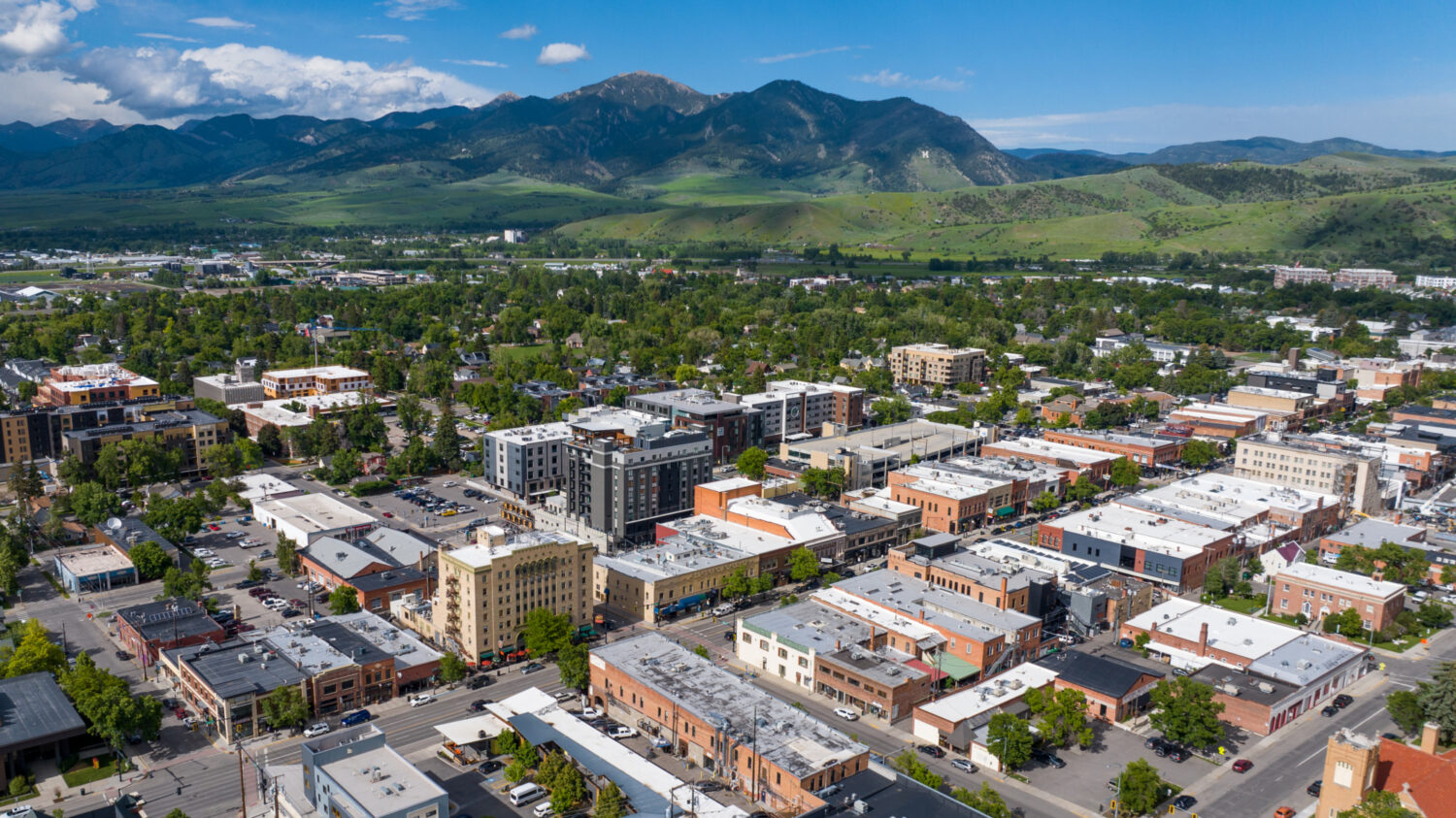
Far from sprawling concrete jungles, Montana’s cities embody a distinctive blend of frontier charm and modern amenities. They are communities deeply connected to their natural surroundings, where the rhythm of city life often harmonizes with the call of the wild. Each major city presents a unique character, shaped by its history, geography, and the pioneering spirit of its inhabitants.
The Allure of the Big Sky Country’s Cities
The appeal of Montana’s cities as travel destinations lies in their ability to offer a comfortable base for exploration without sacrificing the authentic Montana experience. They provide a spectrum of amenities, from fine dining and craft breweries to art galleries and historical museums, all while maintaining easy access to world-class outdoor recreation. Unlike many urban areas, these cities are often just a short drive from pristine rivers, hiking trails, ski resorts, and abundant wildlife. This juxtaposition of urban comfort and untamed wilderness makes them particularly attractive to travelers who appreciate both cultural engagement and adventurous pursuits.
Bridging Nature and Urbanity
The layout and lifestyle within Montana’s cities are testament to their close relationship with nature. Green spaces are plentiful, rivers often flow directly through downtown areas, and mountain vistas are a common backdrop. This integration means that even within city limits, visitors can often find opportunities for activities like river walks, urban fishing, or scenic drives. The cities serve as vital service centers, providing accommodation, dining, and supplies for those venturing into the backcountry, while also offering their own distinct attractions that celebrate the state’s heritage and contemporary culture.
Discovering the Gem Cities of Montana
Montana’s major cities each possess a unique identity, inviting travelers to experience different facets of the state. From the artistic enclave of Missoula to the historical capital of Helena, these destinations provide diverse entry points into the heart of Big Sky Country.
Missoula: The Cultural Hub
Nestled in western Montana, Missoula is often described as the state’s cultural capital, a vibrant university town with a distinctly liberal and artistic flair. Home to the University of Montana, the city pulsates with youthful energy and intellectual curiosity. Its downtown area, situated along the Clark Fork River, is a hub of activity featuring independent bookstores, unique boutiques, lively breweries, and diverse restaurants.
Travelers are drawn to Missoula for its lively arts scene, including live music venues, theaters, and numerous art galleries showcasing local and regional talent. The city hosts various festivals throughout the year, celebrating everything from film to folk music. Beyond its cultural offerings, Missoula is an outdoor enthusiast’s dream. The Clark Fork River offers excellent opportunities for fly fishing, kayaking, and tubing right within the city. Surrounding national forests provide endless trails for hiking and mountain biking, making Missoula an ideal base for exploring the rugged beauty of western Montana. Its proximity to both the Bitterroot Mountains and the Mission Mountains means stunning vistas are never far away.
Billings: Montana’s Largest City and Economic Engine
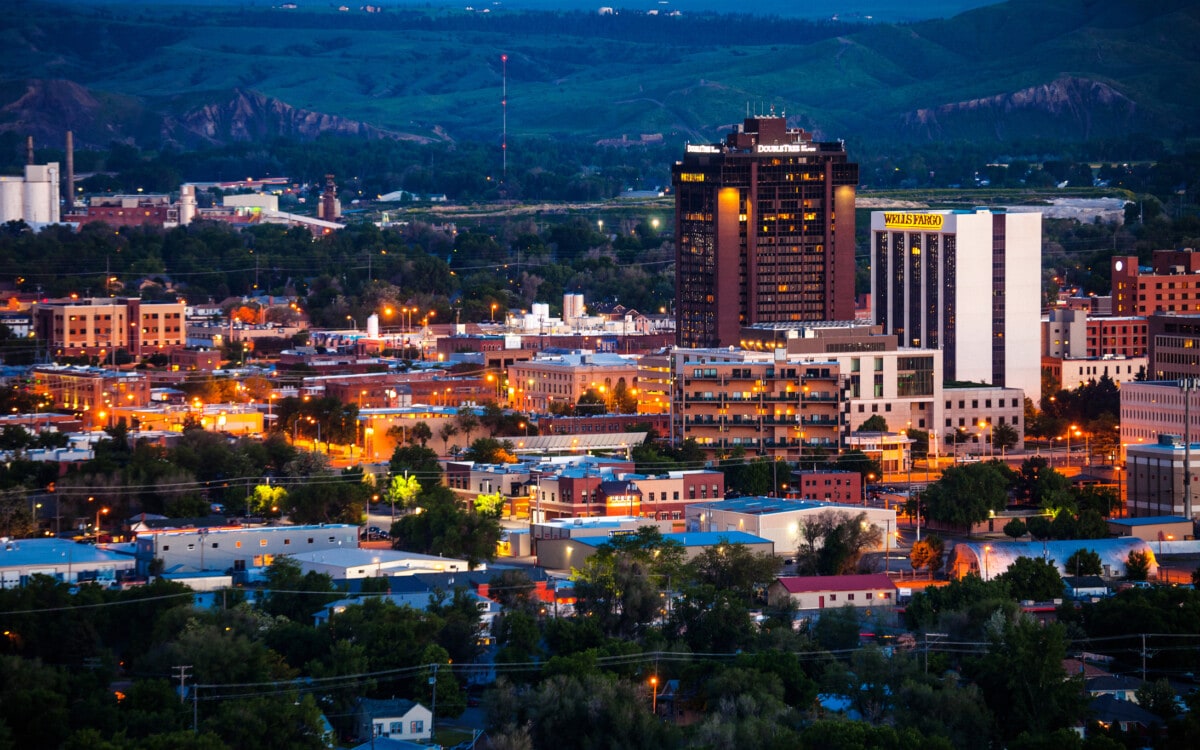
As the largest city in Montana, Billings stands as the state’s economic powerhouse, offering a more extensive range of services and amenities than other cities. Located in south-central Montana, it serves as a regional hub for commerce, healthcare, and transportation. Despite its commercial significance, Billings retains a strong sense of its frontier history, evident in its architecture and local museums.
Travelers visiting Billings will find a robust array of shopping, dining, and entertainment options. The city boasts a thriving craft brewery scene, with several breweries located along its “Brewery District” walkable trail. Historical sites, such as Pictograph Cave State Park, offer a glimpse into ancient human habitation, while the Yellowstone Art Museum provides a cultural anchor. Billings is also a gateway to significant natural and historical attractions, including the nearby Pompeys Pillar National Monument and the Little Bighorn Battlefield National Monument. Its strategic location makes it a convenient starting point for exploring the eastern half of Montana, offering a blend of urban convenience and access to expansive landscapes.
Bozeman: The Outdoor Enthusiast’s Paradise
Situated in the Gallatin Valley of southwestern Montana, Bozeman has rapidly grown into one of the state’s most popular and vibrant cities. Renowned as a gateway to Yellowstone National Park and surrounded by multiple mountain ranges, Bozeman is an undeniable magnet for outdoor enthusiasts. Its proximity to world-class skiing at Big Sky Resort and Bridger Bowl, along with endless opportunities for hiking, fly fishing, and mountain biking, defines its identity.
Bozeman’s energetic atmosphere is fueled by its outdoor lifestyle and the presence of Montana State University. The downtown area is charming, featuring historic brick buildings that house trendy boutiques, farm-to-table restaurants, and lively cafes. Travelers are drawn to Bozeman for its unique blend of adventure and sophistication. The Museum of the Rockies, affiliated with Montana State University, is a significant attraction, boasting impressive dinosaur exhibits and a planetarium. For those seeking active travel combined with cultural experiences, Bozeman offers an unparalleled destination, serving as an ideal base for exploring the region’s natural wonders while enjoying modern amenities and a thriving community spirit.

Great Falls: Gateway to Adventure and History
Positioned on the banks of the Missouri River in central Montana, Great Falls is a city steeped in the history of the Lewis and Clark Expedition and renowned for its magnificent waterfalls. The city derives its name from the series of five waterfalls on the Missouri River that Lewis and Clark famously portaged around. Today, Great Falls serves as a significant economic and cultural hub for central Montana, offering a unique blend of historical importance and modern recreation.
Travelers to Great Falls can explore the Lewis & Clark National Historic Trail Interpretive Center, which provides an immersive look into the expedition’s challenging journey through the area. The River’s Edge Trail, a paved multi-use pathway, follows the Missouri River through the city, offering stunning views of the falls and access to various parks, including Giant Springs State Park, one of the largest freshwater springs in the United States. Art and history enthusiasts will appreciate the C.M. Russell Museum, dedicated to the cowboy artist Charles M. Russell. Great Falls is an excellent destination for those interested in American history, natural beauty, and outdoor activities like fishing and boating on the vast Missouri River.
Helena: The Historic State Capital
Helena, the capital city of Montana, offers a captivating journey back in time, rooted in its rich gold rush history. Founded in 1864 after the discovery of gold in Last Chance Gulch, Helena quickly grew into one of the wealthiest cities in the nation. Today, its downtown area still preserves much of its Victorian-era charm, with historic buildings lining its pedestrian walking mall.
Visitors to Helena can explore the impressive State Capitol Building, an architectural marvel featuring a grand rotunda and stunning artwork, including a famous C.M. Russell mural. The magnificent Cathedral of Saint Helena, inspired by the great cathedrals of Europe, is another must-see landmark. History buffs will enjoy walking through the Last Chance Gulch area, where interpretive signs tell tales of the city’s boomtown past. Beyond its historical appeal, Helena is surrounded by the Helena National Forest, providing ample opportunities for hiking, mountain biking, and cross-country skiing. Its smaller size and central location make it an appealing destination for those seeking a tranquil yet historically rich urban experience combined with easy access to the Montana wilderness.
Beyond the City Limits: Exploring Surrounding Attractions
While Montana’s cities offer ample attractions, their true value as travel destinations often lies in their role as springboards to the state’s unparalleled natural wonders. The proximity of these urban centers to vast national parks and forests allows for seamless transitions from cultural exploration to wilderness adventure.
Proximity to National Parks and Forests
One of the greatest advantages of using Montana’s major cities as a base is their strategic location relative to some of America’s most iconic natural landscapes. Bozeman is famously close to the north entrance of Yellowstone National Park, making it an ideal starting point for exploring its geysers, hot springs, and abundant wildlife. Similarly, Missoula and Great Falls offer convenient access to the majestic peaks and glaciers of Glacier National Park and numerous national forests like the Flathead National Forest and Helena National Forest. These parks and forests provide limitless opportunities for hiking, camping, wildlife viewing, and scenic drives, enhancing the overall travel experience by combining urban comfort with raw natural beauty.
Unique Montana Experiences
Beyond the well-trodden paths of national parks, Montana’s surrounding landscapes offer a plethora of unique experiences accessible from its cities. Fly fishing on world-renowned rivers such as the Madison, Yellowstone, or Clark Fork is a quintessential Montana activity. Wildlife photography, guided horseback riding, and exploring ghost towns are other popular pursuits that can be easily arranged from any of the major cities. These experiences allow travelers to delve deeper into the authentic spirit of the Big Sky Country, making each city not just a point on the map, but a gateway to adventure.
Planning Your Montana Urban Adventure
Embarking on a journey to explore the major cities of Montana requires a degree of planning to maximize the experience. Considering the seasonal variations, transportation logistics, and local tips can significantly enhance a traveler’s visit to this remarkable state.
Best Time to Visit
The best time to visit Montana’s cities largely depends on the desired activities. Summer (June to August) is ideal for outdoor adventures, national park visits, and city festivals, offering warm days and long daylight hours. However, it is also the busiest season, requiring advance bookings for accommodation and popular tours. Spring (April to May) and Fall (September to October) offer milder weather, fewer crowds, and stunning seasonal foliage, making them excellent for hiking and enjoying the cities’ cultural offerings without the summer rush. Winter (November to March) transforms Montana into a snowy wonderland, perfect for skiing and snowboarding, with cities like Bozeman serving as prime bases for winter sports enthusiasts.
Transportation and Accessibility
While having a car provides the most flexibility for exploring Montana’s vast landscapes and accessing national parks from the cities, each major city has an airport offering regional and sometimes national connections. Rental cars are readily available at these airports. Within the cities, downtown areas are often walkable, and some have limited public transportation options. For longer distances between cities, scenic drives are part of the Montana experience, showcasing the state’s incredible beauty. Planning routes and accounting for travel times, especially in winter conditions, is essential.
Tips for an Enriching Stay
To make the most of your urban adventure in Montana, consider engaging with local businesses, from independent coffee shops to craft breweries. These establishments often reflect the unique character of each city. Embrace the outdoor culture by taking advantage of the numerous parks and trails available even within city limits. Finally, be prepared for diverse weather conditions; Montana’s climate can be unpredictable, making layered clothing a wise choice regardless of the season. By combining the comforts and cultural vibrancy of its cities with the awe-inspiring beauty of its natural surroundings, a trip to Montana promises an enriching and unforgettable travel experience.
LifeOutOfTheBox is a participant in the Amazon Services LLC Associates Program, an affiliate advertising program designed to provide a means for sites to earn advertising fees by advertising and linking to Amazon.com. Amazon, the Amazon logo, AmazonSupply, and the AmazonSupply logo are trademarks of Amazon.com, Inc. or its affiliates. As an Amazon Associate we earn affiliate commissions from qualifying purchases.