
When most people picture the Lone Star State, images of sprawling ranches, vast deserts, and perhaps even the rolling hills of the Texas Hill Country might come to mind. The idea of towering, snow-capped peaks often conjures up visions of the Rocky Mountains or the Alps. So, when the question arises, “Are there any mountains in Texas?”, the immediate, and perhaps stereotypical, answer might be a resounding “no.” However, like so many things about this enormous and diverse state, the reality is far more nuanced and surprisingly rewarding for those seeking elevation and breathtaking vistas.
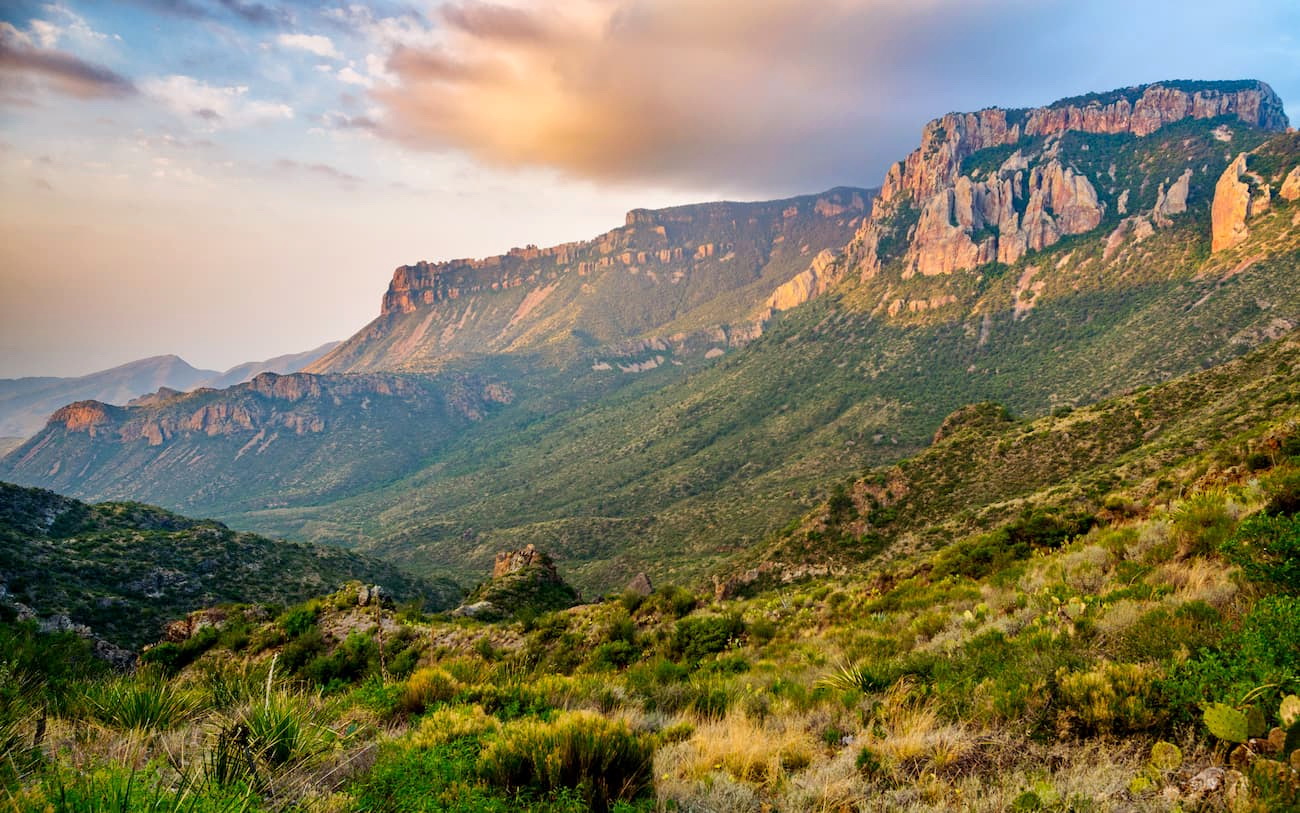
While Texas might not boast the dramatic, jagged ranges of some other continents, it absolutely does feature mountainous terrain, particularly in its westernmost regions. The geological story of Texas is a complex tapestry, woven with ancient tectonic activity, erosion, and the sheer scale of the land. The perception of Texas as exclusively flat is a misconception that overlooks the significant uplift and rugged landscapes that define its western frontier. For travelers and outdoor enthusiasts, understanding this geographical nuance opens up a world of exploration that goes far beyond the familiar flat plains.
The Majestic Guadalupe Mountains: Texas’s Crown Jewels
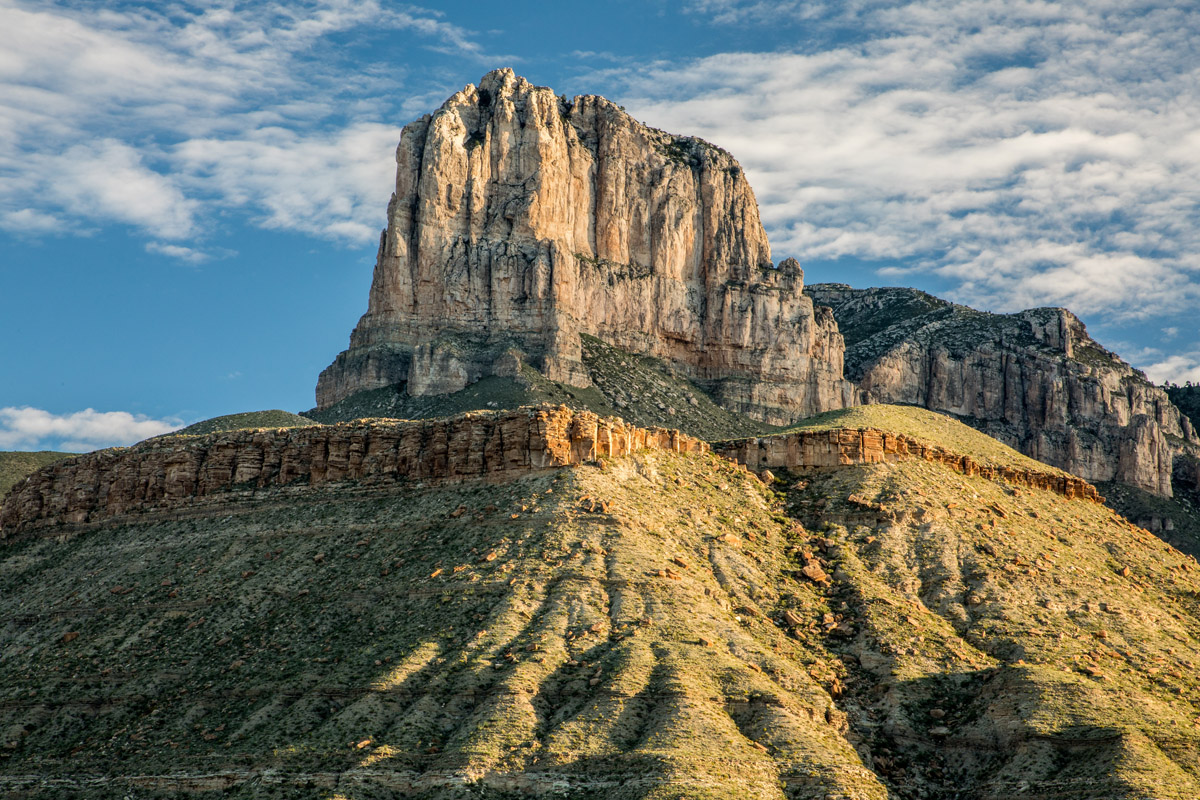
The undisputed titans of Texas topography are the Guadalupe Mountains. This majestic range, forming the southwesternmost extension of the Capitan Reef, an ancient fossilized coral reef that once bordered the Delaware Sea, is a geological marvel. The highest point in Texas, Guadalupe Peak, stands proudly at an elevation of 8,751 feet (2,667 meters) above sea level. This isn’t merely a large hill; it’s a bona fide mountain, offering challenging hikes and panoramic views that stretch for miles.
Guadalupe Mountains National Park: A Hiker’s Paradise
At the heart of this mountain range lies Guadalupe Mountains National Park. This protected area is a sanctuary for diverse ecosystems, from arid desert scrubland at lower elevations to pine and oak forests at higher altitudes. The park is a testament to the raw, untamed beauty of western Texas.
Hiking Trails and Natural Wonders
For the adventurous spirit, Guadalupe Mountains National Park offers a network of trails that cater to various skill levels. The most sought-after trek is undoubtedly the summit trail to Guadalupe Peak. This challenging, 8.4-mile roundtrip hike is a rewarding endeavor, testing hikers’ endurance with its steep ascents and rocky terrain. Reaching the peak, marked by a U.S. Geological Survey benchmark, is an accomplishment celebrated with unparalleled 360-degree views. On a clear day, one can see into New Mexico and even glimpse the vast expanse of the Chihuahuan Desert.
Another must-visit within the park is McKittrick Canyon. This lush, riparian oasis, particularly stunning in the fall when the maple and oak leaves turn brilliant shades of red and gold, offers a gentler hiking experience. Its dramatic cliffs and winding creek provide a stark contrast to the surrounding arid landscape, showcasing the surprising biodiversity that mountainous regions can support. The park also preserves significant historical sites, including remnants of the Butterfield Overland Mail route, adding a layer of historical intrigue to its natural splendor.
For those seeking a less strenuous but equally awe-inspiring experience, the viewpoints along the park’s scenic drive offer stunning vistas without the demanding climbs. These overlooks provide accessible ways to appreciate the grandeur of the Guadalupe Mountains.
Beyond Guadalupe: Other Elevated Territories
While the Guadalupe Mountains are the most prominent, they are not the only mountainous or high-elevation regions in Texas. The geological forces that shaped western Texas have created other areas of significant topographic interest.
The Davis Mountains: A Volcanic Legacy
To the south of the Guadalupe Mountains lies another significant mountain range: the Davis Mountains. This range is characterized by its volcanic origins, with ancient lava flows and eroded peaks forming a dramatic landscape. Unlike the sedimentary rock dominance of the Guadalupe Mountains, the Davis Mountains offer a different geological story, sculpted by fire and time.
The Davis Mountains State Park provides access to this captivating terrain. Here, visitors can explore hiking trails, enjoy scenic drives, and marvel at the unique flora and fauna adapted to this high-desert environment. The park’s centerpiece is Scenic Loop Drive, a 75-mile route that winds through the heart of the mountains, offering spectacular views of rugged peaks, deep canyons, and expansive skies.
One of the most iconic landmarks in the Davis Mountains is the McDonald Observatory. Perched atop Mount Locke, this world-renowned astronomical research facility offers public tours and stargazing programs, taking advantage of the region’s clear, dark skies. The observatory itself is an architectural marvel, and the experience of looking through powerful telescopes at celestial wonders is truly unforgettable. The surrounding Davis Mountains, with their elevated plains and rounded summits, provide a dramatic backdrop to this scientific endeavor.
Trans-Pecos Region: A Vast Highland
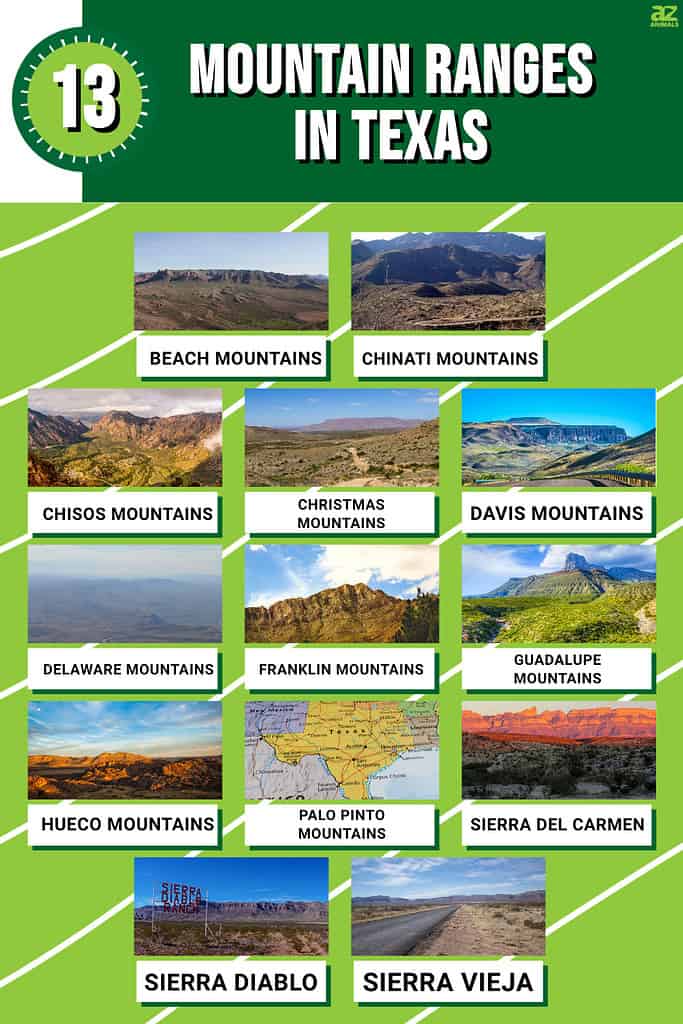
The broader Trans-Pecos region, encompassing the westernmost part of Texas, is characterized by its high desert, mountain ranges, and vast, open spaces. It is within this expansive territory that most of Texas‘s mountainous terrain is found. This area is a geologist’s dream, with a complex history of faulting, volcanic activity, and erosion that has created a diverse and rugged landscape.
The Chisos Mountains in Big Bend National Park are another notable mountain system within the Trans-Pecos. While technically part of the larger Sierra Madre Oriental mountain range that extends into Mexico, the Chisos Mountains rise dramatically from the desert floor, offering a unique and isolated mountain environment within Texas. Emory Peak, the highest point in the Chisos, reaches 7,507 feet, providing challenging hikes and incredible views of the park’s diverse ecosystems. Big Bend National Park itself is a UNESCO World Heritage site, celebrated for its dramatic desert scenery, the Rio Grande, and its remote, wild beauty.
Experiencing the Mountains of Texas: Travel and Accommodation
For those who discover the surprising mountainous nature of Texas, planning a trip involves considering travel logistics and accommodation options. The western reaches of the state, where these mountain ranges are located, are vast and often remote, requiring a bit of forethought.
Getting There and Getting Around
The most practical way to reach the Guadalupe Mountains and the Davis Mountains is by car. Major highways connect these regions to larger cities like El Paso and San Antonio, but once in the vicinity of the parks, well-maintained park roads and scenic drives are the primary means of exploration. Travelers should be prepared for long driving distances and the potential for limited services in more remote areas.
For those flying into the region, El Paso International Airport is the closest major airport to both Guadalupe Mountains National Park and Big Bend National Park. From El Paso, it’s a scenic, albeit lengthy, drive to the parks. Alternatively, smaller regional airports may serve specific towns, but car rental will still be essential.
Accommodation Options
When it comes to staying in or near these mountainous areas, visitors have a range of choices, from rustic to comfortable.
Within the Parks
Guadalupe Mountains National Park offers basic camping facilities, providing an immersive experience for those who want to sleep under the stars amidst the rugged beauty. Reservations are often recommended, especially during peak seasons. There are no hotels within Guadalupe Mountains National Park itself.
Davis Mountains State Park also features camping and Indian Lodge, a unique pueblo-style hotel built in the 1930s by the Civilian Conservation Corps. Indian Lodge offers a comfortable and historic stay, with rooms overlooking the park’s stunning landscape. Reservations for Indian Lodge are essential and should be made well in advance.
Big Bend National Park offers multiple campgrounds, including primitive backcountry sites for experienced hikers and campers, as well as more developed campgrounds with amenities. The Chisos Mountains Lodge, located in the heart of the Chisos Mountains, provides hotel accommodations with breathtaking views.
Nearby Towns and Cities
For travelers seeking more traditional hotel accommodations or a wider range of dining options, nearby towns offer viable alternatives. Fort Davis is a charming town close to Davis Mountains State Park and the McDonald Observatory, offering a selection of motels and bed and breakfasts. Marfa, a small but increasingly popular art destination, is also within driving distance of the Davis Mountains and offers a more eclectic range of boutique hotels and unique accommodations.
Further afield, but still accessible for day trips or as a base, is El Paso. This large city on the Mexican border provides a full spectrum of hotel options, from budget-friendly motels to luxury resorts and suites, alongside a vibrant culinary scene and numerous attractions for those who wish to extend their stay.
Conclusion: Texas’s Elevated Charm
So, to reiterate the initial question: are there any mountains in Texas? The answer is a definitive and enthusiastic yes. While they might not reach the dizzying heights of the Himalayas or the Andes, the Guadalupe Mountains, Davis Mountains, and Chisos Mountains offer genuine mountainous experiences, complete with challenging hikes, spectacular vistas, and unique geological and ecological wonders.
These elevated landscapes provide a compelling counterpoint to the flat stereotypes of Texas, revealing a state with remarkable geographical diversity. For the traveler seeking adventure, natural beauty, and a deeper understanding of the Lone Star State‘s varied topography, the mountains of Texas are a destination that promises to surprise and delight. Whether you’re aiming for the summit of Guadalupe Peak, exploring the volcanic landscapes of the Davis Mountains, or gazing at the stars from the McDonald Observatory, Texas‘s mountains offer an unforgettable journey into the wild heart of this extraordinary state. They are not just geographical features; they are invitations to explore, discover, and experience the elevated charm of Texas.
LifeOutOfTheBox is a participant in the Amazon Services LLC Associates Program, an affiliate advertising program designed to provide a means for sites to earn advertising fees by advertising and linking to Amazon.com. Amazon, the Amazon logo, AmazonSupply, and the AmazonSupply logo are trademarks of Amazon.com, Inc. or its affiliates. As an Amazon Associate we earn affiliate commissions from qualifying purchases.