
The majestic Maine Coon cat, renowned for its impressive size, luxuriant fur, and gentle disposition, holds a special place in the hearts of many cat enthusiasts. Often referred to as the “gentle giant” of the feline world, these magnificent creatures can reach staggering proportions, far exceeding the average domestic cat. This remarkable growth, however, begs a common question among their devoted owners: when do Maine Coon cats stop growing? Understanding the timeline and factors influencing their development is key to appreciating their unique journey from playful kitten to formidable adult.
While many cat breeds mature relatively quickly, reaching their full adult size within their first year, Maine Coons follow a distinctly different developmental path. Their growth is a prolonged and gradual process, often extending for several years. This extended maturation period is a significant part of what makes them so captivating, allowing owners to witness and cherish their gradual transformation. The journey is not just about physical size, but also about the development of their characteristic intelligence, their affectionate personalities, and the full richness of their dense, water-repellent coats.
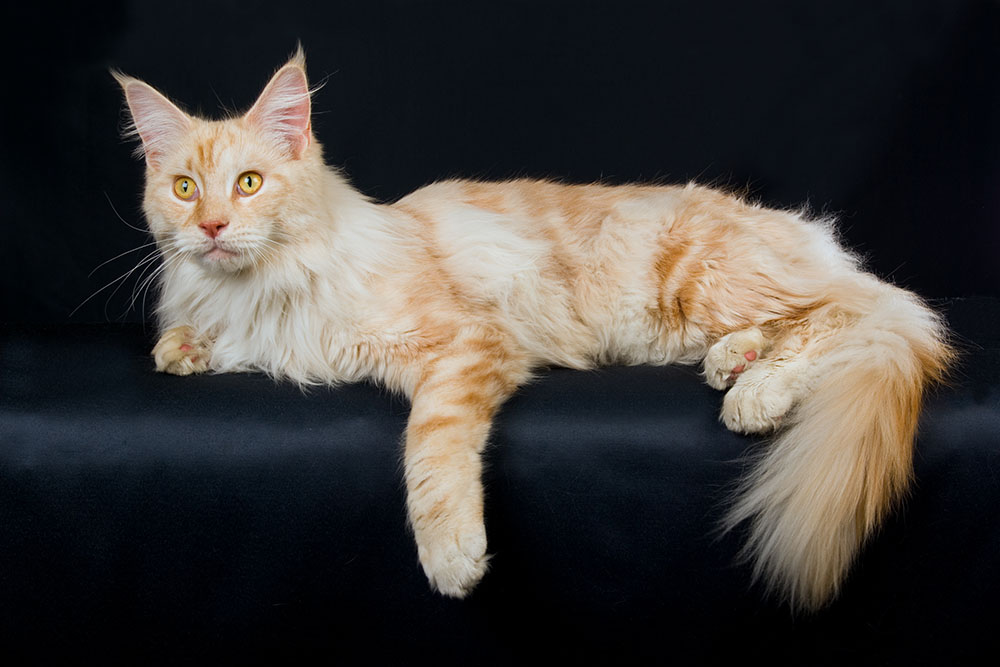
The Extended Growth Spurt: A Defining Maine Coon Trait
The most striking characteristic of the Maine Coon is undoubtedly its size. These cats are not only longer but also more muscular and heavier than most other domestic breeds. This impressive stature is not achieved overnight. Unlike breeds like the Siamese or Abyssinian, which might reach their full size by 12-18 months, Maine Coons continue to grow and develop significantly beyond their first birthday.
Kittenhood to Adolescence: Rapid Early Development
During their kittenhood, Maine Coons experience a period of rapid growth, much like other young cats. From birth, they gain weight and size at a noticeable pace. By six months of age, they will have already achieved a significant portion of their adult frame, appearing as large, robust kittens. However, this is just the beginning of their journey.
The transition from kitten to adolescent is marked by continued growth, albeit at a slightly slower rate than in the first few months. During this phase, their skeletal structure continues to lengthen and broaden, and their musculature develops further. This is a critical period for ensuring they receive adequate nutrition to support this ongoing development. Owners will observe their Maine Coon’s legs lengthening, their bodies becoming more elongated, and their heads developing into their characteristic broad, square muzzles. Even their paws, often described as “snowshoe-like” due to their size and tufted toes, will continue to expand.
The Long Road to Adulthood: The Prime of Growth
The true hallmark of Maine Coon growth is their extended adolescent and young adult phase. While many cats have settled into their adult size by 18 months, a Maine Coon is often still actively growing. This period, roughly from 18 months to three years of age, is when they achieve their most significant size gains. They will continue to fill out, gaining muscle mass and density, and their impressive length will reach its peak.
It is not uncommon for a male Maine Coon to continue growing until he is four or even five years old. Females, while generally slightly smaller than males, also follow this extended growth pattern, often reaching their full size by four years of age. This prolonged development is why many Maine Coons continue to have a somewhat kittenish demeanor and playful spirit even as they approach their adult size. Their substantial build, combined with their enduring playfulness, makes them truly unique companions.
This extended growth period is a crucial factor for prospective owners to consider. A Maine Coon is a long-term commitment, not just in terms of companionship but also in terms of their physical needs and the resources they require. Their substantial size means they will need ample space to move around, larger litter boxes, and robust scratching posts that can withstand their weight and strength. When considering a holiday destination with your feline friend, ensuring that accommodations, like a pet-friendly villa in the south of France or a spacious resort suite in the Scottish Highlands, can comfortably house a large cat is paramount. Similarly, when planning a city break to Kyoto, understanding the local pet policies for apartments or long-term stays is essential.
Factors Influencing Maine Coon Growth
While the genetic predisposition for slow and steady growth is inherent to the Maine Coon breed, several other factors can influence how large and how quickly they reach their full potential. These include nutrition, overall health, and genetics within the specific lineage.
The Crucial Role of Nutrition
Proper nutrition is paramount for a Maine Coon’s healthy development. During their extended growth phase, these cats have significant caloric and nutritional needs. A high-quality diet formulated for large breeds or active cats is essential. This diet should be rich in protein, which is vital for muscle development, and balanced with appropriate levels of fats, vitamins, and minerals.
Kittens and young adult Maine Coons require a diet that supports bone growth and joint health. Ingredients like glucosamine and chondroitin can be beneficial in supporting their developing joints, especially considering their size. Overfeeding should be avoided, as obesity can lead to health problems and can actually hinder proper skeletal development. Conversely, underfeeding or a diet lacking essential nutrients can stunt their growth and compromise their overall health.
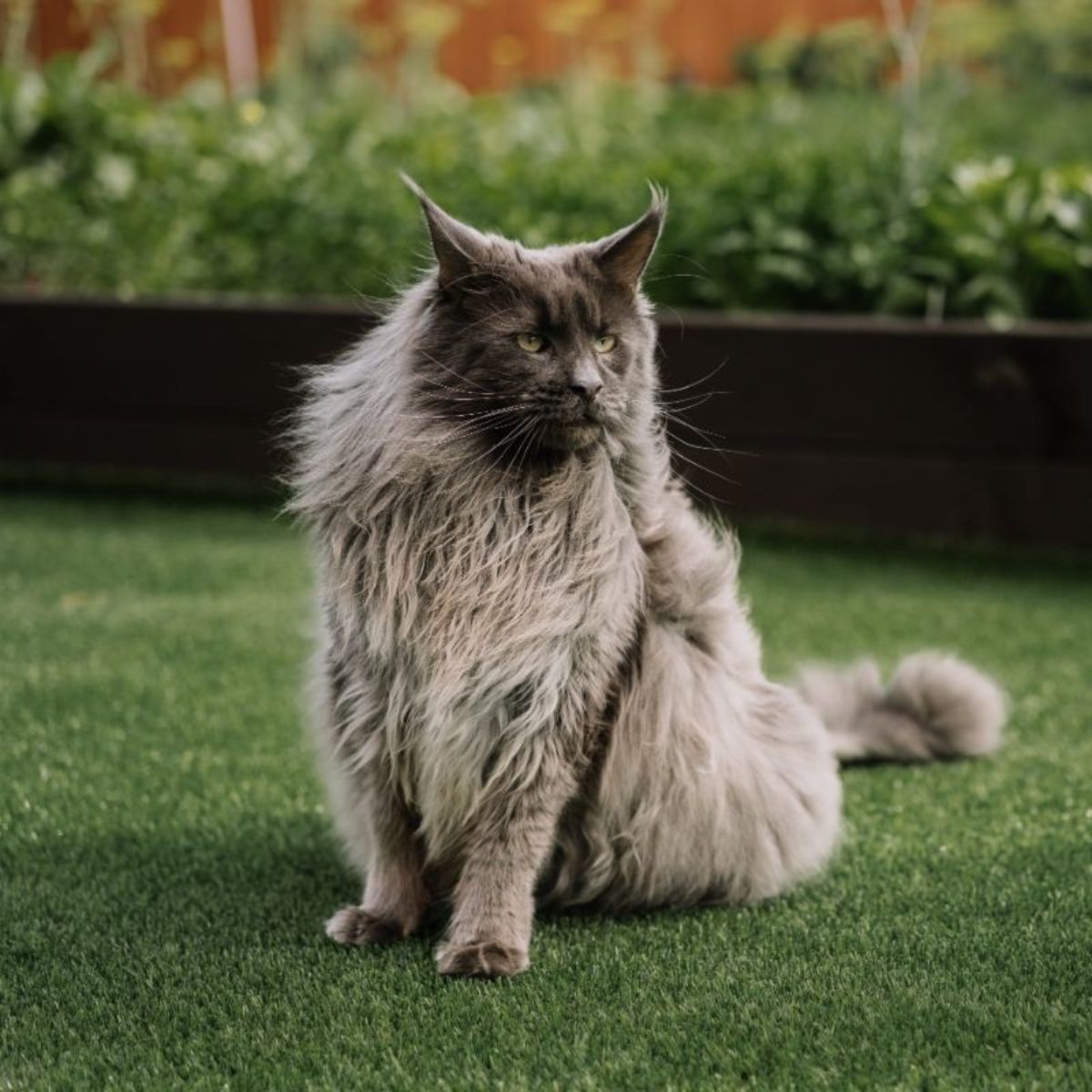
Owners should consult with their veterinarian to determine the best feeding regimen for their Maine Coon at different stages of their life. This might involve specific food brands, portion control, and supplementation if recommended. When traveling, finding suitable high-quality cat food can be a challenge, especially in more remote travel destinations. Planning ahead by researching local pet stores in cities like Singapore or Cape Town, or even packing a sufficient supply for shorter trips, is a wise precaution. Understanding local food availability is part of responsible pet ownership, especially when venturing far from home for a luxury travel experience or a budget-friendly family trip.
Genetics and Individual Variation
Just as with humans, individual genetics play a significant role in the size and growth rate of Maine Coon cats. While the breed standard outlines impressive dimensions, not every Maine Coon will reach the maximum size. Some cats may naturally be smaller or larger than average, and their growth patterns may vary slightly.
Lineage within breeding programs can also influence size. Some breeding lines may be selectively bred for larger size, while others may focus on other breed characteristics. It is important for prospective owners to inquire about the lineage of their kitten and to have realistic expectations. A responsible breeder will be able to provide information about the size of the parents and other relatives, giving an indication of the potential adult size of the kitten.
Furthermore, factors such as hormonal changes, reproductive status (spayed or neutered), and even environmental stressors can subtly influence growth. However, the fundamental genetic blueprint of the Maine Coon dictates their tendency towards a slower, more prolonged growth period. This genetic inheritance is a beautiful aspect of the breed, contributing to their unique character and imposing presence, much like the enduring architectural styles of famous landmarks like the Eiffel Tower or the natural wonders of Yellowstone National Park.
Health and Well-being
A healthy Maine Coon is a growing Maine Coon. Any underlying health issues, even seemingly minor ones, can affect a cat’s ability to absorb nutrients and grow at an optimal rate. Regular veterinary check-ups are crucial for ensuring that your Maine Coon is in good health and that any potential growth-related concerns are addressed promptly.
Parasites, for instance, can rob a young cat of essential nutrients, impacting their growth. Similarly, chronic illnesses or developmental abnormalities can affect their overall physical development. A diligent owner will monitor their cat for any signs of lethargy, changes in appetite, or physical anomalies that might indicate a health problem.
Ensuring a safe and stimulating environment also contributes to a cat’s well-being. While this is less directly tied to growth rate, a happy and secure cat is more likely to thrive. This includes providing them with appropriate play opportunities, socialization, and a comfortable living space, whether it’s a cozy apartment in Barcelona or a sprawling resort in Bali. Even when planning long-term stays in Dubai, ensuring a healthy environment for your Maine Coon is vital.
When Can You Expect Your Maine Coon to “Stop” Growing?
While the concept of “stopping” growth is a gradual process rather than an abrupt halt, owners can generally anticipate certain milestones.
The Transition to Maturity
By the age of one year, a Maine Coon is considered an adolescent. They will be large, but they will continue to fill out and gain muscle. Their growth plates will still be open, allowing for further skeletal development.
Between the ages of two and three years, most Maine Coons will have reached a significant portion of their adult weight and length. They will look more proportionate and less gangly than they did as adolescents. However, subtle growth and muscle development can still occur.

Approaching Full Size
For males, it is common for them to continue to gain a bit more mass and length until around four or five years of age. Females typically reach their maximum size a bit sooner, usually by four years. At this point, their growth will have slowed considerably, and they will have achieved their full, impressive adult stature.
It is important to remember that these are general timelines. Individual cats will vary, and some may reach their full size a little earlier or later. The key takeaway is that Maine Coons are slow-maturing cats, and their growth is a testament to their magnificent breed. Enjoying their development phase, from playful kitten to stately adult, is a rewarding experience for any Maine Coon owner. Whether you are planning a family trip to Orlando or a business stay in Tokyo, the love and companionship of your Maine Coon are constant, enriching every adventure. Their journey of growth mirrors the enriching experiences of travel and discovery – a continuous unfolding of wonder.
LifeOutOfTheBox is a participant in the Amazon Services LLC Associates Program, an affiliate advertising program designed to provide a means for sites to earn advertising fees by advertising and linking to Amazon.com. Amazon, the Amazon logo, AmazonSupply, and the AmazonSupply logo are trademarks of Amazon.com, Inc. or its affiliates. As an Amazon Associate we earn affiliate commissions from qualifying purchases.