
For many travelers planning a visit to the diverse landscapes of Texas, the thought of encountering a tarantula might evoke a mix of curiosity and apprehension. Rest assured, while these fascinating arachnids are indeed residents of the Lone Star State, understanding their presence, behavior, and habitat can significantly enhance a tourist’s appreciation of Texas’s natural environment. Far from being a widespread threat, tarantulas are an integral, albeit often misunderstood, part of the local ecosystem, offering a unique glimpse into the state’s vibrant biodiversity for the informed visitor.
This article delves into the world of Texas tarantulas from a tourism perspective, providing insights into where they reside, what to expect, and how to safely appreciate these creatures during your travels. Embracing the full spectrum of local wildlife is part of truly experiencing a destination, and with a little knowledge, a tarantula sighting can transform from a potential fright into a memorable, educational moment on your Texas adventure.

The Lone Star State’s Eight-Legged Residents
Texas’s vast and varied terrain, from its arid western regions to its central plains and coastal prairies, provides an ideal habitat for numerous species of invertebrates, including tarantulas. These large, hairy spiders are a natural part of the state’s fauna, often eliciting strong reactions due to their intimidating appearance. However, their role in the ecosystem is crucial, and their presence is more common than many visitors might imagine.
A Common Sight in the Texas Landscape
Yes, tarantulas are indeed present in Texas. They are not just found in remote, untouched wilderness but can occasionally be spotted in suburban areas, rural farmlands, and especially in natural parks and open spaces across much of the state. Their prevalence varies by region, with drier, less developed areas typically hosting higher populations. For tourists exploring the natural beauty of Texas, an encounter with a tarantula is a possibility, particularly during certain times of the year and in specific environments. Understanding this reality is the first step in a well-rounded tourist experience, allowing visitors to be prepared and observant rather than surprised.
Unveiling the Texas Brown Tarantula
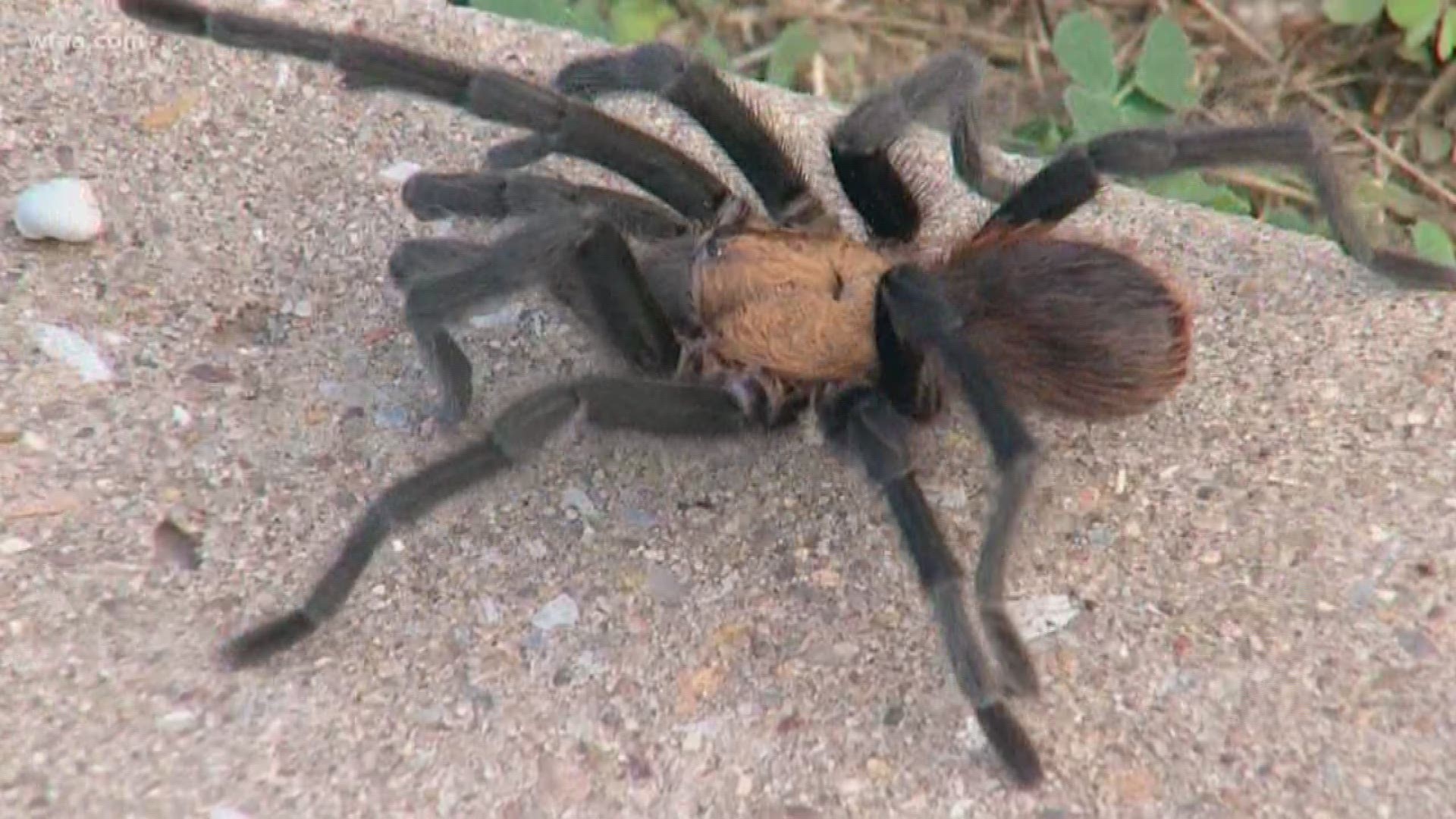
The most commonly encountered tarantula species in Texas is the Texas Brown Tarantula (Aphonopelma hentzi). These impressive arachnids are recognized by their dark brown to black coloration and the velvety hair covering their bodies and legs. They are among the larger tarantula species in North America, with leg spans often reaching up to five inches. While their size can be startling, especially for those unaccustomed to such large spiders, their behavior is generally quite docile. The Texas Brown Tarantula plays a vital role as a predator of insects and other small invertebrates, helping to maintain ecological balance. For tourists interested in wildlife photography or natural history, spotting one of these majestic spiders in its natural habitat can be a truly captivating experience, highlighting the unique biodiversity of Texas.
Where to Encounter Tarantulas in Texas
Tarantulas in Texas are not uniformly distributed; their presence is heavily influenced by factors such as climate, soil type, and vegetation. Knowing their preferred habitats and activity patterns can help tourists understand where and when they might cross paths with these fascinating creatures.
Preferred Habitats and Geographical Distribution
Tarantulas thrive in dry, arid to semi-arid environments, making much of central, west, and south Texas prime territory. They are burrowing spiders, preferring loose, well-drained soil where they can dig deep retreats to escape extreme temperatures and predators. Areas with sparse vegetation, grasslands, and rocky outcrops are common haunts.
- West Texas: Regions like the Chihuahuan Desert and areas around Big Bend National Park and Guadalupe Mountains National Park are particularly rich in tarantula populations. The open, rugged terrain and dry climate provide ideal conditions for their burrows. Hikers and campers in these national parks have a higher chance of encountering them.
- Central Texas: Away from the bustling city centers of Austin or San Antonio, the more rural areas and state parks often host healthy populations. Think of rolling hills and oak woodlands with scattered open fields.
- South Texas: The brush country and prairies of South Texas also support tarantulas, although sightings might be less frequent than in the western parts due to denser vegetation in some areas.
Tourists visiting natural reserves, hiking trails, or engaging in outdoor activities in these regions should keep an eye out, especially when walking near rocky areas or fields.
Seasonal Sightings and Activity Peaks
While tarantulas are present year-round, their activity peaks are quite predictable, aligning with specific seasons and life cycle events. The most common time for tourists to spot a tarantula is during late summer and early autumn, typically from late August through October. This period coincides with the mating season.
During the mating season, male tarantulas emerge from their burrows in large numbers and embark on extensive journeys in search of females. These “tarantula migrations” are what most people refer to when they talk about seeing multiple tarantulas. The males are more active during the day, making them easier to spot as they cross roads, fields, and hiking trails. Females, in contrast, tend to remain in or near their burrows, only emerging to hunt or lay eggs.
For tourists, this means that a late summer or early fall trip to rural or natural areas of Texas significantly increases the likelihood of a tarantula encounter. While such sightings are a unique aspect of Texas tourism, especially for nature enthusiasts, it’s also the time to be most vigilant, particularly when driving on country roads where tarantulas can sometimes be struck by vehicles.
Understanding Tarantula Behavior: A Tourist’s Guide
A key aspect of responsible tourism involves understanding the local wildlife and respecting its natural behavior. Tarantulas, despite their imposing appearance, are generally quite shy and non-aggressive. Familiarizing yourself with their typical demeanor can help alleviate any undue fear and promote a more respectful interaction should you encounter one.
Generally Docile, Not Aggressive
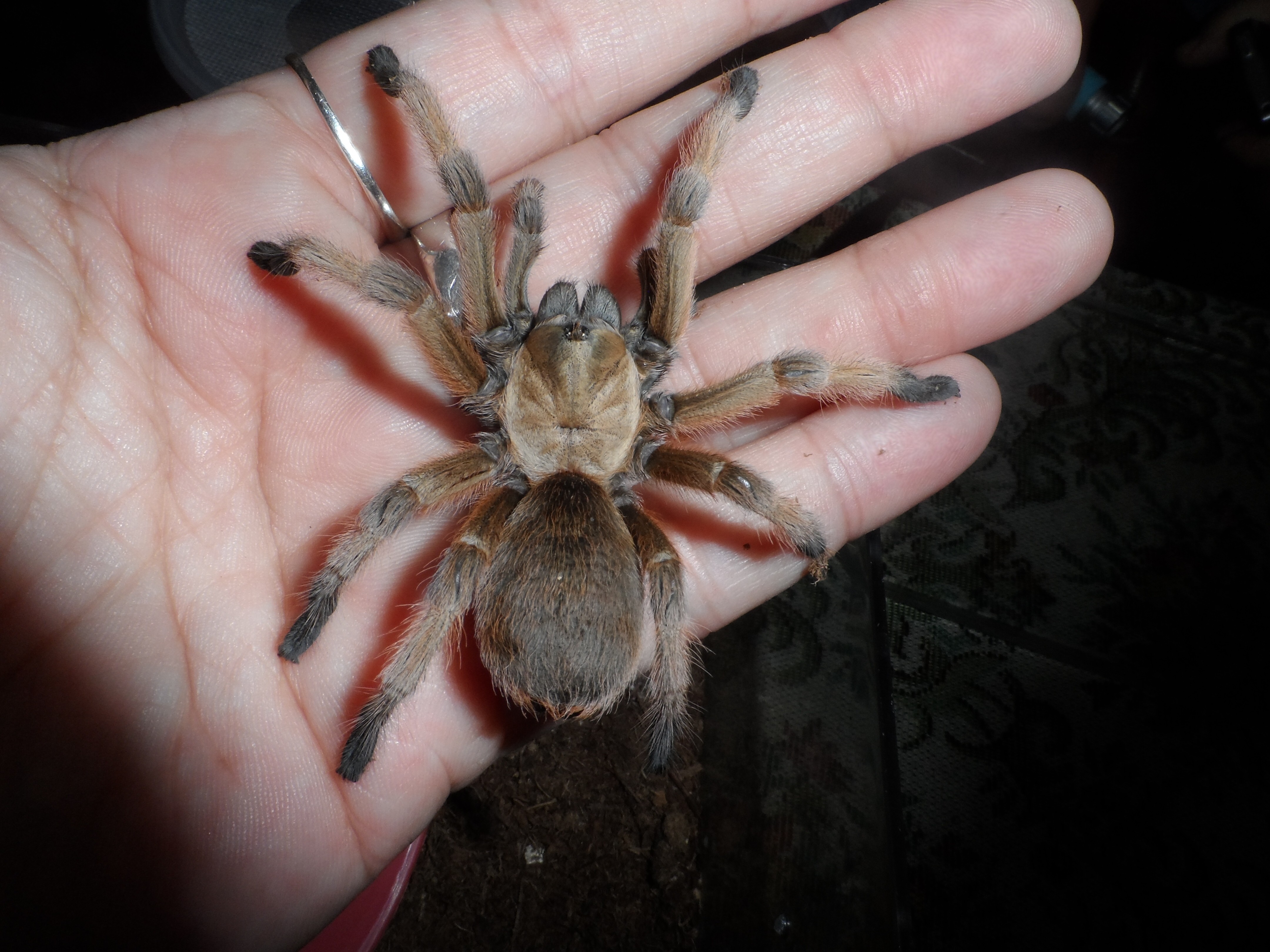
Contrary to popular belief fueled by dramatic cinematic portrayals, Texas tarantulas are not inherently aggressive creatures. Their primary instinct when threatened is to flee and hide. If escape is not possible, they have several defensive mechanisms, but biting is usually a last resort.
A tarantula’s first line of defense is often to rear up on its hind legs, displaying its fangs as a warning. Some species, including the Texas Brown Tarantula, also possess urticating hairs on their abdomen. When agitated, they can kick these barbed hairs towards a perceived threat. These hairs can cause irritation, itching, and rashes, similar to fiberglass, particularly if they get into the eyes or mucous membranes. For tourists, this means that while a tarantula might seem threatening, it is almost always acting defensively. Maintaining a respectful distance is the best way to avoid any defensive actions from the spider.
Nocturnal Habits and Defensive Mechanisms
Tarantulas are primarily nocturnal hunters. They spend their days hidden in their burrows, emerging at night to ambush passing prey like insects, small lizards, and rodents. This nocturnal lifestyle means that while daytime sightings occur, particularly with wandering males, the majority of their active hunting takes place under the cover of darkness. Tourists camping or staying in cabins in natural areas might occasionally spot them around outdoor lights, drawn by insects.
It’s important for visitors to remember that tarantulas are not seeking confrontation. Their venom, while present, is typically mild to humans, comparable to a bee sting, and rarely medically significant unless an individual has an allergic reaction. The larger concern from a bite would be secondary infection if not properly cleaned. As such, the best approach for tourists is to observe from a distance, never attempt to handle a tarantula, and appreciate its place in the ecosystem. Understanding these behaviors transforms a potentially frightening encounter into an educational one, aligning with responsible tourism practices.
Coexisting Safely with Texas Tarantulas
For tourists exploring the natural beauty of Texas, encountering wildlife, including tarantulas, is part of the authentic experience. However, safety should always be a priority. By following a few simple guidelines and dispelling common misconceptions, visitors can ensure a safe and enjoyable trip.
Essential Safety Tips for Visitors
While tarantulas are generally harmless if left undisturbed, it’s prudent for tourists to take basic precautions, especially when venturing into areas known for their presence.
- Look Before You Step or Reach: When hiking or walking in natural areas, pay attention to where you place your feet and hands. Tarantulas often hide under rocks, logs, or in burrows.
- Wear Appropriate Footwear: Closed-toe shoes, especially hiking boots, offer protection if you accidentally step near a burrow or an unseen tarantula.
- Do Not Handle: Never attempt to pick up or provoke a tarantula. This is when a bite or the release of urticating hairs is most likely to occur. Observe from a respectful distance.
- Check Gear and Clothing: If camping or staying in cabins in rural areas, check shoes, clothing, and gear left outdoors before putting them on or packing them away. Tarantulas might seek shelter in dark, quiet places.
- Educate Children: Teach children about respectful wildlife observation and the importance of not touching unfamiliar creatures.
- Drive Carefully: During late summer and early fall, male tarantulas are active on roads. Drive cautiously, especially on rural roads at dusk and dawn, to avoid hitting them.
Following these simple tips ensures that your interaction with Texas’s tarantulas remains a fascinating wildlife encounter rather than a cause for concern.
Debunking Common Tarantula Myths
Fear of tarantulas is often rooted in misinformation. For tourists, debunking common myths can significantly reduce anxiety and foster a more enlightened appreciation of these creatures.
- Myth 1: Tarantulas are deadly. As mentioned, Texas tarantula venom is mild and not considered dangerous to humans unless there’s an allergic reaction. They are not like venomous snakes or other truly dangerous wildlife.
- Myth 2: Tarantulas are aggressive and will chase you. This is entirely false. Tarantulas are shy and reclusive. Their instinct is to flee from humans, not pursue them. Any aggressive posture is purely defensive.
- Myth 3: Tarantulas jump and attack. While they can move surprisingly quickly, tarantulas do not jump long distances to attack. Their defensive displays involve rearing up and, if necessary, kicking hairs or biting.
- Myth 4: Tarantulas are pests that should be exterminated. Tarantulas are beneficial predators that help control insect populations. They are a natural and important part of the Texas ecosystem.
By understanding the facts, tourists can approach their Texas adventures with confidence, seeing tarantulas not as threats, but as intriguing components of the state’s natural heritage.
Tarantulas and Texas Tourism: An Ecological Perspective
Beyond simply avoiding perceived dangers, understanding the role of tarantulas in the Texas environment offers a deeper, more enriching tourism experience. Appreciating these creatures as vital components of the ecosystem aligns with principles of ecotourism and responsible travel.
Appreciating Wildlife in its Natural Habitat
For nature lovers, a trip to Texas offers a chance to observe a wide array of wildlife, and tarantulas are a part of that rich tapestry. Viewing a tarantula in its natural environment – perhaps a male traversing a dusty trail in search of a mate, or a female peeking from her burrow – can be a profound experience. It’s a reminder of the intricate balance of nature and the diversity of life that exists alongside human activity.
Many Texas Parks and Wildlife Department sites, state parks, and nature preserves are committed to conserving all local species, including tarantulas. For visitors who approach these encounters with curiosity and respect, it becomes an opportunity to connect with the wild heart of Texas, fostering a greater understanding and appreciation for the state’s natural heritage. This perspective enriches the overall tourism experience, moving beyond mere sightseeing to genuine ecological engagement.
Contributing to the Texas Ecosystem
Tarantulas are important predators in their ecosystems. By consuming a variety of insects, including agricultural pests, they contribute to the natural control of invertebrate populations. This role is crucial for maintaining the health and balance of grasslands, deserts, and other habitats across Texas. From an ecological tourism standpoint, recognizing the value of every species, even those perceived as less glamorous or even intimidating, is essential.
Encounters with tarantulas in Texas offer a unique chance for visitors to reflect on the importance of biodiversity and conservation. By respecting their space and understanding their habits, tourists actively contribute to their preservation and the health of the broader Texas environment. So, when you ask “Are there tarantulas in Texas?”, the answer is a resounding yes – and their presence is not just a fact, but an invitation to explore and appreciate the rich, wild character of this incredible state.
LifeOutOfTheBox is a participant in the Amazon Services LLC Associates Program, an affiliate advertising program designed to provide a means for sites to earn advertising fees by advertising and linking to Amazon.com. Amazon, the Amazon logo, AmazonSupply, and the AmazonSupply logo are trademarks of Amazon.com, Inc. or its affiliates. As an Amazon Associate we earn affiliate commissions from qualifying purchases.