
The sun-drenched islands of Hawaii, a sprawling archipelago in the heart of the Pacific Ocean, evoke images of pristine beaches, vibrant coral reefs, and lush volcanic landscapes. For many, it’s a dream destination, a place synonymous with tropical paradise and unparalleled beauty. But beyond its allure as a premier travel spot, Hawaii holds a unique and significant place in the United States. Its journey from an independent kingdom to the 50th state is a fascinating narrative of international relations, political maneuvering, and ultimately, a profound shift in its destiny.
Understanding why Hawaii is a state requires delving into its rich history, exploring its distinct cultural heritage, and examining the complex geopolitical events that shaped its modern identity. This isn’t just a question of geography; it’s a story about sovereignty, influence, and the aspirations of a people.
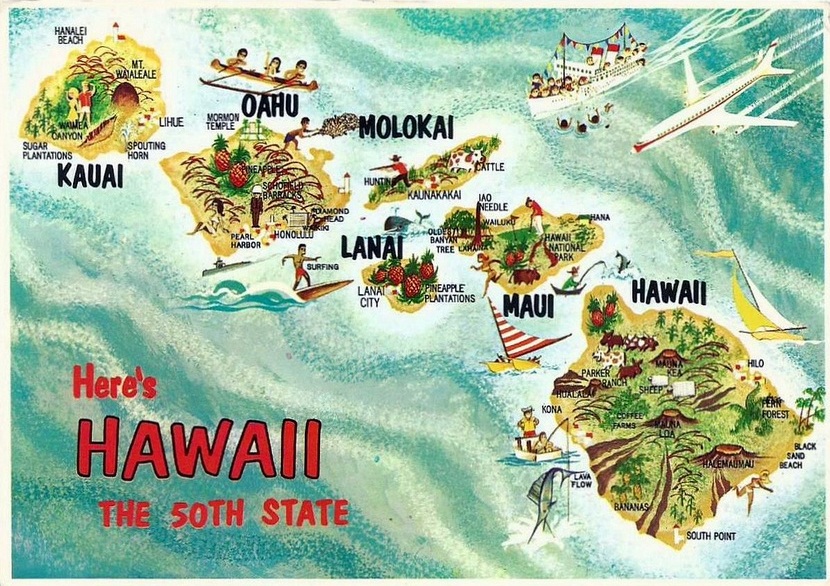
The Kingdom of Hawaii: A Sovereign Nation
Before its eventual statehood, Hawaii existed as a sovereign and independent nation. For centuries, the Hawaiian Islands were ruled by native monarchs, who fostered a unique and rich Polynesian culture. This kingdom was recognized by several major global powers, including the United States, Great Britain, and France, establishing diplomatic relations and trade.
The Kingdom of Hawaii developed its own constitution and legal system, and its rulers, such as King Kamehameha I, who unified the islands, and later monarchs like Queen Liliuokalani, navigated the complex world of international politics. The Hawaiians were proud of their independence and their ability to maintain their cultural integrity despite growing external pressures.
Early Encounters and Growing American Influence
The arrival of European explorers, beginning with Captain James Cook in 1778, marked the beginning of significant external influence on the Hawaiian Islands. Over time, American missionaries, traders, and businessmen began to establish a strong presence. These individuals were drawn by the islands’ strategic location, fertile land, and burgeoning agricultural industries, particularly sugar cane.
While initially welcomed, the increasing economic power of these American settlers gradually began to challenge the authority of the Hawaiian monarchy. They advocated for policies that favored their business interests, leading to growing friction between the foreign business community and the Hawaiian government. The United States, meanwhile, viewed Hawaii with increasing strategic interest, recognizing its importance for trade and naval operations in the Pacific.
The Overthrow and the Republic of Hawaii
The late 19th century witnessed a pivotal moment in Hawaii’s history: the overthrow of the Hawaiian monarchy. In 1893, a group of American and European businessmen, with the backing of the U.S. Marines, forcibly deposed Queen Liliuokalani. This act, widely considered illegal and unconstitutional by many, led to the establishment of the Provisional Government of Hawaii, which was soon replaced by the Republic of Hawaii.
This period was marked by intense debate and internal division. While many Native Hawaiians opposed the overthrow and the loss of their sovereignty, the new republic, heavily influenced by American interests, began to push for annexation by the United States. The strategic value of Hawaii as a coaling station and naval base, especially in the context of expanding American influence in the Pacific, became a significant factor in U.S. policy discussions.
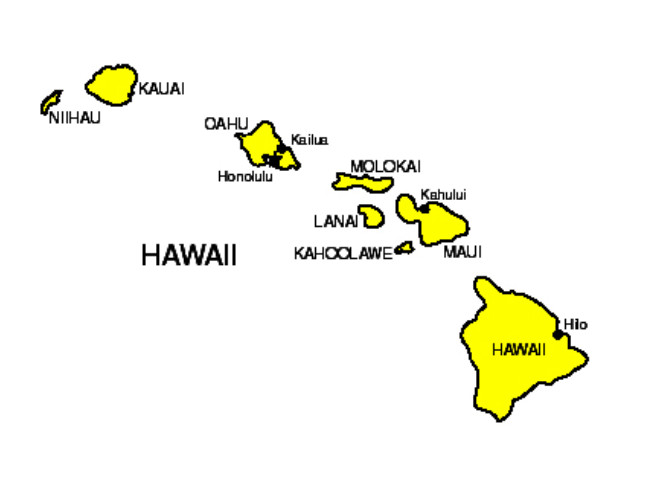
The Annexation Debate and World War I
The push for annexation was not without controversy. There were strong voices within the United States who opposed it, citing the illegality of the overthrow and the will of the Hawaiian people. However, the outbreak of the Spanish-American War in 1898 dramatically shifted the geopolitical landscape. Hawaii’s strategic importance as a mid-Pacific outpost became undeniable, particularly for projecting power towards the Philippines.
In 1898, amidst the fervor of the war, the United States annexed Hawaii through the Newlands Resolution, effectively ending Hawaii’s period as an independent republic. This annexation was a crucial step towards statehood, transforming Hawaii into a U.S. territory. As a territory, Hawaii was under U.S. jurisdiction but did not have the same representation or rights as a state. The Hawaiian people, particularly Native Hawaiians, continued to advocate for their rights and self-determination.
The Path to Statehood: A Long and Winding Road
Becoming the 50th state was a protracted process that unfolded over several decades. After annexation, Hawaii operated as a U.S. territory, developing its infrastructure, economy, and political institutions under American governance. Despite its territorial status, Hawaii contributed significantly to the United States, particularly during times of conflict.
Contributions During World War II and the Cold War
The attack on Pearl Harbor in 1941, a devastating surprise military strike by the Imperial Japanese Navy Air Service on the U.S. naval base near Honolulu, Hawaii, thrust Hawaii into the global spotlight and directly into World War II. This event solidified Hawaii’s strategic importance for the United States and led to its militarization. Hawaii became a crucial staging ground for American forces in the Pacific theater.
Following World War II, Hawaii’s strategic value continued to grow, especially during the Cold War. Its location was vital for monitoring Soviet activities and projecting American power. The growing economic ties and the increasing diversity of its population, with significant contributions from Asian and Pacific Islander communities, further strengthened the arguments for statehood.
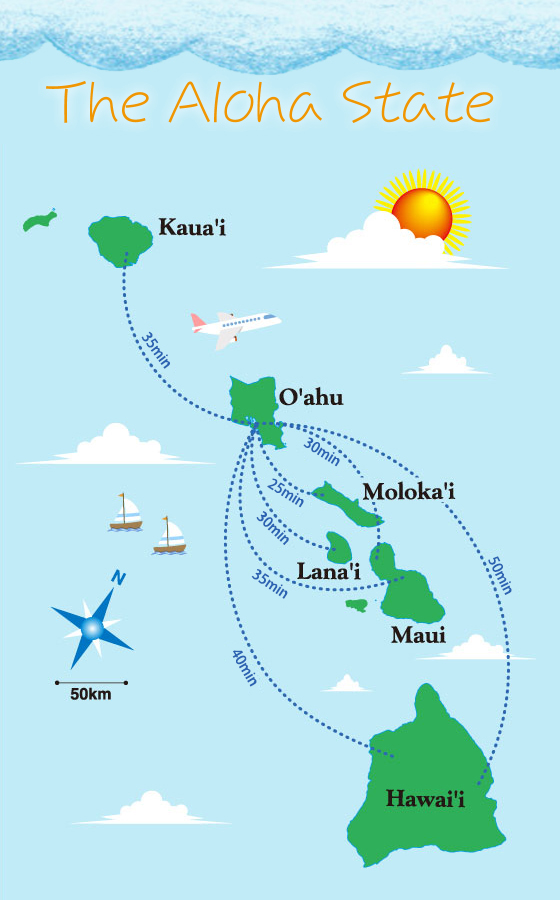
The Final Push for Statehood
By the mid-20th century, the desire for statehood had gained significant momentum. Hawaiian residents, many of whom were American citizens, felt they deserved full political representation and the rights afforded to citizens of a state. They had paid taxes, served in the U.S. military, and contributed to the nation’s economy and culture.
The United States Congress debated Hawaii’s statehood for years, facing various political and racial considerations. However, by the late 1950s, the momentum for statehood became irresistible. The passage of the Hawaii Admission Act in 1959 by the U.S. Congress paved the way for Hawaii to officially become a state.
On August 21, 1959, Hawaii was proclaimed the 50th state of the United States of America. This marked the culmination of a long and complex historical journey, transforming the islands from a sovereign kingdom to a U.S. territory, and finally, to an integral part of the nation. The vote for statehood in Hawaii itself was overwhelmingly in favor, reflecting a desire for full integration and representation within the United States.
Today, Hawaii is celebrated not only for its breathtaking natural beauty and vibrant tourism industry, offering everything from luxury resorts and beachside villas to adventurous activities and immersive cultural experiences, but also as a unique American state with a rich and distinct heritage. Its history as a state is a testament to the power of self-determination, the complexities of international relations, and the enduring spirit of the Hawaiian people. The journey to statehood is a crucial part of understanding the identity and significance of this remarkable island paradise.
LifeOutOfTheBox is a participant in the Amazon Services LLC Associates Program, an affiliate advertising program designed to provide a means for sites to earn advertising fees by advertising and linking to Amazon.com. Amazon, the Amazon logo, AmazonSupply, and the AmazonSupply logo are trademarks of Amazon.com, Inc. or its affiliates. As an Amazon Associate we earn affiliate commissions from qualifying purchases.