
Navigating the vast and diverse landscapes of Texas on a motorcycle offers an unparalleled sense of freedom and adventure. From the rolling hills of the Texas Hill Country to the vibrant streets of Austin and the expansive highways leading to Big Bend National Park, the Lone Star State presents a myriad of opportunities for two-wheeled exploration. However, for motorcyclists, a crucial question arises when considering travel within Texas: is lane splitting, the practice of filtering between lanes of slow-moving or stopped traffic, legal? This article delves into the specifics of motorcycle lane splitting laws in Texas, offering clarity for riders and insight for anyone interested in motorcycle travel and safety across the state.
Understanding Lane Splitting: A Global Perspective
Lane splitting, also known as filtering or lane sharing, is a practice observed in many parts of the world, particularly in regions with dense traffic congestion. The core idea is to allow motorcyclists to safely maneuver between lanes of vehicles, typically at lower speeds, to bypass gridlock. Proponents argue that lane splitting can reduce rider exposure to idling traffic, decrease overall congestion by moving motorcycles out of the main flow, and potentially reduce the incidence of rear-end collisions for motorcyclists. However, it’s a practice that has generated considerable debate and varies significantly in its legal status from one jurisdiction to another.
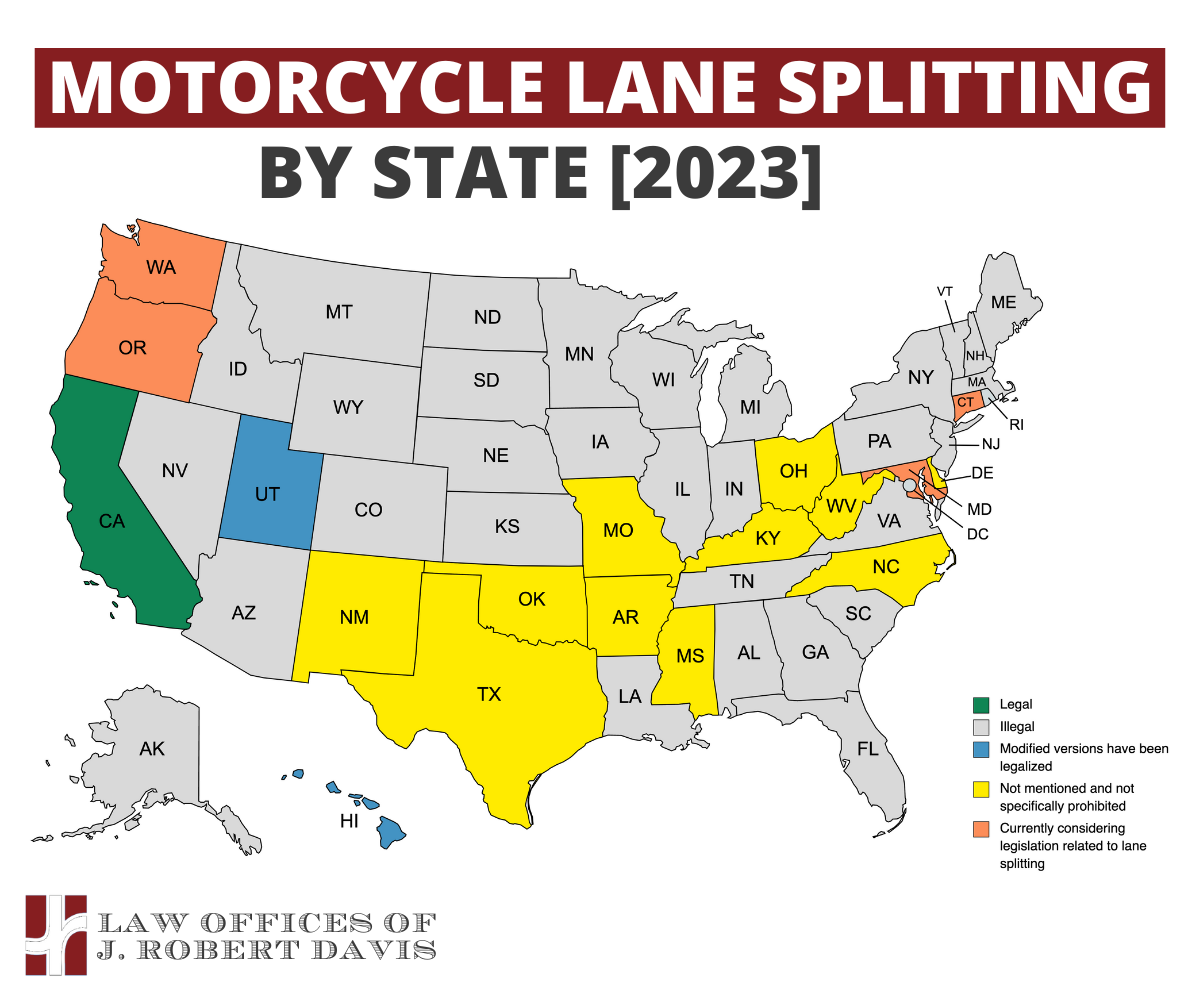
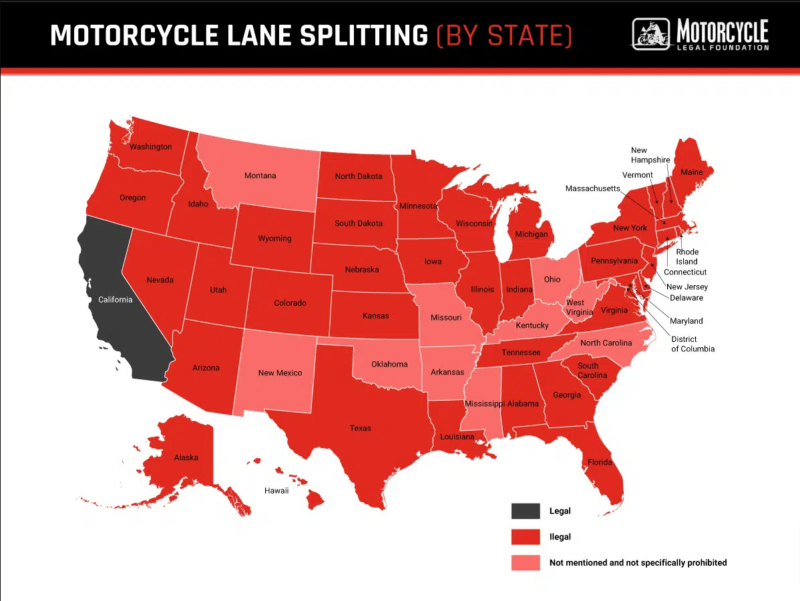
In some countries, like France and Italy, lane splitting is a widely accepted and often legal maneuver. In the United States, the legal landscape is much more fragmented. While some states have legalized lane splitting, or at least a form of it, many others have explicit laws prohibiting it, classifying it as unsafe or illegal. The differing legal interpretations are often rooted in concerns about safety, rider skill, and the potential for conflict with other motorists. The discussion around lane splitting in Texas is part of this broader national conversation.
The Evolution of Lane Splitting Laws in the United States
The legal status of lane splitting in the United States has seen a gradual evolution. For many years, it was universally considered illegal or not explicitly permitted, leading to confusion and potential citations for riders. However, as more research emerged and advocacy groups pushed for change, some states began to re-evaluate their stances.
A significant shift occurred in California, which in 2016 passed legislation that allowed lane splitting under specific conditions. This landmark decision was based on studies suggesting that when performed safely, lane splitting could actually reduce the risk of injury for motorcyclists in congested traffic. Following California’s lead, other states have begun to explore similar legal frameworks, though the pace of change has been slow and often met with resistance.
Currently, a few states, such as Utah and Oklahoma, have enacted laws that permit lane splitting under certain circumstances, often with strict guidelines regarding speed differentials and road conditions. In contrast, many states maintain outright bans, focusing on a more traditional approach to traffic management. This patchwork of laws necessitates that motorcyclists are well-informed about the specific regulations in each state they plan to ride in, especially when undertaking a multi-state tour or planning a vacation to a new destination. For those looking to experience the scenic routes of Texas, understanding the specific legal nuances is paramount.
Lane Splitting in Texas: The Current Legal Landscape
When it comes to Texas, the answer to “Can motorcycles split lanes in Texas?” is a clear and definitive no. As of the latest legislative updates, lane splitting, defined as operating a motorcycle between two lanes of moving traffic, is illegal in the state of Texas. This prohibition is not a matter of interpretation or a gray area; it is explicitly forbidden by state law.
The Texas Transportation Code does not contain provisions that permit motorcyclists to filter through traffic. Instead, it mandates that all vehicles, including motorcycles, must operate within a single lane. Attempting to split lanes in Texas can result in traffic citations, fines, and potentially more serious legal consequences, depending on the circumstances and the discretion of law enforcement officers.
Why is Lane Splitting Illegal in Texas?

The primary reasons cited for the prohibition of lane splitting in Texas, and indeed in many other states, revolve around safety concerns. Lawmakers and law enforcement officials often express apprehension about the potential for accidents that could arise from motorcyclists weaving between vehicles.
- Visibility and Awareness: Drivers of cars and trucks may not anticipate or be looking for motorcycles filtering between lanes. This lack of awareness can lead to sudden lane changes or other maneuvers that put the motorcyclist at risk.
- Unpredictability: The speed differential between a motorcycle moving through stopped or slow traffic and the surrounding vehicles can create unpredictable situations. A sudden acceleration or deceleration by either party could result in a collision.
- Road Conditions: Texas roads, especially in its major urban centers like Houston and Dallas, can be unpredictable. Potholes, debris, or uneven surfaces can pose significant hazards for a motorcyclist, and navigating these while also managing traffic in adjacent lanes increases the risk.
- Legal Precedent and Rider Behavior: The prevailing legal framework in Texas has historically emphasized keeping all vehicles within their designated lanes. Allowing lane splitting would require a significant shift in both the law and driver expectations. Furthermore, concerns exist about how riders might interpret and implement lane splitting, with fears that without strict regulations and comprehensive rider education, the practice could be executed unsafely.
The Texas Department of Public Safety, along with motorcycle safety organizations, consistently emphasizes safe riding practices. These typically include maintaining a safe following distance, being highly visible, and adhering to all traffic laws, which, in Texas, means staying within a single lane.
Safe Motorcycle Practices in Texas
While lane splitting is not an option for motorcyclists in Texas, there are numerous ways to ensure a safe and enjoyable riding experience across the state. Adhering to traffic laws, practicing defensive riding, and understanding the unique challenges of Texas roads are key.
For those planning motorcycle tours that might include destinations like the historic Alamo in San Antonio or the vibrant arts scene in Fort Worth, prioritizing safety is paramount. This means being extra vigilant in urban areas where traffic congestion is common. Instead of filtering, riders should patiently wait in traffic, maintaining a safe buffer zone around their motorcycle.
Defensive Riding and Visibility
Defensive riding is a proactive approach to motorcycling that emphasizes anticipating potential hazards and taking steps to avoid them. This includes:
- Maintaining Space: Always leave ample space between your motorcycle and the vehicles ahead, beside, and behind you. This buffer zone provides critical reaction time in case of sudden stops or unexpected maneuvers by other drivers.
- Being Seen: Motorcyclists are less visible than larger vehicles. Wearing brightly colored gear, using headlights at all times, and positioning yourself in a lane where you are more likely to be seen by other drivers can significantly enhance your safety. Avoid riding in blind spots.
- Scanning the Environment: Continuously scan your surroundings for potential hazards, such as debris on the road, potholes, oil slicks, or drivers exhibiting inattentive behavior.
- Predicting Traffic: Try to anticipate the actions of other drivers. Look for signs of distraction, such as drivers looking at their phones, or vehicles that might be about to make sudden movements.
Planning Your Route and Understanding Traffic
When exploring Texas, whether you’re heading for the Gulf Coast near Galveston or venturing into the West Texas plains, understanding the typical traffic patterns for your intended route is beneficial. Major highways and urban arteries can experience significant congestion, particularly during peak hours.
- Utilize Navigation Apps: While you cannot lane split, navigation apps can help you identify areas of heavy traffic congestion and potentially suggest alternative routes or times to travel that might minimize your exposure to gridlock.
- Research Local Conditions: Before embarking on a longer ride, especially if it involves navigating unfamiliar cities, research local traffic advisories or common congestion points. Websites and apps dedicated to traffic information can be invaluable.
- Respect Traffic Laws: The most crucial aspect of safe riding in Texas is to fully comply with all traffic laws. This includes obeying speed limits, signaling all turns and lane changes, and most importantly, staying within your lane.
For those who enjoy luxury travel or budget-friendly adventures, Texas offers diverse accommodation options, from the opulent suites at resorts in San Antonio to charming bed and breakfasts in the Texas Hill Country. Regardless of your travel style, prioritizing safe motorcycle operation will ensure you can fully enjoy the rich tapestry of experiences Texas has to offer. Remember, while the freedom of the open road is alluring, safety must always be the rider’s foremost consideration.
LifeOutOfTheBox is a participant in the Amazon Services LLC Associates Program, an affiliate advertising program designed to provide a means for sites to earn advertising fees by advertising and linking to Amazon.com. Amazon, the Amazon logo, AmazonSupply, and the AmazonSupply logo are trademarks of Amazon.com, Inc. or its affiliates. As an Amazon Associate we earn affiliate commissions from qualifying purchases.