
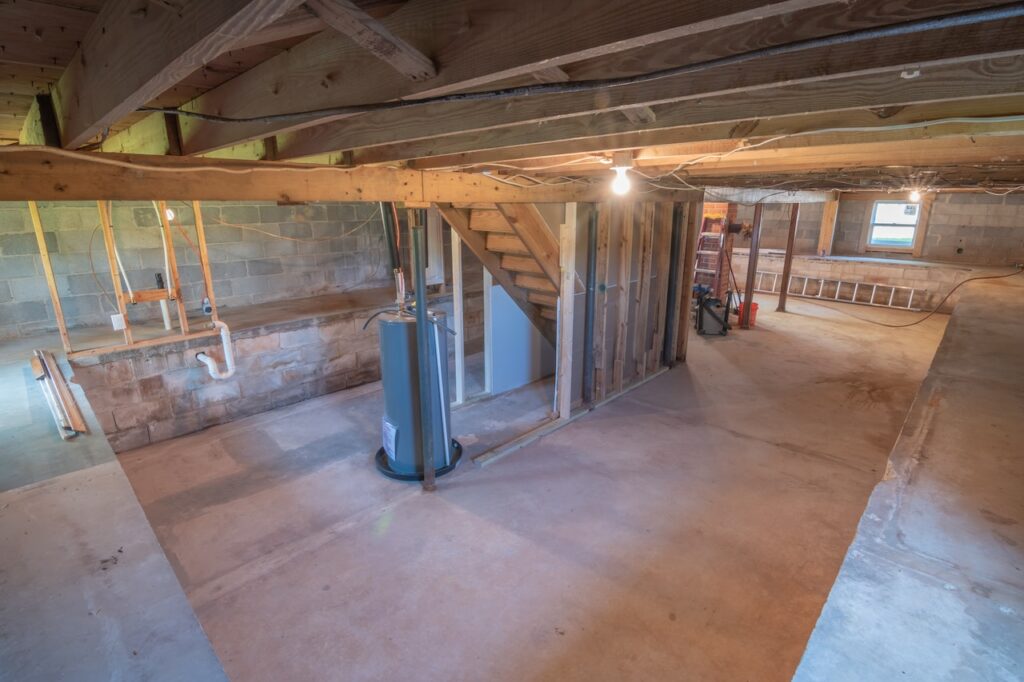
The vast and varied landscape of Texas, a state synonymous with wide-open spaces and a distinctive way of life, often sparks curiosity among those considering a move or a visit. One question that frequently arises, particularly for individuals accustomed to different regional housing norms, is: “Do homes in Texas have basements?” The answer, in short, is that while not impossible, basements are far less common in Texas than in many other parts of the United States. This answer, however, belies a more nuanced reality shaped by the state’s unique geology, climate, and historical development. Understanding these factors is crucial for anyone interested in Texas real estate, whether for a permanent residence, a vacation home, or even as a point of interest within the broader context of Texas lifestyle and tourism.
The Geological and Climatic Realities of Texas Housing
The prevalence, or indeed the absence, of basements in Texas homes is intrinsically linked to the state’s diverse geological formations and its often extreme climate. This isn’t merely a matter of architectural preference; it’s a practical consideration driven by the very earth beneath our feet and the sky above.
Soil Composition and Water Tables
Texas is a state of immense geographical diversity, stretching from the humid coast of the Gulf of Mexico to the arid West. This diversity directly impacts the feasibility and cost of constructing basements.
In many parts of Texas, particularly in the eastern and southern regions, the soil is characterized by a high clay content. This type of soil, known as “black gumbo” or “expansive clay,” has a tendency to swell significantly when wet and shrink when dry. This constant expansion and contraction can exert immense pressure on underground structures like basements, leading to cracking, shifting, and potential structural damage over time. Building a basement in such soil requires extensive, specialized engineering and reinforcement, making it a significantly more expensive undertaking.
Furthermore, the water table levels across Texas vary considerably. In coastal areas and regions with significant rainfall, the water table can be quite high. Excavating for a basement in these conditions would necessitate constant dewatering during construction and a robust, often costly, waterproofing system to prevent flooding. The risk of groundwater intrusion is a persistent concern, making traditional basements a less attractive or practical option for many builders and homeowners.
Conversely, in the western parts of Texas, like the Chihuahuan Desert, the soil is often sandy or rocky, which can be more conducive to excavation. However, the primary limiting factor here becomes the scarcity of water and the cost of importing it for construction, as well as the arid climate which often necessitates different cooling and insulation strategies for homes.
The Texas Climate and its Influence
The Texas climate is another pivotal factor influencing basement construction. The state experiences hot, humid summers throughout much of its territory, with the exception of the western high plains. High humidity translates into a greater risk of moisture and mold within enclosed underground spaces like basements. Without meticulous ventilation and waterproofing, basements can become damp, unhealthy environments.
Moreover, the intensity of Texas summers means that homeowners often prioritize above-ground living spaces designed for maximum airflow and cooling. While a basement could theoretically offer a cooler retreat, the cost and complexity of making it a comfortable and dry space often outweigh the perceived benefits. Instead, many Texas homes are designed with features like large porches, ceiling fans, and strategically placed windows to encourage natural ventilation and minimize heat gain.
The Rise of Elevated Homes and Slab Foundations
Given these geological and climatic challenges, Texas construction has evolved to favor foundations that mitigate these issues.
In areas prone to flooding or with high water tables, such as along the coast near cities like Galveston or Houston, it is common to see homes built on stilts or piers, elevating the living space well above ground level. This design not only protects against storm surges and rising water but also promotes airflow beneath the house, aiding in cooling.
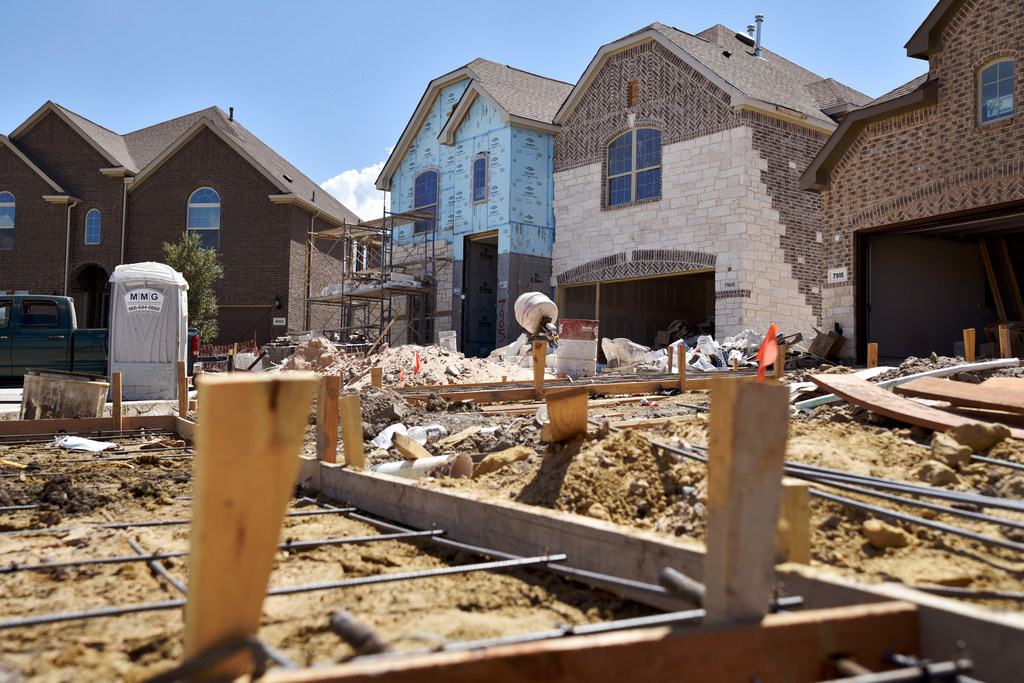
More prevalent across the state is the use of slab-on-grade foundations. In this construction method, a concrete slab is poured directly onto the ground. This approach is generally less expensive, quicker to build, and less susceptible to the problems associated with expansive clay soils and high water tables. While slab foundations offer fewer opportunities for underground storage or living space, they are well-suited to the Texas environment.
Are Basements Completely Absent in Texas?
While the prevailing trends point away from basements, it would be inaccurate to state they are entirely non-existent in Texas. There are specific circumstances and regions where basements can be found, albeit with notable caveats.
Specific Regions and Construction Types
In the northern parts of Texas, closer to the Oklahoma border, where the climate is slightly less humid and the geology can be more forgiving, basements are more likely to be encountered. Cities like Dallas, Fort Worth, and Plano might feature a higher proportion of homes with basements compared to, say, Austin or San Antonio. Even in these regions, however, they are not the norm.
Another scenario where basements appear is in older homes, particularly those built before the widespread adoption of modern soil stabilization techniques and a deeper understanding of Texas’s unique geological challenges. These older basements might require significant maintenance and are often prone to moisture issues.
Furthermore, custom-built luxury homes or homes designed with specific intentions, such as wine cellars or dedicated underground recreational spaces, might incorporate basements. These are typically built with extensive engineering and robust waterproofing measures, making them considerably more expensive than standard basement construction elsewhere.
Alternative Underground Spaces
While traditional basements are rare, Texans have developed alternative ways to create cool, secure underground spaces when needed.
- Root Cellars: Historically, and sometimes still today, especially in rural areas, homes might have a root cellar. These are typically small, underground or partially underground structures used for storing produce and preserving food. They are usually simpler in construction than a full basement and are designed primarily for temperature regulation.
- Storm Shelters/Safe Rooms: Given the potential for severe weather, including tornadoes, many Texas homes, particularly in areas prone to such events, are equipped with underground storm shelters or above-ground safe rooms. These are not full basements but dedicated, reinforced spaces designed for safety during extreme weather. Some of these may be integrated into the foundation of the house, offering a small, functional underground area.
The Impact on Lifestyle and Real Estate
The relative scarcity of basements in Texas homes has subtle but significant impacts on both the lifestyle of its residents and the Texas real estate market.
Lifestyle Considerations
For those accustomed to the utility of basements in other regions—for extra storage, recreational rooms, home gyms, or even rental units—the absence of this space in typical Texas homes means a need for creative solutions.
- Storage: Without a basement, garages often serve a dual purpose, accommodating vehicles while also providing storage space. Homeowners also rely on attics (though insulation is crucial in Texas heat), sheds, and outdoor storage units.
- Living Space: The desire for extra living space might lead to the construction of additions, the conversion of garages, or the utilization of porches and patios for outdoor living, a very common practice in Texas.
- Cooling: While a basement can be a natural insulator, Texas homes are designed with robust air conditioning systems. The emphasis is on efficient cooling of above-ground spaces.
Real Estate Market Dynamics
The rarity of basements influences Texas real estate in several ways:
- Price Point: Homes with basements, when they do exist, can sometimes command a higher price due to their uniqueness and the significant cost of their construction in Texas.
- Renovation Potential: For buyers looking for properties with renovation potential, the lack of a basement limits certain types of expansions. However, the focus shifts to above-ground additions or the potential to add a detached living space.
- Location is Key: When searching for a home with a basement in Texas, buyers will likely need to focus their search on specific neighborhoods or older subdivisions, or be prepared for a higher price tag in areas where custom builds are more common.

Conclusion: Embrace the Texas Way
So, do homes in Texas have basements? The most accurate answer is: not typically, but sometimes. The geological makeup of the state, particularly its expansive clay soils and variable water tables, combined with its often intense climate, makes traditional basement construction a challenging and costly endeavor. This has led to a housing market that favors slab-on-grade foundations and, in some areas, elevated homes.
For prospective residents, tourists planning extended stays, or even those simply curious about Texas architecture, understanding this distinction is key. It explains why Texas homes might look and feel different from those found in, say, the Midwest or the Northeast. Instead of basements, Texas homes and communities often embrace other features that suit the local environment and lifestyle, from spacious patios and verandas to highly efficient cooling systems and storm-resilient designs. Whether you’re exploring the historic districts of San Antonio, the bustling downtown of Houston, or the vast ranches of West Texas, you’ll find that the very absence of basements is, in its own way, a characteristic feature of the Texas home.
LifeOutOfTheBox is a participant in the Amazon Services LLC Associates Program, an affiliate advertising program designed to provide a means for sites to earn advertising fees by advertising and linking to Amazon.com. Amazon, the Amazon logo, AmazonSupply, and the AmazonSupply logo are trademarks of Amazon.com, Inc. or its affiliates. As an Amazon Associate we earn affiliate commissions from qualifying purchases.