
For travelers, remote workers, or anyone planning a visit or interaction with the bustling metropolis of Chicago, understanding its time zone is not merely a piece of trivia but a crucial element for seamless planning and execution. Unlike a simple area code or a statistical identifier, Chicago’s “time zone number” isn’t a singular, easily digestible integer. Instead, it refers to its position relative to Coordinated Universal Time (UTC), a globally recognized standard. Situated firmly within the Central Time Zone (CT) of the United States and Canada, Chicago experiences a fascinating duality: it operates on Central Standard Time (CST) for much of the year and shifts to Central Daylight Time (CDT) during the warmer months. This dynamic requires a precise understanding to avoid scheduling mishaps and optimize your experience in the Windy City.
This article delves into the specifics of Chicago’s time zone, clarifying what the “number” truly signifies and offering comprehensive guidance for travelers. From deciphering the intricacies of CST and CDT to mastering the art of time zone transitions, we aim to equip you with the knowledge needed for a perfectly synchronized visit.
Unraveling Chicago’s Time Zone Identity: The “Number” Explained
At its core, understanding Chicago’s time zone involves recognizing its geographical placement and the global system used to standardize time. The concept of a “time zone number” for Chicago refers to its offset from Coordinated Universal Time (UTC), the primary time standard by which the world regulates clocks and time. This offset is a numerical value, typically expressed as UTC-X or UTC+X hours.
Central Time Zone (CT): The Foundation
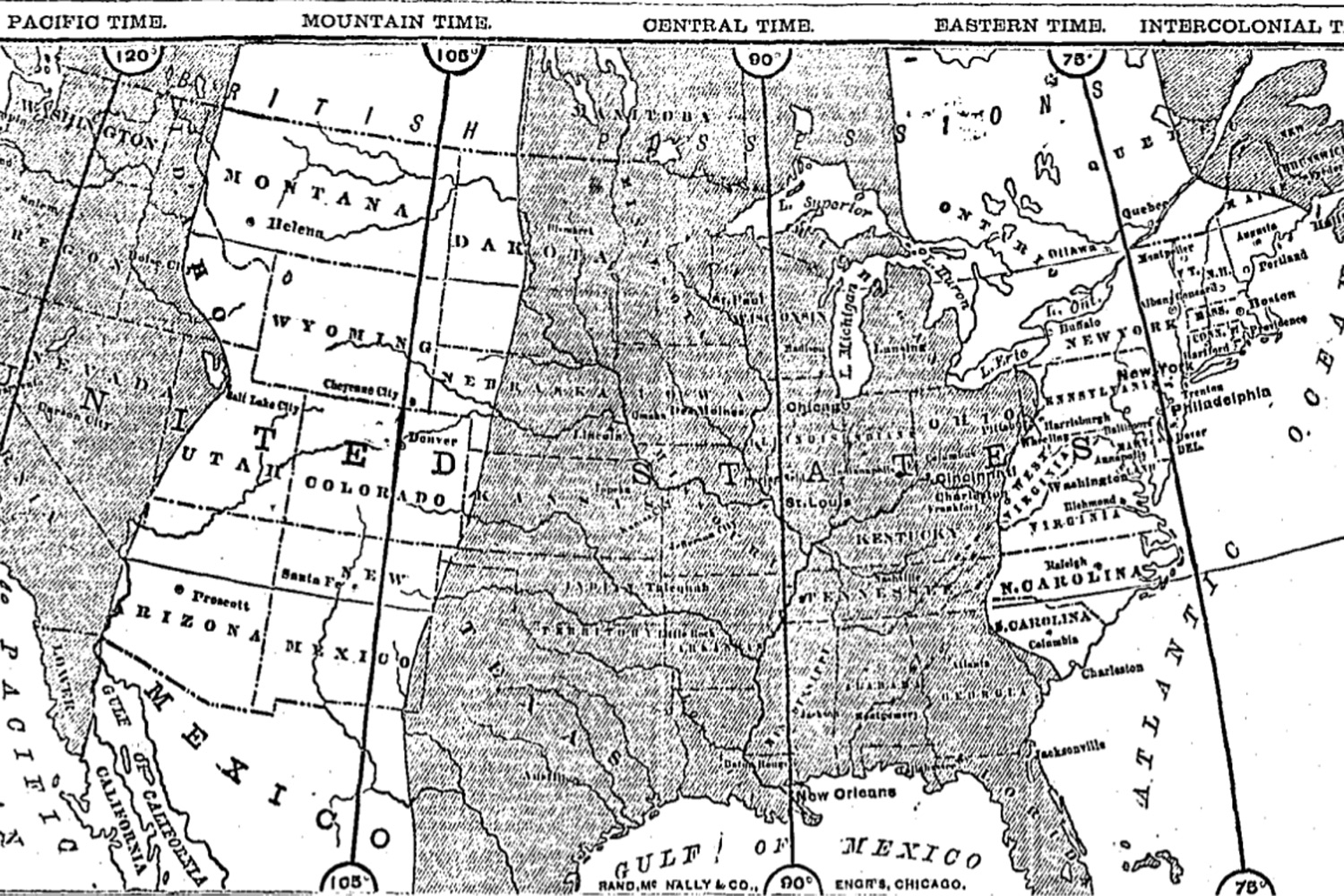
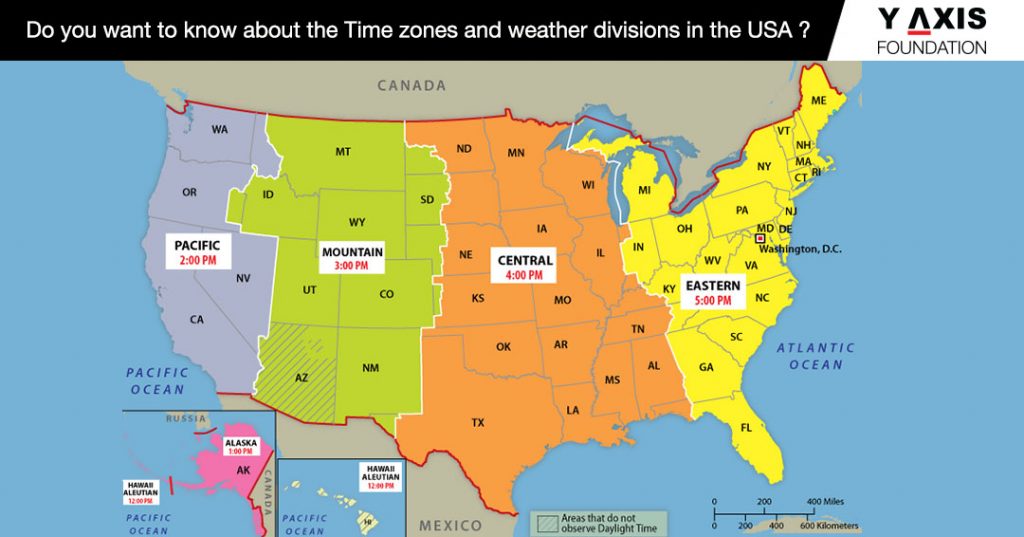
Chicago is located squarely within the geographical boundaries of the Central Time Zone. This zone spans across several states in the central United States, from the Gulf Coast to the Great Lakes region, and extends into parts of Canada and Mexico. The consistent application of the CT throughout this region simplifies communication and travel within it, but its relationship to the rest of the world requires a more specific definition. For most of the year, Chicago observes Central Standard Time.
Central Standard Time (CST) vs. Central Daylight Time (CDT): The Nuance
The dynamic aspect of Chicago’s time zone lies in its observance of Daylight Saving Time (DST). This means the time literally shifts twice a year, impacting its UTC offset.
- Central Standard Time (CST): From early November to mid-March, Chicago operates on CST. During this period, Chicago is 6 hours behind Coordinated Universal Time. This is commonly expressed as UTC-6.
- Central Daylight Time (CDT): From mid-March to early November, Chicago switches to CDT. To make better use of natural daylight, clocks are moved forward by one hour. Consequently, Chicago becomes 5 hours behind Coordinated Universal Time. This is expressed as UTC-5.
The “Number” Unpacked: UTC Offset Explained
When someone asks “What is Chicago’s time zone number?”, they are most likely seeking its UTC offset. Therefore, the “number” isn’t a single, fixed digit like 1 or 2. Instead, it’s a dynamic numerical offset: -6 during CST and -5 during CDT. These negative values indicate that Chicago is behind UTC. For a traveler, this numerical understanding is far more practical than just knowing the name “Central Time” because it directly tells you how much you need to adjust your clock relative to a global standard, facilitating accurate planning across international boundaries.
Why Time Zone Awareness is Paramount for Travelers
For any traveler, understanding the time zone of your destination is a foundational piece of information that impacts nearly every aspect of your journey. In a vibrant city like Chicago, where every minute can count towards experiencing its world-class attractions, culinary scene, or business opportunities, being precisely synchronized with local time is non-negotiable.
Flight Schedules and Connections
The most immediate impact of time zones for travelers is on flight logistics. All flight schedules are published in local time. If you’re flying from a different time zone, failing to account for the shift can lead to missed connections, early arrivals at an empty gate, or late arrivals after boarding has closed. For instance, a flight advertised to depart at 8:00 AM from a Pacific Time Zone (PT) city and arrive in Chicago (CT) at 2:00 PM the same day actually takes more than 3 hours, because Chicago is two hours ahead of PT. This is crucial for booking tight connections or coordinating pick-ups.
Hotel Check-ins and Check-outs
Hotels adhere strictly to local time for check-in and check-out procedures. Arriving too early or too late can result in additional fees, waiting times, or even the loss of your reservation in extreme cases. Knowing Chicago’s time zone ensures you arrive at your hotel at the appropriate local time, streamlining your arrival and departure process. Planning your flight arrival for around the 3:00 PM local check-in time will save you from potentially waiting in the lobby or having to pay for an early check-in.
Booking Attractions and Dining Reservations
Chicago is renowned for its museums, theaters, architectural tours, and exceptional dining experiences. Many of these require advance bookings, often with strict time slots. Whether it’s a coveted dinner reservation at a Michelin-starred restaurant, tickets for a Broadway in Chicago show, or a guided tour of the Art Institute of Chicago, all scheduling must be done according to Chicago local time. A simple oversight of a time zone difference could lead to missed opportunities and wasted money.

Business Meetings and Remote Work Considerations
For business travelers or those working remotely with colleagues or clients in Chicago, accurate time zone conversion is critical. A miscalculation can lead to missed deadlines, awkward scheduling errors, or a perception of unprofessionalism. Whether it’s a conference call with the Chicago office or a virtual presentation, always double-check the time difference to ensure you’re connecting at the correct local time in Chicago. This is especially true when Daylight Saving Time shifts occur, as the offset temporarily changes.
Mastering Time Zone Transitions: A Traveler’s Guide
Successfully navigating time zone changes is key to minimizing jet lag and maximizing your enjoyment of Chicago. A well-prepared traveler integrates into the local time seamlessly, ensuring a productive and pleasant trip.
Pre-Trip Planning and Communication
Start adjusting your internal clock even before you depart. If you’re traveling eastward to Chicago from a western time zone, try to shift your bedtime and meal times earlier by 30 minutes to an hour each day in the days leading up to your trip. Conversely, if you’re traveling westward, shift them later. Inform anyone you’re meeting in Chicago of your travel plans and confirm meeting times in Chicago local time. Always set your watch to Chicago time as soon as you board your flight, or even the day before, to psychologically prepare for the change. Use online time zone converters to confirm precise timings for all your appointments and reservations.
On-Arrival Adjustments: Minimizing Jet Lag
Upon arrival in Chicago, immediately immerse yourself in the local schedule. This means eating meals at local times, going to bed when locals do, and exposing yourself to natural light during the day, especially in the morning. Avoiding heavy meals, excessive alcohol, and caffeine on your travel day can also help. Stay hydrated throughout your flight and upon arrival. If you arrive in the morning, resist the urge to nap for too long; instead, try to stay awake until the evening to help reset your circadian rhythm more quickly. Taking a walk along Navy Pier or exploring Millennium Park can be an excellent way to get some light exercise and sunlight.
Local Transportation and Event Timing
Be mindful that all local schedules – public transportation, museum hours, restaurant operating times, and event start times – will be based on Chicago’s current local time (either CST or CDT). Double-check the exact time when planning to use the ‘L’ train or bus services, especially during off-peak hours or weekends. If attending a concert at the United Center or a game at Wrigley Field, ensure you know the gate opening times and start times in local Chicago time to avoid missing any part of the experience. Modern smartphones automatically update to the local time zone, which is a great convenience, but a quick manual check is always recommended, especially if crossing borders or during the Daylight Saving Time transitions.
Daylight Saving Time (DST) in Chicago: What You Need to Know
The observance of Daylight Saving Time (DST) is a significant factor in Chicago’s time zone identity, transforming its UTC offset annually. For travelers, this bi-annual shift requires particular attention to avoid scheduling confusion.
The Annual Shift: Spring Forward, Fall Back
In Chicago, as in most of the United States, Daylight Saving Time begins on the second Sunday in March when clocks “spring forward” one hour. This marks the transition from Central Standard Time (UTC-6) to Central Daylight Time (UTC-5). The shift ends on the first Sunday in November when clocks “fall back” one hour, returning to CST. These specific dates are consistent each year, but their exact calendar day changes.
This “spring forward” and “fall back” ritual means that for about eight months of the year, Chicago is on CDT, benefiting from an extra hour of daylight in the evenings. The remaining four months see it revert to CST.
Impact on Travel Dates and Itineraries
If your travel dates to or from Chicago fall around these transition weekends, extreme vigilance is required. A flight scheduled for 1:00 AM on the day DST begins, for example, might effectively become 2:00 AM local time, potentially causing you to miss it if you don’t adjust your internal clock. Similarly, an appointment booked for 9:00 AM might be an hour off if you or the person you’re meeting forgets the change.
Always double-check flight confirmations, hotel bookings, and reservation times when traveling during these periods. Airlines and hotels usually account for DST changes in their systems, but confirming your schedule manually ensures peace of mind. For international travelers, the complexity multiplies, as not all countries observe DST, or they may do so on different dates, leading to further shifts in time differences.
Staying Informed About DST Changes
Most digital devices, like smartphones and computers, automatically update to the correct local time, which significantly mitigates the risk of missing the shift. However, analog clocks and some older electronic devices will need to be manually adjusted. Before your trip, verify the specific DST dates for the current year. Reliable sources include government time and date websites or reputable travel planning apps. A quick search for “Daylight Saving Time Chicago 20XX” will provide the precise details. Staying informed ensures that your travel plans, meetings, and leisure activities remain perfectly aligned with Chicago’s dynamic temporal rhythm.
In conclusion, the “time zone number” for Chicago is not a single, static digit but rather a dynamic reference to its offset from Coordinated Universal Time. Operating primarily within the Central Time Zone, it observes Central Standard Time (UTC-6) and Central Daylight Time (UTC-5) due to Daylight Saving Time. For any traveler, this understanding is paramount, influencing everything from flight connections and hotel check-ins to scheduled attractions and critical business meetings. By carefully planning for these shifts, staying informed about DST changes, and actively adjusting to local time, you can ensure a smooth, enjoyable, and perfectly synchronized travel experience in the vibrant heart of the Midwest.
LifeOutOfTheBox is a participant in the Amazon Services LLC Associates Program, an affiliate advertising program designed to provide a means for sites to earn advertising fees by advertising and linking to Amazon.com. Amazon, the Amazon logo, AmazonSupply, and the AmazonSupply logo are trademarks of Amazon.com, Inc. or its affiliates. As an Amazon Associate we earn affiliate commissions from qualifying purchases.