
Navigating the path to securing essential food assistance in the Lone Star State can feel complex, especially when you’re unfamiliar with the process. For many Texans, understanding the eligibility requirements for the Supplemental Nutrition Assistance Program (SNAP), commonly known as food stamps, is the first crucial step towards ensuring their families have access to nutritious meals. This guide aims to demystify the qualification process, breaking down the key criteria and offering insights into how one can successfully apply. While the core purpose of SNAP is to alleviate food insecurity, the information presented here is framed through the lens of lifestyle considerations, acknowledging that sometimes, even the most luxurious travel plans or comfortable accommodations might coexist with the need for vital support.
Understanding SNAP Eligibility in Texas
The Supplemental Nutrition Assistance Program (SNAP) in Texas is administered by the Texas Health and Human Services Commission (HHSC). Its primary goal is to help low-income individuals and families purchase food. Eligibility is determined by a combination of factors, including income, household size, and certain expenses. It’s important to note that while the program is designed to assist those facing financial hardship, the underlying principles of budgeting and resource management are applicable across various lifestyle choices, from budget travel to luxury retreats.
Income Requirements
One of the most significant factors in SNAP eligibility is your household’s gross and net monthly income.
Gross Monthly Income
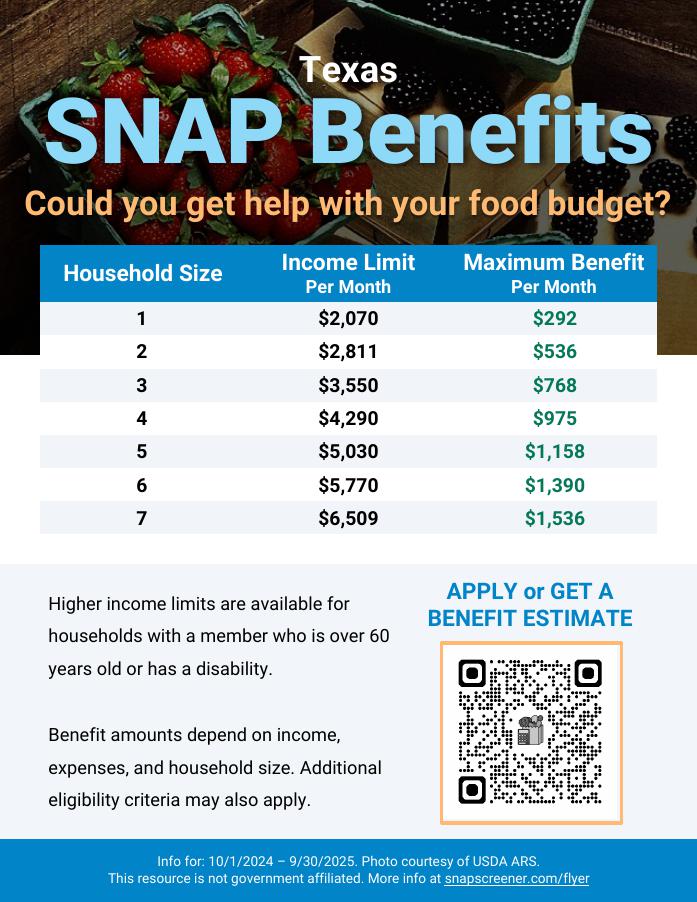
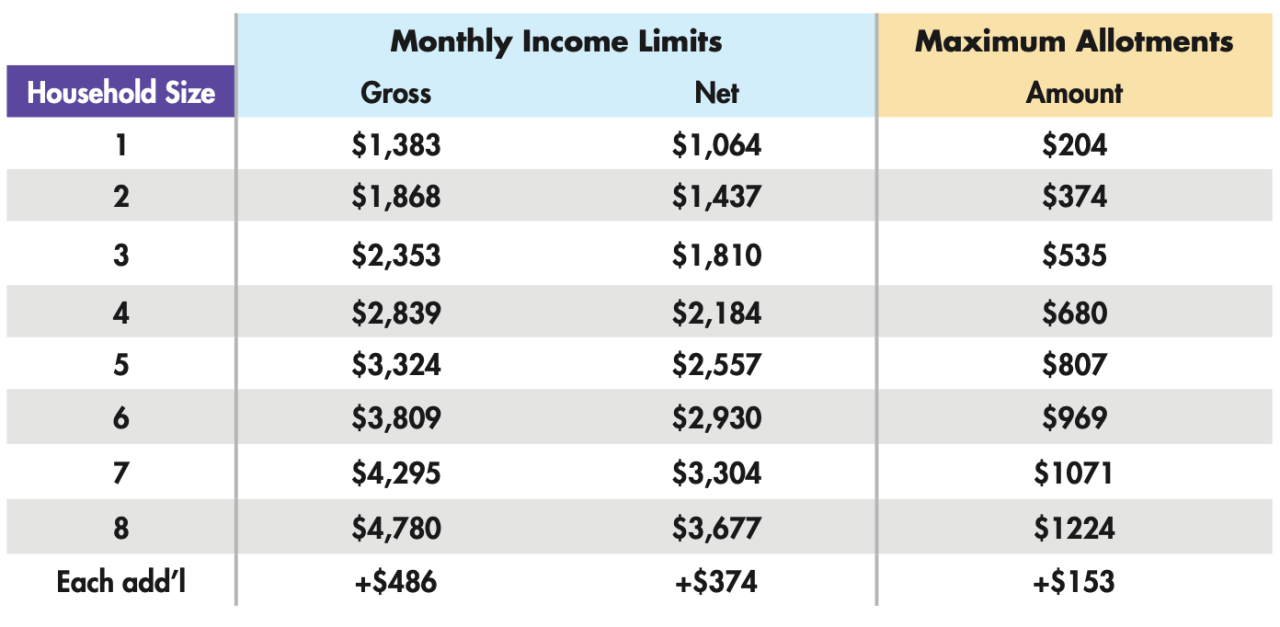
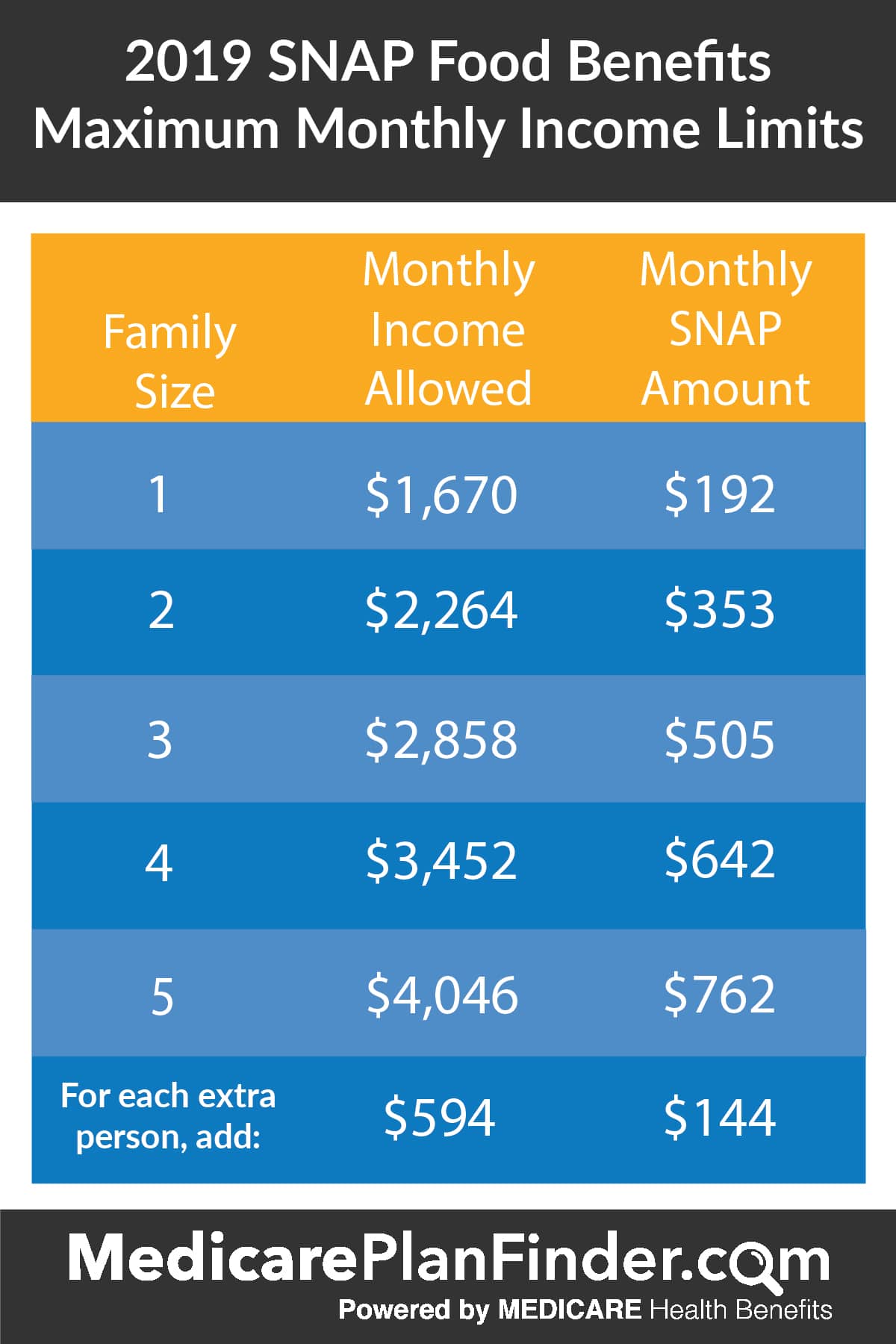
Gross monthly income refers to all income received by the household before any deductions are taken out. This includes wages from employment, benefits like unemployment compensation, and other sources of income. The specific income limits vary based on the number of people in your household. Generally, your household’s gross monthly income must be at or below 130% of the federal poverty level for your household size. For example, a single individual will have a lower gross income limit than a family of four.
Net Monthly Income
After considering certain allowable deductions from your gross income, you will arrive at your net monthly income. Deductions can include a standard deduction, earned income deduction, dependent care deduction, shelter costs that exceed 30% of your net income (including utilities), and medical expenses for elderly or disabled individuals that exceed $35 a month. Your household’s net monthly income must be at or below 100% of the federal poverty level for your household size. This two-tiered income test ensures that even households with earned income can qualify if their essential expenses are high.
Household Size
The number of people in your household is a critical component in determining eligibility, as income limits are directly tied to household size. A household is defined as a group of people who live together and purchase and prepare meals together. This can include spouses, children, parents, and other relatives, as well as individuals who are not related but share living arrangements and food costs. The larger the household, the higher the income limits will be, reflecting the increased cost of providing food for more individuals.
Assets or Resources
In addition to income, SNAP also has limits on the value of assets or resources a household can own. These typically include checking and savings accounts, money market accounts, stocks, and bonds. Certain assets are excluded, such as the home you live in, one vehicle per adult (with some exceptions), retirement accounts, and most household goods. For households without elderly or disabled members, the asset limit is generally $2,750. For households with an elderly or disabled member, this limit increases to $4,250. These asset limits are in place to ensure that the program primarily serves those with limited financial resources, rather than those who have substantial savings or investments. This is similar to how individuals planning for a luxurious vacation might need to consider their liquid assets differently than someone saving for a budget-friendly road trip across Texas.
The Application Process
Applying for SNAP in Texas involves a structured process designed to gather the necessary information to determine your eligibility. Understanding each step can help streamline your application and reduce potential delays. This process, while administrative, shares the common thread of detailed planning and organization that is also crucial for planning successful travel experiences.
Gathering Necessary Documentation
Before you begin your application, it’s essential to gather all required documents. These typically include:
- Proof of identity: A driver’s license, state ID, or other government-issued identification.
- Proof of residency: Utility bills, lease agreements, or other documents showing you live in Texas.
- Proof of income: Pay stubs, employer statements, award letters for benefits (like Social Security or unemployment), or self-employment records.
- Proof of household expenses: Utility bills, rent receipts, medical bills for elderly or disabled members, and dependent care expenses.
- Social Security numbers: For all household members applying for benefits.
- Information about all household members: Including their names, dates of birth, and relationship to each other.
Having these documents readily available will significantly expedite the application process, much like having your itinerary and booking confirmations organized before embarking on a trip to destinations like San Antonio or Galveston.
How to Apply
There are several ways to apply for SNAP benefits in Texas:
- Online: The most convenient method is to apply online through the HHSC website. You can create a client account, fill out the application, and upload supporting documents.
- By Mail or Fax: You can download the application from the HHSC website, print it, fill it out, and mail or fax it to your local HHSC office.
- In Person: You can visit your local HHSC benefits office to apply in person and receive assistance from a caseworker. This can be particularly helpful if you have questions or need help navigating the application.
- By Phone: You can also request an application to be mailed to you by calling the HHSC benefits hotline.
What to Expect After Applying
Once your application is submitted, HHSC will review it to determine your eligibility. You will likely be scheduled for an interview, either by phone or in person, to discuss your application and provide any missing information. This interview is an opportunity to clarify details and answer any questions the caseworker may have. After the interview and verification of your documents, HHSC will make a decision on your application. If approved, you will receive an electronic benefit transfer (EBT) card, often referred to as a Lone Star card, which works like a debit card and can be used to purchase eligible food items at authorized retailers. If denied, you will receive a written explanation of the reasons for the denial and information on how to appeal the decision. The entire process, from application to receiving benefits, can take up to 30 days, though expedited processing is available for households facing severe food emergencies. This timeline is comparable to the planning and waiting period before a significant vacation, where anticipation builds as you approach your departure date.
Additional Considerations and Resources
Beyond the core eligibility criteria, Texas offers various resources and programs to support individuals and families in need. Understanding these can provide a more comprehensive picture of the assistance available and how it can be integrated into your overall lifestyle planning, whether you are managing day-to-day expenses or planning a dream vacation.
Broadening Your Understanding of Food Assistance
It’s important to understand that SNAP is just one part of a larger network of food assistance programs. Other programs, such as the Special Supplemental Nutrition Program for Women, Infants, and Children (WIC), provide nutritional support for specific demographics. While distinct, these programs often share the common goal of improving health and well-being through access to nutritious food. For instance, a family planning a trip to the Big Bend National Park might be utilizing WIC for their children’s nutritional needs while simultaneously applying for SNAP to supplement their grocery budget.
Seeking Local Support and Information
Navigating government assistance programs can sometimes feel overwhelming. Fortunately, many local organizations in Texas offer free assistance with SNAP applications and provide additional support services. Food banks, community action agencies, and non-profit organizations often have trained staff who can guide you through the application process, help you gather documentation, and connect you with other helpful resources. These local partners are invaluable, much like a trusted travel agent who can offer insider tips on the best local eateries in Austin or the most charming boutique hotels in Fredericksburg. A quick online search for “SNAP assistance near me” can help you find these valuable local resources.
Understanding Recertification and Reporting Changes
Once you are approved for SNAP benefits, your eligibility is not permanent. You will need to recertify your household’s information periodically, typically every 6 or 12 months, to continue receiving benefits. Additionally, you are required to report any significant changes in your household’s circumstances that could affect your eligibility, such as an increase in income, a change in household size, or a change in residence. Failure to report these changes can lead to overpayments and penalties. Maintaining accurate records and proactively communicating with HHSC is crucial, much like keeping your travel documents updated and informing your accommodation provider of any changes to your booking. Staying informed about these requirements ensures uninterrupted access to the food assistance you need.
LifeOutOfTheBox is a participant in the Amazon Services LLC Associates Program, an affiliate advertising program designed to provide a means for sites to earn advertising fees by advertising and linking to Amazon.com. Amazon, the Amazon logo, AmazonSupply, and the AmazonSupply logo are trademarks of Amazon.com, Inc. or its affiliates. As an Amazon Associate we earn affiliate commissions from qualifying purchases.