
Louisiana, a state renowned for its vibrant culture, unique culinary scene, and captivating history, attracts visitors year-round. From the bustling streets of New Orleans to the tranquil bayous and plantations, the allure is undeniable. However, for those planning a visit, understanding the state’s hurricane season is a crucial tip for ensuring a safe and enjoyable experience. Being prepared and informed allows tourists to make the most of their time in this extraordinary destination, regardless of the time of year.
Understanding Louisiana’s Hurricane Season: Dates and Dynamics
The hurricane season in Louisiana follows the broader Atlantic hurricane season, a period dictated by specific climatic conditions conducive to tropical storm formation. This knowledge is fundamental for anyone considering travel to the region, allowing for informed decision-making regarding trip timing and preparations.
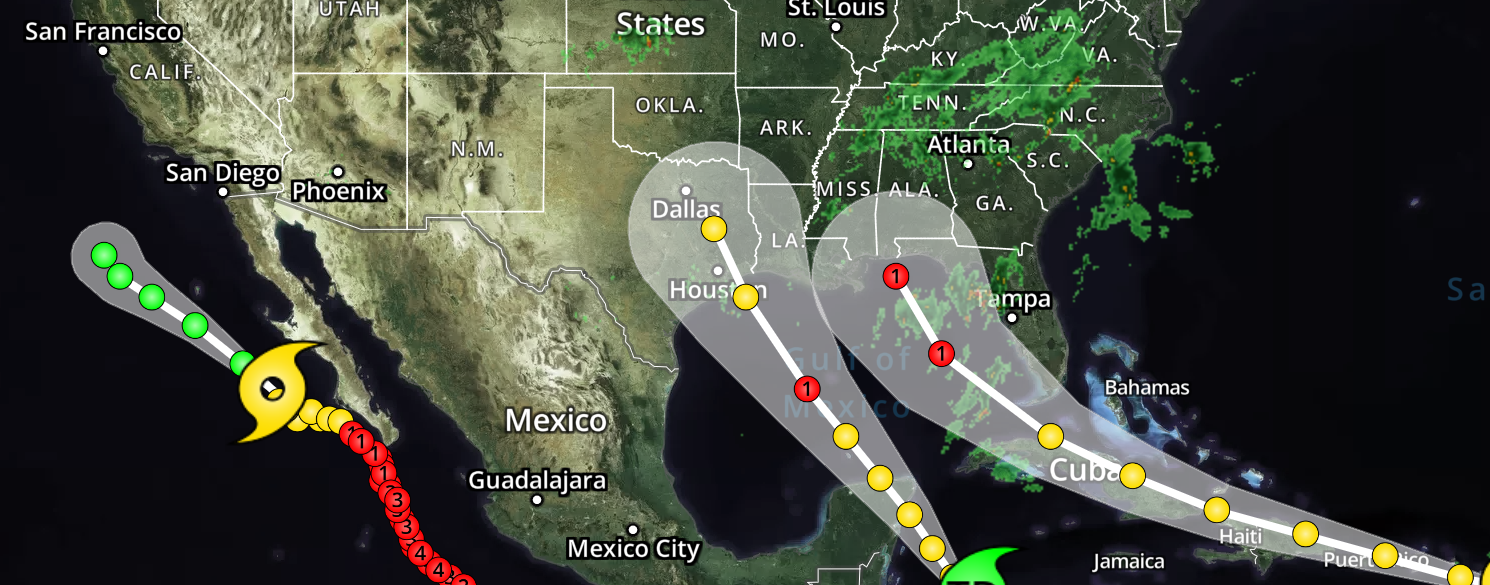
The Official Window: June 1st to November 30th
Officially, the Atlantic hurricane season, which directly impacts Louisiana and the Gulf of Mexico coastline, runs from June 1st through November 30th. This six-month window encompasses the period when tropical cyclones – including tropical depressions, tropical storms, and hurricanes – are most likely to develop and affect the region. While storms can occur outside these dates, they are rare, and this established period serves as the primary focus for meteorological monitoring and public preparedness efforts. Understanding this timeframe is the first step in planning any activity or visit to Louisiana within these months.
Peak Activity: August to October
While the season spans half the year, not all months carry the same level of risk. The hurricane season experiences a distinct peak in activity, typically from mid-August through October. During these months, sea surface temperatures in the Atlantic Ocean and the Gulf of Mexico are at their warmest, providing the necessary energy for tropical systems to form and strengthen. Additionally, atmospheric conditions, such as reduced wind shear, become more favorable for storm development. This peak period is when the state experiences its highest probability of significant storm activity, including major hurricanes. Tourists considering travel during this time should be acutely aware of the heightened risk and plan accordingly, prioritizing flexibility and access to real-time weather information. Historic storms, like Hurricane Katrina in August 2005 and Hurricane Laura in August 2020, underscore the potential severity during this peak.
Factors Influencing Storm Activity in the Gulf of Mexico
Several interconnected meteorological factors influence the intensity and frequency of storm activity in the Gulf of Mexico and, consequently, Louisiana. These include El Niño and La Niña cycles, which affect global weather patterns. La Niña conditions, characterized by cooler-than-average sea surface temperatures in the equatorial Pacific, often correlate with a more active Atlantic hurricane season due to reduced wind shear across the tropical Atlantic. Conversely, El Niño conditions tend to suppress hurricane activity. Warmer Gulf of Mexico waters also act as fuel for intensifying storms. Additionally, the presence of the African Easterly Jet and the formation of tropical waves off the coast of Africa play a critical role in seeding many of the storms that eventually track towards the Caribbean and the Gulf of Mexico. While these are complex scientific phenomena, understanding that various natural cycles contribute to the annual outlook helps explain why some seasons are more active than others, impacting travel planning and local preparedness efforts.
Implications for Tourism and Travel Planning
The hurricane season, particularly its peak, has significant implications for tourism in Louisiana. While the state remains a captivating destination, visitors need to approach travel during these months with a strategic mindset. The goal is not necessarily to avoid the season altogether, but rather to understand the potential challenges and plan proactively to mitigate risks and ensure an enjoyable experience.
Assessing Risk and Flexibility for Your Trip
Traveling to Louisiana during hurricane season requires a careful assessment of risk and a commitment to flexibility. While direct hits are infrequent for any single location, the possibility of tropical storm or hurricane activity exists. This means potential disruptions to travel itineraries, including flight cancellations, road closures, and temporary evacuations of coastal areas or even major cities like New Orleans or Baton Rouge. Tourists should consider the nature of their trip; a short weekend getaway might carry different risk considerations than a two-week family vacation. Building in buffer days, having alternative plans, and being prepared to adjust on short notice are invaluable strategies. The willingness to be flexible is perhaps the most important tip for those choosing to visit during these months, ensuring that potential weather events do not completely derail the travel experience.
Impact on Activities, Events, and Local Businesses
A significant tropical system can have a profound impact on local tourism activities, events, and businesses. Festivals, outdoor tours (like swamp tours), boat excursions, and even some indoor attractions may be temporarily closed or canceled due for safety precautions or power outages. Many businesses, particularly those along the coast or in vulnerable low-lying areas, may shut down for storm preparation or post-storm recovery. Major events, such as music festivals or sporting events scheduled during the peak season, could face postponement or cancellation. For example, events in Lafayette or Shreveport might still be impacted by the ripple effects of a distant storm, such as heavy rains or strong winds. Before traveling, it is advisable to check the status of specific attractions, tour operators, and events, as well as local news from entities like the Louisiana Office of Tourism, to understand potential disruptions.
The Allure of Louisiana Outside Peak Season

For travelers who prefer to minimize the risk of hurricane-related disruptions, visiting Louisiana outside the peak hurricane season (mid-August to October) is an excellent strategy. The months of March to May (spring) and November to February (winter) are generally considered prime tourist seasons. Spring offers pleasant temperatures, blooming azaleas, and a calendar packed with festivals, including the famous New Orleans Jazz & Heritage Festival. Winter brings cooler, comfortable weather perfect for exploring cities and enjoying indoor attractions without the intense heat and humidity of summer, and of course, Mardi Gras season. Even early summer (June and July) can be appealing before the most active part of hurricane season truly begins, though humidity will be higher. These periods offer a more predictable travel experience with a lower likelihood of weather-related interruptions, allowing tourists to fully immerse themselves in Louisiana’s unique charm.
Essential Tips for Visiting During Hurricane Season
If your travel plans necessitate a visit to Louisiana during hurricane season, proactive preparation is key. While the possibility of a direct hit remains relatively low for any given trip, being informed and prepared can significantly reduce stress and ensure safety should a storm develop. These tips focus on practical steps tourists can take to manage potential risks.
Prioritizing Safety: Monitoring Weather and Heeding Warnings
The paramount tip for visiting during hurricane season is to prioritize safety above all else. This means actively monitoring official weather forecasts from reliable sources such as the National Hurricane Center (NHC)) and local news channels. Many hotels and tourist boards in Louisiana, including those in major cities like New Orleans, provide guests with up-to-date information and emergency instructions. Pay close attention to any watches or warnings issued for your travel area. A “hurricane watch” means hurricane conditions are possible within 48 hours, while a “hurricane warning” means they are expected within 36 hours. Always heed local authorities’ advice, including potential evacuation orders. Having a plan for communication and knowing the location of emergency shelters are vital steps in personal preparedness.
Travel Insurance: A Non-Negotiable Consideration
For anyone traveling to Louisiana during hurricane season, purchasing comprehensive travel insurance is a non-negotiable consideration. Standard travel insurance policies often cover unforeseen circumstances like trip cancellations or interruptions due to natural disasters. However, it is crucial to read the policy details carefully. Ensure it covers hurricane-related events, including mandatory evacuations, flight cancellations, and unforeseen accommodation expenses. Some policies may have specific clauses regarding when a storm must be named or declared for coverage to activate. Purchase insurance well in advance of your trip, as policies typically do not cover events that are already known or named before purchase. This small investment can provide significant financial protection and peace of mind against the unpredictable nature of tropical weather.
Accommodation and Transportation Flexibility
When booking accommodation and transportation for a trip during hurricane season, opt for options that offer maximum flexibility. Choose hotels, vacation rentals, and flights with lenient cancellation or change policies. Many airlines and hotels offer waivers during active storm threats, but having an inherently flexible booking provides an extra layer of security. Consider booking directly with hotels or reputable online travel agencies that clearly outline their weather-related policies. For ground transportation, be aware that rental car agencies may have limited availability if widespread evacuations begin. Having a backup plan for getting out of the area, even if it’s just knowing major evacuation routes from cities like Lake Charles or Monroe, is a wise precaution. The ability to pivot your plans without significant financial penalty is a cornerstone of responsible tourism during this period.
Experiencing Louisiana Safely and Responsibly
Visiting Louisiana during hurricane season, while requiring careful planning, can still be a rewarding experience. The state’s resilience and vibrant spirit shine through, and tourists play a role in supporting local communities. By remaining informed, prepared, and respectful, visitors can contribute positively to the local tourism ecosystem.
Local Resources and Emergency Preparedness
Louisiana is a state with extensive experience in hurricane preparedness and response. Local authorities, emergency management agencies, and tourism boards provide a wealth of resources for residents and visitors alike. Familiarize yourself with emergency plans for the specific parish or city you plan to visit. Many hotels have their own emergency protocols, and it’s wise to inquire about these upon check-in. The Louisiana Office of Emergency Preparedness (LOEP) provides comprehensive guidelines and updates. Tourists should have a personal emergency kit, including essentials like medications, important documents, chargers, and a supply of water and non-perishable food, especially if traveling to more remote areas. Staying connected to local news and official advisories through a NOAA weather radio or smartphone apps can provide critical, timely information.
Supporting Louisiana’s Resilience and Recovery Efforts
In the unfortunate event of a storm impact, responsible tourism extends to supporting Louisiana’s resilience and recovery. If a storm affects the area before or during your trip, consider rescheduling rather than canceling outright, if feasible. This helps local businesses retain revenue. Post-storm, once areas are declared safe for visitors, tourism plays a crucial role in economic recovery. Patronizing local restaurants, shops, and attractions directly injects funds back into the community. Many organizations also engage in recovery efforts, and visitors might find opportunities to support these initiatives, even from afar. Louisiana residents are known for their strength and community spirit, and by choosing to visit responsibly, tourists become part of this ongoing narrative of recovery and rejuvenation.

Enjoying the Off-Season Charms and Reduced Crowds
Despite the challenges, visiting during parts of the hurricane season can offer unique advantages. Outside of the peak August-October period, or even during the early part of it, the ‘off-season’ can bring reduced crowds at popular attractions. This often translates to shorter lines, easier access to reservations at coveted restaurants in New Orleans’s French Quarter, and potentially lower prices for flights and accommodation. The state’s natural beauty, from the cypress swamps to the charming small towns, remains captivating. With diligent preparation and a flexible attitude, tourists can still experience the authentic Louisiana culture, indulge in its world-famous cuisine, and explore its rich heritage, perhaps with a more intimate feel, free from the bustling throngs of peak tourist season. It’s a period that offers a different, yet equally enriching, perspective on this truly unforgettable destination.
LifeOutOfTheBox is a participant in the Amazon Services LLC Associates Program, an affiliate advertising program designed to provide a means for sites to earn advertising fees by advertising and linking to Amazon.com. Amazon, the Amazon logo, AmazonSupply, and the AmazonSupply logo are trademarks of Amazon.com, Inc. or its affiliates. As an Amazon Associate we earn affiliate commissions from qualifying purchases.