
Embarking on a business venture in the vibrant state of Texas is an exciting prospect, filled with opportunities for growth and expansion. Whether you’re a local entrepreneur launching a new enterprise, a seasoned traveler looking to establish a tourism-related business, or an international investor drawn to the economic dynamism of the Lone Star State, understanding the foundational requirements is crucial. Among these, obtaining a Tax ID Number, specifically an Employer Identification Number (EIN) from the Internal Revenue Service (IRS), stands out as a pivotal step. This article will guide you through the process, demystifying the steps involved and highlighting its importance for various business endeavors in Texas.
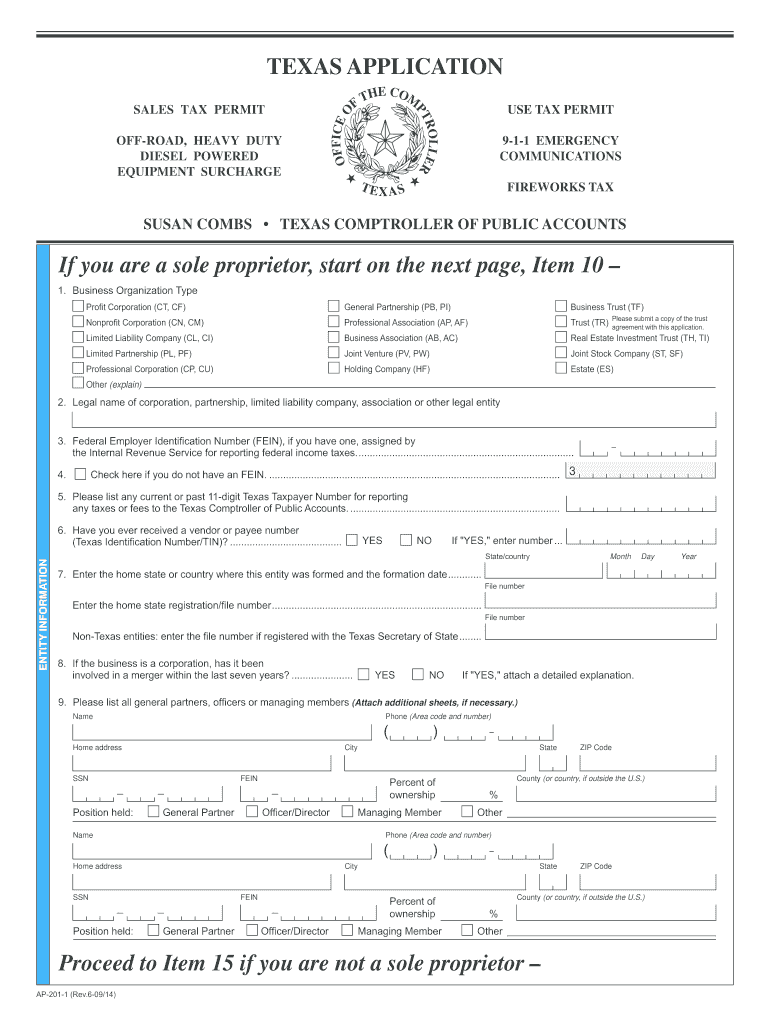
While the title of this article directly addresses obtaining a Tax ID Number in Texas, it’s important to clarify that the process for securing an EIN is a federal one, managed by the IRS. However, for businesses operating within Texas, understanding this federal requirement is paramount to navigating state-level regulations and capitalizing on the state’s thriving tourism, hospitality, and lifestyle sectors. Think of it as a foundational step that enables you to engage fully in the diverse economic landscape Texas has to offer, from luxury resorts in the Texas Hill Country to boutique hotels in Austin or even unique vacation rentals near Big Bend National Park.
Understanding the EIN and Its Significance for Texas Businesses
An Employer Identification Number (EIN), also known as a Federal Tax Identification Number (TIN), is a unique nine-digit number assigned by the IRS to business entities operating in the United States. It serves as the business equivalent of a Social Security Number for individuals. The EIN is essential for a multitude of reasons, particularly for businesses with a presence in Texas.
Why Your Texas Business Needs an EIN
For any business in Texas, an EIN is more than just a bureaucratic requirement; it’s a gateway to legitimate operations and expansion. Here’s why it’s indispensable:
- Opening Business Bank Accounts: Banks require an EIN to open business checking and savings accounts. This separation of personal and business finances is critical for financial management, accountability, and legal protection. Imagine trying to manage the finances of a burgeoning chain of hotels, like the Hyatt Regency Dallas, without a dedicated business account.
- Hiring Employees: If you plan to hire staff for your Texas-based business, whether it’s for a bustling restaurant in San Antonio or a tour operation guiding visitors through the Texas State Parks, an EIN is mandatory for reporting wages and paying employment taxes to the federal government.
- Filing Business Tax Returns: All businesses, except for sole proprietorships with no employees and no need for an EIN, must use their EIN to file federal tax returns. This applies to corporations, partnerships, and multi-member LLCs operating in Texas.
- Operating as a Corporation or Partnership: If your Texas business is structured as a corporation or a partnership, an EIN is a non-negotiable requirement from the outset.
- Operating as an LLC (Limited Liability Company): While single-member LLCs might not always require an EIN if they opt to be taxed as a disregarded entity, most LLCs, especially those with multiple members or those electing to be taxed as a corporation or partnership, will need one. This is particularly relevant for Texas LLCs looking to attract investors or secure business loans.
- Securing Business Loans and Credit: Lenders and creditors will often require an EIN to assess your business’s creditworthiness and to report loan information to credit bureaus. This is crucial for any ambitious Texas entrepreneur aiming to expand their footprint, perhaps by acquiring new properties for a hotel chain or investing in new tour vehicles for their travel agency.
- Applying for Business Licenses and Permits: While many state and local licenses in Texas may not directly ask for an EIN, having one can streamline the application process and is often required for specific types of business permits, especially those related to commerce and employment.
- Establishing Credibility and Professionalism: An EIN signals to customers, suppliers, and partners that your business is legitimate, registered, and operating in compliance with federal regulations. This is vital for building trust, whether you’re managing a luxury resort in The Woodlands or offering curated travel experiences across Texas.
For businesses involved in tourism, hotels, accommodation, travel, and related lifestyle services in Texas, an EIN is the bedrock upon which operational and financial success is built. It facilitates the smooth running of operations, from managing bookings at a charming bed and breakfast near the Alamo to processing payments for guided tours through the Texas Hill Country.
The Simple Path to Obtaining Your Texas EIN
The good news is that obtaining an EIN is a straightforward and, most importantly, free process when done directly through the IRS. There are a few methods available, each with its own advantages. For businesses located in Texas, the most recommended and efficient method is applying online.
Method 1: Online Application (Recommended for Texas Businesses)
The IRS offers a user-friendly online application that is by far the quickest way to receive your EIN.

- Eligibility: To apply online, your business must have a physical address in the United States or a U.S. territory. This includes businesses operating in Texas. The responsible party applying for the EIN must also have a valid Taxpayer Identification Number (SSN, ITIN, or EIN).
- The Process:
- Visit the IRS Website: Navigate to the official IRS website and locate the “Apply for an Employer ID Number (EIN) Online” page. Be wary of third-party sites that charge a fee for this service; the IRS application is free.
- Complete the Online Application: You will be guided through a series of questions about your business, including its legal structure, name, address, and details about the responsible party.
- Receive Your EIN Instantly: Upon successful completion and submission of the application, you will be assigned an EIN immediately. You can then download and print your EIN confirmation letter.
This method is ideal for Texas businesses as it’s fast, accessible, and allows for immediate confirmation, enabling you to proceed with other crucial business setup steps, such as registering with Texas state agencies or securing permits for your tourism venture. Imagine getting your EIN and then immediately being able to open that business bank account for your new boutique hotel in Galveston.
Method 2: Fax or Mail Application
While online is the preferred method, you can also apply by fax or mail. This option may take longer to process.
- The Process:
- Download Form SS-4: Obtain a copy of Form SS-4, “Application for Employer Identification Number,” from the IRS website.
- Complete Form SS-4: Fill out the form accurately and completely. Ensure all information matches what you would provide online.
- Fax or Mail: Submit the completed form to the IRS via fax or mail according to the instructions provided on the form.
- Processing Time: If you choose this method, expect to wait several weeks for your EIN to be processed and mailed to you. This can be a significant delay for a Texas startup eager to begin operations.
Method 3: Telephone Application (International Applicants Only)
This method is primarily for international applicants who cannot apply online. Businesses located within Texas should use the online application.
Navigating Texas-Specific Business Requirements
While the EIN is a federal requirement, its acquisition is intrinsically linked to your ability to operate legally and efficiently within Texas. Once you have your EIN, you’ll need to consider Texas state-specific registrations and requirements.

Connecting Your EIN to Texas Operations
- Texas Comptroller of Public Accounts: For businesses engaged in taxable sales, the EIN is crucial when registering with the Texas Comptroller of Public Accounts to obtain a Texas Sales and Use Tax Permit. This permit is essential for any business selling tangible personal property or taxable services in Texas, including hotels, souvenir shops near attractions like the San Antonio Riverwalk, or tour operators offering experiences across the state.
- Texas Workforce Commission (TWC): If your Texas business hires employees, your EIN will be used for reporting purposes to the Texas Workforce Commission for unemployment insurance taxes. This ensures compliance with Texas labor laws.
- Business Registration in Texas: Depending on your business structure (e.g., corporation, LLC), you will also need to register your business with the Texas Secretary of State. The EIN is often a required piece of information during this registration process.
For aspiring business owners in Texas, understanding the interplay between federal and state requirements is key. Whether you are planning to open a luxury spa in Dallas, manage a chain of budget-friendly motels along Interstate 35, or offer unique cultural tours in West Texas, your EIN is the foundational step that unlocks your ability to comply with all necessary regulations and thrive in the competitive Texas market.
By following these steps and understanding the significance of your EIN, you can confidently establish your business in Texas and embark on a successful journey, whether your focus is on providing exceptional accommodation, crafting unforgettable travel experiences, showcasing the rich tourism and local culture, or catering to diverse lifestyle needs across this vast and dynamic state.
LifeOutOfTheBox is a participant in the Amazon Services LLC Associates Program, an affiliate advertising program designed to provide a means for sites to earn advertising fees by advertising and linking to Amazon.com. Amazon, the Amazon logo, AmazonSupply, and the AmazonSupply logo are trademarks of Amazon.com, Inc. or its affiliates. As an Amazon Associate we earn affiliate commissions from qualifying purchases.