
Understanding the crime rate in any major metropolitan area is crucial for potential visitors and residents alike. For a city as iconic and globally recognized as New York City, this question often arises, fueled by media narratives and anecdotal experiences. While sensationalism can sometimes distort perceptions, a closer examination of available data provides a more nuanced and accurate picture. This article delves into the crime statistics of New York City, exploring trends, key crime categories, and what this means for travelers and those considering a move to the Big Apple.
Understanding Crime Statistics in New York City
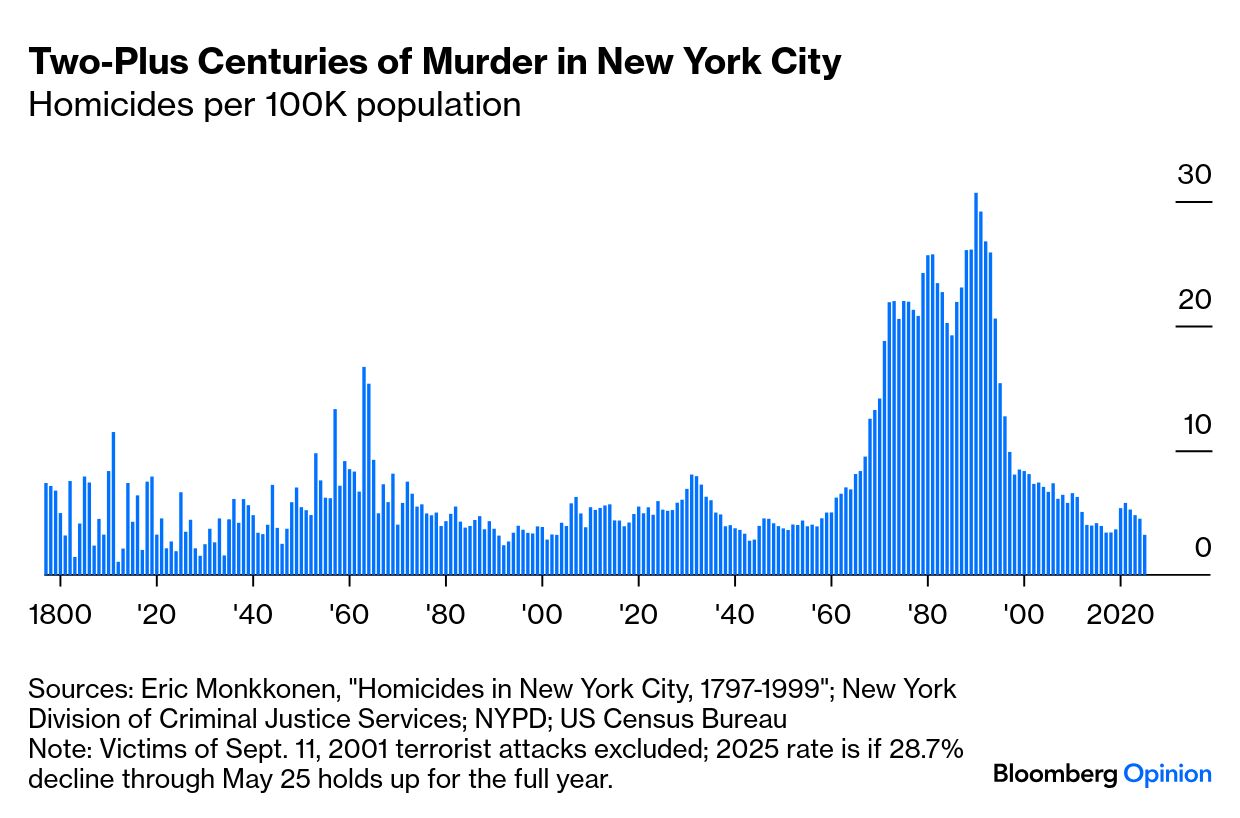
The perception of crime in New York City has fluctuated significantly over the decades. From the high-crime era of the 1970s and 80s to the dramatic decrease in crime observed from the mid-1990s onwards, the city has undergone a remarkable transformation. Today, New York City is generally considered one of the safest large cities in the United States. This safety is a testament to various factors, including effective policing strategies, demographic shifts, and socioeconomic improvements.
Key Crime Categories and Trends
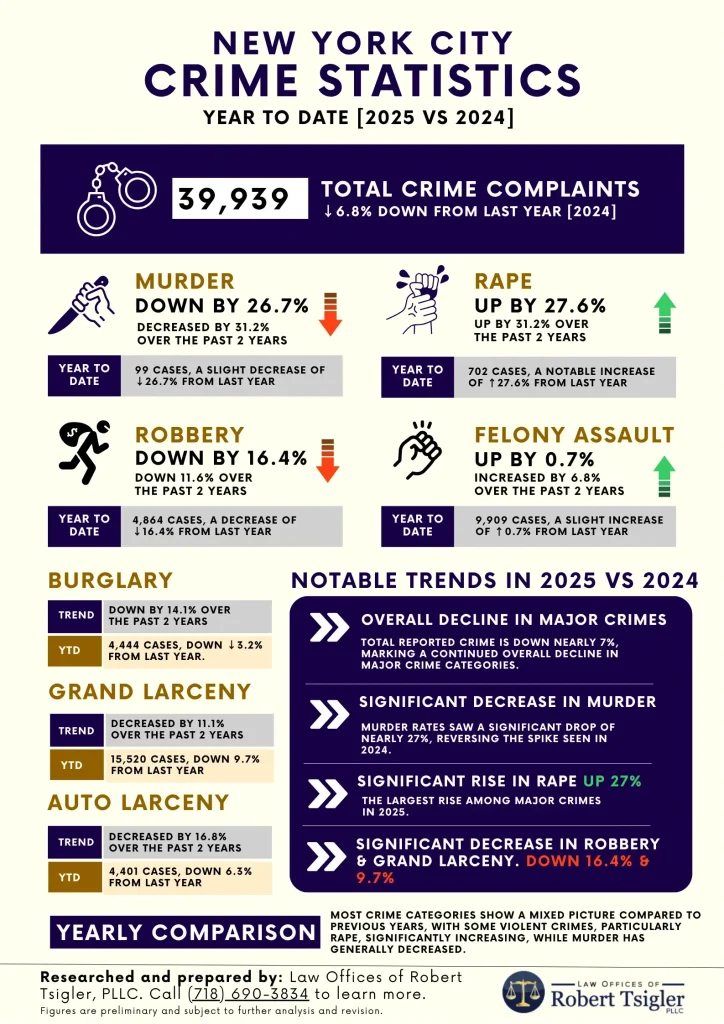
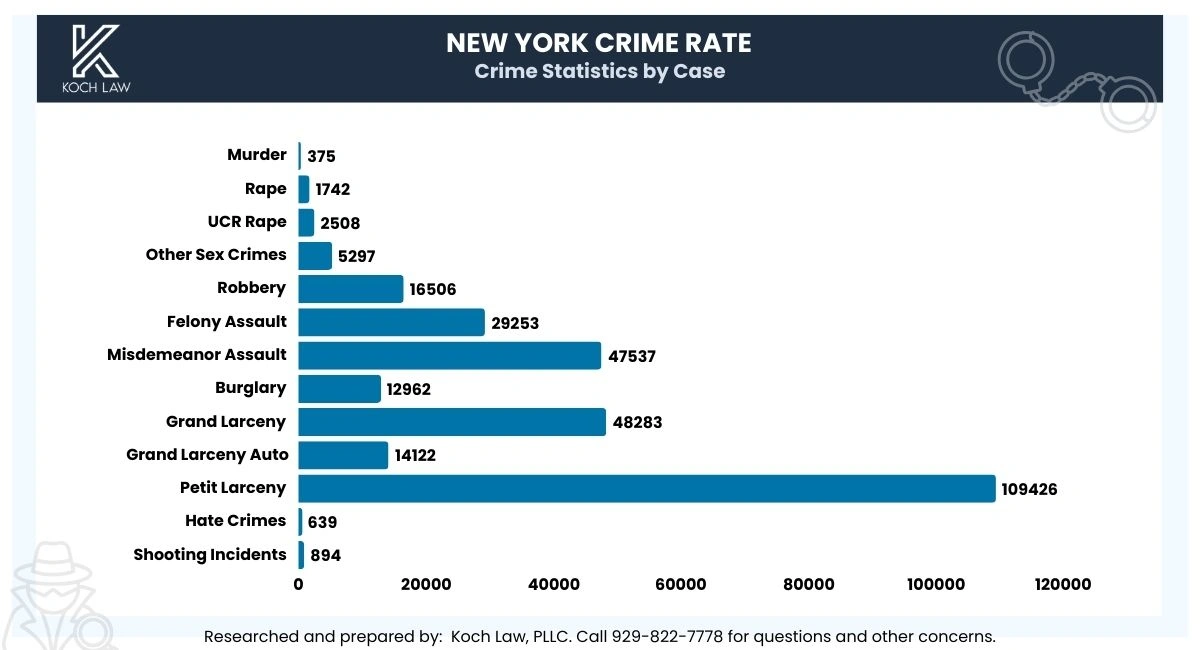
When discussing crime rates, it’s important to differentiate between various types of offenses. The most commonly tracked categories include violent crimes (homicide, rape, robbery, and felony assault) and property crimes (burglary, grand larceny, and grand larceny auto). Analyzing trends within these categories offers valuable insights.
Over the past few decades, New York City has seen a substantial reduction in both violent and property crimes. While crime rates, like in any large city, can experience localized fluctuations or temporary upticks, the long-term trend has been overwhelmingly positive. For instance, homicides, often the most sensationalized crime, have remained at historic lows compared to previous decades. Similarly, major crime incidents, a broader category encompassing the most serious offenses, have also seen significant declines.
It’s important to note that crime statistics are collected and reported by law enforcement agencies, such as the New York City Police Department (NYPD). These statistics are publicly available and are often analyzed by researchers and urban planners. Understanding the methodology behind these statistics, including how crimes are defined and reported, is key to interpreting them accurately.
Perceptions vs. Reality
The media often plays a significant role in shaping public perception of crime. Dramatic incidents, while tragic, can sometimes lead to an overestimation of the overall crime risk in a city. For visitors planning a trip to New York City, it’s essential to rely on official data and credible sources rather than isolated news reports.
Millions of tourists visit New York City annually without incident. The city’s vastness and diverse neighborhoods mean that crime can be concentrated in specific areas or manifest in particular ways. However, many of the most popular tourist destinations, such as Times Square, Central Park, and the Metropolitan Museum of Art, are considered safe and are heavily policed.
For residents, understanding neighborhood-specific crime data can be beneficial for making informed decisions about where to live. However, it’s also important to recognize that the quality of life in a neighborhood is influenced by many factors beyond crime statistics, including community engagement, access to amenities, and socioeconomic conditions.
Crime Rates and Visitor Safety
The safety of tourists is a paramount concern for any major city that relies on tourism. New York City has made significant strides in ensuring a safe environment for its visitors, who flock to experience its world-class attractions, vibrant culture, and diverse culinary scene. While no city can be entirely free of crime, the overall risk for tourists in New York City is relatively low, especially when compared to historical trends or other global metropolises.
Understanding Tourist-Specific Risks
For visitors, the primary concerns often revolve around petty crimes like pickpocketing and scams. These are more common in crowded tourist areas where individuals may be distracted or less aware of their surroundings. Areas like Times Square, subway stations, and popular tourist attractions can be hotspots for such incidents. However, these are generally opportunistic crimes and can often be avoided with basic precautions.
Violent crime, while still a concern for residents, is statistically rare for tourists who adhere to common-sense safety measures. Most visitors spend their time in well-trafficked areas and do not venture into neighborhoods known for higher crime rates, particularly after dark. The NYPD and other city agencies are highly visible in tourist-heavy zones, contributing to a sense of security.
Practical Safety Tips for Travelers
To ensure a safe and enjoyable visit to New York City, tourists can follow a few simple guidelines:
- Be aware of your surroundings: This is perhaps the most crucial tip. Pay attention to who is around you, especially in crowded places.
- Secure your valuables: Keep wallets, phones, and other valuables in front pockets or secure bags. Avoid displaying large amounts of cash or expensive jewelry.
- Use reputable transportation: Stick to official yellow taxis, ride-sharing services with verified drivers, or the MTA subway system. Be cautious of unsolicited offers for transportation.
- Stay in well-lit and populated areas at night: While many parts of New York City are safe at night, it’s always advisable to stick to main streets and avoid dimly lit or deserted areas.
- Trust your instincts: If a situation feels unsafe or uncomfortable, remove yourself from it.
- Research your destinations: Before visiting a particular neighborhood or attraction, a quick online search can provide insights into any specific safety considerations.
By taking these precautions, visitors can significantly minimize their risk and focus on experiencing the incredible offerings of New York City, from its iconic Statue of Liberty to its world-class dining and Broadway shows.
Crime Trends in New York City Neighborhoods
New York City is a city of diverse neighborhoods, each with its unique character, demographics, and, consequently, varying crime patterns. Understanding these neighborhood-level variations is key to a comprehensive understanding of the city’s overall crime landscape. While the general trend across the city has been one of decreasing crime, specific areas may experience different rates of certain offenses.
Factors Influencing Neighborhood Crime Rates
Several factors contribute to the variation in crime rates across different New York City neighborhoods. These include:
- Socioeconomic Conditions: Poverty, unemployment, and lack of educational opportunities can be correlated with higher crime rates. Areas experiencing economic hardship may face greater challenges in crime prevention.
- Demographics: Population density, age distribution, and transient populations can also influence crime statistics.
- Law Enforcement Presence and Strategies: The level of policing and the specific strategies employed by the New York City Police Department in different precincts can impact crime rates.
- Urban Planning and Infrastructure: The design of a neighborhood, including the presence of public spaces, street lighting, and accessibility, can play a role in crime prevention.
- Community Engagement: Active community involvement in crime prevention initiatives and strong neighborhood watch programs can contribute to safer environments.
Analyzing Specific Areas and Types of Crime
It is important to avoid broad generalizations about entire boroughs or large sections of the city. Crime can be highly localized. For instance, a neighborhood that might see a higher rate of property crime might have a very low rate of violent crime, and vice versa.
For individuals considering relocation to New York City, it is advisable to research specific neighborhoods of interest. Official crime data, often available through the NYPD’s website or other local government resources, can provide detailed statistics by precinct. Local news outlets and community boards also often publish analyses or discuss crime trends within their areas.
While New York City as a whole has experienced significant crime reduction, understanding the nuances of neighborhood-level crime statistics allows for a more informed perspective. This knowledge is valuable not only for safety but also for appreciating the diverse realities that make up the fabric of this complex and vibrant metropolis.
LifeOutOfTheBox is a participant in the Amazon Services LLC Associates Program, an affiliate advertising program designed to provide a means for sites to earn advertising fees by advertising and linking to Amazon.com. Amazon, the Amazon logo, AmazonSupply, and the AmazonSupply logo are trademarks of Amazon.com, Inc. or its affiliates. As an Amazon Associate we earn affiliate commissions from qualifying purchases.