
While the allure of exploring exotic destinations, indulging in luxurious accommodations, and immersing oneself in vibrant local cultures might be the primary focus of this platform, a truly well-rounded lifestyle and travel experience often encompasses a deeper understanding of various forms of entertainment and social engagement. This is where the strategic depth and engaging nature of poker, particularly the globally celebrated variant, Texas Hold’em, comes into play. Far from being just a game of chance, Texas Hold’em is a sophisticated blend of skill, psychology, and calculated risk, offering a stimulating intellectual challenge that can be enjoyed in diverse settings, from a casual get-together with friends to a high-stakes tournament in a glamorous city like Las Vegas. Understanding how to play Texas Hold’em is not only a gateway to a popular pastime but also a valuable skill that enhances social interactions and cognitive abilities, much like navigating the intricacies of booking the perfect boutique hotel or deciphering local customs in Tokyo.

The Foundation: Understanding the Game’s Objective and Structure
At its core, Texas Hold’em is about forming the best possible five-card poker hand using any combination of your two private “hole” cards and the five community cards dealt on the table. The ultimate goal is to either have the strongest hand at the showdown, or to skillfully bluff your opponents into folding their hands before the showdown, thereby winning the pot – the sum of all bets made in a hand. The game is played with a standard 52-card deck, and typically involves between two and ten players.
The game progresses through a series of betting rounds, punctuated by the dealing of community cards. Each player is dealt two cards face down, known as hole cards, which are only visible to them. Following the initial deal, there are four further rounds of betting, with community cards revealed incrementally. These community cards, also known as “the board,” are dealt face up and are shared by all players.
The Betting Rounds: A Dance of Strategy and Deception
The beauty of Texas Hold’em lies in its dynamic betting structure, which dictates the flow of the game and provides ample opportunity for strategic play. Understanding these rounds is paramount to success.
Pre-Flop: The First Glimpse of Opportunity
The first betting round, known as the pre-flop, occurs after each player has received their two hole cards. The player to the left of the big blind (an ante bet designed to initiate action) begins the betting. Players then have three options:
- Call: Match the current bet.
- Raise: Increase the current bet.
- Fold: Discard their hand and forfeit any chance of winning the current pot.
The betting continues clockwise around the table until all players who haven’t folded have contributed an equal amount to the pot. This initial round is crucial for assessing the strength of your starting hand and observing the initial tendencies of your opponents, much like you’d gauge the atmosphere of a new city before committing to a particular attraction.
The Flop: Unveiling the Community
After the pre-flop betting round concludes, the dealer burns one card (discards the top card of the deck face down) and then deals the first three community cards face up on the table. This is known as “the flop.” A new round of betting commences, starting with the player to the left of the dealer. The same betting options (call, raise, fold) are available. The flop significantly changes the landscape of potential hands, offering players more information to refine their strategy.
The Turn: A Second Chance to Assess
Following the flop betting round, the dealer again burns a card and deals a fourth community card face up. This is “the turn.” Another round of betting ensues, again starting with the player to the left of the dealer. At this stage, hands are becoming more defined, and players are often making more significant decisions based on the perceived strength of their hand and their opponents’ actions. This is akin to gaining more insight into the local cuisine of Italy after experiencing your first meal; you can now make more informed choices.
The River: The Final Card and the Ultimate Decision
The final community card is dealt face up after the turn betting round concludes. This is “the river.” A final round of betting takes place, and if more than one player remains in the hand, a showdown occurs.
The Showdown: Revealing the Hands
If two or more players remain after the river betting round, the player who made the last aggressive action (the last bettor or raiser) typically reveals their hand first. If all remaining players checked on the river, the player to the dealer’s left shows their hand first. Players then take turns revealing their hands clockwise. The player with the best five-card poker hand, using any combination of their two hole cards and the five community cards, wins the pot. It’s important to remember that you don’t have to use both of your hole cards; you can use one, or even none of them if the five community cards form the best hand.
Hand Rankings: The Hierarchy of Poker Hands
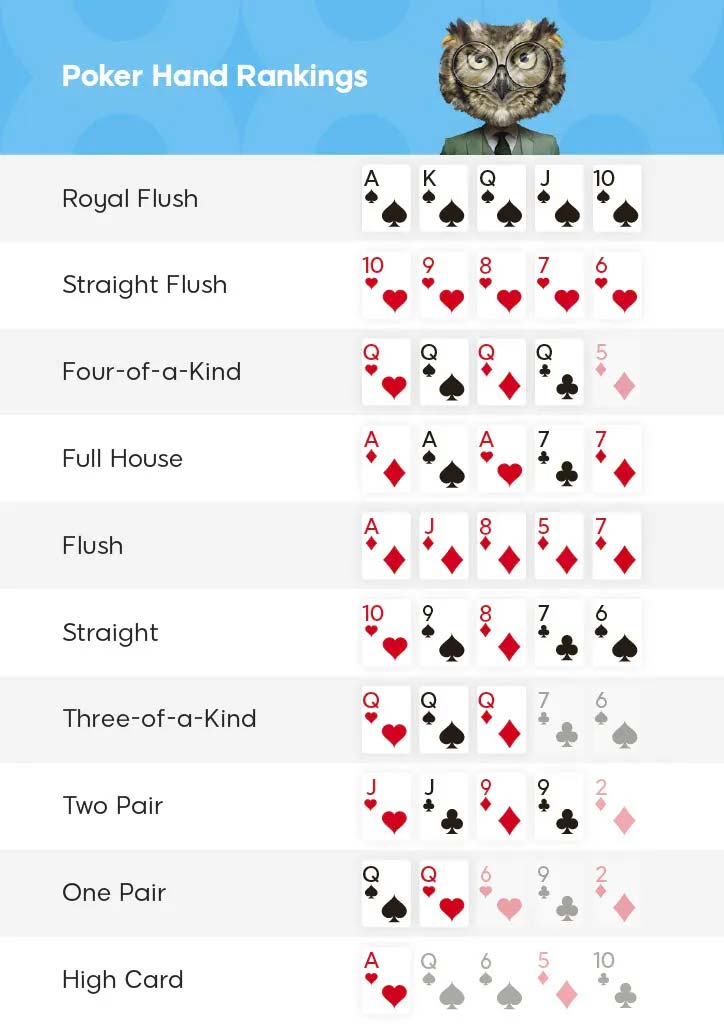
Understanding the hierarchy of poker hands is fundamental to playing Texas Hold’em. The following list details the hands from highest to lowest:
- Royal Flush: Ten, Jack, Queen, King, Ace, all of the same suit. This is the rarest and highest-ranking hand.
- Straight Flush: Five cards in sequence, all of the same suit (e.g., 5, 6, 7, 8, 9 of hearts).
- Four of a Kind: Four cards of the same rank (e.g., four Kings).
- Full House: Three cards of one rank and two cards of another rank (e.g., three Aces and two 7s).
- Flush: Five cards of the same suit, not in sequence.
- Straight: Five cards in sequence, but not all of the same suit (e.g., 4 of clubs, 5 of diamonds, 6 of hearts, 7 of spades, 8 of clubs).
- Three of a Kind: Three cards of the same rank (e.g., three Queens).
- Two Pair: Two cards of one rank, two cards of another rank, and one unrelated card (e.g., two 8s, two 5s, and a King).
- One Pair: Two cards of the same rank, and three unrelated cards (e.g., two Jacks, a 3, a 7, and a Queen).
- High Card: If no player has any of the above hands, the player with the highest-ranking single card wins.
When comparing hands of the same rank, the highest card(s) determine the winner. For instance, if two players have a pair of Kings, the player with the higher kicker (the next highest unpaired card) wins. This meticulous ranking system ensures fair play and provides a clear framework for determining the victor, much like understanding the architecture of historical landmarks in Paris helps appreciate their significance.
Beyond the Basics: Developing a Winning Strategy
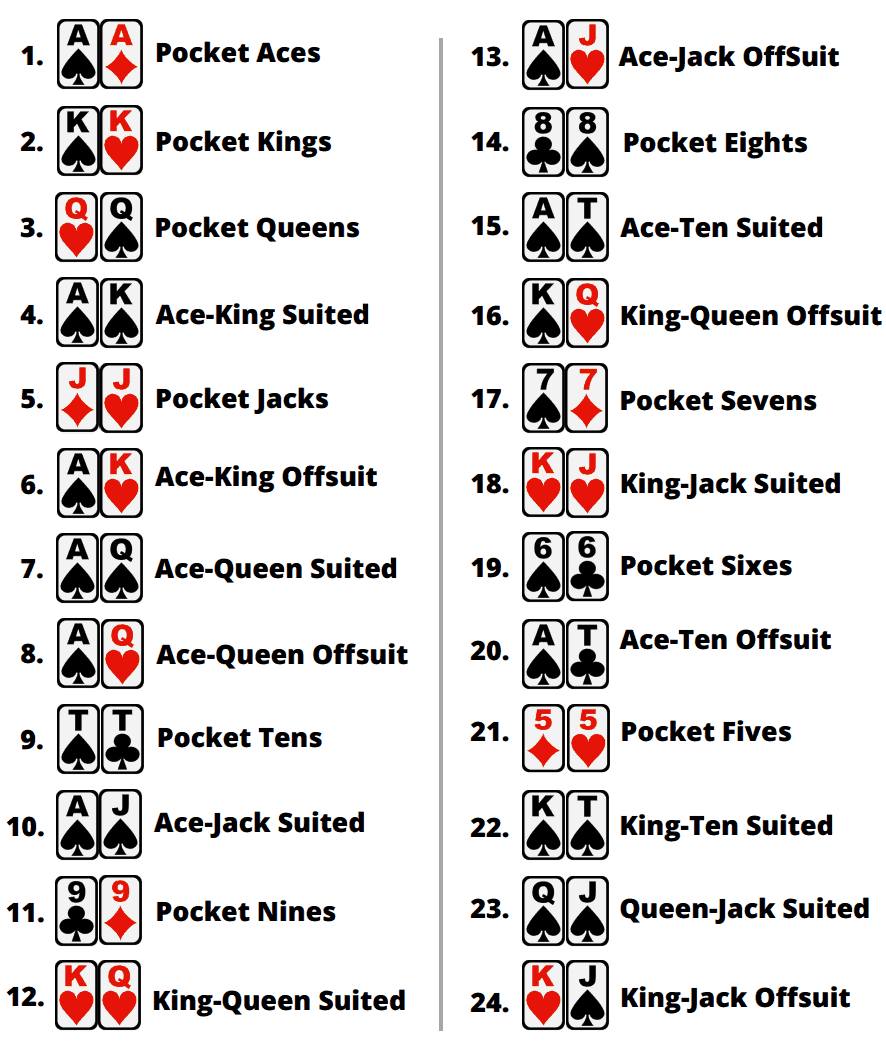
While mastering the rules is the first step, true success in Texas Hold’em comes from developing a sound strategy. This involves more than just memorizing hand rankings; it requires understanding player psychology, pot odds, and position at the table.
Understanding Position: The Power of Acting Last
Position is a critical factor in Texas Hold’em. Players who act later in a betting round have the advantage of seeing how their opponents have acted before them. This allows for more informed decisions, whether it’s to bluff aggressively or to fold a marginal hand. Acting in late position is akin to having insider knowledge when planning your itinerary for a trip to Thailand, allowing you to capitalize on opportunities others might miss.
Pot Odds and Implied Odds: The Mathematical Edge
A deeper level of play involves understanding pot odds and implied odds. Pot odds refer to the ratio of the money in the pot to the amount of money you need to call. By calculating pot odds, you can determine if calling a bet is mathematically profitable in the long run. Implied odds consider potential future bets that might be made in later rounds if you improve your hand. These calculations, while seeming complex, are essential for making profitable decisions, especially when you’re considering a speculative play. This analytical approach can be as rewarding as finding the perfect luxury villa for a dream vacation.
Reading Your Opponents: The Art of Deception
Poker is as much a game of psychology as it is of cards. Learning to read your opponents – their betting patterns, their physical tells (if playing live), and their general demeanor – can provide invaluable information. Are they playing aggressively? Are they timid? Do they seem confident or nervous? Understanding these nuances can help you make better decisions about when to bet, when to bluff, and when to fold. This observational skill is comparable to understanding the local customs and etiquette of a new culture, enriching your travel experiences in places like Kyoto.
Bankroll Management: Playing Within Your Means
Crucially, responsible play in Texas Hold’em involves effective bankroll management. This means only playing with money you can afford to lose and setting limits for yourself. Never chase losses, and always play at stakes that are appropriate for your bankroll. This disciplined approach ensures that the game remains enjoyable and doesn’t lead to financial distress, much like budgeting for a family trip ensures a stress-free and memorable experience.
In conclusion, while the world offers an endless array of adventures and experiences, from exploring ancient landmarks to savoring the unique flavors of local cuisine, mastering Texas Hold’em poker provides a different, yet equally enriching, form of engagement. It hones strategic thinking, fosters social interaction, and offers a thrilling intellectual challenge that can be enjoyed across various settings. By understanding the rules, hand rankings, and developing a strategic mindset, you can embark on your own journey into the captivating world of Texas Hold’em, adding another dimension to your overall lifestyle and appreciation for engaging activities.
LifeOutOfTheBox is a participant in the Amazon Services LLC Associates Program, an affiliate advertising program designed to provide a means for sites to earn advertising fees by advertising and linking to Amazon.com. Amazon, the Amazon logo, AmazonSupply, and the AmazonSupply logo are trademarks of Amazon.com, Inc. or its affiliates. As an Amazon Associate we earn affiliate commissions from qualifying purchases.