
The question of “How far is New York from Washington?” is more than just a simple geographical inquiry; it’s the starting point for planning an incredible journey along one of the most historically and culturally significant corridors in the United States. These two iconic cities, magnets for millions of tourists, business travelers, and residents alike, are separated by a distance that makes them easily accessible for a day trip, a weekend getaway, or a more extended exploration of the Mid-Atlantic region. Understanding the nuances of this distance, the various ways to traverse it, and what lies in between unlocks a wealth of travel possibilities.
Understanding the Distance: Kilometers and Miles
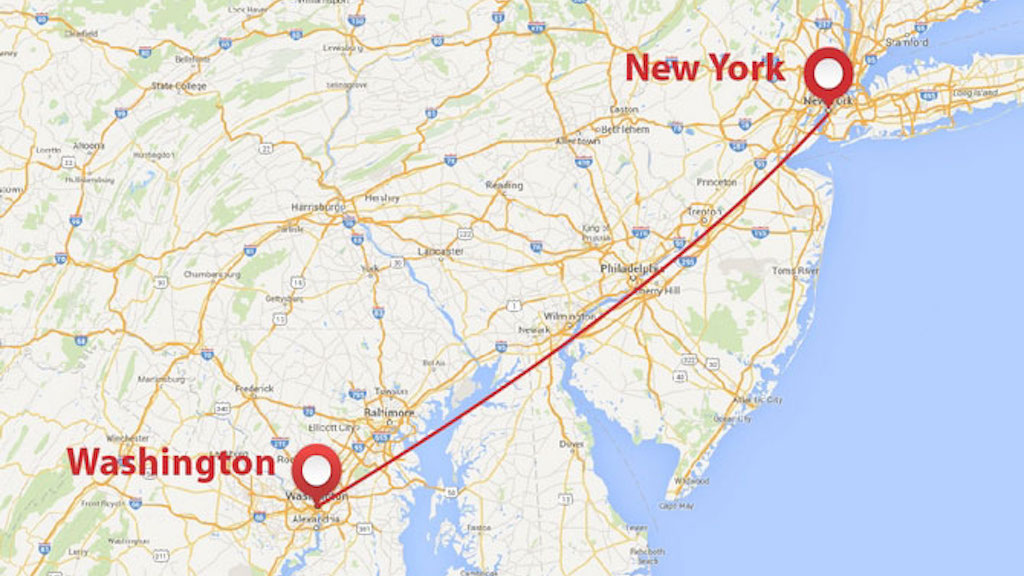
The precise distance between New York City and Washington, D.C. can vary slightly depending on the specific starting and ending points within each metropolitan area. However, the general consensus places the driving distance at approximately 225 to 230 miles (about 362 to 370 kilometers). This figure is for the most direct and common driving routes, typically utilizing major highways like the I-95 corridor.
Road Travel: The Quintessential American Journey
Driving between New York and Washington is a popular choice for many, offering unparalleled flexibility and the opportunity to witness the changing landscapes of the Mid-Atlantic. The journey itself can be as much a part of the experience as the destinations.
Route Planning and Estimated Travel Time
The most common route involves taking the New Jersey Turnpike south from New York City, merging onto I-95 South, and continuing through states like Delaware and Maryland until reaching Washington, D.C.. While the mileage might suggest a journey of around 3.5 to 4 hours, this estimate often does not account for traffic.
Factors Affecting Driving Time
Traffic congestion, particularly around major metropolitan areas like New York City, Philadelphia, and Baltimore, can significantly extend travel times. It’s not uncommon for a 4-hour drive to stretch to 5 or even 6 hours during peak commute times or on busy travel days, such as holidays or weekends. Planning to depart early in the morning or late in the evening can help mitigate some of these delays. Additionally, tolls are a significant factor on this route, particularly on the New Jersey Turnpike and bridges or tunnels in the New York metropolitan area.
Opportunities for Stops and Exploration
The driving route between New York and Washington is dotted with potential points of interest. Travelers can choose to break up the journey with a stop in historic Philadelphia, home to Independence Hall and the Liberty Bell. Alternatively, a detour through charming towns in Delaware or exploring the waterfront in Baltimore can add unique experiences to the trip.
Rail Travel: Speed and Convenience
For those seeking a faster and often more relaxing alternative to driving, the train is an excellent option. Amtrak operates frequent services along the Northeast Corridor, connecting New York Penn Station with Washington Union Station.
Amtrak Services and Travel Time
Amtrak offers several classes of service, including the high-speed Acela Express and the more frequent Northeast Regional trains. The Acela Express can complete the journey in as little as 2 hours and 45 minutes, making it the quickest way to travel between the two cities. The Northeast Regional trains, while slightly slower, typically take around 3 to 3.5 hours. Both options provide a comfortable experience with amenities like Wi-Fi and dining cars.
Benefits of Train Travel
Opting for the train eliminates the stress of traffic and parking, which can be a significant concern in both New York City and Washington, D.C.. Travelers can use their journey time productively, catching up on work, reading, or simply enjoying the scenery. Arriving directly into the heart of each city at Union Station in Washington and Penn Station in New York provides immediate access to public transportation and hotel accommodations.
Air Travel: For the Long-Distance Traveler
While the distance between New York and Washington is generally considered manageable by road or rail, flying remains an option, particularly for those connecting from further afield or who prefer to maximize their time on the ground at their destination.
Major Airports and Flight Durations
Several airports serve the New York City metropolitan area, including John F. Kennedy International Airport (JFK), LaGuardia Airport (LGA), and Newark Liberty International Airport (EWR). Similarly, Washington, D.C. is served by [Ronald Reagan Washington National Airport (DCA)](https://lifeoutofthebox.com/ronald- Reagan-washington-national-airport), Washington Dulles International Airport (IAD), and Baltimore/Washington International Thurgood Marshall Airport (BWI). Direct flights between these airports are frequent and typically last around 1 hour.
Considerations for Air Travel
However, it’s crucial to factor in the time required for travel to and from airports, check-in procedures, security screening, and potential flight delays. When these elements are considered, the total travel time for flying can often be comparable to, or even exceed, that of taking the train, especially when factoring in the efficiency of Amtrak services connecting city centers. For this specific route, flying is generally less practical for travelers not already at an airport or connecting from a distant location.
The Intervening Landscape: What Lies Between
The approximately 225-mile stretch between New York and Washington is not merely a void to be traversed but a region rich with history, diverse economies, and varied landscapes. From the bustling industrial hubs of northern New Jersey to the historic charm of Maryland and the political heart of Washington, D.C., this corridor is a microcosm of American life.
The Urban Sprawl and Industrial Heritage
As you depart New York City, the initial landscape is characterized by urban sprawl and a significant industrial heritage. The New Jersey Turnpike cuts through a heavily populated and industrialized area. This region, often overlooked by those focused solely on the endpoints, has played a crucial role in the nation’s economic development, housing vast manufacturing centers, logistics hubs, and a dense suburban population that commutes to both major cities.
Historic Philadelphia: A Pivotal Stop

A major waypoint on this journey is the historic city of Philadelphia. As the birthplace of the United States, Philadelphia offers a wealth of attractions for history buffs. Visitors can walk the cobblestone streets of Old City, visit Independence Hall where the Declaration of Independence and the Constitution were debated and adopted, and stand before the iconic Liberty Bell. Beyond its historical significance, Philadelphia boasts a vibrant arts scene, renowned museums like the Philadelphia Museum of Art, and a celebrated culinary landscape, famously known for its cheesesteaks. A stop in Philadelphia can easily transform a simple transit into a significant cultural experience.
Delaware and Maryland: Transition Zones
Continuing south, travelers enter Delaware and then Maryland. These states offer a transition from the dense urbanity of the north to a more varied landscape that includes rolling hills, agricultural lands, and charming historic towns.
Annapolis: The Naval Capital
For those with a particular interest in maritime history and architecture, a detour to Annapolis, the capital of Maryland, is highly recommended. Home to the United States Naval Academy, Annapolis features a picturesque harbor, well-preserved colonial architecture, and a rich maritime heritage that dates back centuries. The charming streets, waterfront restaurants, and the historic State House offer a delightful respite from the highway.
Baltimore’s Harbor and History
Another significant urban center along the route is Baltimore, Maryland. Baltimore’s Inner Harbor is a major tourist attraction, featuring the National Aquarium, the Maryland Science Center, and historic ships like the USS Constellation. The city also boasts a rich history, with neighborhoods like Fells Point offering a glimpse into its past as a major port city.
Planning Your Journey: From Logistics to Leisure
Deciding how to travel between New York and Washington depends on a variety of factors, including budget, time constraints, and personal preferences. Understanding the travel options and their associated costs and benefits is key to a successful trip.
Budgeting for Your Trip: Costs to Consider
The cost of traveling between these two cities can vary significantly. Driving involves expenses for fuel, tolls, and potentially parking, which can be particularly high in both New York City and Washington, D.C.. Train tickets with Amtrak range in price depending on the class of service and how far in advance they are booked, with Acela Express being the most expensive. Airfare, when factoring in airport transportation and baggage fees, can also be a substantial cost.
Choosing the Most Economical Option
For budget-conscious travelers, driving can sometimes be the most economical option, especially for groups or families who can share costs. However, the unpredictable nature of traffic and toll costs should be factored in. Northeast Regional Amtrak trains often offer competitive pricing, especially when booked in advance, and provide excellent value for the convenience they offer.
Maximizing Your Time: Day Trips vs. Extended Stays
The proximity of New York and Washington makes them ideal for both day trips and longer stays.
The Day Trip Dilemma
A day trip from New York to Washington (or vice versa) is ambitious but feasible, especially by train. This would typically involve an early morning departure and a late-night return, allowing for a focused exploration of key landmarks. For instance, a day in Washington could include visits to the National Mall, the Lincoln Memorial, and one or two of the renowned Smithsonian Museums. However, it would necessitate a highly efficient itinerary and a willingness to forgo a deeper dive into either city.
The Extended Stay Advantage
An extended stay, whether a weekend or longer, allows for a more immersive experience. This provides ample time to explore the diverse neighborhoods, enjoy the culinary scenes, visit numerous attractions, and perhaps even venture out to surrounding areas. It also allows for a more relaxed pace, reducing the stress associated with trying to see everything in a limited timeframe. This is particularly recommended for those who wish to experience the full breadth of what New York City and Washington, D.C. have to offer.
Navigating the Cities: Arrival and Local Transportation
Once you arrive in either New York or Washington, understanding local transportation is crucial for efficient exploration.
Public Transportation: The Backbone of Urban Mobility
Both cities boast extensive public transportation systems. New York City is famous for its 24/7 subway system, offering access to virtually every corner of the five boroughs. The Metropolitan Transportation Authority (MTA) also operates buses and commuter rail lines. In Washington, D.C., the Metrorail system, managed by the Washington Metropolitan Area Transit Authority (WMATA), provides efficient service throughout the District and into the surrounding suburbs of Maryland and Virginia.
Utilizing City Transit Systems
Leveraging these public transit networks is often the most cost-effective and time-efficient way to navigate between attractions, hotels, and other points of interest within each city. Purchasing a MetroCard in New York or a SmarTrip card in Washington allows for easy tap-and-go payment for subway and bus fares.
Ride-Sharing and Taxis: Door-to-Door Convenience
For added convenience, especially when traveling with luggage or during off-peak hours, ride-sharing services like Uber and Lyft, as well as traditional taxis, are readily available in both cities. While more expensive than public transportation, they offer door-to-door service and can be particularly useful for reaching destinations not directly served by public transit.
Considerations for Urban Travel
When choosing your mode of local transport, consider factors such as cost, time, convenience, and the number of people traveling. For short distances or in congested areas, walking can also be an enjoyable and efficient way to experience the urban environment.
In conclusion, the distance between New York and Washington is a manageable and exciting segment of travel in the United States. Whether you opt for the freedom of the open road, the speed of the train, or the efficiency of air travel, the journey offers a unique opportunity to connect two of America’s most vibrant and historically significant cities, with a wealth of experiences waiting to be discovered along the way.
LifeOutOfTheBox is a participant in the Amazon Services LLC Associates Program, an affiliate advertising program designed to provide a means for sites to earn advertising fees by advertising and linking to Amazon.com. Amazon, the Amazon logo, AmazonSupply, and the AmazonSupply logo are trademarks of Amazon.com, Inc. or its affiliates. As an Amazon Associate we earn affiliate commissions from qualifying purchases.