
The vibrant expanse of Texas offers a wealth of experiences, from the bustling energy of its major cities to the charming allure of its suburban neighbors. Among these popular destinations, the question of distance between Dallas and Frisco often arises for travelers planning their itineraries. As a prominent city in the Dallas-Fort Worth Metroplex, Frisco has carved out its own unique identity, boasting a thriving economy, family-friendly attractions, and a burgeoning cultural scene. Understanding the proximity between these two significant hubs is crucial for efficient travel planning, whether you’re considering a day trip, a longer stay, or simply navigating the logistical landscape of North Texas.
The Direct Route: Distance and Travel Time
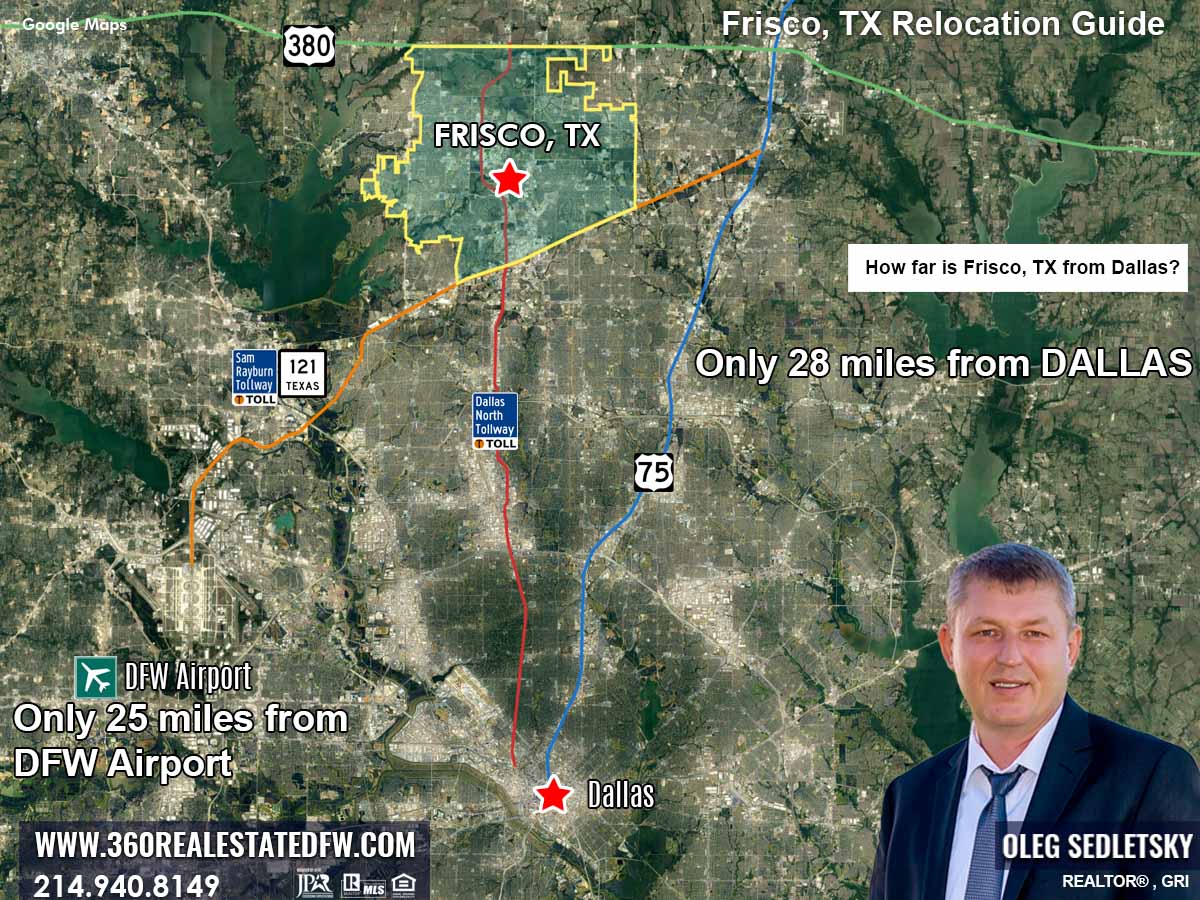
The most direct and commonly used route between Dallas and Frisco is via the major highways that connect the two cities. Primarily, Dallas Parkway (also known as the North Dallas Tollway) serves as the principal artery, offering a relatively swift passage between the urban core of Dallas and the northern suburbs. The distance is approximately 25 to 30 miles, depending on your exact starting and ending points within each city. For instance, traveling from downtown Dallas to the heart of Frisco typically falls within this range.
Navigating the Highways: Dallas Parkway and US-121
The Dallas Parkway, often referred to as the North Dallas Tollway, is the most direct and generally fastest way to travel between Dallas and Frisco. This toll road offers a smooth and well-maintained path, with multiple exits feeding into various parts of Frisco, including the popular Stonebriar area and The Star. The travel time via the Dallas Parkway can range from 30 to 45 minutes under normal traffic conditions. However, it is essential to factor in potential traffic delays, especially during peak commuting hours. The Dallas Parkway is a toll road, so be prepared for toll charges.
Another significant route to consider is US-121, also known as the Sam Rayburn Tollway. This highway also connects Dallas and Frisco, offering an alternative, particularly if your origin or destination is closer to the eastern or western edges of either city. US-121 can be a viable option, especially if Dallas Parkway is experiencing heavy congestion. Travel time on US-121 is comparable to the Dallas Parkway, generally falling within the 35 to 50-minute range, again, heavily influenced by traffic.
When planning your journey, consulting real-time traffic applications is highly recommended. Services like Google Maps or Waze can provide up-to-the-minute information on traffic conditions, accidents, and construction, allowing you to choose the most efficient route and estimate your travel time accurately. This is particularly important for avoiding delays that can significantly impact your schedule, especially if you have reservations for a show at the AT&T Performing Arts Center in Dallas or a game at Toyota Stadium in Frisco.
Factors Influencing Travel Time
While the mileage between Dallas and Frisco is relatively consistent, the actual time it takes to travel between them can fluctuate considerably. Several key factors play a role in determining your journey’s duration.
Traffic Patterns and Peak Hours
The Dallas-Fort Worth Metroplex is a sprawling urban area, and like any major metropolitan region, it experiences significant traffic congestion, particularly during weekday rush hours. Morning commutes typically run from 6:30 AM to 9:30 AM, while evening commutes extend from 3:30 PM to 7:00 PM. During these times, travel times can easily double, transforming a 30-minute drive into an hour or more. Weekend traffic can also be heavier, especially around popular shopping districts, entertainment venues, and during major events. If you’re heading to the Dallas Arboretum and Botanical Garden or attending a FC Dallas match, being mindful of these traffic patterns will save you considerable stress.
Day of the Week and Time of Day
Beyond the general rush hours, specific days of the week can also influence traffic flow. Fridays often see increased traffic as people begin their weekend getaways or head out for evening entertainment. Saturdays can be busy with shoppers and families visiting attractions like the Dallas World Aquarium or exploring the National Videogame Museum in Frisco. Sundays might see lighter traffic in the morning but can become busier in the afternoon as people return from outings. Off-peak hours, such as midday on weekdays or early mornings and late evenings, generally offer the smoothest and quickest travel.
Road Construction and Special Events
The Metroplex is constantly undergoing development and infrastructure improvements, which can lead to temporary road closures, lane reductions, and detours. Staying informed about current construction projects is vital. Likewise, major events, such as concerts at the American Airlines Center, sporting events, or festivals like the State Fair of Texas (though this is a bit further south, it impacts overall metro traffic), can significantly impact travel times on the routes connecting Dallas and Frisco. Always check local news and traffic advisories before embarking on your journey.
Beyond the Car: Alternative Transportation Options
While driving is the most prevalent method of travel between Dallas and Frisco, there are other options to consider, particularly for those seeking to avoid traffic or parking hassles. These alternatives might require more planning but can offer a different travel experience.
Public Transportation: DART and TRE
The Dallas Area Rapid Transit (DART) system provides extensive public transportation services within Dallas and its surrounding suburbs. While DART rail lines do not directly extend to Frisco, you can utilize DART to reach major hubs within Dallas and then consider ride-sharing services or buses that may connect to Frisco. The Trinity Railway Express (TRE) connects downtown Dallas with Fort Worth, and while it doesn’t directly serve Frisco, it offers a viable option for inter-city travel within the broader metro area, which might be a starting point for further transit. For direct travel to Frisco, reliance on DART is more about reaching a transfer point rather than a direct connection.
Ride-Sharing Services and Taxis
Services like Uber and Lyft, as well as traditional taxi companies, offer convenient on-demand transportation between Dallas and Frisco. This is a flexible option, especially if you don’t have your own vehicle or prefer not to drive. The cost will, of course, be higher than driving yourself, particularly during surge pricing. However, it eliminates the stress of navigation and parking. You can be picked up from your hotel in Dallas, such as the Ritz-Carlton Dallas, or a business meeting and dropped off directly at your destination in Frisco, perhaps the National Scout Museum.

Considerations for Extended Stays and Day Trips
When planning a visit that involves travel between Dallas and Frisco, consider the purpose of your trip. For a day trip focused on specific attractions, such as exploring the Dallas Arts District in the morning and then heading to Frisco to visit the Texas Sculpture Garden, timing is crucial. You’ll want to leave Dallas early enough to maximize your time in Frisco and factor in potential return traffic. If you are staying at a hotel in Frisco for a longer duration, such as at the Hyatt Centric Dallas Stonebriar, but plan to explore Dallas regularly, having a rental car or relying on ride-sharing might be more practical than using public transit for every excursion.
For those considering a longer-term stay in Frisco, perhaps for a business project or extended vacation, a rental car often provides the most flexibility. It allows you to easily visit attractions in both cities, explore surrounding towns like Plano or McKinney, and run errands without being beholden to public transport schedules or ride-sharing availability. Many hotels in Frisco, such as the Omni Frisco Hotel, offer convenient access to major roadways, making it easy to venture out.
Ultimately, the distance between Dallas and Frisco is easily manageable, but smart planning around traffic, time of day, and your specific travel needs will ensure a smooth and enjoyable experience exploring the diverse offerings of the Dallas-Fort Worth Metroplex. Whether you’re drawn by the cultural attractions of Dallas or the dynamic growth and family-friendly atmosphere of Frisco, these two vibrant cities are well-connected and ready to welcome you.
LifeOutOfTheBox is a participant in the Amazon Services LLC Associates Program, an affiliate advertising program designed to provide a means for sites to earn advertising fees by advertising and linking to Amazon.com. Amazon, the Amazon logo, AmazonSupply, and the AmazonSupply logo are trademarks of Amazon.com, Inc. or its affiliates. As an Amazon Associate we earn affiliate commissions from qualifying purchases.